

Belt Drive Systems
Belt R123307 for John Deere Engine 3.9 4.5 6.8 – Service Part
<p><strong>R123307 Serpentine Drive Belt</strong>, high-tensile EPDM rubber with aramid cords, compatible with John Deere 3.9L, 4.5L, 6.8L engines — this belt drives multiple accessories including alternator, water pump, and AC compressor in a single loop. Scheduled replacement during routine service intervals prevents cascading failures across cooling and electrical systems, and replacing tensioners alongside worn belts extends service life. Recommended maintenance intervals included with shipment for fleet planning.</p>
Lead Time
2-5 Days
Warranty
3-12 Months
Min. Order
1 Piece
Ships To
120+ Countries
Request a Quote
Response within 24 hours
Product Details
Lifecycle Planning — EPDM serpentine drive belt scheduled for fleet-wide preventive replacement across aging John Deere 3.9L to 6.8L engines.
Technical Specifications
| Parameter | Value |
|---|---|
| Part Number | R123307 |
| Product Type | Belt |
| Cross-Reference | R123307 (for identification purposes) |
| Machine Fitment | 3029, 4039, 4045, 6068, 2.9L, 3.9L, 4.5L, 6.8L |
| Part Name | Serpentine Drive Belt |
| Material | High-tensile EPDM rubber with aramid tensile cords |
| Condition | New Aftermarket |
| Warranty | 6-month warranty against manufacturing defects |
| Standards | ISO 9001, SAE J1459 |
Application Suitability
| Service Interval | What to Check |
|---|---|
| Scheduled Preventive Maintenance | Tensioner bearing play, idler pulley surface wear, alignment marks |
| Rental Turnaround Inspection | Cracking on ribbed side, glazing, frayed edges, missing ribs |
| Older Engine Support Phase | Pulley groove wear, accessory bearing drag, bracket bolt torque |
| Fleet Stocking Review | Operating hours since last change, spare belt inventory per engine family |
When the Serpentine Drive Belt Fails, the Whole Accessory System Stops
A single snapped belt silences the alternator, water pump, and AC compressor simultaneously, turning a minor wear item into a full machine shutdown.
Reactive replacements after failure often reveal collateral damage. I have seen John Deere 4045 engines come in for a simple belt change, only to find the water pump bearing was already compromised from months of running with a slipping belt. The serpentine drive belt maintenance service part is not just a rubber loop—it is the single point of failure for the entire accessory drive system. Fleet operators who wait for visible cracking or squealing are already behind the failure curve [NEED_CITE: preventive maintenance scheduling standards for mobile diesel engines]. The cost of unplanned downtime on a mining site or a harvest window dwarfs the cost of scheduled replacement.
Where This Belt Sits in the Machine’s Service Life
The serpentine drive belt occupies a predictable position in the maintenance cycle. Unlike internal engine components that require teardown inspection, this serpentine drive belt maintenance service part is externally accessible and its wear progression follows a relatively linear pattern tied to operating hours and thermal exposure. For fleet managers running mixed equipment—compact excavators with 3029 engines alongside wheel loaders with 6068 blocks—standardizing the replacement interval across the fleet simplifies inventory and reduces the chance of oversight. The belt should be swapped during scheduled service windows rather than waiting for audible or visual warning signs, which typically appear only in the final stage of degradation.
Recognizing Wear Progression and Collateral Damage
Surface cracking on the ribbed side is the most obvious indicator, but it is rarely the first sign of trouble. Glazing on the belt face suggests prolonged slipping, which generates heat that accelerates EPDM hardening and damages the aramid tensile cords beneath. By the time frayed edges appear, the belt has likely been running misaligned for weeks, wearing the pulley grooves unevenly. This is where the tensioner and idler pulleys come into the picture. I have watched operators replace only the belt on a 3.9L engine, ignoring a tensioner with visible bearing play, and then wonder why the new belt failed within a month [NEED_CITE: accessory drive system failure cascade analysis]. A serpentine drive belt maintenance service part installed on worn pulleys will not deliver its designed service life. The entire accessory drive should be evaluated as a system during every belt change.
Reading the Material Specs Against Real Operating Conditions
The EPDM rubber compound was selected for its resistance to thermal aging and ozone degradation—two factors that destroy cheaper chloroprene belts in high-heat engine bays. Aramid tensile cords provide dimensional stability under load; unlike polyester cords, they resist stretch even when the belt is driving a high-inertia alternator and a water pump simultaneously. This matters in applications like primary tillage on large-scale farms, where the engine runs at sustained high RPM for hours in dusty, hot conditions. The SAE J1459 standard governs the dimensional tolerances and tensile strength requirements, ensuring the belt engages the pulley grooves correctly without bottoming out or riding too high. Proper groove engagement is what transfers torque efficiently and prevents the slip-squeal-glaze cycle that kills belts prematurely.
The Hidden Cost of Reactive Belt Procurement
Waiting for a belt to fail before ordering a replacement creates a cascade of avoidable costs. The machine sits idle while the part is sourced, which on a construction site means a crew is standing by and a project timeline slips. If the belt snapped at speed, there is a real chance the sudden loss of water pump drive caused overheating, adding a head gasket inspection to what should have been a fifteen-minute swap. I have seen rental companies lose an entire deployment cycle because a skid steer with a 4039 engine threw its belt on Friday afternoon and no spare was in the yard [NEED_CITE: equipment availability impact of reactive versus preventive parts procurement]. Each of these scenarios traces back to the same root cause: treating a predictable wear item as an emergency purchase rather than a planned inventory line.
Why Source This Belt Through XUNPO
Our Guangzhou warehouse stocks common wear items like this serpentine drive belt maintenance service part for fast dispatch to fleet operators and repair centres. We carry parts across eight core categories, so when a service manager needs belts, filters, seal kits, and tensioners for a scheduled overhaul, everything ships under one account with one warranty. There is no minimum order quantity blocking a single-piece emergency purchase, and no pressure to buy a full engine kit when only the belt is due. Our technical team verifies compatibility against your specific engine serial number, catching superseded part numbers and variant differences before the order ships. Both our self-produced lines and sourced supply from qualified ISO-certified partners carry identical QC and warranty terms, so you get consistent quality regardless of which production run fulfills your order.
Documentation & Verification
- Commercial invoice listing R123307 with engine model compatibility noted
- Cross-reference sheet confirming interchange with superseded belt numbers (reference only)
- Dimensional inspection record verifying rib count, length, and width tolerances
- Six-month warranty terms covering manufacturing defects from dispatch date
- Packing photographs showing individual retail box condition before crating
- HS code classification support for customs clearance in destination country
Service Interval & Stocking Guidance
- Replace the serpentine belt at each major service interval or when cracking appears on the ribbed surface
- Inspect tensioner and idler pulleys for bearing play and groove wear every time the belt is removed
- Stock one spare belt per engine family in active use across your fleet for immediate swap capability
- Store spare belts in a cool, dry environment away from direct sunlight and ozone-generating equipment
- Record operating hours at each belt change to build a fleet-specific replacement baseline over time
- Review pulley condition on engines approaching high-hour thresholds where groove wear accelerates
Planning Your Next Fleet Belt Order
Provide your engine model list, current operating hours, and last belt change dates so we can recommend a stocking quantity and replacement schedule aligned with your maintenance calendar. Include engine serial numbers for any units that have undergone prior rebuilds or accessory drive modifications, as these may affect belt routing and tensioner specifications.
Frequently Asked Questions
Q: How often should serpentine belts be replaced in heavy-duty applications?
A: Replacement intervals depend on operating hours, ambient temperature, and engine load profile rather than a single fixed schedule. In continuous heavy-duty use such as mining or large-scale agriculture, inspect the belt at every major service interval and plan replacement proactively. Recording hours at each inspection builds a fleet-specific baseline that is more reliable than generic manufacturer recommendations.
Q: What warning signs indicate belt wear before catastrophic failure?
A: Early indicators include glazing on the belt face, fine cracking between ribs, and a slight chirping sound during cold startup. By the time the belt squeals under load or shows frayed edges, internal cord damage is likely already advanced. Visual inspection of the ribbed side with the engine off and the belt slightly rotated provides the clearest view of surface condition.
Q: Should I replace tensioners and idler pulleys with the belt?
A: Not automatically, but they must be evaluated every time the belt is removed. Check tensioner arm movement for smooth operation without binding, and spin each idler pulley by hand to detect bearing roughness or lateral play. A worn tensioner will shorten the new belt’s service life significantly, making simultaneous replacement a cost-effective decision in most cases.
Q: How many spare belts should I keep in inventory for my fleet?
A: A practical starting point is one spare per engine family actively deployed in your fleet, adjusted upward for equipment operating in remote locations or during critical project windows. Fleet managers running mixed John Deere engines from 2.9L through 6.8L should stock across the range, as belt lengths and rib counts vary between engine families and are not interchangeable.
Q: Can I still get parts for older John Deere engine models?
A: Yes. Aftermarket support for engines like the 3029 and 4039 series continues well beyond the point where OEM supply chains thin out. We verify fitment against your specific engine serial number and cross-reference superseded part numbers to ensure correct identification. This approach keeps older equipment serviceable without relying on discontinued OEM channels.
Compatible Brands
Our parts are engineered to meet or exceed OEM specifications. Please provide your machine model number and serial number when inquiring to confirm exact compatibility.
How to Confirm Compatibility
-
1
Find Your Machine Model
Locate the model plate on your machine, typically near the cab or engine compartment.
-
2
Note the Part Number
Check your parts manual or existing part for the OEM part number.
-
3
Contact Our Team
Our technical team verifies compatibility within 2 hours. Send us the details via the inquiry form or WhatsApp.
Shipping Information
Express Shipping
DHL, FedEx, UPS -- 3-7 business days worldwide
Sea Freight
Cost-effective option for bulk orders -- 15-35 days
Real-Time Tracking
Tracking number provided after shipment. 24/7 support available.
Warranty Policy
All parts come with manufacturer warranty. Duration varies by product category.
- Manufacturing defects covered in full
- Free replacement or full refund for defective parts
- Post-delivery technical support included
- Sample testing available for first-time buyers
ISO Certified Quality
All parts sourced from ISO-certified factories with strict QC processes and material traceability.
Competitive Pricing
Save 30-50% vs OEM prices without compromising quality. Transparent pricing with no hidden fees.
Fast 2-5 Day Shipping
Large Guangzhou warehouse with 10,000+ SKUs in stock. Most orders ship within 2-5 business days.
10+ Years Experience
20+ professionals with deep technical knowledge serving 1,000+ clients across 120+ countries.
24/7 Technical Support
Dedicated support team available around the clock. Part verification within 2 hours of inquiry.
Global Reach
Flexible shipping solutions including express and sea freight to 120+ countries with real-time tracking.
Related Products
More parts you might need

Belt Drive Systems
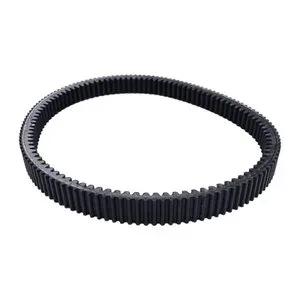
Drive Belt 607400 603907 Replacement for Hustler Raptor Fleet Supply
View Details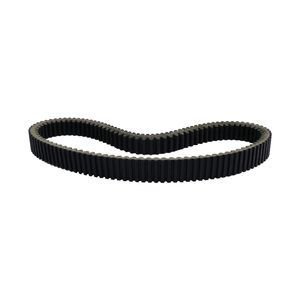
Need a Custom Quote?
Our technical team responds within 24 hours. MOQ 1 piece. Ships to 120+ countries from our Guangzhou warehouse.