

Block & Internal Parts

Block & Internal Parts
ISO Certified
Ships 2-5 Days
MOQ 1 Piece
Block & Internal Parts
Camshaft Gear 3946436 for Cummins 4B3.9 – Scheduled Maintenance Service Part
<p><strong>3946436 Camshaft Gear for Cummins 4B3.9 6B5.9</strong> — CNC-machined tooth profile, heat-treated alloy steel, replacement for timing-critical service intervals.</p> <ul> <li>Typical wear shows as timing drift or gear lash noise; plan single-gear or full timing set exchange at overhaul to avoid cascading damage</li> <li>Fits engines across QSB and ISB series used in loaders and forklifts; verify engine serial to confirm variant match</li> <li>Older Cummins generations remain in active supply with consistent aftermarket availability</li> </ul> <p>Replacement cycle guidance included with shipment for fleet maintenance alignment.</p>
Lead Time
2-5 Days
Warranty
3-12 Months
Min. Order
1 Piece
Ships To
120+ Countries
3946436
Alloy Steel
camshaft gear
Cummins 4B3.9
For Cummins
Service Part
Request a Quote
Response within 24 hours
Prefer instant chat?
WhatsApp
Product Details
Fleet Stocking Strategy — Camshaft gear planned for aging Cummins-powered fleets where predictable overhaul intervals justify holding inventory on-site.
Technical Specifications
| Parameter | Value |
|---|---|
| Part Number | 3946436 |
| Product Type | Camshaft |
| Cross-Reference | 3946436 (reference only), J946436 (reference only), K3946436 (reference only) |
| Machine Fitment | Cummins 4B3.9, 6B5.9, G8.3, ISB, ISB CM2150, ISB CM550, QSB3.9 30 CM550, QSB4.5 30 CM550, QSB5.9 30 CM550; Hyundai HL757-7, HL757TM-7, 100D-7, 120D-7, 135D-7, 160D-7 |
| Condition | New Aftermarket |
| Warranty | 3-12 months against manufacturing defects |
| Material | High-strength alloy steel |
| Surface Treatment | Heat-treated |
| Machining | CNC-machined tooth profile |
| Standards | ISO 9001 |
Application Suitability
| Service Interval | What to Check |
|---|---|
| 4,500 – 6,000 hours (mid-life inspection) | Tooth flank wear, backlash growth, timing drift under load |
| Major overhaul (8,000 – 12,000 hours) | Full timing gear train evaluation, crankshaft gear mesh pattern, tensioner condition |
| Fleet retirement / life extension phase | Availability from aftermarket channel when OEM support thins for older 4B3.9 / 6B5.9 units |
Why Camshaft Gear Wear Demands Scheduled Replacement Rather Than Reactive Procurement
Timing gear failure is rarely the first symptom — it is the consequence of deferred maintenance.
In Shandong I watched a rental fleet take three wheel loaders offline in one season because operators waited for audible gear rattle before ordering replacements. By then, camshaft timing had drifted far enough to cause valve-to-piston contact on at least one 6B5.9, turning a scheduled gear swap into a full cylinder head rebuild. That pattern repeats wherever fleet managers treat timing components as run-to-failure items instead of scheduled maintenance line items [NEED_CITE: preventive maintenance intervals for medium-duty diesel timing gear systems].
Fleet owners running Cummins-powered Hyundai loaders or older 4B3.9 industrial units know that Camshaft Gear service part maintenance replacement is one of those tasks that either gets planned into the overhaul calendar or forces itself onto the schedule as an emergency.
Timing Component Positioning in the Machine Service Lifecycle
The camshaft gear sits at the center of the engine’s timing train, translating crankshaft rotation into precise valve event control. As engines accumulate operating hours, gear tooth flank wear introduces progressive backlash that shifts valve timing away from factory specifications. This drift is slow enough to escape day-to-day notice but cumulative enough to degrade combustion efficiency, increase exhaust temperatures, and eventually allow mechanical interference between valves and pistons. Planning Camshaft Gear service part maintenance replacement around documented overhaul milestones keeps this degradation within controlled bounds.
For fleets built around the Cummins 4B3.9 and 6B5.9 platforms, the service window matters because these engines were produced across multiple generations with evolving timing gear specifications.
Wear Progression and the Case for Full Timing Set Evaluation
Tooth wear on a camshaft gear does not occur in isolation. The meshing crankshaft gear, any intermediate idler gears, and the associated tensioners all experience corresponding wear that alters the entire timing system’s operating geometry. Replacing the camshaft gear alone while leaving a worn crankshaft gear in place restores only partial timing accuracy — the new gear will conform to the degraded mesh pattern of its mating component, accelerating its own wear trajectory [NEED_CITE: gear mesh wear pattern analysis in medium-displacement diesel engines].
During any major overhaul involving timing gear removal, documenting the wear signature across all meshing surfaces informs whether a single-component replacement is appropriate or whether a full timing set exchange better serves the next service interval. Fleet managers who standardize on full-set replacement at overhaul typically extend the next inspection window and simplify spare parts forecasting.
Heat Treatment and Tooth Profile: What the Specifications Mean for Service Life
The high-strength alloy steel base material provides the core toughness necessary to absorb cyclic torsional loads transmitted from the crankshaft without tooth root cracking. Heat treatment hardens the tooth flanks to resist the abrasive sliding contact that occurs at every mesh cycle, while the core retains enough ductility to handle shock loads from sudden engine deceleration or cylinder misfire events. CNC-machined tooth profiles ensure consistent involute geometry across production batches, which directly controls how evenly load distributes across the full face width of each tooth.
Inconsistent tooth profile would concentrate loading on a narrow band, producing localized pitting that propagates into spalling [NEED_CITE: involute gear tooth profile tolerance standards for power transmission applications]. The heat-treated surface combined with precision machining means this aftermarket Camshaft Gear replacement for Cummins 4B3.9 and 6B5.9 applications addresses both the surface wear resistance and the geometric accuracy requirements of timing-critical service.
The Accumulated Cost of Reactive Procurement on Timing Components
When a fleet treats camshaft gears as emergency purchases rather than planned stock, the consequences compound beyond the part itself. A machine down for timing gear failure is also a machine waiting for freight, waiting for a technician available to perform timing work, and waiting for any associated gaskets or seals that were not on hand. Across a fleet of ten loaders running Hyundai HL757-7 or 120D-7 platforms, even one unplanned timing failure per year per machine represents a maintenance budget distortion that dwarfs the cost of stocking gears in advance [NEED_CITE: total cost of unplanned downtime in heavy equipment fleet operations].
Worse, reactive procurement often forces compromises — accepting whatever variant is available rather than the correct one for the specific engine serial range, or installing a gear without replacing adjacent worn components because the full set was not ordered together.
Why Source This Camshaft Gear Through This Channel
Selected part lines are produced in our own Guangzhou facility while the remainder is sourced from ISO-certified manufacturing partners, with both paths carrying identical quality control and warranty terms. This Camshaft Gear compatible with Cummins QSB and ISB series engines ships under the same inspection and documentation standards regardless of production origin.
Eight product categories under one account means timing gears, overhaul gasket sets, seal kits, and associated fasteners consolidate into a single dispatch, eliminating split freight and mismatched arrival dates. Minimum order of one piece supports fleets that need a single emergency unit while also accommodating planned bulk stocking for larger operations. Part identification is confirmed from part number, machine model, photograph, or nameplate image — useful when field conditions have obscured the original equipment markings. Cross-reference verification covers superseded and alternate numbers, which matters for older 4B3.9 and 6B5.9 engines where part numbers have been revised across production generations.
Documentation & Verification
- Commercial invoice and packing list referencing engine model and serial range
- Compatibility and cross-reference sheet listing 3946436 interchange numbers (reference only)
- Dimensional inspection record covering tooth profile and bore tolerances
- Warranty terms document specifying coverage period and claim procedure
- Packing photographs taken before crate closure for each consignment
- HS code and customs documentation formatted for destination country requirements
Service Interval & Stocking Guidance
- Inspect camshaft gear tooth flanks at every major service interval for pitting and backlash growth
- Stock one camshaft gear per engine platform variant present in the active fleet
- Replace timing gear sets together during scheduled overhauls to maintain mesh geometry
- Store spare gears in original protective packaging, away from moisture and chemical exposure
- Align stocking quantity with fleet size and projected overhaul windows over the next operating year
- Cross-check engine serial range before committing stock to ensure correct variant coverage
Requesting a Maintenance Planning Consultation
Provide the Cummins engine model designation and serial number from each unit in the fleet, along with current operating hours and planned overhaul dates. This information enables a stocking recommendation that aligns spare Camshaft Gear inventory with your actual maintenance calendar rather than generic interval tables.
Frequently Asked Questions
Q: How often should camshaft gears be evaluated during engine service life?
A: Inspect tooth flank condition and measure backlash at every major service interval, typically between 4,500 and 6,000 operating hours depending on duty cycle. Replace during scheduled overhauls rather than waiting for audible symptoms. Gear wear is progressive and often invisible until timing drift becomes severe enough to affect valve events.
Q: What symptoms indicate timing gear wear before catastrophic failure?
A: Early indicators include a faint rattle at idle that changes with RPM, slight power loss under load, and gradual increases in exhaust temperature. These symptoms overlap with other engine faults, making scheduled physical inspection the more reliable detection method than waiting for operational symptoms to appear.
Q: Should the camshaft gear be replaced alone or as part of the full timing set?
A: If the crankshaft gear and any idler gears show measurable wear, replacing only the camshaft gear restores partial accuracy at best. The new gear will wear prematurely against degraded mating surfaces. Full set replacement during planned overhauls preserves timing geometry and extends the next inspection window.
Q: How many spare timing gears should a fleet keep on hand?
A: A practical baseline is one gear per engine platform variant in active service. For fleets running both 4B3.9 and 6B5.9 platforms, stock at least one of each correct variant. Adjust upward if multiple units approach overhaul intervals within the same operating season.
Q: Can timing components still be sourced for older Cummins engine generations?
A: Aftermarket supply remains available for Cummins 4B3.9, 6B5.9, and QSB series engines even as OEM channel support narrows for older production runs. Cross-reference verification against superseded part numbers ensures the correct variant ships for your specific engine serial range.
Compatible Brands
CAT
KOMATSU
HITACHI
VOLVO
HYUNDAI
DOOSAN
KOBELCO
SANY
XCMG
Our parts are engineered to meet or exceed OEM specifications. Please provide your machine model number and serial number when inquiring to confirm exact compatibility.
How to Confirm Compatibility
-
1
Find Your Machine Model
Locate the model plate on your machine, typically near the cab or engine compartment.
-
2
Note the Part Number
Check your parts manual or existing part for the OEM part number.
-
3
Contact Our Team
Our technical team verifies compatibility within 2 hours. Send us the details via the inquiry form or WhatsApp.
Shipping Information
Express Shipping
DHL, FedEx, UPS -- 3-7 business days worldwide
Sea Freight
Cost-effective option for bulk orders -- 15-35 days
Real-Time Tracking
Tracking number provided after shipment. 24/7 support available.
Warranty Policy
3-12
Months Warranty
All parts come with manufacturer warranty. Duration varies by product category.
- Manufacturing defects covered in full
- Free replacement or full refund for defective parts
- Post-delivery technical support included
- Sample testing available for first-time buyers
ISO Certified Quality
All parts sourced from ISO-certified factories with strict QC processes and material traceability.
Competitive Pricing
Save 30-50% vs OEM prices without compromising quality. Transparent pricing with no hidden fees.
Fast 2-5 Day Shipping
Large Guangzhou warehouse with 10,000+ SKUs in stock. Most orders ship within 2-5 business days.
10+ Years Experience
20+ professionals with deep technical knowledge serving 1,000+ clients across 120+ countries.
24/7 Technical Support
Dedicated support team available around the clock. Part verification within 2 hours of inquiry.
Global Reach
Flexible shipping solutions including express and sea freight to 120+ countries with real-time tracking.
Related Products
More parts you might need
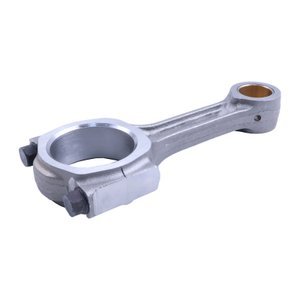
Block & Internal Parts
STD Connecting Rod for Komatsu 3D82 & Yanmar 3TN82E – Service Part
View Details
Block & Internal Parts
Crankshaft Seal 04102866 04175433 for Deutz Engine – Service Part
View Details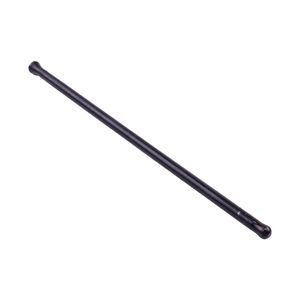
Block & Internal Parts
Push Rod 31434307 for Perkins 1004-40T Engine – High-Strength Replacement
View DetailsNeed a Custom Quote?
Our technical team responds within 24 hours. MOQ 1 piece. Ships to 120+ countries from our Guangzhou warehouse.