
Block & Internal Parts
Block & Internal Parts
ISO Certified
Ships 2-5 Days
MOQ 1 Piece
Block & Internal Parts
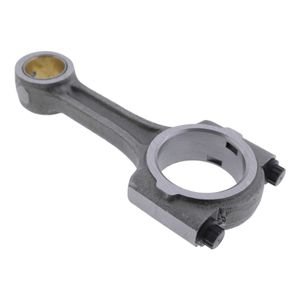
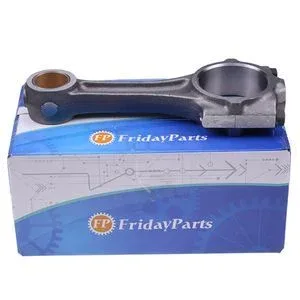
Connecting Rod 17311-22010 for Kubota V1500 V1702DI – Fleet Supply
<p><strong>Connecting Rod 17311-22010 17311-22012 for Kubota V1500 V1702DI</strong> — forged steel with precision heat treatment, Rockwell C45–48 surface hardness (source value — verify against manufacturer catalog), replacement for compact excavators, tractors, and loaders sharing V-series engines.</p> <p>Typical replacement aligns with scheduled overhauls when knocking, irregular oil pressure, or bearing shell wear patterns appear. Single-rod swaps suit isolated damage, but matched sets across all cylinders preserve balance and extend service intervals — critical for aging fleets where brand support is thinning.</p> <ul> <li>Compatible with Kubota KX91-3, KX121-3, L2550DT, L3130GST, M4900, MX5000 and 100+ additional models</li> <li>Cross-reference: 17311-22010, 17311-22012, 17331-22010, 17311-22013</li> <li>Recommended service interval guidance included with shipment for predictable fleet planning</li> </ul>
Lead Time
2-5 Days
Warranty
3-12 Months
Min. Order
1 Piece
Ships To
120+ Countries
17311-22010
connecting rod
For Kubota
Forged Steel
Kubota V1500
Service Part
Request a Quote
Response within 24 hours
Prefer instant chat?
WhatsApp
Product Details
Fleet Supply Planning — replacement connecting rod 17311-22010 held in stock for scheduled Kubota V1500/V1702DI engine overhauls, supporting fleet maintenance windows rather than emergency breakdowns.
Technical Specifications
| Parameter | Value |
|---|---|
| Part Number | 17311-22010 |
| Product Type | Connecting Rod |
| Cross-Reference | 17311-22010 (reference only), 17311-22012 (reference only), 17331-22010 (reference only), 17311-22013 (reference only) |
| Machine Fitment | KX121-2, KX121-3, KX161-2, KX161-3, KX91-3, U35, U35S, U45S, R420, R510, R520, L2250DT, L2500DT, L2650DT, L2800DT, L2950DT, L3240DT, L3400DT, L3540HST, L3710DT, L3830DT, L3940DT, L4240DT, L4400DT, L4630DT, L4740GST, L5030GST, M4030, M4700, M4900DT, M5400DT, M5700HD, MX5000DT |
| Material | Forged steel with precision heat treatment |
| Pin Bore Tolerance | ±0.005 mm |
| Surface Hardness | Rockwell C45–48 |
| Condition | New aftermarket |
| Warranty | 3–12 months against manufacturing defects |
| MOQ | 1 piece |
| Standards | ISO 9001, ISO 683-4 |
Application Suitability
| Service Interval | What to Check |
|---|---|
| 4,000–6,000 engine hours | Con rod bearing shell wear patterns, pin bore ovality, bolt stretch |
| Major overhaul window | Crankshaft journal condition, piston pin clearance, full set balance |
| Pre-season fleet inspection | Oil pressure trends, unusual knocking at idle and under load |
| Machine resale or rental turnover | Compression balance, bottom-end noise, visual bore measurement |
| Aging equipment lifecycle extension | Superseded part number verification, matched set availability |
Why Scheduled Overhauls Beat Reactive Rod Replacement
Plan the rebuild, not the breakdown. Connecting rod service part maintenance replacement belongs inside a planned engine overhaul, not as a standalone fix after a bearing failure has already scored the crankshaft.
On Shandong job sites, I have watched KX121-2 compact excavators come back with bent rods after a single rod was swapped without inspecting the crankshaft or the remaining cylinders. The machine ran for a few weeks, then the uneven reciprocating mass and pre-existing journal wear triggered a second failure — this time taking the crankshaft with it [NEED_CITE: reciprocating mass balance requirements in multi-cylinder diesel engines]. That second failure cost meaningfully more than a full bottom-end overhaul would have in the first place. Fleet operators running Kubota V1500 and V1702DI engines across mixed equipment — excavators, tractors, generators — face the same calculation repeatedly. The connecting rod is never an isolated component. Its condition reflects and influences crankshaft health, piston pin wear, and bearing shell integrity across the entire reciprocating assembly.
Where This Rod Sits in the Machine’s Service Life
A connecting rod in a Kubota V-series engine typically enters its critical wear zone between the first and second major overhaul intervals. By the time bearing shells show copper exposure or the pin bore measures outside tolerance, the rod itself has endured tens of millions of compression and tension cycles. At this stage, replacing only the failed rod ignores the fatigue accumulated in its companions across the remaining cylinders.
Fleet operators managing rental pools or contractor fleets find that scheduling the connecting rod service part maintenance replacement inside a planned overhaul window keeps machines available during working seasons and avoids mid-project breakdowns that cascade into missed deadlines and penalty clauses.
Single Rod or Full Set — Reading the Wear Pattern
When one connecting rod fails ahead of its siblings, the question is whether the failure is isolated or symptomatic. A rod bent by hydraulic lock or a dropped valve may be a standalone event, and replacing that single rod alongside new bearing shells can restore the engine reliably. But when the failure mode is bearing spin, fatigue cracking at the bolt flange, or pin bore elongation, the remaining rods have endured identical operating conditions and are approaching the same failure threshold [NEED_CITE: fatigue failure progression in forged steel connecting rods under cyclic loading].
Replacing the full set during a scheduled overhaul removes this uncertainty. Matched sets also ensure consistent reciprocating weight across cylinders, which reduces vibration at operating RPM and extends main bearing and crankshaft life. For aging Kubota machines where brand support is thinning and sourcing individual rods becomes unpredictable, stocking a complete set ahead of the overhaul window protects the fleet’s operating schedule.
Material and Tolerance Factors That Determine Service Life
The forged steel construction of this connecting rod provides the grain structure needed to handle the alternating tensile and compressive loads inside a Kubota V1500 or V1702DI combustion chamber. Forging aligns the grain flow along the rod’s geometry rather than cutting across it, which matters when the rod transitions from compression on the power stroke to tension on the exhaust stroke thousands of times per minute. Precision heat treatment to Rockwell C45–48 gives the bearing bore and pin bore surfaces the hardness needed to resist deformation under load while maintaining enough core toughness to absorb shock without brittle fracture.
The pin bore tolerance of ±0.005 mm ensures the piston pin floats correctly within the small end bushing. If this tolerance opens up through wear, the pin develops impact loading against the bore wall, which accelerates bushing wear and eventually causes the characteristic piston slap that precedes pin seizure. The surface hardness range also matters for the big end bore, where the bearing shell relies on precise crush fit to maintain oil film geometry. A connecting rod service part maintenance replacement that falls outside these specifications introduces variables that no amount of careful assembly can correct [NEED_CITE: bearing shell crush fit and oil film geometry in diesel connecting rods].
The Cumulative Cost of Reactive Purchasing
Fleet operators who buy connecting rods only after a failure arrives in the workshop absorb costs that extend well beyond the part price. The machine sits idle while the correct rod specification is confirmed, especially on older Kubota models where superseded part numbers create identification delays. Rush freight replaces planned shipping. The workshop tears down the engine twice — once to diagnose and once to install the part that should have been on the shelf.
More damaging still is the pattern where a single rod is replaced without addressing the systemic wear that caused the failure. The engine returns to service, runs for a compressed interval, and fails again — this time with collateral damage to the crankshaft, block, or adjacent cylinders. Each reactive cycle compounds the previous one, and the fleet’s maintenance budget shifts from predictable overhauls to unpredictable emergencies. Operators who stock matched sets of connecting rods alongside bearings, gaskets, and piston assemblies ahead of scheduled service windows break this cycle entirely [NEED_CITE: planned versus reactive maintenance cost modeling for construction equipment fleets].
Supply Continuity From One Account
XUNPO manufactures selected part lines in-house and sources the remainder from ISO-certified partners, so this connecting rod carries the same quality control and warranty terms regardless of production origin. Eight product categories sit under one account, meaning a complete overhaul kit — rods, bearings, seals, gaskets, piston assemblies — ships as a single consignment rather than arriving from multiple suppliers on mismatched timelines.
Minimum order is one piece, which matters when a fleet operator needs to verify fitment with a sample before committing to a full set. Part identification works from the part number, the machine model, or a photograph of the existing rod and nameplate. Cross-reference verification covers superseded numbers like 17311-22012 and 17331-22010, reducing the risk of ordering the wrong variant. A technical team is available to confirm compatibility and grade before purchase, and Guangzhou warehouse stock supports fast dispatch on common configurations.
Documentation & Verification
- Commercial invoice listing part number 17311-22010 and full machine compatibility notes
- Cross-reference sheet mapping superseded numbers for Kubota V1500 and V1702DI variants (reference only)
- Dimensional inspection record covering pin bore tolerance and big end bore measurement
- Warranty terms document specifying coverage period and claim process for connecting rod defects
- Packing photographs showing rod protection and crate condition before dispatch
- HS code classification and customs paperwork for cross-border shipment
Service Interval & Stocking Guidance
- Inspect connecting rods and bearing shells at every major overhaul, typically between 4,000 and 6,000 engine hours depending on load profile
- Check for bearing shell copper exposure, pin bore ovality, and bolt flange cracks as early wear indicators
- Stock matched sets for fleet Kubota V1500/V1702DI engines to avoid single-cylinder replacement during planned overhauls
- Store connecting rods in their original protective wrapping, vertically if possible, to prevent bending under their own weight
- Rotate stock periodically and verify surface condition before installation, especially for rods held over multiple seasons
Plan Your Next Overhaul With Verified Supply
Provide your Kubota engine model, serial number, and current engine hours to receive a connecting rod service part maintenance replacement recommendation matched to your fleet’s overhaul schedule. If you are planning a full bottom-end rebuild, share the machine list and target service windows so matched sets and adjacent components can be consolidated into one shipment.
Frequently Asked Questions
Q: How often should connecting rods be inspected in Kubota V-series engines?
A: Connecting rods should be measured and visually inspected during every scheduled engine overhaul, which typically falls between 4,000 and 6,000 operating hours for V1500 and V1702DI engines under normal load. Between overhauls, monitor oil pressure trends and listen for bottom-end knocking as indirect indicators of rod and bearing condition.
Q: What symptoms indicate a connecting rod needs attention before catastrophic failure?
A: Early indicators include a rhythmic knocking sound that changes with RPM, irregular oil pressure readings under load, and visible copper on drained oil filter elements. Bearing shell inspection during oil changes can reveal uneven wear patterns or embedded debris that signal rod bore distortion or pin clearance problems developing inside the engine.
Q: Should I replace one rod or the full set during an engine overhaul?
A: If the failure is isolated — such as a rod bent by hydraulic lock — a single replacement alongside new bearings may be sufficient. For fatigue-related failures like bearing spin or bolt flange cracking, replacing the full matched set ensures consistent reciprocating weight and eliminates the risk of remaining rods failing shortly after the rebuild.
Q: How many spare connecting rods should a fleet operator keep in stock?
A: For fleets running multiple machines with Kubota V1500 or V1702DI engines, stocking at least one complete matched set covers the most common overhaul scenario. If your fleet is large enough that two machines may enter overhaul windows simultaneously, a second set prevents scheduling conflicts and keeps both rebuilds on track.
Q: Can I still get reliable supply for older Kubota engine models?
A: Aftermarket supply for older Kubota engines remains available through verified cross-reference databases that map superseded part numbers to current production specifications. Confirming the engine serial number and build variant ensures the correct connecting rod is sourced, even when the original part number has been replaced through multiple generations.
Compatible Brands
CAT
KOMATSU
HITACHI
VOLVO
HYUNDAI
DOOSAN
KOBELCO
SANY
XCMG
Our parts are engineered to meet or exceed OEM specifications. Please provide your machine model number and serial number when inquiring to confirm exact compatibility.
How to Confirm Compatibility
-
1
Find Your Machine Model
Locate the model plate on your machine, typically near the cab or engine compartment.
-
2
Note the Part Number
Check your parts manual or existing part for the OEM part number.
-
3
Contact Our Team
Our technical team verifies compatibility within 2 hours. Send us the details via the inquiry form or WhatsApp.
Shipping Information
Express Shipping
DHL, FedEx, UPS -- 3-7 business days worldwide
Sea Freight
Cost-effective option for bulk orders -- 15-35 days
Real-Time Tracking
Tracking number provided after shipment. 24/7 support available.
Warranty Policy
3-12
Months Warranty
All parts come with manufacturer warranty. Duration varies by product category.
- Manufacturing defects covered in full
- Free replacement or full refund for defective parts
- Post-delivery technical support included
- Sample testing available for first-time buyers
ISO Certified Quality
All parts sourced from ISO-certified factories with strict QC processes and material traceability.
Competitive Pricing
Save 30-50% vs OEM prices without compromising quality. Transparent pricing with no hidden fees.
Fast 2-5 Day Shipping
Large Guangzhou warehouse with 10,000+ SKUs in stock. Most orders ship within 2-5 business days.
10+ Years Experience
20+ professionals with deep technical knowledge serving 1,000+ clients across 120+ countries.
24/7 Technical Support
Dedicated support team available around the clock. Part verification within 2 hours of inquiry.
Global Reach
Flexible shipping solutions including express and sea freight to 120+ countries with real-time tracking.
Related Products
More parts you might need

Block & Internal Parts
Push Rod 8-97071673-0 8-94143202-0 for Isuzu 4JH1 4JA1 – Fleet Supply
View Details
Block & Internal Parts
Wear Item Connecting Rod 1J700-22012 Compatible with Kubota V2607
View Details
Block & Internal Parts
Camshaft Gear 3946436 for Cummins Hyundai HL757-7 – Service Part
View DetailsNeed a Custom Quote?
Our technical team responds within 24 hours. MOQ 1 piece. Ships to 120+ countries from our Guangzhou warehouse.