

Block & Internal Parts
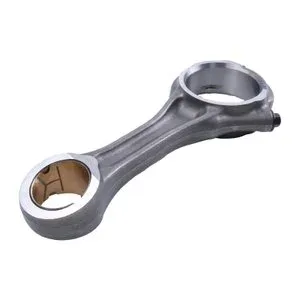
Block & Internal Parts
ISO Certified
Ships 2-5 Days
MOQ 1 Piece
Block & Internal Parts
Connecting Rod 4943977 for Cummins QSB6.7 – Scheduled Maintenance
<p><strong>Connecting Rod 4943977 for Cummins QSB6.7, New Aftermarket, ISO-Certified</strong> — compatible with QSB6.7 engines used in construction and mining equipment.</p> <ul> <li>Plan replacement at mid-life overhaul intervals; symptoms like abnormal oil consumption, knocking noise, or dropping oil pressure signal the need to inspect connecting rods and bearings</li> <li>Evaluate whether to replace rods individually or as a matched set alongside pistons, pins, and bearings to address root-cause wear across the crank mechanism</li> </ul> <p>Fleet maintenance schedules supported with ongoing supply for aging QSB6.7 platforms beyond thinning brand channels.</p>
Lead Time
2-5 Days
Warranty
3-12 Months
Min. Order
1 Piece
Ships To
120+ Countries
4943977
Aftermarket Part
connecting rod
Cummins Compatible
QSB6.7 Engine
Service Part
Request a Quote
Response within 24 hours
Prefer instant chat?
WhatsApp
Product Details
Fleet Stocking Strategy — Scheduled ordering for Connecting Rod 4943977 replacements prevents emergency air freight and keeps maintenance windows predictable across high-hour Cummins QSB6.7 fleets.
Technical Specifications
| Parameter | Value |
|---|---|
| Part Number | 4943977 |
| Product Type | Connecting Rod |
| Cross-Reference | 4943977 (reference only) |
| Machine Fitment | QSB6.7 |
| Condition | New Aftermarket |
| Quality Certification | ISO-Certified |
| Warranty | 3–12 months against manufacturing defects |
| Brand | FridayParts |
| Engine Model | QSB6.7 |
| Material | High-strength material with heat treatment |
Application Suitability
| Service Interval | What to Check |
|---|---|
| Mid-life overhaul planning | Inspect connecting rod bearing clearance, bushing wear, and bolt stretch |
| Predictive maintenance scheduling | Monitor oil consumption trends and crankcase blow-by for early rod bearing signals |
| Fleet-wide component rotation | Track hours on each QSB6.7 engine to anticipate connecting rod service windows |
| Older engine life extension | Verify crankshaft journal condition before committing to rod replacement |
Why Planned Procurement Beats Emergency Orders for This Connecting Rod
Scheduling your Connecting Rod 4943977 supply around known overhaul intervals eliminates the most expensive form of downtime — the kind nobody forecasted.
In mining camps across the Gulf region, I have watched QSB6.7 engines sit idle for weeks because a single connecting rod failure triggered an unplanned teardown, and nobody had the replacement on the shelf. Fleet managers who treat internal engine components as reactive purchases end up paying for expedited freight, rushed teardowns, and cascading schedule delays [NEED_CITE: planned versus reactive maintenance cost differentials in heavy diesel fleets]. The pattern repeats across construction and quarry operations where engines run high annual hours and failure tolerance is near zero.
A connecting rod rarely fails without warning. Oil pressure decay, abnormal knock at mid-range RPM, and rising oil consumption all signal that bearing clearance has opened beyond specification. By the time these symptoms reach the operator, damage to the crankshaft journal or adjacent cylinder walls may already be underway. Procurement planning that accounts for this Connecting Rod service part well before the failure window converts a crisis into a scheduled shop visit.
Where This Connecting Rod Sits in the Engine Service Life
The connecting rod occupies a critical position in the QSB6.7 power cylinder assembly, transferring combustion force from the piston to the crankshaft throughout every operating cycle. During the first major service interval, most rods remain within tolerance, but bearing surfaces and bushing bores accumulate wear that eventually demands attention. A fleet maintenance planner who tracks engine hours against known Connecting Rod service part replacement thresholds can align parts procurement with the next scheduled teardown, avoiding the premium costs and scheduling disruption of emergency sourcing.
Reading the Wear Signals Before Catastrophic Failure
Several measurable indicators precede connecting rod failure in Cummins QSB6.7 applications. Progressive oil consumption increase often traces to rod bearing clearance growth, which allows oil to escape past the bearing shell into the crankcase ventilation path [NEED_CITE: diesel engine oil consumption diagnostics and bearing wear correlation]. Metallic particle counts in routine oil analysis may show rising copper or lead content, pointing to bearing shell degradation before the rod itself is compromised. Knock or tap noises that appear under load and disappear at idle frequently indicate that bearing clearance has exceeded the damping capacity of the oil film. Catching these signals early means ordering the replacement rod and matched bearing set on a normal procurement timeline rather than an emergency one.
Heat Treatment and Material Selection for Sustained Loading
The high-strength material with heat treatment specified for this connecting rod addresses the cyclic tensile and compressive loading that defines rod service in turbocharged diesel applications. The QSB6.7 generates substantial peak cylinder pressure, and the connecting rod must resist both compressive buckling during the power stroke and tensile stretching during the exhaust intake transition. Heat treatment establishes the grain structure and surface hardness needed to endure these reversing loads over thousands of operating hours. Proper material selection directly influences whether the rod reaches its intended overhaul interval or requires premature attention during a mid-cycle inspection.
The Compounding Cost of Deferred Internal Parts Procurement
When a fleet operates without a connecting rod stocking plan, the consequences extend well beyond the price of the part itself. An unplanned rod failure can score the crankshaft journal, damage the piston skirt, and contaminate the lubrication system with metallic debris that accelerates wear in every other bearing surface [NEED_CITE: secondary damage propagation from connecting rod bearing failure in medium-displacement diesel engines]. What could have been a single-component replacement during a scheduled overhaul becomes a multi-component repair with extended machine downtime. For rental fleets and contract mining operations, that unplanned downtime carries penalty clauses and project delay costs that dwarf the parts expenditure many times over.
Why Fleet Operators Source This Component Through XUNPO
XUNPO maintains this Connecting Rod 4943977 as a catalog stocking item, meaning fleet planners can include it in annual procurement cycles without waiting for a failure event. The company operates its own production lines on selected part categories and sources remaining lines from ISO-certified manufacturing partners, with identical quality control and warranty terms applied across both channels. Cross-reference verification covers superseded and alternate numbers, so older fleet records remain traceable to current part availability. Technical support is available to confirm compatibility against specific engine serial numbers and to advise on matched component sets for overhaul planning. Minimum order starts at one piece, but volume stocking for fleet-wide maintenance programs is supported with consolidated documentation.
Documentation & Verification
- Commercial invoice and packing list matched to engine serial ranges
- Part compatibility sheet with cross-reference numbers marked reference only
- Dimensional and material inspection records per batch
- Warranty terms covering manufacturing defects for 3–12 months
- Packing photographs showing protective wrapping and crate condition
- HS code classification and customs documentation for international fleet shipments
Service Interval & Stocking Guidance
- Review connecting rod bearing clearance at each mid-life oil analysis interval to project replacement timing
- Stock one complete rod and bearing set per engine as minimum fleet reserve for QSB6.7 units past initial overhaul
- Store rods in original protective packaging with VCI paper to prevent bore surface corrosion
- Inspect crankshaft journals and piston pin bores before installing replacement rods to confirm mating surface condition
- Align procurement lead time with scheduled overhaul windows rather than waiting for in-service failure signals
Planning Your Next Overhaul Procurement
Provide your QSB6.7 engine serial numbers, current hour readings, and planned overhaul schedule to receive a component stocking recommendation that covers the connecting rod along with matched bearings, piston assemblies, and gasket sets for a complete service event.
Frequently Asked Questions
Q: How often should the connecting rod be inspected in a Cummins QSB6.7 engine?
A: Inspection should coincide with each scheduled mid-life or major overhaul interval, typically when the engine reaches the manufacturer-recommended hour threshold for top-end and bottom-end service. Oil analysis trends showing rising bearing metals or increasing consumption can signal the need for earlier inspection. Fleet operators benefit from aligning rod inspection with other internal component checks to avoid duplicate teardowns.
Q: What symptoms suggest a connecting rod may need replacement?
A: Progressive oil consumption increase, metallic particles in oil analysis, and knock or tap sounds under load all point toward rod bearing wear that may require rod service. Oil pressure that decays as the engine reaches operating temperature can indicate excessive bearing clearance. These symptoms warrant immediate inspection before damage extends to the crankshaft journal or cylinder walls.
Q: Should pistons and bearings be replaced at the same time as the connecting rod?
A: In most overhaul scenarios, replacing the connecting rod alongside matched piston assemblies, piston pins, and bearing shells ensures that all wear surfaces in the power cylinder are returned to specification simultaneously. Mixing new and worn components in the same cylinder can create uneven load distribution and accelerate wear on the newest part. Planning a complete cylinder pack simplifies procurement and improves overhaul outcomes.
Q: How many connecting rods should a fleet keep in reserve?
A: A practical baseline is one rod per engine for fleets operating QSB6.7 units in high-hour applications such as mining or heavy earthmoving. Larger fleets or those operating in remote locations may stock additional units to cover the possibility of multi-cylinder damage from a single failure event. Reserve quantities should reflect both engine count and the lead time required for resupply.
Q: Will this connecting rod remain available for older QSB6.7 engines?
A: XUNPO stocks this component as an ongoing aftermarket item independent of original equipment manufacturer production decisions. As long as QSB6.7 engines remain in service across construction, mining, and agricultural applications, supply continuity is maintained through both in-house production lines and qualified manufacturing partners. Fleet operators with aging equipment can plan long-term maintenance programs with confidence in parts availability.
Compatible Brands
CAT
KOMATSU
HITACHI
VOLVO
HYUNDAI
DOOSAN
KOBELCO
SANY
XCMG
Our parts are engineered to meet or exceed OEM specifications. Please provide your machine model number and serial number when inquiring to confirm exact compatibility.
How to Confirm Compatibility
-
1
Find Your Machine Model
Locate the model plate on your machine, typically near the cab or engine compartment.
-
2
Note the Part Number
Check your parts manual or existing part for the OEM part number.
-
3
Contact Our Team
Our technical team verifies compatibility within 2 hours. Send us the details via the inquiry form or WhatsApp.
Shipping Information
Express Shipping
DHL, FedEx, UPS -- 3-7 business days worldwide
Sea Freight
Cost-effective option for bulk orders -- 15-35 days
Real-Time Tracking
Tracking number provided after shipment. 24/7 support available.
Warranty Policy
3-12
Months Warranty
All parts come with manufacturer warranty. Duration varies by product category.
- Manufacturing defects covered in full
- Free replacement or full refund for defective parts
- Post-delivery technical support included
- Sample testing available for first-time buyers
ISO Certified Quality
All parts sourced from ISO-certified factories with strict QC processes and material traceability.
Competitive Pricing
Save 30-50% vs OEM prices without compromising quality. Transparent pricing with no hidden fees.
Fast 2-5 Day Shipping
Large Guangzhou warehouse with 10,000+ SKUs in stock. Most orders ship within 2-5 business days.
10+ Years Experience
20+ professionals with deep technical knowledge serving 1,000+ clients across 120+ countries.
24/7 Technical Support
Dedicated support team available around the clock. Part verification within 2 hours of inquiry.
Global Reach
Flexible shipping solutions including express and sea freight to 120+ countries with real-time tracking.
Related Products
More parts you might need


Need a Custom Quote?
Our technical team responds within 24 hours. MOQ 1 piece. Ships to 120+ countries from our Guangzhou warehouse.