
Belt Drive Systems
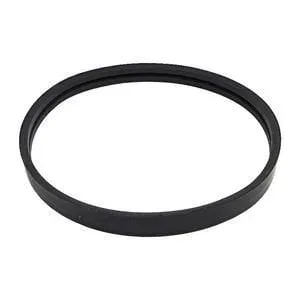
Drive Belt 106-4383 53-9660 for Toro Groundsmaster – Service Part
<p><strong>Drive Belt 106-4383 53-9660</strong> replacement for Toro Groundsmaster 322-D, 325-D, 327, 328-D, 345 and Lawn-Boy mowers — scheduled wear component for belt drive systems.</p> <ul> <li>Plan seasonal replacement intervals to avoid reactive downtime during peak mowing periods</li> <li>Inspect pulleys and tensioners when swapping belts to prevent secondary wear issues</li> <li>Supports aging Groundsmaster fleets as brand support narrows</li> </ul> <p>Cross-reference part numbers 106-4383, 53-9660, 265-896, and 23-1820 verified; replacement cycle guidance included with shipment.</p>
Lead Time
2-5 Days
Warranty
3-12 Months
Min. Order
1 Piece
Ships To
120+ Countries
Request a Quote
Response within 24 hours
Product Details
Fleet Stocking Plans — Drive belt service part / wear part / maintenance coverage for aging Groundsmaster fleets supported with ongoing aftermarket supply and interval-based replacement planning.
Technical Specifications
| Parameter | Value |
|---|---|
| Part Number | 106-4383 53-9660 |
| Product Type | Belt |
| Part Name | Drive Belt |
| Condition | New Aftermarket |
| Cross-Reference | 106-4383, 53-9660, 265-896, 23-1820 (reference only) |
| Machine Fitment | Groundsmaster 322-D, Groundsmaster 325-D, Groundsmaster 327, Groundsmaster 328-D, Groundsmaster 345, 30721, Lawn-Boy Mower |
| Brand Compatibility | Fits Toro and Lawn-Boy mowers |
| Warranty | 3-12 months against manufacturing defects |
| MOQ | 1 piece |
| Manufacturing Standard | ISO 9001 certified production partners |
Application Suitability
| Service Interval | What to Check |
|---|---|
| Pre-season inspection | Belt cracking, glazing, sidewall fraying, and tension loss across all Groundsmaster units |
| Mid-season replacement trigger | Slippage under load, reduced cutting efficiency, squealing at engagement |
| Off-season fleet overhaul | Pulley alignment, tensioner bearing play, and belt seating depth on 322-D through 345 models |
| Aging model support plan | Verify superseded numbers 265-896 and 23-1820 against current inventory for older 30721 units |
| Rental fleet turnover | Scheduled belt swap at each rental return to prevent field failures during peak mowing weeks |
Why Fleet Managers Keep Replacing the Same Belt Twice a Season
A snapped drive belt during peak mowing season idles equipment for days, not hours — especially when replacement was never scheduled.
Commercial mowing operations running Toro Groundsmaster fleets often treat belt replacement as a reactive event rather than a calendar item. The result is predictable: a machine goes down on a Monday morning, the part is on back-order, and the crew sits idle while grass keeps growing. Maintenance logs across municipal parks departments and golf course operations consistently show that drive belts replaced outside a planned interval fail again sooner because the underlying wear on tensioners and pulleys goes unaddressed [NEED_CITE: preventive maintenance scheduling for commercial turf equipment fleets].
Where the Drive Belt Sits in the Groundsmaster Service Life
A Drive Belt service part / wear part / maintenance item occupies a specific position in the Groundsmaster lifecycle: it is the most frequently replaced consumable in the belt drive system, yet it is routinely overlooked until failure forces the issue. On models like the 322-D and 328-D, the belt transmits engine torque directly to the cutting deck, meaning every hour of operation accumulates wear on the cord, sidewalls, and friction surface. Fleet managers who track operating hours find that belt condition degrades measurably each season, and the units still running original-equipment belts past their second year are the ones most likely to experience mid-job failures.
What Happens When Belts Run Past Their Service Window
Running a belt beyond its useful life does more than risk a snap. Glazed belts slip on pulleys, generating heat that accelerates pulley groove wear and puts lateral load on tensioner bearings. By the time a fleet supervisor notices reduced cutting performance, secondary damage is already accumulating. Pulleys worn by slipping belts will chew through a new belt in a fraction of the normal service window, turning what should be a single-component swap into a multi-part repair [NEED_CITE: belt drive system wear progression and secondary component damage in turf mowers]. This is why planning belt replacement around operating hours and seasonal peaks — and stocking accordingly — produces meaningfully better uptime across a fleet.
Reading the Specifications That Matter for Field Performance
The Drive Belt service part / wear part / maintenance designation covers a belt built to match the original dimensional profile for the listed Toro and Lawn-Boy mower models. Correct width and length ensure the belt seats properly in the pulley grooves without riding too high (which causes rapid sidewall wear) or too low (which reduces grip and promotes slippage). The cross-reference numbers 106-4383, 53-9660, 265-896, and 23-1820 represent superseded and alternate designations for the same fitment across different production years of Groundsmaster mowers. ISO 9001 certified manufacturing ensures dimensional consistency from batch to batch, which matters when a fleet operator is stocking belts for multiple machine generations. The 3-12 month warranty against manufacturing defects gives a baseline assurance window, though actual field life depends on operating conditions, tensioner health, and pulley condition.
The Cumulative Cost of Reactive Belt Procurement
Fleets that purchase drive belts only after a failure pay for that decision in ways beyond the part itself. Each unplanned downtime event costs the crew hours of lost mowing capacity during the exact weeks when demand is highest. Machines sent back out with a new belt but worn tensioners return with another failed belt weeks later, and the pattern repeats. Over a single mowing season, a fleet of ten Groundsmaster units managed reactively can accumulate enough unplanned downtime to equal losing one machine entirely [NEED_CITE: cost of unplanned downtime in municipal turf maintenance operations]. Shifting to interval-based replacement with pre-stocked inventory eliminates this cycle.
Why Source This Belt Through This Supply Channel
Production on selected lines and qualified sourced supply operate under one account and one warranty, so fleet buyers managing mixed-component orders deal with a single point of accountability. Eight product categories under one roof mean a complete seasonal maintenance order — belts, filters, seals, and adjacent wear items — ships as one consignment rather than arriving from multiple vendors on mismatched timelines. The one-piece minimum order removes the barrier for replacing a single belt on an emergency basis while still supporting bulk stocking for fleet-wide planned maintenance. Cross-reference verification covers superseded numbers like 265-896 and 23-1820, so older Groundsmaster models still receive correct fitment. Technical confirmation of compatibility and grade is available before commitment, reducing the risk of stocking the wrong variant across different machine generations.
Documentation & Verification
- Commercial invoice and packing list referencing belt part numbers and fleet order quantities
- Cross-reference sheet mapping 106-4383, 53-9660, 265-896, and 23-1820 to compatible Groundsmaster models (reference only)
- Quality inspection records confirming belt width, length, and dimensional tolerances per batch
- Warranty terms document covering 3-12 month manufacturing defect protection
- Packing photographs showing belt condition and packaging integrity before dispatch
- HS code classification and customs documentation support for international fleet orders
Service Interval & Stocking Guidance
- Inspect belts at season start for cracking, glazing, and sidewall fraying on all Groundsmaster units
- Schedule mid-season replacement for units showing tension loss or engagement squeal
- Stock one spare belt per machine minimum before peak mowing weeks begin
- Check pulley grooves and tensioner bearings whenever a belt is replaced to prevent early re-failure
- Store spare belts flat in a dry, temperature-stable environment away from direct sunlight and chemicals
- Verify superseded cross-reference numbers against inventory records when supporting older 30721 and 345 models
Planning Your Next Fleet Belt Order
To receive accurate fitment confirmation and stocking recommendations, share your Groundsmaster model designations, current operating hour ranges, and any existing inventory cross-reference numbers. This allows the supply team to verify compatibility across your specific machine generation and recommend stocking quantities aligned with your mowing season length and fleet size.
Frequently Asked Questions
Q: How often should the drive belt be replaced on a Groundsmaster mower?
A: Replacement intervals depend on operating hours and mowing conditions. Commercial units in daily use during peak season typically need belt inspection at season start and a planned replacement mid-season. Units running in abrasive or high-grass environments may require more frequent swaps. Tracking hours per machine and noting symptoms like slippage or squealing provides the most reliable basis for scheduling rather than relying on a fixed calendar date.
Q: What symptoms indicate the belt is nearing end of service life?
A: Visible cracking along the belt back, glazed or shiny friction surfaces, sidewall fraying, and a squealing sound at engagement all signal advanced wear. Reduced cutting efficiency under normal load often means the belt is slipping rather than gripping the pulley grooves. When these signs appear, replacement should be scheduled immediately rather than deferred, because a worn belt also accelerates pulley and tensioner damage.
Q: Should pulleys and tensioners be inspected or replaced at the same time?
A: Yes. Every belt replacement is an opportunity to check pulley groove wear and tensioner bearing condition. A worn pulley will degrade a new belt rapidly, and a seized or wobbly tensioner creates uneven belt tracking. Addressing these adjacent components during the same service event prevents the common pattern of a new belt failing within weeks of installation.
Q: How many spare belts should a fleet keep in stock for peak season?
A: A practical baseline is one spare belt per machine, with additional stock proportional to fleet size and the length of the mowing season. Operations running ten or more Groundsmaster units in daily commercial service typically benefit from stocking beyond the one-per-machine minimum. Back-order lead times during peak demand make advance stocking the most reliable approach to avoiding extended downtime.
Q: Can I still get replacement belts for older or discontinued Groundsmaster models?
A: Aftermarket supply continues for models where brand support has thinned, including older 30721 and early-generation Groundsmaster units. Cross-reference verification covering superseded numbers such as 265-896 and 23-1820 ensures correct fitment even when the original part number has been replaced across production years. Confirming machine model and serial range at the time of order provides the most reliable match.
Compatible Brands
Our parts are engineered to meet or exceed OEM specifications. Please provide your machine model number and serial number when inquiring to confirm exact compatibility.
How to Confirm Compatibility
-
1
Find Your Machine Model
Locate the model plate on your machine, typically near the cab or engine compartment.
-
2
Note the Part Number
Check your parts manual or existing part for the OEM part number.
-
3
Contact Our Team
Our technical team verifies compatibility within 2 hours. Send us the details via the inquiry form or WhatsApp.
Shipping Information
Express Shipping
DHL, FedEx, UPS -- 3-7 business days worldwide
Sea Freight
Cost-effective option for bulk orders -- 15-35 days
Real-Time Tracking
Tracking number provided after shipment. 24/7 support available.
Warranty Policy
All parts come with manufacturer warranty. Duration varies by product category.
- Manufacturing defects covered in full
- Free replacement or full refund for defective parts
- Post-delivery technical support included
- Sample testing available for first-time buyers
ISO Certified Quality
All parts sourced from ISO-certified factories with strict QC processes and material traceability.
Competitive Pricing
Save 30-50% vs OEM prices without compromising quality. Transparent pricing with no hidden fees.
Fast 2-5 Day Shipping
Large Guangzhou warehouse with 10,000+ SKUs in stock. Most orders ship within 2-5 business days.
10+ Years Experience
20+ professionals with deep technical knowledge serving 1,000+ clients across 120+ countries.
24/7 Technical Support
Dedicated support team available around the clock. Part verification within 2 hours of inquiry.
Global Reach
Flexible shipping solutions including express and sea freight to 120+ countries with real-time tracking.
Related Products
More parts you might need


Belt Drive Systems
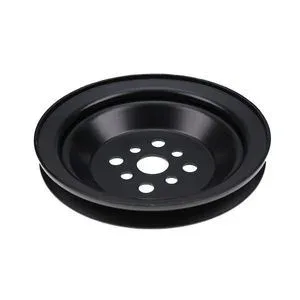
3919624 Fan Pulley – Service Part for Cummins & Hyundai Fleet Supply
View DetailsNeed a Custom Quote?
Our technical team responds within 24 hours. MOQ 1 piece. Ships to 120+ countries from our Guangzhou warehouse.