
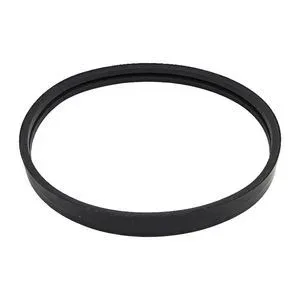
Belt Drive Systems
Drive Belt 106-4383 for Toro Groundsmaster 322-D to 345 – Service Part
<p><strong>Drive Belt 106-4383 for Toro Groundsmaster 322-D to 345, EPDM rubber compound with aramid cord reinforcement</strong> — planned wear component in commercial turf fleets. Typical replacement indicators include surface cracking, glazing, slippage noise and edge shedding. Replacing the belt alone while worn tensioners or pulley grooves remain in service shortens the new belt's service life. Fleet stocking by machine model reduces SKU count across compatible Groundsmaster and Lawn-Boy variants.</p> <ul> <li>Replacement interval guidance included with shipment for seasonal maintenance planning</li> </ul>
Lead Time
2-5 Days
Warranty
3-12 Months
Min. Order
1 Piece
Ships To
120+ Countries
Request a Quote
Response within 24 hours
Product Details
Fleet Stocking Strategy — Drive belt 106-4383 planned maintenance programs keep Toro Groundsmaster fleets running through peak mowing season without reactive parts ordering.
Technical Specifications
| Parameter | Value |
|---|---|
| Part Number | 106-4383 |
| Product Type | Drive Belt |
| Cross-Reference | 106-4383 (reference only), 53-9660 (reference only), 265-896 (reference only), 23-1820 (reference only) |
| Machine Fitment | Toro 72" Groundsmaster 322-D, Groundsmaster 325-D, Groundsmaster 327, Groundsmaster 328-D, Groundsmaster 345, Toro 30721, Lawn-Boy Mower |
| Material | EPDM rubber compound with aramid cord reinforcement |
| Operating Temperature | Up to 120°C |
| Hardness | Shore A 65–70 |
| Length Tolerance | ±1.2 mm |
| V-Profile Angle Tolerance | ±0.5° |
| Condition | New Aftermarket |
| Standards | ISO 9001, ISO 4184, SAE J149 |
| Warranty | 6 months against manufacturing defects |
Application Suitability
| Service Interval | What to Check |
|---|---|
| Pre-season fleet preparation | Belt surface cracking, glazing, tensile cord separation on all Groundsmaster units |
| Every 200–400 operating hours | V-profile wear depth, tensioner pulley bearing play, sheave groove condition |
| Post-incident replacement | Adjacent idler pulleys, belt guides, tension spring fatigue before installing new belt |
| End-of-season audit | Remaining belt inventory against next season’s projected fleet utilization hours |
Why Fleets Run Out of Belts When They Need Them Most
Commercial turf operations discover belt shortages during peak cutting season, not before. A Toro Groundsmaster 322-D sitting idle because the maintenance shed lacks a single drive belt 106-4383 represents lost contract revenue and schedule pressure on the entire fleet. The pattern repeats across municipal grounds departments and golf course maintenance operations every year [NEED_CITE: preventive maintenance planning for commercial turf equipment fleets].
The disconnect stems from treating belts as emergency purchases rather than scheduled consumables. When a belt snaps mid-shift, the procurement cycle begins from zero—identifying the correct part number, confirming machine compatibility across Groundsmaster variants, waiting for delivery. That machine stays down through the entire sourcing window while grass keeps growing on the properties you are contracted to maintain.
Where This Belt Sits in the Machine’s Service Life
A drive belt occupies a predictable position in the maintenance cycle of any Groundsmaster fleet. EPDM rubber compounds with aramid reinforcement degrade through heat cycling, flex fatigue, and abrasive contamination from mowing debris. The wear progression follows a curve that experienced superintendents can read visually—surface checking appears first, followed by sidewall glazing, then tensile cord exposure at the wear limit.
Planning belt replacement around these observable stages rather than waiting for catastrophic failure transforms an unpredictable emergency into a scheduled line item. Fleet operators running multiple Groundsmaster 322-D through 345 units standardize on this single belt part number, reducing inventory complexity while covering the machines that dominate commercial turf fleets [NEED_CITE: commercial grounds equipment fleet standardization practices].
Reading the Wear Signs Before the Belt Fails
Belt failure rarely happens without warning. The EPDM compound develops transverse cracks across the back surface as it ages through thermal cycling up to 120°C during continuous summer operation. Sidewall glazing—visible as a hardened, shiny surface on the V-profile contact faces—indicates the rubber has lost its grip characteristics and slippage will accelerate wear on both the belt and the driven sheaves.
A tensioner pulley with worn bearings introduces oscillating loads that no belt can withstand long-term. Replacing the drive belt 106-4383 without inspecting the tensioner, idler pulleys, and sheave grooves invites premature failure of the new belt. The worn component that killed the first belt will kill the second one on an accelerated timeline if left unaddressed during the service event [NEED_CITE: belt drive system failure analysis for rotating equipment].
Fleet-level thinking means evaluating the entire belt drive path as a system. When one Groundsmaster comes in for belt replacement, the maintenance team checks all adjacent wear points and replaces components showing early-stage degradation before they cause a second unplanned stop.
Material Properties That Matter in Continuous Turf Operations
The EPDM rubber compound resists ozone cracking and heat aging far better than standard chloroprene alternatives, maintaining Shore A 65–70 hardness through extended exposure to engine bay temperatures. Aramid cord reinforcement provides dimensional stability under load—the belt does not stretch permanently during clutch engagement cycles or when the mower deck encounters dense grass that spikes torque demand.
Length tolerance held to ±1.2 mm ensures consistent tracking across the sheave set. A belt that runs outside this tolerance will walk off-center and contact the belt guide, generating localized abrasion that initiates edge failure. The V-profile angle tolerance of ±0.5° determines how fully the belt seats in the sheave groove; poor seating concentrates load on the belt corners rather than distributing it across the full sidewall contact area.
These specifications translate directly to service life in the field. A belt that maintains dimensional accuracy through its operating life delivers predictable replacement intervals rather than surprise failures that cascade through the weekly mowing schedule.
The Compounding Cost of Reactive Belt Purchasing
Fleets that buy belts only when they break accumulate hidden costs across the season. Each emergency purchase means a machine sits idle through the procurement and delivery cycle while contracted properties grow past specification. The crew redistributes that machine’s workload onto remaining units,*cles.
A Groundsmaster 328-D down for a week during peak season is not just one machine offline—it is a capacity reduction that ripples through route scheduling, crew deployment, and contract compliance. The reactive purchasing habit compounds because the overstressed machines fail faster, generating more emergency orders and more downtime in a degrading cycle [NEED_CITE: equipment availability impact on commercial landscaping contract performance].
Why Source This Belt Through XUNPO
Own production and qualified sourced supply operate under one warranty account, so whether the drive belt 106-4383 comes from our production line or a certified partner, the QC terms remain identical. Eight product categories ship under one account, meaning belts order alongside filters, blades, spindle assemblies, and hydraulic hoses for consolidated fleet provisioning.
Single-piece minimum order quantity lets you top up stock for one specific Groundsmaster variant without committing to bulk purchases across the full fleet range. Guangzhou warehouse stock enables fast dispatch on common belt sizes. The technical team verifies machine compatibility from model designation, serial number, or nameplate photograph when belt identification is uncertain. Cross-reference verification covers the superseded numbers 53-9660, 265-896, and 23-1820 to confirm fitment across model generations.
Documentation & Verification
- Commercial invoice listing all belt quantities by machine model for fleet allocation tracking
- Cross-reference sheet mapping 106-4383, 53-9660, 265-896, and 23-1820 as reference only
- Quality inspection record confirming Shore A hardness, length tolerance, and V-angle on sampled belts
- Warranty terms document covering six months against manufacturing defects with claim procedure
- Packing photographs showing belt condition and labeling before crate closure
- HS code declaration supporting customs clearance for international turf equipment parts shipments
Service Interval & Stocking Guidance
- Replace drive belt 106-4383 when surface cracking exceeds 2–3 mm depth or glazing covers sidewalls
- Check tensioner pulley bearing play and sheave groove wear at every belt inspection event
- Stock one belt per machine for peak season, plus additional units for high-hour Groundsmaster 322-D units
- Store belts away from direct sunlight and ozone sources to prevent premature EPDM degradation
- Record installation date and machine hours at fitment to track actual service life per unit
- Audit remaining stock at season end against next year’s fleet composition and projected utilization
Planning Your Fleet’s Belt Requirements
Provide your Groundsmaster fleet composition including model variants and approximate operating hours per unit. We confirm drive belt 106-4383 compatibility across your specific machines and provide stocking recommendations aligned with your maintenance schedule and season length.
Frequently Asked Questions
Q: How many operating hours before a Groundsmaster drive belt needs inspection?
A: Inspect the drive belt every 200–400 hours depending on operating conditions. Dust-heavy environments and continuous high-load mowing accelerate wear on the EPDM compound. Look for transverse cracking on the back surface, sidewall glazing, and tensile cord exposure. Replace when wear indicators appear rather than waiting for failure.
Q: Should the tensioner pulley be replaced with the belt?
A: Check tensioner bearing play and pulley surface condition during every belt service. A worn tensioner introduces oscillating loads that destroy new belts rapidly. If the bearing shows roughness or the pulley surface is grooved, replace both components together to avoid premature repeat failure of the belt drive system.
Q: What adjacent parts should be checked when changing the belt?
A: Inspect idler pulleys for bearing wear, sheave grooves for hook wear or edge rounding, belt guides for abrasion marks, and tension springs for fatigue. Any worn component in the belt path will shorten new belt life. Addressing the full system during one service event prevents return visits.
Q: How do I confirm this belt fits multiple Groundsmaster models in my fleet?
A: The part number 106-4383 covers Groundsmaster 322-D through 345 variants and select Lawn-Boy mowers. Provide your specific machine models and serial numbers so we verify fitment against cross-reference data covering superseded numbers 53-9660, 265-896, and 23-1820.
Q: Will belts for older Groundsmaster models remain available?
A: We maintain supply for legacy Groundsmaster units through cross-reference verification of superseded part numbers. Fleet operators running older machines past thinning manufacturer support can confirm continued availability by providing model designations for compatibility verification.
Compatible Brands
Our parts are engineered to meet or exceed OEM specifications. Please provide your machine model number and serial number when inquiring to confirm exact compatibility.
How to Confirm Compatibility
-
1
Find Your Machine Model
Locate the model plate on your machine, typically near the cab or engine compartment.
-
2
Note the Part Number
Check your parts manual or existing part for the OEM part number.
-
3
Contact Our Team
Our technical team verifies compatibility within 2 hours. Send us the details via the inquiry form or WhatsApp.
Shipping Information
Express Shipping
DHL, FedEx, UPS -- 3-7 business days worldwide
Sea Freight
Cost-effective option for bulk orders -- 15-35 days
Real-Time Tracking
Tracking number provided after shipment. 24/7 support available.
Warranty Policy
All parts come with manufacturer warranty. Duration varies by product category.
- Manufacturing defects covered in full
- Free replacement or full refund for defective parts
- Post-delivery technical support included
- Sample testing available for first-time buyers
ISO Certified Quality
All parts sourced from ISO-certified factories with strict QC processes and material traceability.
Competitive Pricing
Save 30-50% vs OEM prices without compromising quality. Transparent pricing with no hidden fees.
Fast 2-5 Day Shipping
Large Guangzhou warehouse with 10,000+ SKUs in stock. Most orders ship within 2-5 business days.
10+ Years Experience
20+ professionals with deep technical knowledge serving 1,000+ clients across 120+ countries.
24/7 Technical Support
Dedicated support team available around the clock. Part verification within 2 hours of inquiry.
Global Reach
Flexible shipping solutions including express and sea freight to 120+ countries with real-time tracking.
Related Products
More parts you might need

Belt Drive Systems
Belt Set 50-00178-16 50-00162-25 50-00178-27 – Scheduled Maintenance
View Details
Need a Custom Quote?
Our technical team responds within 24 hours. MOQ 1 piece. Ships to 120+ countries from our Guangzhou warehouse.