
Belt Drive Systems
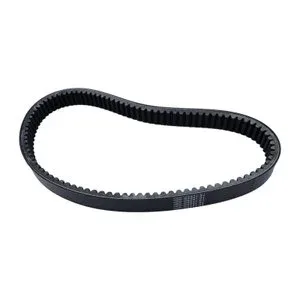
Drive Clutch Belt J0D-G6241-00-00 for Yamaha Drive2 – Service Part
<p><strong>J0D-G6241-00-00 Drive Clutch Belt, Aramid-Reinforced, 22.5° V-Angle</strong> — replacement for Yamaha Drive2 gas golf carts (2017–2025).</p> <p>Typical wear signs include slippage, hesitation under acceleration, and chirping noise from the CVT housing. Replacing the belt on a scheduled interval avoids secondary clutch sheave damage and keeps fleet turnaround predictable. Aramid reinforcement maintains dimensional stability across repeated heat cycles in stop-start duty.</p> <ul> <li>Fits Yamaha Drive2 gas models 2017 through 2025</li> <li>±0.3 mm dimensional tolerance for consistent sheave engagement</li> <li>Planned replacement supports aging fleet life extension</li> </ul> <p>Suggested service intervals and fleet stocking guidance provided with each order.</p>
Lead Time
2-5 Days
Warranty
3-12 Months
Min. Order
1 Piece
Ships To
120+ Countries
Request a Quote
Response within 24 hours
Product Details
Stocking Guidance — Drive clutch belt consumption rates mapped to Yamaha Drive2 fleet operating cycles for predictable replenishment
Technical Specifications
| Parameter | Value |
|---|---|
| Part Number | J0D-G6241-00-00 |
| Product Type | Belt |
| Cross-Reference | J0DG62410000 (for identification purposes) |
| Machine Fitment | Yamaha Drive2 Gas Golf Cart (2017-2025) |
| V-Angle | 22.5° |
| Dimensional Tolerance | ±0.3 mm |
| Material | Aramid-reinforced rubber compound |
| Condition | New Aftermarket |
| Warranty | 3–12 months against manufacturing defects |
| MOQ | 1 piece |
| Standard | ISO 9001 |
Application Suitability
| Service Interval | What to Check |
|---|---|
| 250-350 operating hours | Belt sidewall glazing and cord fraying |
| Annual pre-season inspection | Clutch sheave face wear and belt seating depth |
| Post-failure inspection | Driven clutch spring tension and slide bush condition |
| Multi-cart fleet rotation | Date-coded installation records per unit |
Planning Replacements Before the CVT Stops Working
A scheduled Drive Clutch Belt service part maintenance swap prevents the cascading clutch damage that reactive replacements always carry.
Fleet operators routinely lose more downtime to secondary CVT damage than to the belt itself. When a Yamaha Drive2 gas golf cart belt snaps under load, the sudden loss of tension can score sheave faces and deform clutch weights, turning a routine wear-item swap into a full clutch assembly rebuild. I have seen maintenance logs where a single snapped belt forced three carts out of rotation for a week because the secondary damage was not diagnosed until teardown [NEED_CITE: CVT belt failure secondary damage patterns in small displacement utility vehicles].
Where This Belt Sits in the Drive2 Service Life
The Yamaha Drive2 CVT uses this belt as the sole torque-transfer link between engine output and rear axle. Every start from a standstill, every hill climb on a golf course fairway, and every loaded shuttle run cycles the belt through high-slip engagement and full-grip cruise. Aramid-reinforced rubber compounds handle the heat better than standard polyester cords, but the 22.5° V-angle sidewalls still wear against the sheave faces with every engagement cycle. Drive Clutch Belt service part maintenance belongs on the same preventive schedule as oil changes and brake inspections — not on the emergency repair list after a cart goes down mid-round.
Recognizing Wear Before It Becomes Failure
Sidewall glazing is the first visible sign. The belt surface develops a hard, shiny skin that reduces grip and increases slip-generated heat. Next comes cord fatigue — individual aramid strands begin to separate and push through the rubber matrix, visible as small bumps along the belt edge. Operators report inconsistent acceleration or a feeling that the cart is "hunting" for the right ratio. These Drive Clutch Belt service part maintenance signals appear weeks before catastrophic failure, giving fleet supervisors time to schedule replacement during off-hours rather than reacting to a stranded cart on the eighth tee [NEED_CITE: CVT belt wear progression indicators for fleet maintenance scheduling].
Material Behavior Under Stop-Start Duty
The aramid-reinforced rubber compound in this belt addresses the specific thermal profile of golf cart CVT operation. Unlike highway-vehicle belts that reach steady-state temperature, a golf cart belt experiences repeated cold-to-hot cycles as it engages and disengages hundreds of times per shift. The ±0.3 mm dimensional tolerance ensures the belt seats correctly in the sheave groove without bottoming out or riding too high, both of which accelerate wear. The 22.5° V-angle must match the sheave groove angle precisely; a mismatch of even a degree concentrates load on the belt edge and cuts service life short.
The Cost of Reactive Belt Procurement
Waiting for a belt to fail before ordering a replacement guarantees the cart is down during peak usage hours. The repair then requires not just a new belt but inspection and likely replacement of clutch sheaves, weights, and slide bushings — components that a timely belt swap would have preserved. Fleet operators who stock this belt as a planned consumable avoid the compound downtime that turns a fifteen-minute belt swap into a multi-day clutch teardown. Reactive purchasing also means paying expedited freight for a single belt, whereas planned procurement allows consolidation with other scheduled maintenance parts [NEED_CITE: fleet maintenance cost comparison reactive versus preventive part replacement].
Why Source This Drive Clutch Belt Through XUNPO
XUNPO produces selected part lines in-house and sources the remainder from ISO 9001-certified manufacturing partners, so every belt ships under the same quality control and warranty terms regardless of production origin. The 10,000+ SKU catalog across eight categories means a fleet maintenance order — belts, filters, brake pads, and seal kits — consolidates into one shipment with one commercial invoice. The Guangzhou warehouse stocks fast-moving wear items for quick dispatch, and the technical team verifies machine model year and serial prefix to confirm exact fitment before the order ships. Sample supply is available for fitment confirmation before a fleet commits to a bulk order.
Documentation & Verification
- Commercial invoice listing each belt by J0D-G6241-00-00 identifier and machine compatibility
- Cross-reference sheet mapping J0DG62410000 interchange numbers marked as reference only
- Dimensional inspection record confirming V-angle and tolerance per batch
- Warranty terms covering manufacturing defects for 3–12 months
- Packing photographs documenting belt condition before crate closure
Service Interval & Stocking Guidance
- Replace the Drive Clutch Belt service part maintenance item at 250-350 operating hours or annually, whichever arrives first
- Inspect sidewall glazing and cord separation every 100 hours on carts in heavy rotation
- Stock one spare belt per three carts in active fleet service for immediate rotation
- Store unused belts flat in a cool, dark environment away from ozone sources
- Tag each installed belt with date and cart serial number for interval tracking
Requesting a Fitment-Verified Quote
Provide your Yamaha Drive2 model year, fleet size, and current operating hour averages so the technical team can confirm compatibility and recommend a stocking quantity aligned with your maintenance cycle. Photographs of the existing belt and clutch nameplate help verify the exact serial prefix when model year alone is insufficient. Include any adjacent CVT components you plan to service simultaneously for consolidated dispatch planning.
Frequently Asked Questions
Q: How often should the drive clutch belt be replaced on a Yamaha Drive2?
A: Plan replacement at 250-350 operating hours or once per year for carts in regular rotation. High-use rental fleets with multiple daily cycles may need shorter intervals. Inspect sidewall condition at every 100-hour service point to catch glazing or cord separation early. Operating environment, load weight, and terrain all shift the actual replacement window.
Q: What symptoms indicate the belt needs replacement rather than adjustment?
A: Sidewall glazing, visible cord separation, and inconsistent acceleration under load all point to belt wear that adjustment cannot fix. Clutch sheave play and spring tension are separate issues. If the belt surfaces look hardened or shiny and the cart hesitates during engagement, replacement is the correct intervention regardless of clutch adjustment status.
Q: Should I replace just the belt or service the full clutch assembly?
A: If the belt is replaced on schedule before catastrophic failure, the clutch assembly typically needs only cleaning and inspection. When a belt breaks under load, sheave faces, clutch weights, and slide bushings often sustain damage requiring full teardown. Planned belt replacement protects the more expensive clutch components from secondary damage.
Q: How many spare belts should a fleet keep on hand?
A: One spare per three active carts is a practical baseline for fleets operating on scheduled maintenance cycles. Rental operations with higher daily usage may benefit from one spare per two carts. Factor in supplier lead times and your own maintenance scheduling windows when setting stocking levels.
Q: Will this belt still be available for older Drive2 model years?
A: The Yamaha Drive2 gas platform introduced in 2017 continues through current production, and aftermarket support for the CVT belt is well established. XUNPO verifies fitment against your specific model year and serial prefix before confirming orders, covering early production units through the latest build years.
Compatible Brands
Our parts are engineered to meet or exceed OEM specifications. Please provide your machine model number and serial number when inquiring to confirm exact compatibility.
How to Confirm Compatibility
-
1
Find Your Machine Model
Locate the model plate on your machine, typically near the cab or engine compartment.
-
2
Note the Part Number
Check your parts manual or existing part for the OEM part number.
-
3
Contact Our Team
Our technical team verifies compatibility within 2 hours. Send us the details via the inquiry form or WhatsApp.
Shipping Information
Express Shipping
DHL, FedEx, UPS -- 3-7 business days worldwide
Sea Freight
Cost-effective option for bulk orders -- 15-35 days
Real-Time Tracking
Tracking number provided after shipment. 24/7 support available.
Warranty Policy
All parts come with manufacturer warranty. Duration varies by product category.
- Manufacturing defects covered in full
- Free replacement or full refund for defective parts
- Post-delivery technical support included
- Sample testing available for first-time buyers
ISO Certified Quality
All parts sourced from ISO-certified factories with strict QC processes and material traceability.
Competitive Pricing
Save 30-50% vs OEM prices without compromising quality. Transparent pricing with no hidden fees.
Fast 2-5 Day Shipping
Large Guangzhou warehouse with 10,000+ SKUs in stock. Most orders ship within 2-5 business days.
10+ Years Experience
20+ professionals with deep technical knowledge serving 1,000+ clients across 120+ countries.
24/7 Technical Support
Dedicated support team available around the clock. Part verification within 2 hours of inquiry.
Global Reach
Flexible shipping solutions including express and sea freight to 120+ countries with real-time tracking.
Related Products
More parts you might need


Belt Drive Systems
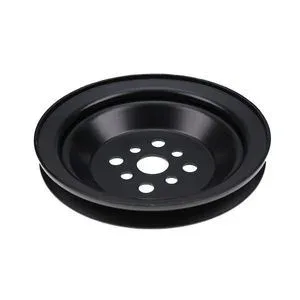
3919624 Fan Pulley – Service Part for Cummins & Hyundai Fleet Supply
View DetailsNeed a Custom Quote?
Our technical team responds within 24 hours. MOQ 1 piece. Ships to 120+ countries from our Guangzhou warehouse.