
Belt Drive Systems
Main Pump Drive Belt 6667322 for Bobcat Loaders – Fleet Supply
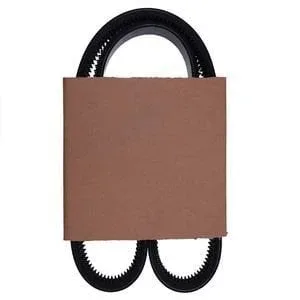
<p><strong>Main Pump Drive Belt 6667322</strong> — replacement for Bobcat skid steer and compact track loaders, 3-groove cogged design with fiber-loaded backing</p> <ul> <li>Fits models 653, 751, S130, S150, S160, S175, S185, S205, T140, T180, T190</li> <li>Plan replacement at early signs of cracking, glazing, or tension loss on cogged grooves to prevent hydraulic pump drive failure mid-shift</li> <li>Pair belt swaps with tensioner and pulley inspections to avoid repeat failures from worn adjacent components</li> <li>Stocking ahead of seasonal peaks keeps rental fleets and multi-unit contractors on schedule</li> </ul> <p>Replacement cycle guidance included with each consignment for predictable fleet maintenance planning.</p>
Lead Time
2-5 Days
Warranty
3-12 Months
Min. Order
1 Piece
Ships To
120+ Countries
Request a Quote
Response within 24 hours
Product Details
Lifecycle Planning — replacement interval guidance ships with every 6667322 belt order to keep fleet service schedules on track
Technical Specifications
| Parameter | Value |
|---|---|
| Part Number | 6667322 |
| Product Type | Belt |
| Cross-Reference | 6667322 (reference only) |
| Machine Fitment | 653, 751, S130, S150, S160, S175, S185, S205, T140, T180, T190 |
| Design | Flat, cogged drive belt with 3 grooves |
| Backing Construction | Fiber-loaded backing with additional cord support |
| Condition | New Aftermarket |
| Warranty | 3-12 months against manufacturing defects |
| MOQ | 1 piece |
| Manufacturing Standard | ISO-certified production |
Application Suitability
| Service Interval | What to Check |
|---|---|
| Routine preventive maintenance | Belt tension, groove cracking, and glazing on cogged surfaces |
| Seasonal fleet turnaround | Pulley alignment and tensioner spring pressure before new belt installation |
| Hydraulic system service milestones | Full belt drive path inspection including adjacent idlers and mounts |
| Aging loader continuation (653, 751) | Cross-reference verification against machine serial range |
Why Fleets Keep Reacting to Belt Snaps Instead of Planning Ahead
Most belt failures on Bobcat loaders are preventable with interval-based stocking and scheduled replacement.
A snapped main pump drive belt turns a routine wear-part swap into an unplanned machine-down event, often stranding a loader mid-job on a grading site or quarry floor. I have seen Bobcat S175 units sit idle for days because the fleet had no spare belt on the shelf, and when the replacement finally arrived, the tensioner was already worn — burning through the new belt within weeks [NEED_CITE: preventive maintenance scheduling for mobile hydraulic equipment drive systems]. The cost is never just the belt itself; it is the lost production hours, the rushed freight charges, and the repeat failure that follows a partial fix. A Main Pump Drive Belt service part for Bobcat loader maintenance belongs in a planned inventory, not in a panic order.
Where the Belt Sits in the Loader Service Lifecycle
The main pump drive belt occupies a critical position in every Bobcat skid steer and compact track loader’s service life. It transfers engine output directly to the hydraulic main pump, meaning any slip or failure immediately affects every hydraulic function the operator relies on — lift, tilt, steer, and auxiliary circuits. A Main Pump Drive Belt service part for Bobcat loader maintenance should be replaced on a predictable cycle rather than run to failure, because the downstream consequences of a sudden snap extend beyond the belt itself. Sudden loss of pump drive can shock-load hydraulic fittings and couplings, especially on units that have accumulated significant operating hours.
Wear Progression and the Window for Planned Replacement
Cogged drive belts like this one show visible aging signs long before catastrophic failure sets in. Cracking along the groove roots, surface glazing on the contact faces, and progressive tension loss all signal that the belt is approaching end-of-life. On Bobcat S175 and T190 units running in dusty construction or quarry environments, contamination accelerates groove wear noticeably [NEED_CITE: belt wear progression indicators in construction equipment drive systems]. Replacing the belt during a scheduled service window — ideally aligned with hydraulic fluid and filter changes — consolidates downtime into a single planned event. Fiber-loaded backing with cord support gives this belt meaningful heat resistance under continuous pump load, but even well-constructed belts reach their service limit when tensioner and pulley condition are ignored.
Reading the Specs That Matter for Drive Belt Longevity
The flat cogged design with 3 grooves is not a generic choice — it matches the specific pulley profile and power transmission requirement of the Bobcat main pump drive arrangement. The three-groove configuration distributes load across multiple contact surfaces, reducing heat buildup per groove and extending usable service life compared to single-groove alternatives under the same pump load. Fiber-loaded backing resists the thermal degradation that plain rubber compounds suffer when the engine compartment runs hot during sustained grading or trenching cycles. The additional cord support embedded in the backing provides tensile strength that prevents the belt from stretching beyond recovery, which is the primary cause of tension loss on high-hour loaders. These construction details matter because a belt that holds its geometry longer reduces the frequency of mid-cycle adjustments and the risk of unexpected slippage under peak hydraulic demand.
The Hidden Cost of Replacing the Belt Without Inspecting the Drive Path
Swapping only the belt while leaving a worn tensioner or misaligned pulley in place is one of the most common reasons fleets experience repeat drive failures within weeks of a replacement. I recall a contractor who went through three belts on a single Bobcat S185 before someone finally checked the tensioner bearing — it was seized and had been grinding the belt from the inside out. Each unplanned downtime event on a working construction site carries compounding costs: operator idle time, rescheduled subcontractor visits, and penalty clauses on time-bound contracts [NEED_CITE: cost impact of unplanned equipment downtime in construction operations]. A belt replaced in isolation, without verifying the full drive path, is not maintenance — it is a reaction that buys very little running time.
Why Source This Belt Through XUNPO
Own production on selected lines plus qualified sourced supply means this belt ships under the same quality control and warranty terms as every other component in our catalog. Eight categories of Bobcat-compatible parts — from engine internals to seal kits to undercarriage — all move under one account and one consolidated dispatch, so a fleet service order ships complete rather than in fragments. Minimum order from one piece supports the rental company that needs a single emergency spare and the contractor stocking for twenty units alike. Guangzhou warehouse stock on common wear items means fast dispatch for units like the S175 and T190 that see heavy field use. Part identification from machine model, photograph, or nameplate image resolves the situation where the old belt is too worn to read its number. Cross-reference verification covers superseded and alternate numbers, so legacy Bobcat models like the 653 and 751 remain supported through the same supply channel. Technical team availability for compatibility and grade confirmation prevents ordering errors before they turn into return shipments.
Documentation & Verification
- Commercial invoice and packing list referencing 6667322 cross-reference (reference only)
- Part compatibility sheet listing confirmed Bobcat loader serial ranges
- Dimensional and visual quality inspection record for each belt batch
- Warranty terms covering manufacturing defects for 3 to 12 months
- Packing photographs showing belt condition before dispatch
- HS code and customs documentation support for cross-border shipments
Service Interval & Stocking Guidance
- Inspect belt groove condition and tension at every scheduled hydraulic service interval
- Look for cracking along groove roots and glazing on contact faces as replacement triggers
- Stock one belt per active Bobcat unit plus additional spares for rental turnaround inventory
- Store belts in a cool, dry environment away from direct sunlight and chemical exposure
- Verify tensioner and pulley condition before installing the replacement belt
- Align belt replacement timing with hydraulic filter and fluid service milestones
Requesting a Fleet Maintenance Quote
Share your Bobcat loader model list, approximate service hours per unit, and any upcoming maintenance windows. We will confirm the 6667322 cross-reference (reference only) against your specific machine serial ranges and recommend stocking quantities based on fleet size and operating conditions. If your fleet includes legacy units like the 653 or 751, let us know so we can verify long-term supply continuity for those platforms as part of the same maintenance plan.
Frequently Asked Questions
Q: How often should the main pump drive belt be replaced on a Bobcat S175 under normal operating conditions?
A: Replacement timing depends on operating environment and accumulated hours. Units working in dusty quarry or demolition conditions typically need earlier attention than those in clean warehouse applications. We recommend inspecting groove condition and tension at every hydraulic service milestone and stocking replacement belts ahead of predictable consumption windows.
Q: What wear signs indicate the belt is approaching end-of-life before a catastrophic snap?
A: Cracking along the groove roots, visible glazing on the contact surfaces, and progressive tension loss despite adjustment attempts all signal approaching failure. On loaders running continuous pump loads in high-temperature environments, these signs appear sooner. Catching them during scheduled inspection prevents unplanned downtime and protects downstream hydraulic components.
Q: Should the belt tensioner and pulleys be replaced at the same interval as the belt itself?
A: Not necessarily at every belt change, but always inspected. A worn tensioner bearing or misaligned pulley will destroy a new belt prematurely. I have seen repeat failures traced entirely to a seized tensioner. Checking the full drive path during belt replacement consolidates maintenance effort and prevents costly repeat interventions.
Q: How many belts should a fleet of 10 Bobcat loaders keep in stock?
A: A practical starting point is one spare per active machine plus additional units for seasonal turnaround demands. Rental fleets operating similar Bobcat models benefit from slightly deeper stock since turnaround intervals compress during peak season. We help calibrate quantity based on your service history and operating intensity.
Q: Can older Bobcat models like the 653 and 751 still be supported with this belt long-term?
A: Yes. These legacy models remain covered under the same cross-reference and supply channel as current-production loaders. As brand-channel parts support thins for older machines, independent aftermarket supply keeps them productive. We verify fitment against your specific machine serial range before confirming long-term stocking arrangements.
Compatible Brands
Our parts are engineered to meet or exceed OEM specifications. Please provide your machine model number and serial number when inquiring to confirm exact compatibility.
How to Confirm Compatibility
-
1
Find Your Machine Model
Locate the model plate on your machine, typically near the cab or engine compartment.
-
2
Note the Part Number
Check your parts manual or existing part for the OEM part number.
-
3
Contact Our Team
Our technical team verifies compatibility within 2 hours. Send us the details via the inquiry form or WhatsApp.
Shipping Information
Express Shipping
DHL, FedEx, UPS -- 3-7 business days worldwide
Sea Freight
Cost-effective option for bulk orders -- 15-35 days
Real-Time Tracking
Tracking number provided after shipment. 24/7 support available.
Warranty Policy
All parts come with manufacturer warranty. Duration varies by product category.
- Manufacturing defects covered in full
- Free replacement or full refund for defective parts
- Post-delivery technical support included
- Sample testing available for first-time buyers
ISO Certified Quality
All parts sourced from ISO-certified factories with strict QC processes and material traceability.
Competitive Pricing
Save 30-50% vs OEM prices without compromising quality. Transparent pricing with no hidden fees.
Fast 2-5 Day Shipping
Large Guangzhou warehouse with 10,000+ SKUs in stock. Most orders ship within 2-5 business days.
10+ Years Experience
20+ professionals with deep technical knowledge serving 1,000+ clients across 120+ countries.
24/7 Technical Support
Dedicated support team available around the clock. Part verification within 2 hours of inquiry.
Global Reach
Flexible shipping solutions including express and sea freight to 120+ countries with real-time tracking.
Related Products
More parts you might need

Belt Drive Systems
113.21371 V-Belt for Sears Craftsman 15 1/2" Drill Press – Wear Item
View Details
Need a Custom Quote?
Our technical team responds within 24 hours. MOQ 1 piece. Ships to 120+ countries from our Guangzhou warehouse.