
Belt Drive Systems
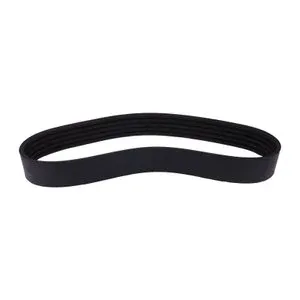
[result]Heavy-Duty Replacement Belt 153263001 for Vermeer BC1000XL – Scheduled Maintenance[/result]
<p><strong>153263001 Replacement Belt for Vermeer BC1000XL Chipper</strong> — EPDM rubber compound with high-modulus polyester cord reinforcement, molded sidewall geometry matching OEM profile.</p> <ul> <li>Treats as a scheduled wear item in the BC1000XL power transmission system; replacing at documented service intervals prevents unplanned downtime and secondary damage to pulleys, tensioners, and hydraulic cooling components.</li> <li>Operating temperature range of -20°C to +65°C with dimensional tolerances of ±0.3 mm width and ±1.5 mm length supports consistent grip through seasonal variation.</li> <li>Stock alongside tensioners and pulleys in one order to consolidate freight and cover full maintenance windows.</li> </ul> <p>Fleet-level service interval guidance included with shipment to support documented maintenance planning. (10256)</p>
Lead Time
2-5 Days
Warranty
3-12 Months
Min. Order
1 Piece
Ships To
120+ Countries
Request a Quote
Response within 24 hours
Product Details
Scheduled Replacement Planning — Keeping Vermeer BC1000XL chippers running on documented service intervals with OEM-equivalent belt supply and companion wear part recommendations.
Technical Specifications
| Parameter | Value |
|---|---|
| Part Number | 153263001 |
| Product Type | Belt |
| Cross-Reference | 153263001 (reference only), 265-776 (reference only), 265776 (reference only) |
| Machine Fitment | Vermeer BC1000XL Chipper |
| Material | EPDM rubber compound with high-modulus polyester cord reinforcement |
| Width Tolerance | ±0.3 mm |
| Length Tolerance | ±1.5 mm |
| Sidewall Geometry | Molded to match OEM profile |
| Operating Temperature Range | -20°C to +65°C |
| Condition | New Aftermarket |
| Warranty | 6 months against manufacturing defects |
Application Suitability
| Service Interval | What to Check |
|---|---|
| Routine 500-hour service | Inspect sidewall cracking, glazing, and cord separation; verify tensioner travel |
| Major annual overhaul | Replace belt alongside tensioners and check pulley runout for secondary wear |
| Post-incident inspection | Examine pulley alignment and hydraulic cooling fan drivetrain if sudden failure occurred |
| Pre-season fleet preparation | Stock spare belts with matched tensioners for continuous biomass or municipal operations |
Why Scheduled Maintenance Beats Reactive Belt Replacement
Planning the change keeps the chipper on the job site instead of waiting for emergency freight.
A snapped drive belt on a BC1000XL chipper halts the drum immediately, but the real cost comes from the idle crew, the unprocessed wood pile backing up, and the rental replacement that may not be available locally. Fleet operators who treat the drive belt as a scheduled consumable avoid compounding these losses. [NEED_CITE: preventive maintenance scheduling for mobile wood processing equipment]
In my time managing fleet maintenance across Latin American logging and land-clearing operations, I saw BC1000XL units lose days to belt failures that could have been caught during routine inspections. The teams that kept running were the ones who replaced belts on a documented schedule and stocked the tensioners at the same time.
Where This Belt Sits in the Chipper’s Service Life
The Heavy-Duty Replacement Belt 153263001 is a predictable wear component in the BC1000XL power transmission path. Unlike hydraulic cylinders or drum bearings, the belt degrades visibly over hundreds of operating hours, giving maintenance teams a window to plan the swap during a scheduled service event. Catching sidewall cracking or cord fatigue early means the change happens on your timeline, not the machine’s.
Recognizing Wear Progression Before Catastrophic Failure
Belt wear rarely happens without warning. Operators who check for glazing, micro-cracking along the sidewalls, and loss of tracking on the pulley can anticipate replacement needs weeks in advance. [NEED_CITE: visual inspection criteria for industrial drive belt condition assessment] When vibration increases or the chipper drum hesitates under load, the belt has typically been past its service window for some time. Pairing the belt replacement with a tensioner check prevents the new belt from inheriting a misalignment problem.
How Material Construction Affects Service Intervals
The EPDM rubber compound resists heat buildup and ozone degradation better than standard SBR compounds, which matters when a chipper runs continuous shifts in hot climates. The high-modulus polyester cord reinforcement maintains length stability under cyclic loading, reducing the stretch that causes slippage and premature wear. Sidewall geometry molded to the OEM profile ensures the belt seats correctly in the pulley grooves, preventing edge wear that shortens life. Width tolerance of ±0.3 mm and length tolerance of ±1.5 mm keep tracking consistent without requiring tensioner adjustment beyond normal range.
The Hidden Cost of Running to Failure
Replacing a belt only after it snaps means accepting unplanned downtime, potential pulley damage from sudden load release, and the risk that the tensioner has also worn past serviceable limits. [NEED_CITE: secondary damage from drive belt failure in wood chippers] Fleet operators who plan the change during a scheduled service window consolidate the belt, tensioner, and any required pulleys into a single order, avoiding split shipments and second mobilizations. The cumulative cost of reactive replacements across a multi-unit fleet adds up quickly when each incident carries freight, labor remobilization, and lost production.
Supply Chain Advantages for Fleet Maintenance Planning
Sourcing from a supplier that maintains both self-produced lines and qualified partner manufacturing under one warranty means you can consolidate belt orders with tensioners, filters, and undercarriage wear parts in a single shipment. Guangzhou warehouse stock supports faster dispatch on common wear items, and the technical team can verify compatibility from machine serial number or nameplate photograph when records are incomplete. Minimum order of one piece allows small fleets to stock spares without committing to bulk quantities, while cross-reference verification covers superseded numbers for older BC1000XL variants. Sample supply is available for fitment confirmation before a fleet-wide commitment.
Documentation & Verification
- Commercial invoice and packing list with part number 153263001 and cross-reference 265-776 (reference only) clearly stated
- Compatibility sheet confirming Vermeer BC1000XL fitment across serial ranges
- Dimensional inspection record verifying width and length within stated tolerances
- Warranty terms covering manufacturing defects for six months from dispatch
- Packing photographs showing belt condition before crating
- HS code and customs documentation support for cross-border fleet supply
Service Interval & Stocking Guidance
- Inspect belt sidewalls and tracking every 250 operating hours under normal chipping conditions
- Replace belt when glazing, cracking, or cord exposure appears, typically between 500 and 1,000 hours
- Check tensioner travel and pulley runout simultaneously to avoid premature wear on the new belt
- Stock one spare belt and one tensioner per machine for operations running continuous shifts
- Store belts in a cool, dry environment away from ozone sources and direct sunlight
Requesting a Fleet Maintenance Quote
Provide the machine model, serial number or range, and current operating hours to receive a replacement schedule recommendation and companion wear part list. If the nameplate is worn or painted over, a photograph of the existing belt and pulley arrangement allows the technical team to confirm fitment before you commit to stock levels.
Frequently Asked Questions
Q: How often should the drive belt on a BC1000XL chipper be replaced under normal operating conditions?
A: Replacement intervals depend on duty cycle and material processed, but most fleet operators schedule inspection at 250 hours and plan replacement between 500 and 1,000 hours. Visible sidewall cracking, glazing, or cord separation signals the belt is past its service window. Always check tensioner condition at the same time to prevent premature failure of the new belt.
Q: What signs indicate the belt is nearing end of service life before outright failure?
A: Look for surface glazing, micro-cracks along the sidewalls, and uneven wear patterns indicating tracking issues. Increased vibration during drum engagement or hesitation under load often points to cord fatigue or stretch beyond tensioner compensation range. Catching these signs during routine inspection allows scheduled replacement rather than emergency response.
Q: Should tensioners and pulleys be replaced together with the belt, or only when visibly worn?
A: Tensioners should always be inspected for travel range and bearing play when the belt is changed. If the tensioner is near its adjustment limit or shows bearing noise, replace it simultaneously to protect the new belt. Pulleys typically last longer but should be checked for groove wear and runout that could cause edge wear on the replacement belt.
Q: How many belts should a fleet operator keep in stock to cover predictable consumption?
A: For continuous operations, maintaining one spare belt and one tensioner per machine prevents unplanned downtime while waiting for supply. Fleet operators running multiple BC1000XL units often consolidate orders to cover six to twelve months of predicted consumption, reducing freight costs and ensuring parts arrive before scheduled service windows.
Q: Is this belt still available for older BC1000XL units, and will supply continue for aging machines?
A: The aftermarket supply chain continues supporting older BC1000XL machines as brand-direct support thins. Cross-reference verification covers superseded numbers, and technical teams can confirm fitment from machine serial number or nameplate photograph when documentation is incomplete. Sample supply is available for fitment confirmation before committing to fleet-level stock.
Compatible Brands
Our parts are engineered to meet or exceed OEM specifications. Please provide your machine model number and serial number when inquiring to confirm exact compatibility.
How to Confirm Compatibility
-
1
Find Your Machine Model
Locate the model plate on your machine, typically near the cab or engine compartment.
-
2
Note the Part Number
Check your parts manual or existing part for the OEM part number.
-
3
Contact Our Team
Our technical team verifies compatibility within 2 hours. Send us the details via the inquiry form or WhatsApp.
Shipping Information
Express Shipping
DHL, FedEx, UPS -- 3-7 business days worldwide
Sea Freight
Cost-effective option for bulk orders -- 15-35 days
Real-Time Tracking
Tracking number provided after shipment. 24/7 support available.
Warranty Policy
All parts come with manufacturer warranty. Duration varies by product category.
- Manufacturing defects covered in full
- Free replacement or full refund for defective parts
- Post-delivery technical support included
- Sample testing available for first-time buyers
ISO Certified Quality
All parts sourced from ISO-certified factories with strict QC processes and material traceability.
Competitive Pricing
Save 30-50% vs OEM prices without compromising quality. Transparent pricing with no hidden fees.
Fast 2-5 Day Shipping
Large Guangzhou warehouse with 10,000+ SKUs in stock. Most orders ship within 2-5 business days.
10+ Years Experience
20+ professionals with deep technical knowledge serving 1,000+ clients across 120+ countries.
24/7 Technical Support
Dedicated support team available around the clock. Part verification within 2 hours of inquiry.
Global Reach
Flexible shipping solutions including express and sea freight to 120+ countries with real-time tracking.
Related Products
More parts you might need


Need a Custom Quote?
Our technical team responds within 24 hours. MOQ 1 piece. Ships to 120+ countries from our Guangzhou warehouse.