

Emission & Exhaust System
S1B Turbocharger 315666 for Deutz BF3L914 & BF4M1011F – Service Part
<p>Replacement interval guidance and cross-reference verification sheet included with shipment to support long-term fleet planning on aging BF3L914 and BF4M1011F units.</p>
Lead Time
2-5 Days
Warranty
3-12 Months
Min. Order
1 Piece
Ships To
120+ Countries
Request a Quote
Response within 24 hours
Product Details
Lifecycle Planning — S1B turbocharger replacement intervals mapped to Deutz BF3L914 and BF4M1011F duty cycles for fleet-level scheduling.
Technical Specifications
| Parameter | Value |
|---|---|
| Part Number | 315666 |
| Product Type | Turbocharger |
| Turbo Model | S1B |
| Cross-Reference | 315666 (reference only), 4234298KZ, 4272467KZ, 4272466KZ, 4272465KZ, 317904, 317905, 317906, 315639, 315640, 315641 (reference only) |
| Machine Fitment | Deutz BF3L914, BF4M1011F |
| Turbine Housing Material | Ni-Resist D5S (ASTM A436) |
| Compressor Wheel Material | Forged 7075-T6 Aluminum Alloy |
| Bearing Type | Dual Ceramic Ball Bearings |
| Bearing Precision Rating | ABEC-5 |
| Shaft Play | <0.05 mm |
| Sealing Surface Roughness | Ra ≤ 0.8 μm (ISO 4287) |
| Mounting Face Tolerance | ±0.02 mm |
| Max Boost Pressure | 1.8 bar |
| Max Speed | 142,000 rpm |
| Max Exhaust Gas Temperature | 720°C |
| Oil Seal Test Pressure | 4.5 bar static |
| Condition | New Aftermarket |
| Warranty | 6 months against manufacturing defects |
| Standards | ISO 9001, ASTM A436, ISO 4287 |
Application Suitability
| Service Interval | What to Check |
|---|---|
| Every 2,000 operating hours | Shaft play measurement, boost pressure under load, oil ingestion into intake tract |
| Every 4,000 operating hours | Turbine housing thermal fatigue cracks, compressor wheel blade erosion, oil seal integrity |
| Major engine overhaul | Full turbo replacement alongside gaskets, oil feed lines, and air filtration components |
| Seasonal fleet rotation | Visual inspection of mounting face condition and wastegate actuator response |
| Post-rebuild verification | Boost pressure curve confirmation, exhaust gas temperature baseline recording |
Why Turbo Failure Should Never Be an Emergency Procurement Event
Running an S1B Turbocharger service part for Deutz BF3L914 BF4M1011F maintenance to failure turns a planned replacement into a cascading engine teardown.
In the Yangtze River Delta region, I have watched fleet after fleet treat turbochargers as unexpected failures rather than predictable wear items. A Deutz BF4M1011F powering a quarry loader does not destroy its turbo overnight — shaft play increases gradually, oil begins migrating past the seal into the intake tract, and boost pressure drops under load long before the turbine housing cracks [NEED_CITE: turbocharger wear progression indicators in diesel engine service manuals]. Yet procurement only happens once the machine sits silent. The cost of reactive buying is never just the part itself. Secondary damage to intercoolers, contaminated engine oil, and scored cylinder walls multiplies the repair scope well beyond a single-component swap.
Fleet operators who stock this S1B Turbocharger service part for Deutz BF3L914 BF4M1011F maintenance ahead of predictable consumption cycles consistently avoid the compounding downtime that reactive purchasing guarantees.
Where the Turbo Sits in the Engine Service Lifecycle
The S1B turbocharger is not a lifetime component. In Deutz BF3L914 and BF4M1011F applications — particularly quarry loaders and diesel generator sets running continuous high-load cycles — thermal fatigue in the Ni-Resist D5S turbine housing becomes the dominant wear mechanism. Exhaust gas temperatures reaching 720°C at the housing wall create cyclic expansion and contraction that eventually initiates micro-cracking along the volute.
Recognizing this turbo as a scheduled replacement item rather than an unpredictable failure changes how a fleet consumes parts. Maintenance planners who track operating hours against known turbo service intervals can align procurement with planned shutdowns, keeping machines available rather than waiting on supply chains after a breakdown.
Wear Progression Signals That Precede Catastrophic Failure
Before a turbo reaches end of life, it communicates its condition clearly — if anyone is listening. An audible whistle from the turbine housing under load typically indicates bearing wear approaching the threshold where shaft play exceeds acceptable limits. Oil consumption increasing without external leaks often points to the oil seal degrading past the Ra ≤ 0.8 μm sealing surface tolerance.
[NEED_CITE: diesel engine turbocharger diagnostic procedures for fleet maintenance programs]
Boost pressure dropping under full load while exhaust gas temperatures climb simultaneously is the classic signature of compressor wheel erosion reducing volumetric efficiency. Catching these signals during routine inspections means the replacement happens on your schedule, not the machine’s.
Thermal and Mechanical Design Behind Service Life Predictability
The Ni-Resist D5S turbine housing specified under ASTM A436 provides thermal stability suited to the sustained high-exhaust-temperature environment of Deutz industrial engines. This austenitic cast iron resists the growth and scaling that ordinary grey iron exhibits after repeated thermal cycling above 600°C.
The dual ceramic ball bearings at ABEC-5 precision rating maintain shaft centering within the <0.05 mm play tolerance across the full 142,000 rpm operating range. Ceramic elements reduce thermal expansion mismatch between the bearing and the steel shaft, extending the interval before play grows beyond specification. The forged 7075-T6 aluminum compressor wheel balances high-cycle fatigue resistance with the low inertia needed for rapid spool-up in variable-load applications like excavators and wheel loaders.
The ±0.02 mm mounting face tolerance ensures the turbo seats flush against the exhaust manifold without gasket distortion, preventing the exhaust leaks that accelerate housing erosion and reduce boost efficiency over time.
The Compounding Cost of Reactive Turbo Procurement
Every fleet manager who waits for turbo failure before ordering has paid the same hidden price more than once. The machine sits idle while procurement confirms availability, then sits longer while freight delivers the part. Meanwhile, the oil that migrated through the failed seal has contaminated the intercooler core and coated the intake manifold — components that now require cleaning or replacement before the new turbo can even start.
[NEED_CITE: total cost of unplanned equipment downtime in construction fleet operations]
I have seen Deutz BF4M1011F generator sets in mining camps lose days of production because a turbo failure triggered an intake system teardown that could have been avoided with a single proactive replacement during a scheduled service window. The S1B Turbocharger service part for Deutz BF3L914 BF4M1011F maintenance approach replaces this cycle of emergency reaction with disciplined lifecycle planning.
Why Fleet Operators Source This Turbo Through Our Supply Channel
Own production lines for selected turbo components plus qualified sourced supply carry the same quality inspection and six-month warranty terms under one account, eliminating split accountability when multiple intake system parts ship together.
Eight product categories mean the turbo, its mounting gaskets, oil feed line, and air filter all move under a single consignment — no waiting for a second supplier to complete the job list.
Minimum order from one piece supports both single-machine replacements and fleet-wide stocking programs without forced over-purchasing. Part identification works from engine serial number, machine model, or a photograph of the worn nameplate when the original turbo label is no longer legible.
Cross-reference verification covers superseded and alternate numbers across the full 315666 interchange family, preventing the wrong variant from reaching the workshop. Technical support confirms compatibility and grade suitability before commitment, particularly for older BF3L914 units where dealer support has thinned.
Documentation & Verification
- Commercial invoice listing turbo part number 315666 with full cross-reference chain marked reference only
- Dimensional inspection record covering mounting face tolerance and shaft play measurement
- Packing photographs showing turbine housing protection and compressor wheel cover installed for transit
- Warranty terms document specifying six-month coverage against manufacturing defects
- HS code classification support for customs clearance in destination country
Service Interval & Stocking Guidance
- Inspect S1B turbo shaft play and boost pressure every 2,000 hours on Deutz BF4M1011F units in continuous-duty applications
- Replace turbo at signs of oil ingestion or audible turbine whistle rather than waiting for pressure loss
- Stock one spare turbo per five Deutz-powered machines based on typical fleet consumption rates [NEED_CITE: preventive maintenance spare parts inventory models for heavy equipment fleets]
- Store replacement turbos in sealed packaging with desiccant to prevent bearing corrosion during shelf life
- Record engine serial number and operating hours at installation to track individual unit service history
Requesting Lifecycle and Stocking Guidance
Provide your Deutz engine model, engine serial number range across the fleet, and current average operating hours per machine. With this information, we can map recommended turbo replacement intervals against your duty cycles and suggest stocking quantities that keep planned maintenance on schedule without tying capital in excess inventory.
Frequently Asked Questions
Q: What operating hour interval should trigger turbo inspection on Deutz BF4M1011F engines?
A: Shaft play measurement and boost pressure verification should occur every 2,000 operating hours under normal duty cycles. In high-ambient-temperature or continuous-load applications such as generator sets and quarry loaders, reducing this to 1,500 hours provides earlier detection of bearing wear before oil seal degradation begins.
Q: What symptoms indicate the turbo is approaching end of service life?
A: An audible whistle from the turbine housing under load, rising oil consumption without visible external leaks, and gradual boost pressure drop during full-throttle operation all signal advancing wear. These indicators typically appear well before catastrophic bearing failure, giving maintenance teams a window to schedule replacement during a planned shutdown.
Q: Should I replace just the turbo or adjacent components simultaneously?
A: Replacing the turbo alone while reusing degraded oil feed lines and compressed mounting gaskets risks early failure of the new unit. Renewing the oil supply line, intake and exhaust gaskets, and air filter at the same service event protects the replacement turbo and extends the interval before the next intake system intervention.
Q: How many spare turbos should a mixed Deutz fleet keep in stock?
A: Consumption rates vary with duty cycle and ambient conditions, but maintaining one S1B turbocharger per five active Deutz BF3L914 or BF4M1011F machines covers typical replacement frequency. Fleets operating in high-dust or high-temperature environments may benefit from higher on-hand quantities based on historical failure data.
Q: Can you continue supplying turbos for older BF3L914 machines past dealer support?
A: Yes. The S1B turbocharger and its cross-reference family remain in active production and supply. As brand dealer networks reduce stocking support for legacy Deutz platforms, our aftermarket channel continues to provide verified replacement units with full cross-reference documentation for fleet lifecycle extension planning.
Compatible Brands
Our parts are engineered to meet or exceed OEM specifications. Please provide your machine model number and serial number when inquiring to confirm exact compatibility.
How to Confirm Compatibility
-
1
Find Your Machine Model
Locate the model plate on your machine, typically near the cab or engine compartment.
-
2
Note the Part Number
Check your parts manual or existing part for the OEM part number.
-
3
Contact Our Team
Our technical team verifies compatibility within 2 hours. Send us the details via the inquiry form or WhatsApp.
Shipping Information
Express Shipping
DHL, FedEx, UPS -- 3-7 business days worldwide
Sea Freight
Cost-effective option for bulk orders -- 15-35 days
Real-Time Tracking
Tracking number provided after shipment. 24/7 support available.
Warranty Policy
All parts come with manufacturer warranty. Duration varies by product category.
- Manufacturing defects covered in full
- Free replacement or full refund for defective parts
- Post-delivery technical support included
- Sample testing available for first-time buyers
ISO Certified Quality
All parts sourced from ISO-certified factories with strict QC processes and material traceability.
Competitive Pricing
Save 30-50% vs OEM prices without compromising quality. Transparent pricing with no hidden fees.
Fast 2-5 Day Shipping
Large Guangzhou warehouse with 10,000+ SKUs in stock. Most orders ship within 2-5 business days.
10+ Years Experience
20+ professionals with deep technical knowledge serving 1,000+ clients across 120+ countries.
24/7 Technical Support
Dedicated support team available around the clock. Part verification within 2 hours of inquiry.
Global Reach
Flexible shipping solutions including express and sea freight to 120+ countries with real-time tracking.
Related Products
More parts you might need
Emission & Exhaust System
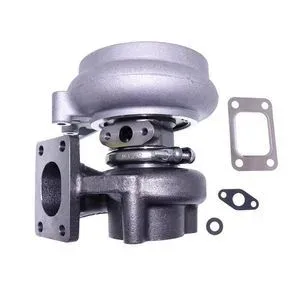
Turbocharger TD04HL 234-4894 for CAT 3044C – Scheduled Maintenance
View Details
Emission & Exhaust System
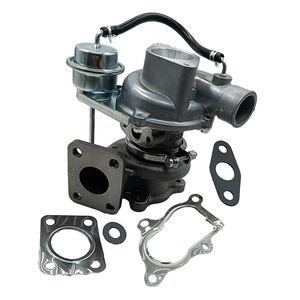
Turbocharger 1J716-17010 for Kubota SVL65-2/SVL65-2C – Direct-fit Replacement
View DetailsNeed a Custom Quote?
Our technical team responds within 24 hours. MOQ 1 piece. Ships to 120+ countries from our Guangzhou warehouse.