

Belt Drive Systems
Scheduled Maintenance Drive Clutch Belt J0D-G6241-00-00 – Fits Yamaha
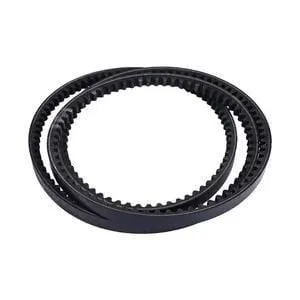
<p><strong>J0D-G6241-00-00 Drive Clutch Belt</strong> — replacement for Yamaha Drive2 Gas Golf Cart (2017–2025), trapezoidal profile with aramid cord reinforcement.</p> <ul> <li>Fits CVT systems on Yamaha Drive2 fleets — cross-reference J0DG62410000</li> <li>High-modulus chloroprene rubber, ±0.3 mm tolerance, ISO 9001 production</li> </ul> <p>Typical wear signs include surface cracking, glazing, and slippage under load. Inspect primary and secondary pulley faces during scheduled replacement intervals to catch secondary damage early.</p> <p>Replacement interval guidance included with shipment for fleet maintenance planning.</p>
Lead Time
2-5 Days
Warranty
3-12 Months
Min. Order
1 Piece
Ships To
120+ Countries
Request a Quote
Response within 24 hours
Product Details
Fleet Stocking — Drive clutch belts for Yamaha Drive2 fleets kept in planned inventory to prevent unplanned cart downtime.
Technical Specifications
| Parameter | Value |
|---|---|
| Part Number | J0D-G6241-00-00 |
| Product Type | Belt |
| Cross-Reference | J0D-G6241-00-00 (reference only), J0DG62410000 (reference only) |
| Machine Fitment | Yamaha Drive2 Gas Golf Cart (2017–2025) |
| Material | High-modulus chloroprene rubber with aramid cord reinforcement |
| Cross-section Profile | Trapezoidal (OEM profile) |
| Dimensional Tolerance | ±0.3 mm |
| Temperature Range | −10°C to +50°C |
| Condition | New Aftermarket |
| Standards | ISO 9001 |
| Warranty | 6 months against manufacturing defects |
| MOQ | 1 piece |
Application Suitability
| Service Interval | What to Check |
|---|---|
| Every 500–750 operating hours | Surface cracking, glazing, loss of trapezoidal profile on the drive clutch belt |
| Seasonal pre-service inspection | Primary and secondary pulley face wear, spring tension, shaft bearing play |
| Annual fleet audit | Belt age and storage condition for spare inventory, batch rotation |
| Post-failure replacement | Root cause of premature belt wear — misalignment, oil contamination, excessive load |
Why Planned CVT Belt Maintenance Beats Emergency Swaps
A snapped drive clutch belt on a Yamaha Drive2 does not just stop the cart — it often damages clutch sheaves and creates a repair bill well beyond the belt itself.
Fleet operators managing resort or golf course carts see the same pattern: a belt fails mid-shift on a hill climb, the secondary clutch scores, and the cart sits idle while parts arrive. Reactionary purchasing means every failure triggers a new procurement cycle, often with mismatched lead times across components. Scheduled drive clutch belt service part replacement at documented intervals avoids this cascade. [NEED_CITE: CVT belt wear progression and scheduled maintenance intervals for light utility vehicles]
Drive Clutch Belt Wear Signs That Signal Replacement
Surface cracking and glazing are the earliest visible indicators that a drive clutch belt is approaching end of service life. When the trapezoidal profile flattens, the belt begins slipping under load, especially on hilly terrain or with passenger weight. Slippage generates heat, which accelerates chloroprene degradation and shortens remaining life. Inspecting the belt at each scheduled service interval — rather than waiting for audible squeal or performance loss — keeps fleet availability predictable and prevents secondary damage to pulley faces.
Matching Wear State Across the CVT System
Replacing a single drive clutch belt while leaving a worn secondary drive belt in place creates mismatched grip characteristics across the CVT. The new belt carries more load, wears faster, and fails prematurely. For fleet-level planning, pairing replacement belts at service intervals keeps wear even and extends the interval between CVT system overhauls. Adjacent components — primary and secondary pulley face condition, spring tension, shaft bearings — should be inspected during every belt change to identify issues before they compound. [NEED_CITE: CVT system matched component replacement practices in fleet maintenance programs]
Material and Profile Specifications That Matter in Service
The high-modulus chloroprene rubber compound provides heat resistance and flexibility across the −10°C to +50°C operating range typical for outdoor cart fleets. Aramid cord reinforcement resists stretching under the cyclic tension loads of stop-start operation and hill climbs. The ±0.3 mm dimensional tolerance on the trapezoidal cross-section ensures the belt seats correctly in the pulley groove without excessive side-wall pressure that accelerates sheave wear. These material and tolerance characteristics determine whether a CVT belt maintenance replacement delivers its full service life or fails prematurely from profile mismatch or compound breakdown.
The Compounding Cost of Reactive Belt Procurement
Fleet operators who order belts only after failure accumulate hidden costs beyond the belt price. Each unplanned downtime event removes a revenue-generating cart from rotation, often during peak operating hours. Secondary clutch damage from belt slippage adds pulley resurfacing or replacement to the repair scope. Emergency single-piece orders also forfeit the freight consolidation advantage of batch stocking aligned with the fleet service calendar. Over a multi-year fleet maintenance contract, these reactive costs meaningfully exceed the carrying cost of planned spare inventory. [NEED_CITE: total cost of unplanned equipment downtime versus planned preventive maintenance inventory carrying costs]
Why Source This Drive Clutch Belt Here
Eight component categories under one account means belts, filters, seals, and pulley components ship as a single consignment rather than split deliveries. The Guangzhou warehouse stocks common fleet consumption items for fast dispatch when service calendars demand quick turnaround. Part identification works from machine model alone — even when nameplates are faded on older 2017–2019 Drive2 units where OEM supply channels thin. Cross-reference verification covers superseded and alternate numbers so procurement teams do not waste cycles on incorrect listings. Sample supply allows fitment confirmation before committing to full fleet batch quantities. Technical support confirms compatibility and grade across the 2017–2025 model range.
Documentation & Verification
- Commercial invoice listing drive clutch belt batch quantities and HS codes for customs clearance
- Part compatibility sheet confirming Yamaha Drive2 year range fitment (cross-reference only)
- Quality inspection record covering dimensional tolerance and cross-section profile verification
- Warranty terms covering manufacturing defects for six months from dispatch
- Packing photographs documenting sealed retail box condition before crate closure
Service Interval & Stocking Guidance
- Inspect drive clutch belt surface condition and trapezoidal profile at every 500–750 hour service interval
- Stock one replacement belt per cart for annual fleet rotation, adjusting for hilly terrain or heavy-load use
- Store spare belts in sealed packaging away from direct sunlight and ozone sources to preserve rubber compound integrity
- Rotate fleet spare inventory on a first-in-first-out basis to avoid shelf-life degradation
- Pair drive and secondary belt replacement to maintain matched wear state across the CVT system
Planning Your Fleet Belt Procurement
Provide your fleet size, cart model years, and annual operating hours per unit to receive a drive clutch belt stocking recommendation aligned with your service calendar. For older Drive2 models where OEM channels are thinning, share your serial prefix range to confirm fitment across the 2017–2025 span. Batch quantities can be calibrated to your consumption rate and storage conditions.
Frequently Asked Questions
Q: How often should the drive clutch belt be replaced under normal fleet use?
A: Under typical golf course or resort operating conditions, inspect the drive clutch belt every 500–750 hours and plan replacement when surface cracking, glazing, or profile loss appears. Fleets operating on hilly terrain or with frequent heavy loads may see shorter intervals. Scheduling replacement at documented service intervals prevents unplanned downtime and secondary clutch damage.
Q: What other CVT components should be inspected or replaced at the same time?
A: During a drive clutch belt change, inspect primary and secondary pulley faces for scoring, check spring tension for fatigue, and verify shaft bearings for play. Replacing the secondary drive belt alongside the primary keeps wear matched across the CVT system. Addressing these adjacent items during scheduled service prevents premature failure of the new belt.
Q: Should I stock belts for my entire fleet or only order on failure?
A: Fleet operators benefit from stocking at least one replacement belt per cart, aligned with the service calendar. Batch ordering consolidates freight and ensures availability when scheduled inspections flag replacement needs. Reactive ordering after failure adds emergency procurement delays and often results in secondary damage costs that exceed planned inventory carrying costs.
Q: Can I get this belt for older Drive2 models as brand support thins?
A: This aftermarket drive clutch belt covers the full Yamaha Drive2 gas cart range from 2017 through 2025. As OEM supply channels narrow for earlier model years, aftermarket continuity ensures your fleet maintenance program is not interrupted. Cross-reference verification confirms fitment regardless of which model year units remain in your fleet.
Q: What storage conditions preserve rubber belt shelf life in spare parts inventory?
A: Keep spare drive clutch belts in their sealed packaging, stored in a cool, dry environment away from direct sunlight and ozone-generating equipment. Chloroprene rubber compounds degrade under UV exposure and heat over time. First-in-first-out rotation of fleet spare inventory ensures belts are used within their effective shelf life.
Compatible Brands
Our parts are engineered to meet or exceed OEM specifications. Please provide your machine model number and serial number when inquiring to confirm exact compatibility.
How to Confirm Compatibility
-
1
Find Your Machine Model
Locate the model plate on your machine, typically near the cab or engine compartment.
-
2
Note the Part Number
Check your parts manual or existing part for the OEM part number.
-
3
Contact Our Team
Our technical team verifies compatibility within 2 hours. Send us the details via the inquiry form or WhatsApp.
Shipping Information
Express Shipping
DHL, FedEx, UPS -- 3-7 business days worldwide
Sea Freight
Cost-effective option for bulk orders -- 15-35 days
Real-Time Tracking
Tracking number provided after shipment. 24/7 support available.
Warranty Policy
All parts come with manufacturer warranty. Duration varies by product category.
- Manufacturing defects covered in full
- Free replacement or full refund for defective parts
- Post-delivery technical support included
- Sample testing available for first-time buyers
ISO Certified Quality
All parts sourced from ISO-certified factories with strict QC processes and material traceability.
Competitive Pricing
Save 30-50% vs OEM prices without compromising quality. Transparent pricing with no hidden fees.
Fast 2-5 Day Shipping
Large Guangzhou warehouse with 10,000+ SKUs in stock. Most orders ship within 2-5 business days.
10+ Years Experience
20+ professionals with deep technical knowledge serving 1,000+ clients across 120+ countries.
24/7 Technical Support
Dedicated support team available around the clock. Part verification within 2 hours of inquiry.
Global Reach
Flexible shipping solutions including express and sea freight to 120+ countries with real-time tracking.
Related Products
More parts you might need



Belt Drive Systems
Clutch Drive Belt 3211218 for Polaris Ranger & Pro XD – Fleet Supply
View DetailsNeed a Custom Quote?
Our technical team responds within 24 hours. MOQ 1 piece. Ships to 120+ countries from our Guangzhou warehouse.