Belt Drive Systems
Upper Drive Belt 50-00178-24 – Scheduled Maintenance for Carrier
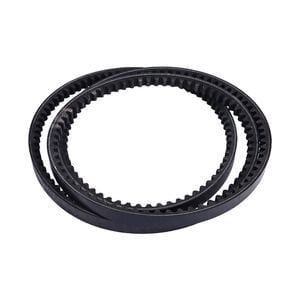
<p><strong>Upper Drive Belt 50-00178-24, EPDM with Aramid Cord</strong> — replacement for Carrier Transicold X2 and Ultra series refrigeration units. Fits X2 1800, X2 2100, X2 2500, Ultra XT, Ultra XTC and Extra XT models.</p> <ul> <li>Scheduled replacement during routine service prevents unplanned cold chain downtime and compressor damage from belt failure. Watch for cracking, glazing, squealing or tension loss as replacement indicators.</li> <li>Operates across –40°C to +60°C with consistent grip under frequent start-stop cycles typical of transport refrigeration.</li> <li>Planned maintenance schedules and replacement interval guidance included with each shipment for fleet upkeep.</li> </ul>
Lead Time
2-5 Days
Warranty
3-12 Months
Min. Order
1 Piece
Ships To
120+ Countries
Request a Quote
Response within 24 hours
Product Details
Fleet Stocking Planned — Carrier Transicold X2 and Ultra series belt replacement schedules mapped to your operating cycle, with spares held against predictable cold chain consumption.
Technical Specifications
| Parameter | Value |
|---|---|
| Part Number | 50-00178-24 |
| Product Type | Belt |
| Cross-Reference | 50-00178-24 (reference only), 500017824 (reference only), 50-0017824 (reference only), CA-50-00178-24-AM (reference only) |
| Machine Fitment | Extra XT, Ultra XT, Ultra XTC, X2 1800, X2 2100, X2 2100A, X2 2100R, X2 2500A, X2 2500R |
| Part Name | Upper Drive Belt |
| Condition | New Aftermarket |
| Material | EPDM rubber compound with aramid cord reinforcement |
| Surface Hardness | Shore A 65±3 |
| Pitch Length Tolerance | ±0.1 mm |
| Temperature Range | –40°C to +60°C |
| Standards | ISO 9001, ISO 4184, SAE J1459 |
| Warranty | 3–12 months against manufacturing defects |
| MOQ | 1 piece |
Application Suitability
| Service Interval | What to Check |
|---|---|
| Every 2,000–3,000 operating hours | Surface cracking, glazing, frayed edges on the Upper Drive Belt 50-00178-24 |
| Annual pre-season inspection | Tension decay, squealing on compressor startup, pulley alignment |
| Post-compressor overhaul | Belt tracking, tensioner spring force, adjacent pulley bearing play |
| Fleet rotation between units | Cross-unit compatibility across X2 2100, X2 2500 and Ultra series |
| Cold chain peak-season prep | Spare stock adequacy against planned service windows |
Why Planned Belt Replacement Matters More Than Emergency Sourcing
Waiting for a snapped belt to trigger a purchase order is the most expensive way to buy a replacement.
Fleet operators running Carrier Transicold X2 and Ultra series units in intermodal yards and long-haul corridors often discover the Upper Drive Belt 50-00178-24 has deteriorated only after the refrigeration compressor stalls mid-haul. Reactive sourcing then forces premium freight, unplanned trailer idle time, and perishable cargo exposure. I have watched Nigerian mining-site logistics fleets lose entire cold chain loads because a single belt was not on the scheduled parts list. [NEED_CITE: cold chain equipment preventive maintenance scheduling for transport refrigeration]
The Upper Drive Belt 50-00178-24 sits at the heart of the compressor drive system. When it fails, the compressor stops, refrigerant circulation halts, and cargo temperature drift begins within minutes. For fleets operating in high-ambient environments, the margin between belt failure and product loss is measured in hours, not days.
Where This Belt Sits in the Machine Service Life
The Upper Drive Belt 50-00178-24 is a planned-consumption component in Carrier Transicold refrigeration units. It is not a part you replace once and forget. EPDM rubber degrades under continuous thermal cycling between sub-zero evaporator temperatures and ambient engine-bay heat, making scheduled interval replacement the only defensible fleet strategy. Units in the X2 2100A and X2 2500R range typically consume these belts at a predictable rate tied to compressor duty cycles and ambient operating conditions.
Fleet maintenance planners who track belt replacement against operating hours build a consumption curve that removes guesswork from reorder timing. This approach turns the Upper Drive Belt 50-00178-24 from an emergency line item into a budgeted maintenance expense.
Wear Progression and the Signals Before Failure
Belt wear does not announce itself suddenly. The first indicators are subtle: a slight squeal on compressor clutch engagement, minor surface checking visible under flashlight inspection, and gradual tension loss requiring more frequent adjustment. As aramid cord reinforcement fatigues, the belt begins to slip under peak compressor load, generating additional heat that accelerates EPDM hardening. Shore A hardness drift from the original 65±3 range signals that the compound is losing flexibility. [NEED_CITE: elastomer hardening as a predictive maintenance indicator in drive belt systems]
By the time visible cracking appears on the belt rib surface, the internal cord structure has typically already lost meaningful tensile margin. Replacing at this stage protects not just the belt function but the tensioner mechanism and pulley bearings from the shock loading that accompanies sudden belt snap. Operators who wait for complete failure often find the tensioner spring weakened and the idler pulley bearing scored, converting a simple belt swap into a multi-component repair.
Material Specification and Operating Environment
The EPDM rubber compound selected for the Upper Drive Belt 50-00178-24 delivers consistent flexibility across the –40°C to +60°C range specified for cold chain transport applications. This temperature envelope covers the full spread from frozen cargo hold conditions to tropical port staging areas. Aramid cord reinforcement provides the tensile backbone that resists stretch under continuous compressor torque loading, maintaining the ±0.1 mm pitch length tolerance that keeps the belt seated correctly in the pulley grooves.
Surface hardness held at Shore A 65±3 balances grip against wear rate. A harder compound would resist abrasion better but transmit more vibration to the compressor bearings. A softer compound would grip aggressively but degrade faster under sustained thermal cycling. The specified hardness represents the midpoint that delivers service life consistent with standard fleet overhaul intervals.
The Hidden Cost of Running a Belt Past Its Window
Fleet operators who extend belt service intervals beyond the planned replacement point accumulate hidden costs across the maintenance cycle. A slipping Upper Drive Belt 50-00178-24 forces the compressor to work harder to maintain set-point temperature, increasing fuel consumption on diesel-powered units and drawing higher amperage on electric-standby systems. This parasitic load compounds over weeks of operation. [NEED_CITE: impact of belt drive efficiency degradation on transport refrigeration energy consumption]
When a belt finally fails in service, the downstream consequences extend beyond the belt itself. Compressor clutch cycling under low-tension conditions wears the clutch plate prematurely. Adjacent belts in the drive system experience uneven loading when one belt in a matched set deteriorates faster. The maintenance event that could have been a twenty-minute belt swap during scheduled service becomes a multi-hour diagnostic and replacement session during peak fleet utilization.
Why Source This Part Through XUNPO
Our own production lines and qualified sourcing partners carry identical warranty terms, so the Upper Drive Belt 50-00178-24 you receive is covered whether it comes from our facility or a certified partner. Eight product categories under one account mean that when your fleet service window calls for belts, seal kits, filters, and electrical components, the entire list ships as a single consignment.
One-piece minimum order quantity allows you to validate fitment on a single unit before committing to fleet-scale volume. Cross-reference verification covers superseded and alternate numbers, so if your maintenance system references 500017824 or CA-50-00178-24-AM, we confirm the correct variant before dispatch. Our technical team reviews machine model and serial range to ensure the belt matches your specific X2 or Ultra series configuration, eliminating trial fitment at the depot.
Documentation & Verification
- Commercial invoice listing each belt part number and cross-reference variant shipped
- Fitment sheet confirming compatibility with your specified Carrier Transicold model range
- Dimensional inspection record covering pitch length and surface hardness values
- Warranty certificate stating coverage period and defect claim procedure
- Dispatch photographs showing packing condition before handover to carrier
- HS code classification support for customs clearance in destination country
Service Interval & Stocking Guidance
- Schedule Upper Drive Belt 50-00178-24 replacement at intervals aligned with your compressor overhaul cycle
- Inspect belt surface for micro-cracking and glazing during every routine service visit
- Stock one belt per active unit plus a pooled reserve scaled to your fleet utilization rate
- Store belts flat, away from direct sunlight and ozone sources, in original packaging until installation
- Record installation date and operating hours at fitment to track individual belt service life
- Review tensioner and pulley condition at every belt change to prevent premature wear on the new belt
Request a Maintenance Plan Quote
Share your Carrier Transicold fleet list including model variants, current operating hours, and planned service windows. We will map Upper Drive Belt 50-00178-24 replacement intervals against your schedule and propose stocking quantities that align with your consumption rate. Include any superseded part numbers your maintenance system currently references so we can verify cross-reference accuracy before building your order.
Frequently Asked Questions
Q: How often should the Upper Drive Belt 50-00178-24 be replaced on X2 series units?
A: Replacement intervals depend on compressor duty cycle, ambient operating temperature, and fleet service philosophy. Most transport refrigeration fleets schedule belt replacement during major service intervals rather than waiting for visible wear. Share your unit operating hours and service history so we can align a recommendation with your specific maintenance cadence.
Q: What signs indicate the belt needs replacement rather than continued monitoring?
A: Surface cracking visible under close inspection, squealing during compressor clutch engagement, and measurable tension loss that requires frequent re-adjustment all signal that the EPDM compound and aramid reinforcement are approaching end of service life. Once hardness drifts outside the Shore A 65±3 specification, replacement should proceed at the next available service window.
Q: Should the tensioner and pulleys be inspected when replacing this belt?
A: Yes. A worn Upper Drive Belt 50-00178-24 often leaves telltale wear on the tensioner spring and idler pulley bearing. Inspecting these components during belt replacement prevents the new belt from inheriting premature wear caused by a fatigued tensioner or a pulley with excessive radial play.
Q: How many spare belts should a cold chain fleet keep in stock?
A: A practical baseline is one belt per active refrigeration unit plus a shared reserve pool sized to your fleet’s failure history and procurement lead times. Fleets operating in remote corridors or high-temperature regions typically hold a larger buffer to cover unplanned demand between scheduled replenishment orders.
Q: Will replacement belts remain available for older Carrier Transicold models?
A: We maintain cross-reference coverage for superseded numbers across the Carrier Transicold X2 and Ultra series range. If your maintenance records reference an older part number, our technical team verifies the correct current variant before confirming supply, supporting fleet continuity even as brand manufacturers shift their catalog listings.
Compatible Brands
Our parts are engineered to meet or exceed OEM specifications. Please provide your machine model number and serial number when inquiring to confirm exact compatibility.
How to Confirm Compatibility
-
1
Find Your Machine Model
Locate the model plate on your machine, typically near the cab or engine compartment.
-
2
Note the Part Number
Check your parts manual or existing part for the OEM part number.
-
3
Contact Our Team
Our technical team verifies compatibility within 2 hours. Send us the details via the inquiry form or WhatsApp.
Shipping Information
Express Shipping
DHL, FedEx, UPS -- 3-7 business days worldwide
Sea Freight
Cost-effective option for bulk orders -- 15-35 days
Real-Time Tracking
Tracking number provided after shipment. 24/7 support available.
Warranty Policy
All parts come with manufacturer warranty. Duration varies by product category.
- Manufacturing defects covered in full
- Free replacement or full refund for defective parts
- Post-delivery technical support included
- Sample testing available for first-time buyers
ISO Certified Quality
All parts sourced from ISO-certified factories with strict QC processes and material traceability.
Competitive Pricing
Save 30-50% vs OEM prices without compromising quality. Transparent pricing with no hidden fees.
Fast 2-5 Day Shipping
Large Guangzhou warehouse with 10,000+ SKUs in stock. Most orders ship within 2-5 business days.
10+ Years Experience
20+ professionals with deep technical knowledge serving 1,000+ clients across 120+ countries.
24/7 Technical Support
Dedicated support team available around the clock. Part verification within 2 hours of inquiry.
Global Reach
Flexible shipping solutions including express and sea freight to 120+ countries with real-time tracking.
Related Products
More parts you might need

Belt Drive Systems
Belt Tensioner Assembly for Bobcat S510–T870 – Scheduled Maintenance
View Details
Need a Custom Quote?
Our technical team responds within 24 hours. MOQ 1 piece. Ships to 120+ countries from our Guangzhou warehouse.