
Belt Drive Systems
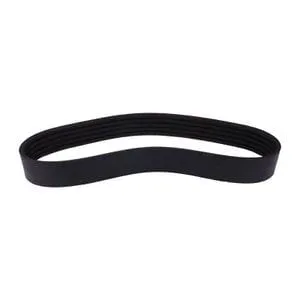
Wear Item Belt 153263001 Compatible with Vermeer BC1000XL Chipper
<p><strong>153263001 Belt for Vermeer BC1000XL Chipper, Reinforced Cord Construction</strong> — replacement for OEM cross-reference 153263001, 265-776.</p> <ul> <li>Inspect belt edges for cracking, glazing, and cord exposure to plan replacement before catastrophic failure</li> <li>Replace worn pulleys simultaneously to prevent premature belt wear and maintain proper tension</li> <li>Schedule replacement based on operating hours and material type processed</li> </ul> <p>Replacement interval recommendations ship with every order to support your preventive maintenance planning.</p>
Lead Time
2-5 Days
Warranty
3-12 Months
Min. Order
1 Piece
Ships To
120+ Countries
Request a Quote
Response within 24 hours
Product Details
Replacement intervals mapped — Wear part maintenance schedules for BC1000XL fleets built around verified belt service life data.
Technical Specifications
| Parameter | Value |
|---|---|
| Part Number | 153263001 |
| Cross-Reference | 265-776, 265776 (reference only) |
| Product Type | Belt |
| Machine Fitment | Vermeer BC1000XL Chipper |
| Construction | Reinforced cord with high-strength rubber compound |
| Function | Power transmission from engine to cutting mechanism |
| Condition | New Aftermarket |
| Warranty | 3-12 months against manufacturing defects |
| MOQ | 1 piece |
Application Suitability
| Service Interval | What to Check |
|---|---|
| Standard chipping operations | Sidewall cracking, cord separation, and tension loss on the drive belt |
| High-volume forestry runs | Accelerated rubber wear from continuous load and heat buildup |
| Rental turnaround maintenance | Pulley alignment and sheave groove wear alongside belt condition |
| Aging BC1000XL fleet support | Long-term parts availability as manufacturer focus shifts to newer models |
Why Reactive Belt Purchasing Drains Fleet Uptime
A planned belt service part replacement costs hours; an unplanned failure costs days.
Running a Vermeer BC1000XL chipper until the drive belt snaps guarantees collateral damage. Worn cords shed debris into the pulley grooves, and a sudden break under load can score the sheave surfaces, turning a simple wear part maintenance swap into a multi-component repair. In forestry and landscaping operations where the chipper is the bottleneck of the entire line, that unplanned stoppage idles every machine upstream and downstream [NEED_CITE: preventive maintenance scheduling for wood chipping fleet operations].
I have watched crews in Latin America lose two full production days because a single belt failed mid-job, and the replacement was three days out. The machine sat while excavators piled brush that nobody could process. A wear part maintenance mindset — stocking belts and swapping them on a hour-based schedule — removes this entirely.
Where This Belt Sits in the Chipper Service Life
The drive belt in the BC1000XL is a high-cycle wear item that transmits engine power directly to the cutting drum. Unlike filters or fluids that degrade gradually and predictably, belt wear is non-linear: it holds acceptable condition for most of its service life, then deteriorates rapidly once the reinforcing cords begin to separate. This makes scheduled replacement based on operating hours essential, because visual inspection alone will not warn you early enough.
Wear Progression and the Pulley Relationship
Belt condition and pulley condition are inseparable in the BC1000XL powertrain. As the rubber compound hardens with heat cycles, the belt rides higher in the sheave grooves, accelerating wear on both surfaces. By the time you see glazed sidewalls or fine cord fibers peeling from the belt edges, the pulley grooves are already worn to a matching profile [NEED_CITE: belt and sheave wear interaction in power transmission systems]. Replacing the belt without checking groove depth means the new belt will seat improperly and fail prematurely. Fleet operators who track both components on a shared wear part maintenance schedule avoid this compounding failure pattern.
Reading the Specs That Matter for Chipping Loads
The reinforced cord construction of belt 153263001 is the primary load-bearing element. In a chipper application, the drive belt must handle repeated shock loads as the cutting drum encounters varying material density — from dry hardwood branches to green waste with embedded moisture. The high-strength rubber compound surrounding those cords must maintain flexibility across the temperature range generated by continuous operation, resisting the heat buildup that causes cheaper compounds to glaze and slip. Proper tension during installation is critical: too loose and the belt slips, generating excess heat; too tight and the cords fatigue prematurely under constant strain.
The Cost of Treating a Wear Part as an Emergency
Fleet operators who wait for belt failure accumulate hidden costs across every unplanned event. The immediate cost is the production hours lost while the machine sits. Then there is the expedited freight premium to get a replacement fast, the labor to diagnose whether the pulleys were damaged in the break, and the schedule disruption that cascades through the rest of the job [NEED_CITE: unplanned downtime cost factors in mobile wood processing equipment]. Over a season, three or four reactive belt failures add up to more lost production than a single planned maintenance stop would have cost — and the machine never gets the chance to damage its own pulleys.
Why Source This Belt Through XUNPO
Our own production lines and qualified sourced partners operate under identical quality control and warranty terms, so you receive consistent supply regardless of which facility fills your order. Eight product categories ship under one account, meaning belts, filters, seal kits, and cutting components for a complete BC1000XL service event can move as a single consignment. We accept orders from one piece, so a single-machine operator can stock a spare without committing to bulk quantities. Cross-reference verification covers superseded and alternate numbers, ensuring that older belt designations still map correctly to current production. Technical support is available to confirm machine serial compatibility before you commit to a stocking order.
Documentation & Verification
- Commercial invoice and packing list referencing belt part number and quantity per box
- Compatibility and cross-reference sheet confirming 265-776 interchange (reference only)
- Dimensional and visual quality inspection record for cord integrity and rubber compound
- Warranty terms document covering 3-12 months against manufacturing defects
- Packing photographs showing belt coiling and protective wrapping before dispatch
- HS code and customs documentation support for international belt shipments
Service Interval & Stocking Guidance
- Replace drive belt at manufacturer-recommended hour intervals or when sidewall cracking appears
- Inspect pulley groove depth every belt change; regroove or replace sheaves if worn beyond tolerance
- Single-machine operators should stock one spare belt; multi-unit fleets should align spares with service cadence
- Store belts in a cool, dry environment away from direct sunlight and ozone sources to preserve rubber compound
- Record belt change dates and operating hours to build a predictive wear part maintenance history per machine
Requesting a Stocking Quote
Provide your BC1000XL machine model, current operating hours, and fleet size so we can align belt supply quantities with your service schedule. If your machines carry older serial numbers or have undergone previous belt replacements with alternate part numbers, share those details for cross-reference confirmation. We will return a wear part maintenance supply proposal matched to your maintenance cadence.
Frequently Asked Questions
Q: How often should the drive belt be replaced on a BC1000XL under normal use?
A: Replacement intervals depend on material type processed and daily operating hours. High-volume hardwood chipping accelerates cord fatigue compared to light landscaping waste. We recommend aligning belt changes with the manufacturer service schedule and adjusting based on your observed wear part maintenance records. Tracking hours between replacements across your fleet builds a reliable predictive interval for your specific conditions.
Q: What are the early warning signs that the belt is nearing end of service life?
A: Visible indicators include sidewall cracking, glazing on the belt surface, fine cord fibers separating from the edges, and increasing tension loss requiring frequent adjustment. Audible slipping under load suggests the rubber compound has hardened and lost grip. None of these signs give much advance warning, which is why scheduled wear part maintenance outperforms condition-based monitoring for this component.
Q: Should pulleys be replaced at the same time as the belt?
A: Not automatically, but they must be inspected every time. Worn pulley grooves will cause a new belt to ride improperly and fail early. Check groove depth and profile against specification. If the pulleys show matching wear patterns from the old belt, replacement or regrooving is necessary to protect your new belt investment.
Q: How many spare belts should a fleet operator keep in stock?
A: A practical baseline is one spare per machine for single-unit operators and enough stock to cover one full service cycle across the fleet. Adjust upward if your operation is in a remote location where emergency freight is slow or costly. We support recurring stocking orders aligned to your fleet service cadence.
Q: Will this belt remain available as the BC1000XL ages out of current production?
A: Yes. As an independent aftermarket manufacturer and supplier, we maintain production and sourcing for wear parts serving machines that are still active in the field. Cross-reference verification ensures that superseded belt numbers continue to map to current supply, supporting long-term wear part maintenance for aging fleets.
Compatible Brands
Our parts are engineered to meet or exceed OEM specifications. Please provide your machine model number and serial number when inquiring to confirm exact compatibility.
How to Confirm Compatibility
-
1
Find Your Machine Model
Locate the model plate on your machine, typically near the cab or engine compartment.
-
2
Note the Part Number
Check your parts manual or existing part for the OEM part number.
-
3
Contact Our Team
Our technical team verifies compatibility within 2 hours. Send us the details via the inquiry form or WhatsApp.
Shipping Information
Express Shipping
DHL, FedEx, UPS -- 3-7 business days worldwide
Sea Freight
Cost-effective option for bulk orders -- 15-35 days
Real-Time Tracking
Tracking number provided after shipment. 24/7 support available.
Warranty Policy
All parts come with manufacturer warranty. Duration varies by product category.
- Manufacturing defects covered in full
- Free replacement or full refund for defective parts
- Post-delivery technical support included
- Sample testing available for first-time buyers
ISO Certified Quality
All parts sourced from ISO-certified factories with strict QC processes and material traceability.
Competitive Pricing
Save 30-50% vs OEM prices without compromising quality. Transparent pricing with no hidden fees.
Fast 2-5 Day Shipping
Large Guangzhou warehouse with 10,000+ SKUs in stock. Most orders ship within 2-5 business days.
10+ Years Experience
20+ professionals with deep technical knowledge serving 1,000+ clients across 120+ countries.
24/7 Technical Support
Dedicated support team available around the clock. Part verification within 2 hours of inquiry.
Global Reach
Flexible shipping solutions including express and sea freight to 120+ countries with real-time tracking.
Related Products
More parts you might need


Need a Custom Quote?
Our technical team responds within 24 hours. MOQ 1 piece. Ships to 120+ countries from our Guangzhou warehouse.