
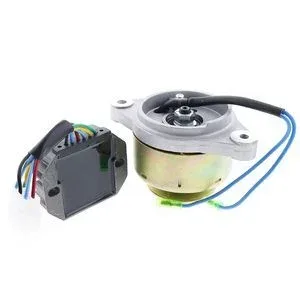
Alternator
12V 14A Alternator for Kubota B-Series – Fleet Supply
<ul> <li>Sourcing for older B-series models remains available to support long-term fleet planning.</li> </ul>
Lead Time
2-5 Days
Warranty
3-12 Months
Min. Order
1 Piece
Ships To
120+ Countries
Request a Quote
Response within 24 hours
Product Details
Fleet Stocking Support — XUNPO maintains continuous production runs of 15531-64017 alternator variants, ensuring older B-series tractors remain serviceable across your fleet lifecycle.
Technical Specifications
| Parameter | Value |
|---|---|
| Part Number | 15531-64017, 15531-54013, 15531-64016, 6C040-59252 |
| Product Type | Alternator |
| Cross-Reference (reference only) | 1553164017, 1553154013, 1553164016, 6C04059252, 15531-64603, 15531-64601, RS5101, RS5155 |
| Machine Fitment | Kubota B1550D, B1700DT, B2100HSD, B2410HSE, B2630HSD, B7800HSD, B9200HSD, BX1830D, BX2230D, F2100E, ZD21, ZD28 and others |
| Electrical Rating | 12V, 14A output |
| Regulator Output Voltage | 13.8–14.4V DC |
| Winding Insulation Class | Class H (180°C) |
| Brush Material | Silver-graphite with dual-spring pressure |
| Stator Material | Grain-oriented silicon steel laminations |
| Housing Material | Die-cast aluminum with anodized surface treatment |
| Shaft Runout | ≤0.05 mm |
| Condition | New Aftermarket |
| Warranty | 3–12 months against manufacturing defects |
| MOQ | 1 piece |
Application Suitability
| Service Interval | What to Check |
|---|---|
| Every 1,500–2,000 hours | Brush length and slip ring surface condition |
| Seasonal (pre-harvest/pre-planting) | Output voltage under load, belt tension and alignment |
| Battery replacement | Alternator output consistency and regulator stability |
| Post-storage recommissioning | Bearing noise, insulation resistance, rotor shaft runout |
| 5-year major inspection | Complete charging circuit including alternator, wiring harness and battery |
When Your B-Series Tractor Stops Mid-Season Because Nobody Planned Ahead
A predictable wear component treated as an emergency becomes a season-killer.
Fleet operators across Latin America and Southeast Asia routinely replace alternators only after the battery fails and the tractor sits idle during peak working weeks. I have seen B-series tractors in rice paddies go down because the 12V 14A Kubota Alternator was never added to the preventive maintenance schedule, even though the rectifier and brushes degrade gradually over thousands of operating hours. [NEED_CITE: agricultural fleet maintenance scheduling best practices] The cost is never just the part — it is the idle crew, the delayed planting window, and the cascading rental expenses while waiting for a replacement to arrive.
Where the Alternator Sits in Your Machine’s Service Life
The alternator in a Kubota B-series tractor occupies a critical position between routine consumables and major powertrain overhauls. Unlike engine oil filters that change every service visit, the 12V 14A Kubota Alternator typically survives multiple seasons before showing measurable output decline, yet it rarely receives scheduled inspection attention until voltage irregularities appear at the battery terminals.
Fleet managers who track operating hours across multiple B-series units can identify predictable replacement windows. The unit ages through three phases: initial stable output, gradual brush wear with slightly elevated ripple voltage, and eventual rectifier or bearing degradation that causes intermittent undercharging. Recognizing the transition between the second and third phase allows planned replacement during a scheduled service window rather than an emergency field callout.
Reading the Warning Signs Before Complete Failure
Output degradation in this alternator follows a recognizable pattern. Chronic undercharging manifests first as sulfation buildup on battery plates, which then gets blamed on the battery itself. The actual root cause — worn silver-graphite brushes losing consistent contact pressure against the slip ring — goes unaddressed until the battery can no longer hold sufficient charge to start the machine. [NEED_CITE: alternator brush wear progression in agricultural diesel applications]
Bearing noise is another indicator. The Class H insulation tolerates sustained operating temperatures well, but pulley-side bearing degradation creates shaft runout that accelerates brush wear unevenly. If you hear a low-frequency growl from the alternator housing during cold start, the bearing is already past optimal service life. Linking these symptoms to your fleet’s replacement schedule prevents the reactive purchasing cycle that drives up total operating costs across the fleet.
How the Specifications Translate to Field Durability
The 12V, 14A output rating matches the electrical demands of B-series tractors running standard lighting, ECU monitoring, and instrument cluster loads. The internal regulator maintains output between 13.8V and 14.4V DC, which falls within the optimal charging window for lead-acid batteries commonly used in agricultural equipment — high enough to prevent sulfation, controlled enough to avoid electrolyte loss.
Grain-oriented silicon steel laminations in the stator reduce core losses, meaning less waste heat generated inside the housing during sustained operation. The die-cast aluminum housing with anodized surface treatment provides corrosion resistance against the humid, chemical-laden environments typical of fieldwork — fertilizer dust, pesticide residue, and constant moisture exposure. Shaft runout held to 0.05 mm or less ensures that the silver-graphite brushes maintain even contact across the slip ring surface, directly extending brush service life before replacement becomes necessary.
The Hidden Accumulated Cost of Reactive Replacement
When an alternator failure forces an unplanned stop, the immediate parts cost is the smallest line item. The tractor sits idle while the fault is diagnosed, a replacement is sourced, and shipping completes. During planting or harvest windows, that idle time compounds into missed weather opportunities and compressed schedules that stress the entire fleet.
Fleet operators who have shifted to planned alternator replacement based on operating hours report noticeably lower total charging-system expenses over a five-year cycle. [NEED_CITE: total cost of ownership for planned versus reactive component replacement] The pattern is consistent: one planned swap during scheduled service eliminates two or three emergency callouts that would otherwise accumulate across the same period. The B-series alternator is inexpensive enough that stocking several units costs far less than a single day of unplanned downtime for a revenue-generating machine.
Why Procurement Through XUNPO Supports Lifecycle Planning
Self-produced and sourced alternator lines carry identical quality control and warranty terms, so fleet planning does not require tracking which batch came from which production source. Eight equipment part categories under one account mean your alternator order consolidates with filters, seals, undercarriage components, and engine parts into a single dispatch.
Minimum order of one piece allows testing fitment on a single B-series unit before committing to fleet-wide stocking quantities. The Guangzhou warehouse maintains stock of common alternator variants for fast dispatch, while technical staff can verify cross-reference numbers including superseded references like 15531-64603 and RS5101 to confirm compatibility with older production machines. Sample supply before bulk purchase eliminates the risk of ordering the wrong variant across a mixed-age fleet.
Documentation & Verification
- Commercial invoice and packing list with part number 15531-64017 and variant cross-references clearly marked
- Alternator compatibility sheet covering B-series model range and superseded OEM numbers (reference only)
- Quality inspection record showing output voltage, shaft runout, and regulator function test results
- Warranty terms document specifying coverage period and manufacturing defect conditions
- Packing photographs confirming sealed retail packaging with anti-static foam protection before dispatch
- HS code and customs documentation support for cross-border agricultural equipment parts shipments
Service Interval & Stocking Guidance
- Inspect alternator output voltage at every 1,500-hour service interval, targeting 13.8–14.4V under load
- Listen for bearing noise during cold start as early indicator of shaft runout exceeding 0.05 mm specification
- Stock one spare alternator per five B-series units in fleet to cover predictable wear across duty cycles
- Store spare alternators in sealed original packaging with anti-static foam to prevent moisture ingress
- Replace alternator proactively when battery requires frequent jump-starts despite holding charge under test
- Coordinate alternator replacement with belt and pulley inspection to address alignment issues simultaneously
Planning Your Fleet’s Charging System Maintenance
Provide your B-series machine models and accumulated operating hours to receive alternator replacement cycle recommendations tailored to your duty profile. Include the age spread of your fleet so we can verify which production variants you need and confirm stocking quantities that align with your service schedule.
Frequently Asked Questions
Q: How often should the alternator be replaced under normal field conditions?
A: Replacement timing depends on operating environment and load profile. In typical agricultural service with dust and vibration exposure, the alternator generally reaches its service limit between 2,000 and 3,000 operating hours. Monitoring output voltage at scheduled service intervals provides a more accurate indicator than hours alone, as environmental conditions significantly affect brush and bearing wear rates.
Q: What warning signs indicate the alternator is nearing end of service life?
A: Look for batteries requiring increasingly frequent recharging, dimming lights during idle, and a low-frequency bearing growl at cold start. Voltage readings below 13.8V under load suggest the regulator or rectifier is degrading. These symptoms develop gradually, giving you a window to plan replacement before complete failure shuts down the machine.
Q: Should I replace just the alternator or the entire charging circuit at once?
A: If the alternator has been undercharging for an extended period, the battery may have accumulated sulfation damage that reduces its service life regardless of alternator replacement. Inspect battery condition, belt tension, pulley alignment, and wiring connections alongside the alternator swap to avoid chasing a charging system fault that has migrated to an adjacent component.
Q: How many spare alternators should a fleet keep on hand?
A: For a fleet of similarly aged B-series tractors running comparable duty cycles, stocking one alternator per five machines covers predictable replacement needs without over-investing in inventory. Adjust upward if your fleet includes older machines past primary manufacturer support, where sourcing lead times may extend during peak season demand.
Q: Can I still get parts for older B-series tractors that are no longer in current production?
A: XUNPO maintains supply continuity for older Kubota B-series models through verified cross-reference coverage, including superseded part numbers. Provide your machine model and production year so we can confirm the correct alternator variant and advise on long-term stocking strategy for aging fleet assets.
Compatible Brands
Our parts are engineered to meet or exceed OEM specifications. Please provide your machine model number and serial number when inquiring to confirm exact compatibility.
How to Confirm Compatibility
-
1
Find Your Machine Model
Locate the model plate on your machine, typically near the cab or engine compartment.
-
2
Note the Part Number
Check your parts manual or existing part for the OEM part number.
-
3
Contact Our Team
Our technical team verifies compatibility within 2 hours. Send us the details via the inquiry form or WhatsApp.
Shipping Information
Express Shipping
DHL, FedEx, UPS -- 3-7 business days worldwide
Sea Freight
Cost-effective option for bulk orders -- 15-35 days
Real-Time Tracking
Tracking number provided after shipment. 24/7 support available.
Warranty Policy
All parts come with manufacturer warranty. Duration varies by product category.
- Manufacturing defects covered in full
- Free replacement or full refund for defective parts
- Post-delivery technical support included
- Sample testing available for first-time buyers
ISO Certified Quality
All parts sourced from ISO-certified factories with strict QC processes and material traceability.
Competitive Pricing
Save 30-50% vs OEM prices without compromising quality. Transparent pricing with no hidden fees.
Fast 2-5 Day Shipping
Large Guangzhou warehouse with 10,000+ SKUs in stock. Most orders ship within 2-5 business days.
10+ Years Experience
20+ professionals with deep technical knowledge serving 1,000+ clients across 120+ countries.
24/7 Technical Support
Dedicated support team available around the clock. Part verification within 2 hours of inquiry.
Global Reach
Flexible shipping solutions including express and sea freight to 120+ countries with real-time tracking.
Related Products
More parts you might need


Engine Auxiliary Components
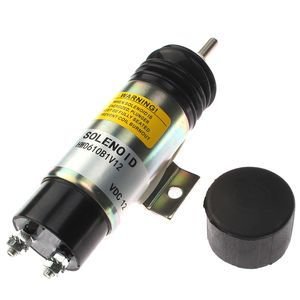
12V Dual Coil Pull Solenoid D610-B1V12 for Kubota WG750/DF752 – Fast-Acting Engine Start Control
View Details
Engine Auxiliary Components
Spark Plug X52404500056 X52404500062 for MTU 4000 – Service Part
View DetailsNeed a Custom Quote?
Our technical team responds within 24 hours. MOQ 1 piece. Ships to 120+ countries from our Guangzhou warehouse.