

Engine Auxiliary Components
Engine Auxiliary Components
ISO Certified
Ships 2-5 Days
MOQ 1 Piece
Engine Auxiliary Components
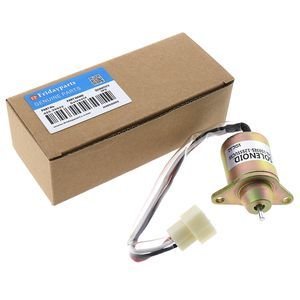
12V Fuel Shut-Off Solenoid 425-35925 for Yanmar Engines – Scheduled Maintenance
<p>Long-term supply commitment maintained for aging Yanmar-powered platforms.</p>
Lead Time
2-5 Days
Warranty
3-12 Months
Min. Order
1 Piece
Ships To
120+ Countries
425-35925
Fuel System
Gehl Fitment
Service Part
stop solenoid
Yanmar Compatible
Request a Quote
Response within 24 hours
Prefer instant chat?
WhatsApp
Product Details
Scheduled Maintenance — Replacement intervals and wear progression mapped for Yanmar-powered skid steer loaders to keep aging fleets operational.
Technical Specifications
| Parameter | Value |
|---|---|
| Part Number | 425-35925 |
| Product Type | Stop Solenoid |
| Cross-Reference | 425-35925 (reference only), 42535925 (reference only) |
| Machine Fitment | Gehl SL3635, SL3935, 3640, 3840, 4240, 1448, 154; Mustang 2012, 2022, 2026, 2032, 2041, 2044, 2054 |
| Voltage | 12V |
| Operating Voltage Range | 11–14V |
| Electromagnetic Response Time | <35 ms |
| Insulation Resistance | >100 MΩ |
| Actuation Cycle Validation | ≥50,000 cycles |
| Coil Material | Copper-clad aluminum |
| Plunger Shaft Material | Stainless steel |
| Seal Material | EPDM rubber (SAE J2044 compliant) |
| Pressure Rating | Up to 5 bar |
| Dimensional Tolerance | ±0.1 mm |
| Surface Treatment | Passivation (ASTM B117 96-hour salt-spray resistance) |
| Condition | New Aftermarket |
| Warranty | 3–12 months against manufacturing defects |
Application Suitability
| Service Interval | What to Check |
|---|---|
| Every 2,000 operating hours or annually | Plunger return spring tension, coil continuity, wiring harness integrity |
| When engine fails to shut down cleanly | Fuel line seals, injection pump condition, electrical connector corrosion |
| Prior to seasonal deployment in rental fleets | Solenoid actuation response, mounting bolt torque, adjacent fuel system components |
| During major service on older Gehl and Mustang units | Full fuel shut-off circuit including relay, switch, and grounding points |
| When storing machines for extended periods | Solenoid seal condition to prevent fuel weepage into injection pump |
Why Skid Steer Fleets Run Into Fuel Shut-Off Failures Unexpectedly
Most stop solenoid failures surface only after the engine refuses to shut down, by which point fuel dilution has already begun affecting the injection pump.
Fleet operators managing mixed Gehl and Mustang skid steer fleets often treat the fuel shut-off solenoid as a non-wearing component. In practice, the plunger mechanism endures thousands of thermal cycles, and the internal spring loses tension over time. When I worked on fleet procurement in Southeast Asia, I watched several Yanmar-powered machines sit idle for weeks because a single solenoid was overlooked in the maintenance schedule, and no replacement was on hand. [NEED_CITE: preventive maintenance scheduling standards for compact diesel equipment]
The real cost is not the solenoid itself. It is the secondary damage that accumulates while the machine operates with incomplete fuel cutoff — carbon deposits building on injector tips, fuel diluting the engine oil, and the injection pump running dry during shutdown sequences. Scheduling the fuel shut-off solenoid replacement ahead of failure eliminates this cascade.
Where the Stop Solenoid Sits in the Skid Steer Service Lifecycle
The fuel shut-off solenoid occupies a predictable position in the maintenance cycle of Yanmar-powered skid steer loaders. Unlike hydraulic hoses that fail suddenly or undercarriage components that wear proportionally to ground contact hours, the stop solenoid degrades through repeated electromagnetic actuation and thermal cycling. Each engine start and shutdown represents one complete cycle, and the coil insulation gradually breaks down under sustained vibration and heat exposure from the adjacent engine block.
For fleet managers planning maintenance budgets, the stop solenoid replacement aligns naturally with the annual service interval or the 2,000-hour major service, whichever comes first. This positions the fuel shut-off solenoid service part alongside fuel filters, air filters, and engine oil changes — all consumables that can be ordered together and replaced during the same downtime window.
Recognizing Wear Before the Solenoid Fails Completely
Three symptoms reliably indicate that a fuel shut-off solenoid is approaching the end of its service life on Gehl and Mustang skid steer loaders. The first is sluggish engine shutdown: the operator turns the key off, but the engine continues running for several seconds before stopping. The second is intermittent stalling during operation, caused by the plunger partially closing the fuel passage under vibration. The third is a noticeable delay in engine response when the operator re-engages the throttle after an idle period. [NEED_CITE: diesel engine fuel system fault diagnosis procedures for compact loaders]
When any of these symptoms appear, the fuel shut-off solenoid maintenance replacement should be scheduled within the next available service window rather than deferred. The solenoid does not fail gracefully — it moves from intermittent to complete failure, often at the worst possible moment on a job site.
How Voltage Range and Response Time Translate to Field Reliability
The 12V operating specification with an 11–14V tolerance range matters because skid steer electrical systems experience significant voltage fluctuation during cold starts and heavy hydraulic cycling. A solenoid rated narrowly at exactly 12V may fail to actuate when the battery dips during cranking, leaving the operator unable to shut down the engine through normal controls. The electromagnetic response time of under 35 milliseconds ensures the plunger moves fully before fuel pressure fluctuations can push past a partially seated valve.
The stainless steel plunger shaft paired with the EPDM rubber seal compliant with SAE J2044 provides resistance against the corrosive effects of modern low-sulfur diesel and biodiesel blends. The passivation surface treatment, validated through ASTM B117 salt-spray testing, protects the solenoid body from the moisture and debris exposure typical in construction site and quarry environments where these machines operate daily.
What Reactive Purchasing Costs Over a Fleet’s Operating Life
Fleet operators who purchase stop solenoids only after complete failure accumulate hidden costs that compound across the fleet’s operating life. Each emergency failure means an unplanned machine stoppage, often on a job site where the loader is critical to the production sequence. The injection pump may sustain damage from fuel starvation during the period of incomplete shutoff, turning a minor component replacement into a fuel system overhaul. [NEED_CITE: total cost of ownership analysis for compact equipment fleet maintenance]
Beyond the direct repair cost, reactive procurement forces expedited shipping charges and premium pricing for single-piece emergency orders. By contrast, stocking fuel shut-off solenoid service parts as planned consumables allows batch ordering at standard freight rates and replacement during scheduled downtime windows when the machine is already pulled from service for other maintenance tasks.
Why This Sourcing Model Works for Aging Skid Steer Fleets
Our production and sourcing structure supports the specific needs of fleet operators managing older Gehl and Mustang skid steer loaders. Selected part lines are manufactured in our own facility, while remaining categories come from qualified ISO-certified partners — both carry identical warranty terms under a single account. The eight product categories available mean a complete service order including fuel filters, engine gaskets, and electrical components ships as one consignment, avoiding split deliveries.
Part identification works from the machine model alone when nameplates are worn or painted over. Cross-reference verification covers superseded and alternate numbers, which matters for older Yanmar-powered machines where the original solenoid reference may have been updated across production generations. Technical support is available for compatibility confirmation before commitment, and sample supply allows fitment verification on a single machine before the fleet batch ships.
Documentation & Verification
- Commercial invoice listing machine model and solenoid cross-reference for customs clearance
- Part compatibility sheet confirming Gehl and Mustang fitment with reference only OEM numbers
- Dimensional inspection record verifying ±0.1 mm tolerance on plunger and body
- Warranty terms covering 3–12 months against manufacturing defects
- Packing photographs showing protective wrapping for EPDM seal surfaces
- HS code and export documentation support for international fleet operators
Service Interval & Stocking Guidance
- Replace the 12V stop solenoid at 2,000-hour intervals or annually, whichever arrives first
- Inspect plunger return spring and wiring connector during every 500-hour routine service
- Stock a minimum of two units per ten-machine fleet segment for predictable availability
- Store spare solenoids in sealed packaging to protect the EPDM seal from ozone and UV degradation
- Record operating hours at installation to build accurate replacement interval history per machine
- Verify coil continuity with a multimeter before installation to confirm no transit damage
Planning Your Next Solenoid Replacement Cycle
Provide your skid steer model, current operating hours, and fleet size so we can suggest a stocking quantity and replacement schedule that aligns with your existing maintenance windows. For machines with worn nameplates, a photograph of the engine block casting number or the existing solenoid body is sufficient for identification. We can cross-reference superseded part numbers and confirm compatibility across different production years of the same Gehl or Mustang platform.
Frequently Asked Questions
Q: How often should the fuel shut-off solenoid be replaced on a skid steer loader?
A: We recommend scheduling the fuel shut-off solenoid replacement at every 2,000 operating hours or annually during the major service interval. This aligns with fuel filter and engine oil service windows, so the machine is already out of production. Operators in high-vibration environments such as quarry work may benefit from shorter intervals based on observed plunger response degradation.
Q: What symptoms indicate the solenoid is approaching end of service life?
A: Three reliable indicators appear before complete failure: delayed engine shutdown where the diesel continues running for several seconds after key-off, intermittent stalling during operation from partial plunger closure, and sluggish throttle response after idle periods. Any of these warrants scheduling a fuel shut-off solenoid maintenance replacement during the next available service window.
Q: Should I inspect the injection pump when replacing the solenoid?
A: Yes. A solenoid that has been delivering incomplete fuel cutoff often allows fuel weepage past the plunger into the injection pump cavity. Check the pump seals and internal passages for fuel dilution residue. If carbon buildup is visible on injector tips, consider replacing the fuel filter and flushing the lines during the same service visit.
Q: How many spare solenoids should a fleet keep on hand?
A: A practical baseline is two spare units per ten machines in the fleet. This covers one immediate replacement and one buffer while the next batch ships. Rental fleets with rapid turnaround cycles may increase this ratio, particularly for older Gehl and Mustang models where dealer inventory has thinned.
Q: Can I still get replacement solenoids for older Gehl and Mustang models?
A: Yes. Cross-reference verification covers superseded numbers across production generations. When the original reference has been updated, the replacement solenoid maintains dimensional and electrical compatibility with the original mounting pattern. Provide your machine model and engine serial number for accurate variant confirmation before ordering.
Compatible Brands
CAT
KOMATSU
HITACHI
VOLVO
HYUNDAI
DOOSAN
KOBELCO
SANY
XCMG
Our parts are engineered to meet or exceed OEM specifications. Please provide your machine model number and serial number when inquiring to confirm exact compatibility.
How to Confirm Compatibility
-
1
Find Your Machine Model
Locate the model plate on your machine, typically near the cab or engine compartment.
-
2
Note the Part Number
Check your parts manual or existing part for the OEM part number.
-
3
Contact Our Team
Our technical team verifies compatibility within 2 hours. Send us the details via the inquiry form or WhatsApp.
Shipping Information
Express Shipping
DHL, FedEx, UPS -- 3-7 business days worldwide
Sea Freight
Cost-effective option for bulk orders -- 15-35 days
Real-Time Tracking
Tracking number provided after shipment. 24/7 support available.
Warranty Policy
3-12
Months Warranty
All parts come with manufacturer warranty. Duration varies by product category.
- Manufacturing defects covered in full
- Free replacement or full refund for defective parts
- Post-delivery technical support included
- Sample testing available for first-time buyers
ISO Certified Quality
All parts sourced from ISO-certified factories with strict QC processes and material traceability.
Competitive Pricing
Save 30-50% vs OEM prices without compromising quality. Transparent pricing with no hidden fees.
Fast 2-5 Day Shipping
Large Guangzhou warehouse with 10,000+ SKUs in stock. Most orders ship within 2-5 business days.
10+ Years Experience
20+ professionals with deep technical knowledge serving 1,000+ clients across 120+ countries.
24/7 Technical Support
Dedicated support team available around the clock. Part verification within 2 hours of inquiry.
Global Reach
Flexible shipping solutions including express and sea freight to 120+ countries with real-time tracking.
Related Products
More parts you might need
Engine Auxiliary Components
12V stop solenoid for Cummins 4BT 6BT engines – direct OEM replacement
View Details
Engine Auxiliary Components
Fuel Shut Off Solenoid AM124377 AM102863 – Fleet Supply for John Deere
View Details
Need a Custom Quote?
Our technical team responds within 24 hours. MOQ 1 piece. Ships to 120+ countries from our Guangzhou warehouse.