

Engine Auxiliary Components

Engine Auxiliary Components
ISO Certified
Ships 2-5 Days
MOQ 1 Piece
Engine Auxiliary Components
12V Shutoff Solenoid Valve 1G820-60022 for Kubota – Fleet Supply
<p><strong>1G820-60022 Stop Solenoid, 12V, EPDM Dual O-Ring Seals</strong> — replacement for Kubota D722, D782, D902 engines in KX018-4, U15, U17 and SCL1000 equipment.</p> <ul> <li>Plan replacement at early signs of delayed engine release or erratic shutdown to avoid fuel system over-fueling damage</li> <li>EPDM seals degrade predictably in diesel environments — schedule alongside routine service intervals rather than waiting for failure</li> <li>Sustained aftermarket availability supports aging fleet lifecycle planning when brand support thins</li> </ul> <p>Replacement interval guidance included with shipment for fleet maintenance scheduling.</p>
Lead Time
2-5 Days
Warranty
3-12 Months
Min. Order
1 Piece
Ships To
120+ Countries
12V Voltage
1G820-60022
Fleet Supply
Fuel System
Kubota Compatible
stop solenoid
Request a Quote
Response within 24 hours
Prefer instant chat?
WhatsApp
Product Details
Stocking Ahead — planning replacement of this stop solenoid before coil failure keeps Kubota-powered fleets generating revenue instead of sitting idle.
Technical Specifications
| Parameter | Value |
|---|---|
| Part Number | 1G820-60022 |
| Cross-Reference | 1G820-60010, 1G820-60012, 1G820-60020 (reference only) |
| Product Type | Stop Solenoid |
| Machine Fitment | KX018-4, KX41-3, U15, U17, SCL1000, K008-5 |
| Brand Compatibility | Kubota |
| Voltage | 12V |
| Armature Core Material | Low-carbon steel |
| Coil Winding | Class H (180°C) enamel-insulated copper wire |
| Sealing | Dual EPDM O-rings |
| Operating Temperature | Up to 85°C ambient |
| Condition | New Aftermarket |
| Warranty | 6 months against manufacturing defects |
| MOQ | 1 piece |
| Standards | ISO 9001, SAE J1926 |
Application Suitability
| Service Interval | What to Check |
|---|---|
| Every major engine service (2,000–3,000 hours) | Inspect coil resistance and wiring harness condition for voltage drop |
| Annual fleet preventive maintenance cycle | Verify solenoid response time during key-off and check EPDM seal condition |
| Pre-season commissioning for rental fleets | Test shutdown circuit continuity, relay function, and control module output |
| When engine exhibits delayed shutdown | Measure supply voltage under load; check for degraded wiring insulation |
| Older Kubota D722/D902 units past brand support window | Confirm part availability and cross-reference superseded numbers before scheduling overhaul |
Why a Stop Solenoid Maintenance Replacement Part Belongs in Your Planned Inventory
Waiting for the solenoid to fail means the machine has already stopped earning.
Fleet operators running Kubota-powered excavators and loaders often treat the shutdown solenoid as a component that either works or does not — there is no middle ground in their maintenance planning. In my experience supporting copper mining operations in Chile, a machine brought down by a burned coil sat idle while the team diagnosed what they assumed was a fuel system fault. The root cause turned out to be aging wiring that delivered unstable voltage to the solenoid, destroying the replacement within weeks [NEED_CITE: electrical circuit degradation patterns in heavy-duty diesel engine shutdown systems]. Reactive purchasing of a stop solenoid maintenance replacement part after failure has already occurred adds idle hours on top of the procurement lead time.
A planned approach means the component arrives before the scheduled service window, not after the operator reports erratic shutdowns or fuel weeping past degraded seals. For rental companies turning machines between contracts, having this solenoid on the shelf eliminates the gap between a failed unit and the next available rental slot.
Where This Solenoid Sits in the Machine’s Service Life
The stop solenoid is a predictable wear item in the engine shutdown circuit of Kubota D722, D782, and D902 engines. It operates every time the key is turned off, pulling the fuel rack to the no-fuel position. Over thousands of cycles, the coil insulation degrades under sustained heat exposure, and the EPDM seals harden in the presence of diesel fuel and elevated ambient temperatures. This stop solenoid maintenance replacement part is typically addressed during the second or third major service interval, when electrical component wear begins to accumulate alongside mechanical wear items.
Recognizing the Signs Before Complete Failure
Erratic engine shutdown behavior is the most common early indicator — the engine may hesitate before stopping, or the solenoid may release slowly after key-off, allowing the engine to run on briefly. Fuel leakage past worn O-rings is another signal that the sealing surfaces have exceeded their service life. In some cases, the coil fails outright due to voltage instability in the wiring harness rather than internal degradation. A fleet that replaces the solenoid based on operating hours and environmental conditions avoids the compounding cost of unplanned downtime, emergency freight, and secondary damage to the fuel injection system from over-fueling [NEED_CITE: diesel engine shutdown circuit failure modes and preventive maintenance intervals].
Reading the Specifications That Matter in the Field
The 12V rating defines the operating voltage, but what matters in practice is whether the machine’s electrical system consistently delivers clean voltage to the solenoid terminals. Voltage drop across corroded connectors or undersized wiring can starve the coil, causing incomplete actuation and accelerated thermal stress. The Class H enamel insulation on the copper winding is rated to 180°C, which provides meaningful thermal headroom above the 85°C maximum ambient operating temperature — this margin matters in high-load applications where engine bay temperatures climb during sustained operation. The low-carbon steel armature core provides consistent magnetic response across the operating temperature range. Dual EPDM O-rings handle the sealing interface between the solenoid body and the fuel system, and their resistance to diesel fuel and heat determines the replacement interval more than any other single factor.
The Hidden Cost of Buying Only After Failure
A reactive purchase pattern for shutdown circuit components creates a cycle of repeat failures. When a solenoid burns out due to wiring faults and only the solenoid is replaced, the underlying voltage instability remains unaddressed. I have seen this pattern on mining sites where the same machine returned to the workshop within a single month, each time with a new solenoid installed but the degraded harness still in place [NEED_CITE: root cause analysis methodology for repeat electrical component failures in mobile equipment]. The cumulative cost is not the price of the parts — it is the machine hours lost to repeat disassembly, diagnostic time, and the compounding effect on the fleet’s utilization rate.
Why Source This Component Through XUNPO
This stop solenoid is produced on qualified manufacturing lines that carry the same quality control and warranty terms across all supply channels. The eight-category product range means that when you plan a shutdown circuit service, associated items like relays, wiring connectors, and fuel system seals can ship in a single consignment under one account. Orders start from a single piece, so a small rental fleet can stock two or three spares without meeting a bulk minimum. Part identification is confirmed from the machine model, engine serial number, or a photograph of the existing nameplate when the original markings are worn. The technical team verifies cross-reference numbers including superseded variants to ensure the correct unit ships before the service window opens.
Documentation & Verification
- Commercial invoice and packing list with solenoid batch and voltage rating noted
- Cross-reference sheet listing 1G820-60010, 1G820-60012, 1G820-60020 as interchange references
- Quality inspection record covering coil resistance and dimensional tolerance check
- Six-month warranty terms against manufacturing defects documented per unit
- Packing photographs showing protective wrapping for coil and O-ring surfaces
- HS code and customs documentation support for international fleet supply orders
Service Interval & Stocking Guidance
- Plan replacement during the second or third major engine service based on operating hours
- Check coil resistance and wiring harness condition annually across the fleet
- Stock one spare per five machines in high-utilization fleets operating in dusty or high-temperature environments
- Inspect EPDM O-rings for hardening or cracking during each removal; replace seals with the solenoid
- Store spares in sealed packaging away from direct sunlight and diesel vapor exposure
- Verify wiring circuit voltage stability before installing a new unit to prevent repeat coil failure
Request a Stocking Proposal for Your Fleet
Provide the Kubota engine model, engine serial number, and current fleet operating hours. Our team will confirm the correct cross-reference variant and recommend a stocking quantity aligned with your service schedule and operating environment.
Frequently Asked Questions
Q: How often should the stop solenoid be replaced in a Kubota-powered fleet?
A: The replacement interval depends on operating hours, ambient temperature, and electrical system condition. In typical construction and mining environments, inspecting the solenoid during every major engine service and planning replacement by the third service cycle prevents unplanned shutdowns. High-temperature or high-vibration applications may require earlier attention, particularly if EPDM seal hardening or coil resistance drift is detected during inspection.
Q: What symptoms indicate the solenoid is nearing end of life?
A: Delayed engine release after key-off, erratic shutdown behavior, and visible fuel weeping around the solenoid mounting point are the primary indicators. Coil degradation may also manifest as intermittent failure to shut down, requiring multiple key cycles. Any of these signs warrants immediate inspection of both the solenoid and the supply wiring to identify whether the fault originates in the component or the circuit.
Q: Should I replace just the solenoid or inspect the whole shutdown circuit?
A: Replacing only the solenoid without checking the wiring harness, relay, and control module risks repeat failure if voltage instability caused the original fault. A complete circuit inspection — measuring voltage at the solenoid terminals under load, checking connector condition, and verifying relay function — ensures the replacement unit operates within its design parameters and delivers its full service life.
Q: How many spares should a fleet keep on hand?
A: Stocking ratios depend on fleet size, utilization intensity, and proximity to supply. For high-utilization fleets, one spare per five machines provides coverage for unplanned failures between scheduled service windows. Rental companies turning equipment between contracts should keep at least two units available to avoid turnaround delays when a shutdown circuit fault is discovered during pre-rental inspection.
Q: Can I still get this part for older Kubota models?
A: Yes. This solenoid is compatible with Kubota D722, D782, and D902 engines found across multiple excavator and loader generations, including models where brand support is thinning. Cross-reference verification covers superseded part numbers to ensure the correct variant is supplied regardless of the machine’s production year.
Compatible Brands
CAT
KOMATSU
HITACHI
VOLVO
HYUNDAI
DOOSAN
KOBELCO
SANY
XCMG
Our parts are engineered to meet or exceed OEM specifications. Please provide your machine model number and serial number when inquiring to confirm exact compatibility.
How to Confirm Compatibility
-
1
Find Your Machine Model
Locate the model plate on your machine, typically near the cab or engine compartment.
-
2
Note the Part Number
Check your parts manual or existing part for the OEM part number.
-
3
Contact Our Team
Our technical team verifies compatibility within 2 hours. Send us the details via the inquiry form or WhatsApp.
Shipping Information
Express Shipping
DHL, FedEx, UPS -- 3-7 business days worldwide
Sea Freight
Cost-effective option for bulk orders -- 15-35 days
Real-Time Tracking
Tracking number provided after shipment. 24/7 support available.
Warranty Policy
3-12
Months Warranty
All parts come with manufacturer warranty. Duration varies by product category.
- Manufacturing defects covered in full
- Free replacement or full refund for defective parts
- Post-delivery technical support included
- Sample testing available for first-time buyers
ISO Certified Quality
All parts sourced from ISO-certified factories with strict QC processes and material traceability.
Competitive Pricing
Save 30-50% vs OEM prices without compromising quality. Transparent pricing with no hidden fees.
Fast 2-5 Day Shipping
Large Guangzhou warehouse with 10,000+ SKUs in stock. Most orders ship within 2-5 business days.
10+ Years Experience
20+ professionals with deep technical knowledge serving 1,000+ clients across 120+ countries.
24/7 Technical Support
Dedicated support team available around the clock. Part verification within 2 hours of inquiry.
Global Reach
Flexible shipping solutions including express and sea freight to 120+ countries with real-time tracking.
Related Products
More parts you might need

Engine Auxiliary Components
Glow Plug 16693SRV Compatible with Mitsubishi L3E – Service Part
View Details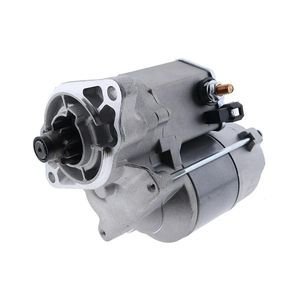
Engine Auxiliary Components
Wear Item Starter Motor 19269-63013 Compatible with Kubota D902
View Details
Engine Auxiliary Components
Starter Motor 12V 11T 129242-77010 | Overhaul Grade for Yanmar 3TNV88
View DetailsNeed a Custom Quote?
Our technical team responds within 24 hours. MOQ 1 piece. Ships to 120+ countries from our Guangzhou warehouse.