
Belt Drive Systems
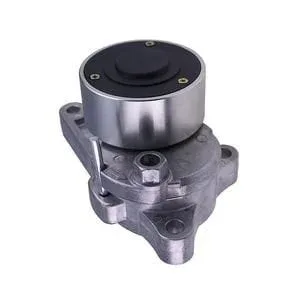
Belt Tensioner 320/08651 320/08657 for JCB 3CX 4CX – Fleet Supply
<p>Replacement interval recommendations included with shipment to support your fleet maintenance planning.</p>
Lead Time
2-5 Days
Warranty
3-12 Months
Min. Order
1 Piece
Ships To
120+ Countries
Request a Quote
Response within 24 hours
Product Details
Fleet Supply Strategy — Scheduled replacement of belt tensioners across your JCB backhoe fleet prevents cascading drive failures that reactive purchasing cannot solve.
Technical Specifications
| Parameter | Value |
|---|---|
| Part Number | 320/08651 320/08657 |
| Product Type | Belt Tensioner |
| Cross-Reference | 320/08584, 320/08651, 320/08657, 320/08759, 320/A8586 (reference only) |
| Machine Fitment | 1400B, 1550B, 1600B, 1700B, 214, 215, 216, 217, 3C, 3CX, 3D, 4CX, Hydradig |
| Condition | New Aftermarket |
| Warranty | 3-12 Month |
| Standards | ISO |
Application Suitability
| Service Interval | What to Check |
|---|---|
| Every major service | Bearing noise, spring tension loss, visible arm play on tensioner assembly |
| Belt replacement cycle | Pulley groove wear, belt alignment, accessory bearing condition |
| 2000-hour inspection | Full belt drive system evaluation including tensioner, idler, and driven components |
| Pre-season fleet check | Stock levels against fleet size and historical replacement frequency |
| Older machine audit | Availability confirmation for 3C, 3D, 214, 215 series support |
When a Belt Tensioner Fails Before the Next Scheduled Service
A belt tensioner service part maintenance JCB backhoe loader replacement should never be an emergency if your fleet plan accounts for predictable wear progression.
Fleet operators running mixed JCB backhoe loader models often discover that reacting to belt squeal or snapping mid-job costs far more in cumulative downtime than stocking tensioners ahead of scheduled intervals. The tensioner is not a random failure component — it wears on a timeline that correlates with belt service life and operating hours. I have seen machines in remote mining sites go down because the tensioner bearing seized, taking the alternator and water pump offline simultaneously, when a planned swap during the last service window would have prevented the entire cascade. [NEED_CITE: belt drive system preventive maintenance intervals for heavy construction equipment]
Where the Tensioner Sits in Your Fleet Maintenance Calendar
The belt tensioner service part maintenance JCB backhoe loader cycle typically aligns with belt replacement intervals, but the tensioner itself often outlasts one belt and fails during the second belt’s service window. This creates a trap: technicians replace the belt, skip the tensioner because it still moves, and then face a tensioner failure before the next scheduled belt change. Planning tensioner replacement every second belt cycle across your fleet eliminates this gap and keeps your belt drive system within predictable maintenance windows.
Recognizing Wear Before the Tensioner Takes Down Adjacent Components
A failing tensioner announces itself through bearing noise that grows progressively louder, loss of spring tension that allows belt flutter under load, and visible arm play when the engine is off. These signs appear weeks before catastrophic failure if anyone is checking. The hidden cost is what the tensioner does to everything else while it dies: a weak tensioner accelerates belt wear, overloads alternator and water pump bearings through uneven belt loading, and can damage the harmonic balancer on the crankshaft. [NEED_CITE: belt drive component wear linkage and cascading failure patterns]
Understanding Why Specs Matter for Long-Term Fleet Supply
The ISO standard compliance means this tensioner meets dimensional and material specifications consistent with the original design parameters for the JCB belt drive system. The new aftermarket condition ensures you receive components without the unknown fatigue history of remanufactured units — critical when you are stocking for fleet-wide scheduled replacement. The 3-12 month warranty window aligns with typical service intervals, meaning a tensioner installed at scheduled service should carry warranty coverage through its expected service life. The cross-reference compatibility across multiple JCB part numbers (320/08584, 320/08651, 320/08657, 320/08759, 320/A8586 for identification purposes) reflects superseded numbers across machine generations, allowing you to consolidate stocking for mixed fleets running 3CX, 4CX, and Hydradig variants.
The Cumulative Cost of Buying Tensioners One at a Time
Fleet operators who purchase belt tensioner units reactively — one machine down, one tensioner ordered, one expedited shipment paid — accumulate downtime costs that dwarf any perceived savings from not stocking inventory. The machine sits idle while the part ships. The technician is scheduled but idle. The job timeline slips. Worse, when the same failure hits a second machine next month, the entire reactive cycle repeats. Planning your tensioner supply based on fleet size and replacement frequency converts unpredictable emergency purchases into predictable line-item maintenance costs. [NEED_CITE: fleet maintenance planning versus reactive repair cost analysis]
Why Procurement Consolidation Matters for Belt Drive Components
This belt tensioner comes from a supplier that produces selected part lines in-house and sources remainder from qualified ISO-certified manufacturing partners, meaning both self-produced and sourced supply carry identical QC and warranty terms. You can order a single tensioner for emergency coverage or bulk quantities for fleet stocking under one account with one warranty policy. The Guangzhou warehouse maintains stock on common items for fast dispatch when your planning window tightens. Technical support is available for compatibility confirmation when you are cross-referencing older machine models like the 3C or 214 series against current part numbers. Sample supply is available for fitment confirmation before you commit to bulk stocking across your fleet.
Documentation & Verification
- Commercial invoice and packing list with tensioner part numbers and quantities clearly itemized
- Part compatibility and cross-reference sheet showing which JCB machine models each number covers (reference only)
- Quality inspection record documenting dimensional checks and bearing function before dispatch
- Warranty terms specifying coverage period and claim procedure for fleet installations
- Packing photographs showing tensioner condition and packaging integrity before shipment
- HS code and customs documentation support for international fleet supply shipments
Service Interval & Stocking Guidance
- Replace tensioner every second belt change or when bearing noise, arm play, or tension loss appears
- Inspect pulleys and belt alignment at every tensioner replacement to prevent premature wear on the new unit
- Stock one tensioner per machine for fleets under ten units, two per machine for larger or remote-site fleets
- Store tensioners in dry conditions away from temperature extremes to preserve bearing grease and spring temper
- Audit stock levels annually against actual replacement frequency to adjust reorder quantities
Planning Your Next Fleet Tensioner Order
Provide your machine model list, current service hour readings, and historical belt drive replacement records. This information allows accurate stocking recommendations that account for which variants in your fleet share the same tensioner platform and which require separate inventory. Fleet operators managing older JCB models benefit from early confirmation that supply remains available for aging equipment past typical OEM support windows.
Frequently Asked Questions
Q: How often should the belt tensioner be replaced during routine maintenance?
A: Tensioner replacement typically aligns with every second belt change, though bearing noise or visible arm play signals earlier replacement is needed. Operating conditions matter — machines in high-dust mining environments often need tensioner inspection at every service interval because contamination accelerates bearing wear. Planning replacement at predictable intervals prevents the cascading failures that take down multiple belt-driven components simultaneously.
Q: What signs indicate the tensioner is approaching end of life?
A: Listen for bearing noise that grows progressively louder during operation, particularly at idle. Check for belt flutter under load, which indicates spring tension loss. With the engine off, inspect for visible arm play when you move the tensioner by hand. These signs typically appear weeks before catastrophic failure, giving you a window to schedule replacement during planned service rather than react to a breakdown.
Q: Should I replace the belt and pulleys at the same time as the tensioner?
A: Inspect pulleys for groove wear and check belt condition whenever you replace the tensioner. A failing tensioner often damages the belt through uneven loading and accelerates pulley wear through misalignment. Replacing only the tensioner while leaving damaged pulleys in service will shorten the new tensioner’s life. Evaluate the entire belt drive system as a unit during the service window.
Q: How many units should I stock for a fleet of mixed JCB backhoe loaders?
A: Stocking quantity depends on fleet size, machine age distribution, and distance from parts supply. For fleets under ten machines in areas with accessible supply, one unit per machine provides emergency coverage. Remote sites or larger fleets benefit from higher stock levels. The cross-reference compatibility across multiple JCB part numbers allows consolidation if your fleet includes models sharing the same tensioner platform.
Q: Can I still source tensioners for older JCB models like the 3C or 214?
A: Yes, supply remains available for older JCB backhoe loader models including the 3C, 3D, 214, and 215 series. These machines often share tensioner platforms with newer models through superseded part numbers. Confirm your specific machine serial number to verify which tensioner variant fits, as older models may have different mounting configurations than current production machines.
Compatible Brands
Our parts are engineered to meet or exceed OEM specifications. Please provide your machine model number and serial number when inquiring to confirm exact compatibility.
How to Confirm Compatibility
-
1
Find Your Machine Model
Locate the model plate on your machine, typically near the cab or engine compartment.
-
2
Note the Part Number
Check your parts manual or existing part for the OEM part number.
-
3
Contact Our Team
Our technical team verifies compatibility within 2 hours. Send us the details via the inquiry form or WhatsApp.
Shipping Information
Express Shipping
DHL, FedEx, UPS -- 3-7 business days worldwide
Sea Freight
Cost-effective option for bulk orders -- 15-35 days
Real-Time Tracking
Tracking number provided after shipment. 24/7 support available.
Warranty Policy
All parts come with manufacturer warranty. Duration varies by product category.
- Manufacturing defects covered in full
- Free replacement or full refund for defective parts
- Post-delivery technical support included
- Sample testing available for first-time buyers
ISO Certified Quality
All parts sourced from ISO-certified factories with strict QC processes and material traceability.
Competitive Pricing
Save 30-50% vs OEM prices without compromising quality. Transparent pricing with no hidden fees.
Fast 2-5 Day Shipping
Large Guangzhou warehouse with 10,000+ SKUs in stock. Most orders ship within 2-5 business days.
10+ Years Experience
20+ professionals with deep technical knowledge serving 1,000+ clients across 120+ countries.
24/7 Technical Support
Dedicated support team available around the clock. Part verification within 2 hours of inquiry.
Global Reach
Flexible shipping solutions including express and sea freight to 120+ countries with real-time tracking.
Related Products
More parts you might need


Need a Custom Quote?
Our technical team responds within 24 hours. MOQ 1 piece. Ships to 120+ countries from our Guangzhou warehouse.