

Belt Drive Systems
Bobcat 751–S130-Compatible Cooling Fan Belt 6669034 – Fleet Supply
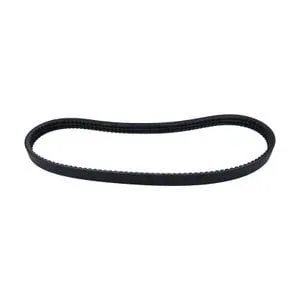
<p><strong>6669034 Cooling Fan Belt</strong> — 11×1055LA serpentine profile, heat- and oil-resistant rubber with polyester cords, replacement for Bobcat 751, 753, 763, 773, S130 skid steers.</p> <ul> <li>Scheduled replacement at defined service intervals prevents overheating shutdowns and coolant loss; inspect fan pulley and tensioner at each belt change for glazing, cracking, or fraying edges</li> <li>Pre-stocking wear parts across the fleet keeps maintenance ahead of failure, especially in high-ambient environments where belt degradation accelerates</li> <li>Continued aftermarket supply for older skid steer models supported with replacement interval guidance included per shipment</li> </ul>
Lead Time
2-5 Days
Warranty
3-12 Months
Min. Order
1 Piece
Ships To
120+ Countries
Request a Quote
Response within 24 hours
Product Details
Fleet Stocking Planned — Heat-resistant cooling fan belt supply aligned to Bobcat skid steer service intervals, securing wear parts before dealer support thins on older models.
Technical Specifications
| Parameter | Value |
|---|---|
| Part Number | 6669034 |
| Product Type | Belt |
| Cross-Reference | 6669034 (reference only) |
| Machine Fitment | Bobcat 751, 753, 763, 773, S130 |
| Belt Construction | 11*1055LA serpentine belt |
| Inner Circumference | 1005 mm |
| Outer Circumference | 1005 mm |
| Width | 11 mm |
| Thickness | 8 mm |
| Material | Heat- and oil-resistant rubber with internal polyester cords |
| Condition | New Aftermarket |
| Warranty | 3–12 months against manufacturing defects |
| MOQ | 1 piece |
| Standards | ISO 9001, ASTM D412, ISO 37 |
Application Suitability
| Service Interval | What to Check |
|---|---|
| 500–1,000 operating hours | Inspect belt for cracking, glazing, or frayed edges along the ribs |
| Seasonal pre-summer check | Verify tensioner spring force and pulley bearing play before peak ambient temperatures |
| Post-overhaul or engine swap | Confirm belt routing matches the specific engine serial variant and accessory bracket layout |
| Annual fleet audit | Review stocking levels against machine count and projected operating hours for the coming year |
| Machine redeployment to high-heat sites | Assess belt condition and consider early replacement if moving equipment to sustained high-ambient environments |
Why Reactive Belt Purchasing Costs More Than the Part Itself
A cooling fan belt service part ordered after failure has already cost you the downtime.
Running a skid steer until the belt snaps means the engine overheats, potentially warping heads or blowing head gaskets before the operator notices the temperature gauge spike. In my early days managing fleet procurement for copper mining contractors in Chile, I watched a single broken fan belt cascade into a two-day shutdown because the replacement had to be sourced from three time zones away. The belt itself was inexpensive; the lost production was not. [NEED_CITE: mobile equipment preventive maintenance cost versus reactive repair cost analysis]
Fleet owners who treat the cooling fan belt as a planned wear item, stocked in proportion to machine count and operating hours, avoid this trap entirely. The goal is to have the belt on the shelf before the maintenance schedule calls for it, not after the machine is already silent.
Where the Belt Sits in the Machine’s Service Life
The cooling fan belt on Bobcat 751 through S130 skid steers is a scheduled replacement item, not a run-to-failure component. Its position in the service life is defined by operating hours and ambient temperature exposure rather than a fixed calendar date. Machines working in high-ambient environments with sustained elevated temperatures — quarries, port terminals, mining sites — consume belts faster than units operating in temperate climates.
Fleet maintenance planners should map belt replacement to the same interval as coolant hose inspection and thermostat verification, ensuring the entire cooling system is reviewed as a single maintenance event rather than piecemeal reactions.
Wear Signs That Precede Catastrophic Failure
Before a cooling fan belt fails outright, it typically shows measurable warning signs that a disciplined inspection routine will catch. Surface cracking along the rib faces, glazing on the contact surfaces, fraying at the edges, and audible squealing under load all indicate the belt is approaching the end of its service life. [NEED_CITE: serpentine belt wear progression indicators in mobile construction equipment]
Equally important is the condition of adjacent components. The tensioner pulley bearing and the fan hub bearing should be checked for axial play and roughness at every belt change. Installing a new belt over a worn tensioner is a common mistake that leads to premature failure of the replacement — the new belt absorbs the irregular load and deteriorates far ahead of schedule.
Reading the Specifications for Field Performance
The 11*1055LA designation defines the belt’s cross-section and effective length, which together determine how it seats in the pulley grooves and transmits drive force to the cooling fan. An 11 mm width with 8 mm thickness places this belt in the narrow-section serpentine family, designed for compact accessory drives where multiple grooves share the load across a single belt.
The heat- and oil-resistant rubber compound is specified for engine bay environments where ambient under-hood temperatures routinely exceed standard industrial ratings. Internal polyester cords provide tensile stability, resisting stretch under the cyclic loading of fan acceleration and deceleration. The 1005 mm circumference must match the fixed-center distance of the Bobcat accessory drive layout — even small deviations in belt length cause either insufficient tension or excessive bearing load. ASTM D412 and ISO 37 compliance ensures the rubber compound meets standardized tensile and tear strength thresholds before it leaves the production line.
The Compounding Cost of Unplanned Belt Failures
A belt that breaks on site does not just stop the fan — it stops the machine. The operator may not notice the rising temperature immediately, and by the time the alarm triggers, heat damage to the cylinder head or turbocharger may already be underway. This turns a wear-part replacement into an engine repair event.
Fleet managers who purchase belts reactively also face the hidden logistics cost: emergency air freight, cross-border customs delays, and the administrative overhead of processing a single-line purchase order under urgency. Over a fleet of ten or more skid steers, these small emergency purchases accumulate into a material budget line that planned stocking would have eliminated entirely. [NEED_CITE: total cost of ownership for unplanned versus scheduled component replacement in construction fleets]
Why Source This Belt Through XUNPO
XUNPO produces selected part lines in-house and sources the remainder through ISO 9001-certified manufacturing partners, meaning this cooling fan belt carries the same quality control and warranty terms regardless of production origin. The eight-category product range means belt orders consolidate with filters, seal kits, and undercarriage components into a single shipment under one account.
Minimum order starts at one piece, so a single emergency replacement does not require meeting a bulk threshold. Part identification is confirmed from the machine model, serial prefix, or a photograph of the existing belt and nameplate — useful when paint or wear has obscured the original marking. Cross-reference verification covers superseded and alternate part numbers, reducing the risk of ordering a belt that fits the model family but not the specific engine variant in your machine.
Documentation & Verification
- Commercial invoice and packing list referencing the specific Bobcat model and belt quantity per line item
- Part compatibility sheet confirming 6669034 cross-reference and applicable serial ranges
- Quality inspection record documenting dimensional checks on width, thickness, and circumference
- Warranty terms covering manufacturing defects for 3 to 12 months from dispatch
- Packing photographs showing belt condition and labeling before crate closure
- HS code and customs documentation support for cross-border fleet supply shipments
Service Interval & Stocking Guidance
- Plan replacement at intervals aligned to your fleet’s typical operating hours and site ambient conditions
- Inspect for cracking, glazing, and edge fraying at every scheduled service stop
- Stock a minimum of one belt per machine on site, plus additional units for high-heat operations
- Store belts in a cool, dry environment away from direct sunlight and ozone sources to preserve rubber integrity
- Align belt changes with tensioner and pulley bearing inspection to avoid premature re-failure
- Review stocking quantities annually as fleet composition and deployment sites change
Planning Your Next Belt Order
Provide your Bobcat skid steer model, serial prefix, and current operating hours so we can confirm belt fitment and suggest stocking quantities aligned to your maintenance schedule. If the existing belt is still on the machine, a photograph of the part number marking or the engine nameplate helps verify the correct variant before dispatch.
Frequently Asked Questions
Q: How often should the cooling fan belt be replaced on a Bobcat skid steer?
A: Replacement intervals depend on operating hours and ambient temperature exposure. Machines in high-heat environments like mining or quarry work consume belts faster than those in temperate conditions. Inspect the belt at every scheduled service stop and plan replacement before visible cracking, glazing, or fraying progresses. Align the interval with your fleet’s preventive maintenance calendar rather than waiting for failure.
Q: What symptoms indicate the belt is nearing failure?
A: Surface cracking along the rib faces, a glazed or shiny appearance on the contact surfaces, fraying at the belt edges, and audible squealing during fan engagement are all common precursors. Any of these signs means the belt should be replaced at the next available service window. Continuing to operate past these warnings risks sudden failure and potential engine overheating damage.
Q: Should the tensioner and pulley be inspected or replaced at the same time?
A: Yes. Installing a new belt over a worn tensioner or a pulley with bearing play causes the replacement belt to absorb irregular loads and fail prematurely. Check the tensioner spring force and pulley bearings for roughness or axial play at every belt change. Replacing worn adjacent components during the same service event extends the life of the new belt significantly.
Q: How many belts should be stocked per machine in the fleet?
A: A practical baseline is one belt per machine held in on-site stores, with additional units for machines deployed in high-ambient or high-utilization roles. Fleet managers should review stocking levels annually against projected operating hours and adjust for seasonal demand. Having the belt on the shelf before the maintenance schedule calls for it eliminates emergency procurement overhead.
Q: Can I still get parts for older Bobcat skid steer models?
A: Yes. As brand dealer support thins for older models like the 751 and 753, aftermarket supply becomes essential for keeping these machines operational. XUNPO maintains cross-reference coverage for superseded and alternate part numbers, supporting life extension of aging skid steers with verified compatible replacement parts under consistent warranty terms.
Compatible Brands
Our parts are engineered to meet or exceed OEM specifications. Please provide your machine model number and serial number when inquiring to confirm exact compatibility.
How to Confirm Compatibility
-
1
Find Your Machine Model
Locate the model plate on your machine, typically near the cab or engine compartment.
-
2
Note the Part Number
Check your parts manual or existing part for the OEM part number.
-
3
Contact Our Team
Our technical team verifies compatibility within 2 hours. Send us the details via the inquiry form or WhatsApp.
Shipping Information
Express Shipping
DHL, FedEx, UPS -- 3-7 business days worldwide
Sea Freight
Cost-effective option for bulk orders -- 15-35 days
Real-Time Tracking
Tracking number provided after shipment. 24/7 support available.
Warranty Policy
All parts come with manufacturer warranty. Duration varies by product category.
- Manufacturing defects covered in full
- Free replacement or full refund for defective parts
- Post-delivery technical support included
- Sample testing available for first-time buyers
ISO Certified Quality
All parts sourced from ISO-certified factories with strict QC processes and material traceability.
Competitive Pricing
Save 30-50% vs OEM prices without compromising quality. Transparent pricing with no hidden fees.
Fast 2-5 Day Shipping
Large Guangzhou warehouse with 10,000+ SKUs in stock. Most orders ship within 2-5 business days.
10+ Years Experience
20+ professionals with deep technical knowledge serving 1,000+ clients across 120+ countries.
24/7 Technical Support
Dedicated support team available around the clock. Part verification within 2 hours of inquiry.
Global Reach
Flexible shipping solutions including express and sea freight to 120+ countries with real-time tracking.
Related Products
More parts you might need

Need a Custom Quote?
Our technical team responds within 24 hours. MOQ 1 piece. Ships to 120+ countries from our Guangzhou warehouse.