

Belt Drive Systems
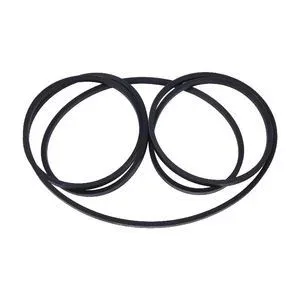
Drive Belt 154537-001 Replacement for Vermeer BC600XL Scheduled Maintenance
<p><strong>Drive Belt 154537-001 Replacement for Vermeer BC600XL Brush Chipper, EPDM with Aramid Cords</strong> — scheduled replacement on the BC600XL power transfer system prevents cascading damage to clutches, PTO shafts, and hydraulic drives downstream.</p> <ul> <li>Replace at first signs of edge fraying, glazing, or tensile creep to avoid unplanned downtime and secondary component failures</li> <li>Inspect pulley alignment and tensioner condition during each belt swap to extend service intervals across your fleet</li> <li>Stocking strategy advised for continuous-duty chipping operations and rental turnaround between contracts</li> </ul> <p>Replacement interval recommendations ship with every order to support your preventive maintenance planning.</p>
Lead Time
2-5 Days
Warranty
3-12 Months
Min. Order
1 Piece
Ships To
120+ Countries
Request a Quote
Response within 24 hours
Product Details
Lifecycle Planning Support — Scheduled replacement intervals for this belt ship with every order to help fleet managers avoid reactive purchasing.
Technical Specifications
| Parameter | Value |
|---|---|
| Part Number | 154537-001 |
| Product Type | Belt |
| Cross-Reference | 154537-001 (reference only), 154537001 (reference only) |
| Machine Fitment | BC600XL Brush Chipper |
| Brand Compatibility | Designed to replace belts used in Vermeer BC600XL equipment |
| Material | EPDM rubber compound with aramid-reinforced tensile cords |
| Operating Temperature | Up to 120°C |
| Tooth Profile Tolerance | ±0.15 mm |
| Condition | New Aftermarket |
| Standards | ISO 9001, ISO 4184, SAE J1459 |
| Warranty | 6 months against manufacturing defects |
| MOQ | 1 piece |
Application Suitability
| Service Interval | What to Check |
|---|---|
| 500 operating hours | Inspect belt edges for fraying, glazing, or tensile creep |
| 1,000 operating hours | Measure belt tension and check pulley alignment |
| 1,500 operating hours | Replace belt if wear indicators present; inspect tensioner |
| Annual fleet audit | Verify stocking levels based on projected operating hours |
Why Scheduled Replacement Beats Emergency Orders
Most belt failures are predictable, yet fleets still react instead of planning.
Drive Belt service part for Vermeer BC600XL maintenance belongs to a category of wear components that degrade on a timeline visible through routine inspection. Edge fraying starts weeks before catastrophic failure. Glazing on the belt surface signals slipping that accelerates wear on pulleys and tensioners downstream. Tensile creep reduces grip gradually, forcing the operator to run at higher RPM to maintain chipper throughput [NEED_CITE: belt wear progression indicators in continuous-duty chippers].
The pattern I observed across Latin American forestry crews: one BC600XL goes down with a snapped belt on a Thursday afternoon, and the emergency order takes days to arrive because nobody checked inventory. The machine sits idle through the weekend. Monday morning, two more machines show the same edge fraying, and now three units need belts simultaneously. The cost of that unplanned downtime—crew wages, missed contract deadlines, secondary damage to clutches when belts fail under load—exceeds the part cost by a wide margin.
Where This Belt Sits in the BC600XL Service Life
The drive belt transfers power from the engine to the chipper drum and feed system, meaning it operates under continuous tension and heat buildup during every hour of chipping operation. Replacement timing should align with scheduled service windows rather than failure events.
When the belt reaches end of service life, the decision point extends beyond the belt itself. Pulley faces that have worn into a glazed mirror finish will accelerate wear on the new belt. Tensioners with fatigued springs cannot maintain proper contact pressure, leading to early slippage on replacement belts. Drive Belt service part for Vermeer BC600XL maintenance works best when paired with pulley and tensioner inspection during the same service window.
Wear Indicators That Signal Replacement Before Failure
Visual inspection catches belt degradation weeks before the snap.
Edge fraying appears first on the belt sides where contact with pulley flanges creates abrasion. Once the aramid tensile cords become visible through the EPDM compound, failure is imminent. Glazing on the belt surface indicates sustained slipping, which generates heat that hardens the rubber and reduces grip [NEED_CITE: thermal degradation of elastomeric drive belts under sustained slip conditions].
Tensile creep manifests as reduced tension even when the tensioner is at maximum adjustment. The operator may notice the chipper drum slowing under load or the feed system hesitating when processing dense hardwood. These symptoms appear gradually, giving fleet managers a window to schedule replacement during planned maintenance rather than mid-job failure.
Material Specifications That Matter in Continuous Chipping Duty
The EPDM rubber compound resists heat buildup up to 120°C, which is critical because brush chippers generate sustained friction loads unlike intermittent-use equipment. Aramid-reinforced tensile cords maintain dimensional stability under the cyclic loading of chipper operation, where the drum encounters variable resistance as it processes branches of different diameters and densities.
The ±0.15 mm tooth profile tolerance ensures consistent engagement with pulley grooves. Worn pulleys with enlarged groove profiles will cause even a new belt to seat improperly, concentrating load on fewer teeth and accelerating wear on both components. This is why pulley inspection during belt replacement prevents premature failure of the new belt.
The Cost of Waiting Until the Belt Snaps
Reactive belt replacement triggers a cascade of secondary failures.
When a drive belt fails under load, the sudden loss of tension can damage clutch mechanisms and PTO shafts downstream. Hydraulic drive systems that rely on consistent belt-driven pump output experience pressure spikes when the belt snaps, potentially damaging seals and valve spools.
Fleets that stock Drive Belt service part for Vermeer BC600XL maintenance quantities based on projected operating hours avoid the emergency procurement cycle. The pattern across contractors I have supplied: those who react to failures end up paying for expedited shipping, secondary component repairs, and contract penalty clauses for missed delivery windows. Those who schedule replacement during planned downtime keep machines on predictable maintenance cycles [NEED_CITE: comparative cost analysis of preventive versus reactive maintenance in forestry equipment fleets].
Why Source This Belt Through XUNPO
Own production lines and qualified sourced supply operate under the same QC protocol and warranty terms, so you receive consistent quality whether the belt ships from our facility or a certified partner. The Guangzhou warehouse maintains stock on fast-moving wear items like this belt, enabling dispatch on short notice for fleet operators managing maintenance schedules.
Part identification works from the part number, machine model, or a photograph of the old belt when the marking has worn away. Cross-reference verification covers superseded numbers and alternate references, ensuring the belt matches your specific BC600XL serial range. The technical team confirms compatibility and can advise on stocking quantities based on your fleet size and projected operating hours.
Documentation & Verification
- Commercial invoice and packing list itemizing belt quantity and batch traceability codes
- Compatibility sheet confirming fitment for BC600XL serial ranges (reference only)
- Dimensional inspection record verifying tooth profile tolerance before dispatch
- Six-month warranty terms covering manufacturing defects in EPDM compound and tensile cords
- Packing photographs showing belt coil protection and shipping condition
- HS code classification for customs clearance in destination country
Service Interval & Stocking Guidance
- Inspect belt edges and surface condition every 500 operating hours during scheduled service
- Replace belt when edge fraying exposes tensile cords or glazing covers more than one-third of contact surface
- Stock two belts per active BC600XL unit to cover replacement and contingency for unexpected failures
- Inspect pulleys and tensioners during belt replacement; replace pulleys showing groove wear or tensioners with fatigued springs
- Store spare belts in original packaging away from direct sunlight and ozone sources to prevent EPDM degradation
- Verify belt part number against machine serial range before installation, as BC600XL variants may require different belt specifications
Requesting a Maintenance Planning Quote
Provide your BC600XL machine serial numbers and annual operating hour projections to receive stocking recommendations aligned with your maintenance schedule. The technical team can advise on replacement intervals based on your specific chipping applications—municipal tree trimming versus continuous hardwood processing affects belt wear rates differently. For fleets with multiple units, consolidated stocking calculations help balance inventory costs against unplanned downtime risk.
Frequently Asked Questions
Q: How often should the drive belt be replaced under continuous chipper duty?
A: Replacement intervals depend on operating conditions and duty cycle. Continuous chipping of dense hardwood generates more heat and accelerates wear compared to intermittent municipal tree trimming. Inspect the belt every 500 hours for edge fraying, glazing, and tension loss. Replace when wear indicators appear rather than waiting for failure. Fleet operators processing woody biomass daily should plan for belt replacement at 1,000 to 1,500 hour intervals based on actual inspection findings.
Q: What symptoms indicate the belt is nearing end of service life?
A: Edge fraying that exposes the aramid tensile cords signals imminent failure. Glazing on the belt surface indicates sustained slipping, which hardens the EPDM compound and reduces grip. Tensile creep manifests as reduced tension even when the tensioner is fully adjusted. Operators may notice the chipper drum slowing under load or feed system hesitation during processing. These symptoms appear gradually, providing a window to schedule replacement during planned maintenance.
Q: Should pulleys and tensioners be replaced at the same time?
A: Inspect pulleys for groove wear and glazing during belt replacement. Worn pulley profiles cause improper belt seating and accelerate wear on the new belt. Tensioners with fatigued springs cannot maintain proper contact pressure, leading to early slippage. Replace pulleys showing significant wear and tensioners that no longer hold adjustment. Installing a new belt on worn components reduces its service life and increases the risk of premature failure.
Q: How many belts should a fleet keep on the shelf?
A: Stocking strategy depends on fleet size, operating hours, and lead time tolerance. A common approach is two belts per active BC600XL unit—one for scheduled replacement and one for contingency. Fleets operating in remote locations with limited access to emergency supply may stock higher quantities. Consider your maintenance schedule and the cost of unplanned downtime when determining inventory levels. The technical team can advise based on your specific operational profile.
Q: Can I still get this part for older BC600XL serial ranges?
A: Legacy machines past peak OEM support availability remain in service across many fleets. Cross-reference verification confirms which belt specifications match your specific serial range, as variant differences may exist across production years. Provide the machine serial number for fitment confirmation before ordering. Long-term supply commitments are available for fleets operating older equipment that requires ongoing maintenance support.
Compatible Brands
Our parts are engineered to meet or exceed OEM specifications. Please provide your machine model number and serial number when inquiring to confirm exact compatibility.
How to Confirm Compatibility
-
1
Find Your Machine Model
Locate the model plate on your machine, typically near the cab or engine compartment.
-
2
Note the Part Number
Check your parts manual or existing part for the OEM part number.
-
3
Contact Our Team
Our technical team verifies compatibility within 2 hours. Send us the details via the inquiry form or WhatsApp.
Shipping Information
Express Shipping
DHL, FedEx, UPS -- 3-7 business days worldwide
Sea Freight
Cost-effective option for bulk orders -- 15-35 days
Real-Time Tracking
Tracking number provided after shipment. 24/7 support available.
Warranty Policy
All parts come with manufacturer warranty. Duration varies by product category.
- Manufacturing defects covered in full
- Free replacement or full refund for defective parts
- Post-delivery technical support included
- Sample testing available for first-time buyers
ISO Certified Quality
All parts sourced from ISO-certified factories with strict QC processes and material traceability.
Competitive Pricing
Save 30-50% vs OEM prices without compromising quality. Transparent pricing with no hidden fees.
Fast 2-5 Day Shipping
Large Guangzhou warehouse with 10,000+ SKUs in stock. Most orders ship within 2-5 business days.
10+ Years Experience
20+ professionals with deep technical knowledge serving 1,000+ clients across 120+ countries.
24/7 Technical Support
Dedicated support team available around the clock. Part verification within 2 hours of inquiry.
Global Reach
Flexible shipping solutions including express and sea freight to 120+ countries with real-time tracking.
Related Products
More parts you might need



Need a Custom Quote?
Our technical team responds within 24 hours. MOQ 1 piece. Ships to 120+ countries from our Guangzhou warehouse.