
Belt Drive Systems
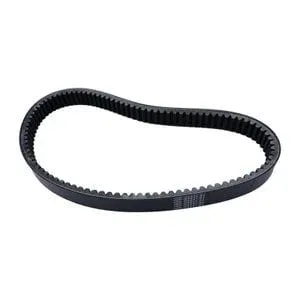
Drive Clutch Belt J0D-G6241-00-00 Replacement for Yamaha Drive2
<p><strong>J0D-G6241-00-00 Drive Clutch Belt, high-tensile polyester cord, precision-molded rubber body</strong> — replacement for Yamaha Drive2 gas golf carts (2017 and newer).</p> <ul> <li>Schedule replacement during routine service windows rather than waiting for belt failure; typical wear signs include cracking, glazing, and slipping under load</li> <li>Inspect clutch sheave condition during belt service to avoid premature re-failure on fresh belts</li> <li>Stock ahead of seasonal demand to keep fleet carts running without unplanned downtime</li> </ul> <p>Replacement cycle guidance ships with your order, supporting long-term fleet planning across aging Drive2 model years.</p>
Lead Time
2-5 Days
Warranty
3-12 Months
Min. Order
1 Piece
Ships To
120+ Countries
Request a Quote
Response within 24 hours
Product Details
Fleet Maintenance Readiness — Drive clutch belt J0D-G6241-00-00 scheduled into routine service windows with replacement intervals mapped for Yamaha Drive2 fleets
Technical Specifications
| Parameter | Value |
|---|---|
| Part Number | J0D-G6241-00-00 |
| Cross-Reference | J0DG62410000 (cross-reference only) |
| Machine Fitment | Gas Golf Cart Drive2 (2017 and newer models), Yamaha |
| Product Type | Belt |
| Temperature Range | -30°C to 80°C (-22°F to 176°F) |
| Cord Material | High-tensile polyester cords |
| Body Material | Precision-molded rubber compounds |
| Condition | New Aftermarket |
| Warranty | 3-12 months |
| Standards | ISO 9001 |
| Minimum Order Quantity | 1 piece |
Application Suitability
| Service Interval | What to Check |
|---|---|
| 2,500–3,000 operating hours | Inspect Drive Clutch Belt service part for Yamaha Drive2 Golf Cart maintenance for glazing, cracking, and tension loss |
| Annual fleet service window | Evaluate clutch sheave faces for scoring and measure movable sheave travel |
| Seasonal turnover (rental fleets) | Check belt sidewall wear and verify proper tracking on primary and secondary clutches |
| Post-failure investigation | Examine broken belt remnants and inspect clutch bearings, spring tension, and sheave alignment |
Why Fleets Run Out of Drive Clutch Belt Service Part for Yamaha Drive2 Golf Cart Maintenance at the Worst Time
Planned belt replacement during scheduled service prevents the cascading cart downtime that reactive ordering always causes.
Most golf course and resort fleet managers discover a worn drive clutch belt only when a cart refuses to climb a grade or loses speed on the return loop. By then, the cart is already out of rotation, guests or maintenance crews are affected, and the parts order becomes an emergency rather than a routine line item [NEED_CITE: preventive maintenance scheduling frameworks for fleet vehicle operations]. Across a twenty-cart fleet, reactive belt replacement typically means three or four carts sitting idle at different points through the season, each waiting on a separate parts delivery. When a Drive Clutch Belt service part for Yamaha Drive2 Golf Cart maintenance is instead staged in the parts room before the season opens, that same cart gets its belt swapped during a planned Tuesday service window and returns to rotation the same afternoon.
Where This Belt Sits in the Drive2 Service Life
The drive clutch belt connects the primary clutch on the engine to the secondary clutch on the transaxle, transmitting all motive power through the continuously variable transmission. In fleet service, this Drive Clutch Belt service part for Yamaha Drive2 Golf Cart maintenance experiences constant speed ratio changes, heat cycling, and load spikes every time a cart starts from rest or climbs an incline. The belt is a predictable wear item—not a surprise failure component—yet many fleet maintenance logs treat it as one. Positioning it alongside oil filters, spark plugs, and brake shoes on the scheduled service checklist transforms it from a breakdown trigger into a routine consumable.
Wear Signs That Signal Replacement Before Failure
Glazing on the belt sidewalls, transverse cracking on the inner surface, and a noticeable loss of top speed under load all indicate the belt is approaching end of service life. A belt that slips during initial acceleration is already generating excess heat inside the clutch housing, which accelerates rubber degradation and can damage sheave faces [NEED_CITE: CVT belt wear progression indicators in light utility vehicles]. Fleet technicians who check belt condition every 500 hours catch these indicators early enough to schedule replacement at the next planned service rather than pulling a cart from active duty mid-day.
Material and Construction Details That Matter in Fleet Use
The high-tensile polyester cords embedded in this belt carry the tensile load as the clutch sheaves change effective diameter. Unlike lower-grade cords that stretch permanently under repeated load cycling, polyester maintains dimensional stability across the operating temperature range of -30°C to 80°C. The precision-molded rubber compound body must grip the sheave faces without excessive slip while resisting the heat generated inside a partially enclosed clutch housing. In fleet environments where carts run multiple shifts per day, this thermal and mechanical loading is continuous, making material specification directly relevant to belt service life.
The Hidden Cost of Replacing Only the Belt
A new belt installed onto worn clutch sheaves or a fatigued tension spring will fail prematurely, turning a planned maintenance event into a repeat repair.
I have seen this pattern repeatedly in fleet operations: a maintenance team replaces a failed drive clutch belt without inspecting the movable sheave bushing, the spring rate on the secondary clutch, or the surface finish on the sheave faces. The new belt operates under the same misalignment or improper clamping force that destroyed its predecessor. Within a single season, the fleet is back to reactive ordering, and the cumulative cost of repeat belt replacements and labor hours exceeds what a thorough clutch inspection and component refresh would have required initially [NEED_CITE: CVT system component interaction and failure root cause analysis]. Fleet managers who budget for a complete clutch evaluation at each belt change interval avoid this cycle and keep cart availability stable.
Procurement Advantages for Fleet Operators
This Drive Clutch Belt service part for Yamaha Drive2 Golf Cart maintenance ships from our own production lines and qualified manufacturing partners under one account and one warranty structure. Fleet operators ordering belts alongside brake assemblies, filters, and undercarriage components consolidate everything into a single consignment, eliminating split freight charges. The one-piece minimum order quantity means a single emergency belt is available without forcing a bulk commitment, while fleet-level stocking orders benefit from verified cross-reference confirmation covering superseded and alternate numbers. Our technical team confirms machine model year and serial range fitment before dispatch, and sample supply is available for fitment confirmation before a full fleet order ships. Guangzhou warehouse stock enables fast dispatch on common fleet consumables.
Documentation & Verification
- Commercial invoice listing belt quantities matched to fleet cart count
- Cross-reference sheet mapping J0D-G6241-00-00 to alternate part numbers (reference only)
- Dimensional inspection record confirming belt width and profile geometry
- Warranty terms aligned to fleet service cycle duration
- Packing photographs showing belt condition prior to crate closure
- HS code documentation for customs clearance on international fleet supply orders
Service Interval & Stocking Guidance
- Replace drive clutch belts at intervals defined by fleet operating hours and observed wear condition
- Inspect clutch sheave faces and spring tension at every belt change to prevent premature re-failure
- Stock one spare belt per five active carts to cover unplanned failures between scheduled service windows
- Store belts in cool, dry conditions away from direct sunlight and ozone sources to preserve rubber compound integrity
- Rotate stock by date of receipt to ensure oldest inventory is used first
- Record belt replacement dates and cart hour-meter readings to build fleet-specific wear history
Inquiry Information Needed
Provide the Yamaha Drive2 model year, fleet size, and current belt replacement frequency so we can align supply quantities and delivery timing to your scheduled maintenance calendar. If existing inventory carries a different reference number, share that number for cross-reference verification before order confirmation.
Frequently Asked Questions
Q: How often should drive clutch belts be replaced in a golf cart fleet?
A: Replacement intervals depend on operating hours, terrain, and load patterns. Most fleet operators find that inspecting the belt at regular service intervals and replacing it when glazing, cracking, or tension loss appears prevents unplanned failures. Building replacement into the annual or semi-annual service window keeps carts in rotation without emergency downtime.
Q: What wear indicators show the belt needs replacement?
A: Look for sidewall glazing, transverse cracking on the inner surface, loss of top speed under load, and slipping during initial acceleration. Any of these signs means the belt is approaching end of service life and should be scheduled for replacement at the next available maintenance window.
Q: Should clutch components be inspected when changing the belt?
A: Yes. Sheave face condition, movable sheave bushing wear, and secondary clutch spring tension all affect new belt life. Installing a fresh belt onto worn clutch components causes premature failure, turning a planned service event into a repeat repair within the same season.
Q: How many spare belts should a fleet keep on hand?
A: A practical guideline is one spare belt for every five active carts in the fleet. This covers unplanned failures between scheduled service intervals without requiring excessive inventory investment. Adjust based on your fleet’s specific wear history and operating conditions.
Q: Will this belt remain available for older Drive2 model years?
A: Our supply commitment covers aging fleet models beyond original manufacturer thinning inventory. Cross-reference verification confirms fitment across Drive2 production years, and fleet operators can secure ongoing supply agreements to support carts through their full operational lifespan.
Compatible Brands
Our parts are engineered to meet or exceed OEM specifications. Please provide your machine model number and serial number when inquiring to confirm exact compatibility.
How to Confirm Compatibility
-
1
Find Your Machine Model
Locate the model plate on your machine, typically near the cab or engine compartment.
-
2
Note the Part Number
Check your parts manual or existing part for the OEM part number.
-
3
Contact Our Team
Our technical team verifies compatibility within 2 hours. Send us the details via the inquiry form or WhatsApp.
Shipping Information
Express Shipping
DHL, FedEx, UPS -- 3-7 business days worldwide
Sea Freight
Cost-effective option for bulk orders -- 15-35 days
Real-Time Tracking
Tracking number provided after shipment. 24/7 support available.
Warranty Policy
All parts come with manufacturer warranty. Duration varies by product category.
- Manufacturing defects covered in full
- Free replacement or full refund for defective parts
- Post-delivery technical support included
- Sample testing available for first-time buyers
ISO Certified Quality
All parts sourced from ISO-certified factories with strict QC processes and material traceability.
Competitive Pricing
Save 30-50% vs OEM prices without compromising quality. Transparent pricing with no hidden fees.
Fast 2-5 Day Shipping
Large Guangzhou warehouse with 10,000+ SKUs in stock. Most orders ship within 2-5 business days.
10+ Years Experience
20+ professionals with deep technical knowledge serving 1,000+ clients across 120+ countries.
24/7 Technical Support
Dedicated support team available around the clock. Part verification within 2 hours of inquiry.
Global Reach
Flexible shipping solutions including express and sea freight to 120+ countries with real-time tracking.
Related Products
More parts you might need

Need a Custom Quote?
Our technical team responds within 24 hours. MOQ 1 piece. Ships to 120+ countries from our Guangzhou warehouse.