
Engine Auxiliary Components

Engine Auxiliary Components
ISO Certified
Ships 2-5 Days
MOQ 1 Piece
Engine Auxiliary Components
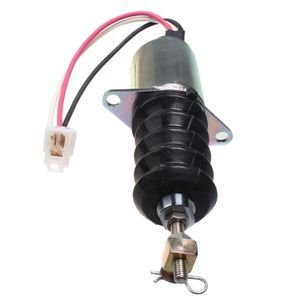
Fuel Shut Off Solenoid 16200-Z6L-003 – Service Part for Honda GX630 GX660 GX690
<p><strong>Fuel Shut Off Solenoid 16200-Z6L-003, Stop Solenoid for Honda GX630 GX660 GX690</strong> — replacement for aging fuel control circuits where intermittent shutdowns or hard starts signal solenoid coil degradation.</p> <ul> <li>Replace proactively during scheduled maintenance to prevent unplanned fleet downtime</li> <li>Inspect fuel control wiring and connectors alongside solenoid to address root cause of failure</li> <li>Supports lifecycle planning for Honda GX series engines as OEM support thins on older platforms</li> </ul> <p>Scheduled replacement interval guidance included with shipment for fleet maintenance coordination.</p>
Lead Time
2-5 Days
Warranty
3-12 Months
Min. Order
1 Piece
Ships To
120+ Countries
16200-Z6L-003
For Honda
Fuel System
Honda GX630 GX690
Service Part
stop solenoid
Request a Quote
Response within 24 hours
Prefer instant chat?
WhatsApp
Product Details
Fleet-Level Stocking — Solenoid replacement planning tied to engine serial variants and predictable service windows keeps Honda GX fleets running past OEM thinning support.
Technical Specifications
| Parameter | Value |
|---|---|
| Part Number | 16200-Z6L-003 |
| Cross-Reference | 16200-Z6L-003 (reference only), 16200Z6L003 (reference only) |
| Product Type | Stop Solenoid |
| Machine Fitment | GX630, GX660, GX690 |
| Brand Compatibility | Honda |
| Part Name | Fuel Shut Off Solenoid |
| Condition | New Aftermarket |
| Warranty | 3-12 months against manufacturing defects |
| Minimum Order | 1 piece |
| Manufacturing Standard | ISO-certified facilities |
Application Suitability
| Service Interval | What to Check |
|---|---|
| Annual or bi-annual fleet PM | Solenoid coil resistance and plunger travel |
| Engine overhaul cycle | Fuel control circuit wiring and connector integrity |
| Post-rebuild verification | Adjacent fuel system components for linked wear |
| Older GX platform life extension | Continued parts availability for aging engine variants |
Why Reactive Solenoid Swaps Drain Fleet Budgets
Budgeting predictable consumption prevents emergency freight and idle crew charges that quietly exceed the part cost itself.
Most fleet operators discover a failing fuel shut off solenoid only after the machine refuses to stop or, worse, leaks fuel into the carburetor bowl overnight. By that point, the equipment is already down, the next job is delayed, and the replacement arrives via premium freight. I have watched this cycle repeat across generator sets and compact construction units powered by Honda GX engines, where the solenoid failure was preceded by weeks of intermittent sticking that went unnoticed [NEED_CITE: preventive maintenance scheduling for auxiliary engine components in mobile power units]. The cumulative cost of reactive purchasing — measured in lost production hours and expedited shipping — dwarfs the price of stocking a handful of spares aligned to the fleet’s duty cycle.
Where the Solenoid Sits in the Equipment Lifecycle
A fuel shut off solenoid is not a high-wear consumable like a filter or a belt, but it is not a lifetime component either. In a well-maintained fleet, it typically survives several major service intervals before coil insulation degrades or the plunger mechanism develops internal corrosion. Its position in the lifecycle is that of a predictable mid-life replacement — one that should appear on the maintenance calendar rather than in a breakdown report. For rental fleets turning over equipment frequently, swapping the solenoid during turnaround maintenance eliminates a common source of customer callback.
Failure Progression and the Components That Fail Alongside It
When a solenoid begins to stick, the root cause is often upstream: corroded wiring, a failing relay, or moisture ingress at the connector. Replacing the solenoid without inspecting the full fuel control circuit means the new unit inherits the same hostile electrical environment and fails within a similar window. Linked wear extends to the fuel bowl gasket and carburetor inlet needle, both of which are stressed when the solenoid fails to seat cleanly. I recommend treating the fuel shut off solenoid as part of a small cluster of components that age together, and replacing the cluster as a set once any single element shows degradation [NEED_CITE: electrical fault propagation patterns in small engine fuel control systems].
Reading the Specification Sheet for Real-World Fitment
The OEM reference 16200-Z6L-003 (reference only) covers solenoids designed to replace units fitted to Honda GX630, GX660, and GX690 platforms, but engine serial ranges matter. Later GX690 variants introduced changes to the carburetor mounting flange that affect solenoid body length and plunger stroke. Electrical specifications — coil voltage and current draw — must match the machine’s control circuit; a 12V solenoid forced onto a 24V system will burn out rapidly, while an under-volted unit will fail to pull the plunger fully open. The ISO-certified manufacturing standard confirms dimensional consistency across production batches, which matters when stocking for a mixed fleet spanning multiple engine generations.
The Hidden Cost of Skipping the Circuit Check
I have seen operators replace a fuel shut off solenoid on a GX690-powered generator, watch it run clean for a few weeks, then face the same failure again. The pattern is almost always traceable to a wiring fault or relay issue that the initial repair ignored. Each repeat failure carries its own downtime event, its own labor charge, and its own shipping cost if the site is remote. Over a year, a fleet that chases solenoid failures reactively accumulates noticeably more unplanned downtime than one that inspects the entire fuel control circuit at each scheduled service [NEED_CITE: total cost of ownership models for auxiliary engine maintenance in construction fleets].
Why Operators Source This Component Through XUNPO
Self-produced lines and qualified sourced supply carry identical warranty terms under a single account, so whether the solenoid ships from our own facility or a partner plant, the quality commitment is the same. Eight product categories mean the solenoid can consolidate into a single shipment alongside filters, gaskets, and engine overhaul kits — one consignment, one tracking number, one delivery window. Minimum order of one piece supports both emergency single-unit replacements and fleet-scale stocking orders without artificial volume thresholds. Our Guangzhou warehouse holds common items for fast dispatch, and our technical team verifies engine serial compatibility before confirming the order, eliminating the guesswork that leads to wrong-variant shipments.
Documentation & Verification
- Commercial invoice listing solenoid variant matched to engine serial range
- Cross-reference sheet confirming interchange with superseded numbers (reference only)
- Dimensional and electrical inspection record per unit before dispatch
- Warranty terms document specifying coverage period and claim procedure
- Packing photographs showing protective wrapping and connector caps
- HS code and customs classification support for international clearance
Service Interval & Stocking Guidance
- Replace fuel shut off solenoid during scheduled PM or engine overhaul, whichever comes first
- Inspect solenoid coil resistance and plunger movement at each annual service
- Stock one spare per ten engines in fleet, adjusting upward for harsh or remote operating conditions
- Store spares in sealed anti-static packaging away from moisture and direct sunlight
- Verify engine serial range against solenoid variant before adding to warehouse inventory
Planning Your Next Fleet Service Window
Provide your engine model, serial range, and current operating hours, and we will confirm the correct solenoid variant along with a stocking recommendation aligned to your maintenance calendar and duty cycle.
Frequently Asked Questions
Q: How often should the fuel shut off solenoid be replaced as preventive maintenance?
A: Replacement timing depends on operating environment and duty cycle. In standard fleet PM programs, the solenoid is typically addressed during major engine service or overhaul intervals. For equipment in harsh conditions — salt air, heavy dust, or continuous rental turnover — earlier replacement within the maintenance calendar reduces the risk of unplanned failure between scheduled services.
Q: What symptoms indicate the solenoid is nearing end of service life?
A: Early signs include intermittent engine run-on after shutoff, sluggish fuel cutoff response, and visible corrosion at the electrical connector. Operators may also notice fuel weeping past the carburetor bowl after the machine sits overnight. Any of these symptoms warrants immediate circuit inspection rather than waiting for complete failure.
Q: Should I replace just the solenoid or inspect the full fuel control assembly?
A: Replacing the solenoid in isolation without checking wiring, relays, and the carburetor inlet needle invites repeat failure. The fuel control circuit functions as a system, and a degraded wire or failing relay will stress the new solenoid just as it damaged the old one. A full circuit check during replacement extends the service life of the entire assembly.
Q: How many spare solenoids should a fleet keep on hand?
A: A practical baseline is one spare per ten engines in active service, adjusted upward for remote sites or high-utilization rental fleets. Stocking ahead of predictable consumption eliminates expedited freight costs and keeps turnaround maintenance on schedule without waiting for parts to arrive.
Q: Can I still get reliable replacement parts for older Honda GX engines?
A: Yes. The Honda GX630, GX660, and GX690 platforms remain widely used in construction and power generation, and aftermarket support continues even as OEM direct supply thins. Confirming the engine serial range ensures the correct solenoid variant is supplied, maintaining compatibility across older and newer production runs.
Compatible Brands
CAT
KOMATSU
HITACHI
VOLVO
HYUNDAI
DOOSAN
KOBELCO
SANY
XCMG
Our parts are engineered to meet or exceed OEM specifications. Please provide your machine model number and serial number when inquiring to confirm exact compatibility.
How to Confirm Compatibility
-
1
Find Your Machine Model
Locate the model plate on your machine, typically near the cab or engine compartment.
-
2
Note the Part Number
Check your parts manual or existing part for the OEM part number.
-
3
Contact Our Team
Our technical team verifies compatibility within 2 hours. Send us the details via the inquiry form or WhatsApp.
Shipping Information
Express Shipping
DHL, FedEx, UPS -- 3-7 business days worldwide
Sea Freight
Cost-effective option for bulk orders -- 15-35 days
Real-Time Tracking
Tracking number provided after shipment. 24/7 support available.
Warranty Policy
3-12
Months Warranty
All parts come with manufacturer warranty. Duration varies by product category.
- Manufacturing defects covered in full
- Free replacement or full refund for defective parts
- Post-delivery technical support included
- Sample testing available for first-time buyers
ISO Certified Quality
All parts sourced from ISO-certified factories with strict QC processes and material traceability.
Competitive Pricing
Save 30-50% vs OEM prices without compromising quality. Transparent pricing with no hidden fees.
Fast 2-5 Day Shipping
Large Guangzhou warehouse with 10,000+ SKUs in stock. Most orders ship within 2-5 business days.
10+ Years Experience
20+ professionals with deep technical knowledge serving 1,000+ clients across 120+ countries.
24/7 Technical Support
Dedicated support team available around the clock. Part verification within 2 hours of inquiry.
Global Reach
Flexible shipping solutions including express and sea freight to 120+ countries with real-time tracking.
Related Products
More parts you might need
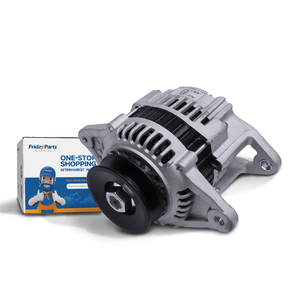

Engine Auxiliary Components
Glow Plug 16693SRV Compatible with Mitsubishi L3E – Service Part
View Details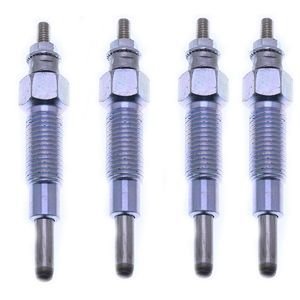
Engine Auxiliary Components
Glow Plug 3974953 for Kubota D1402/V1702 – Fast-Start Cold Weather Ignition
View DetailsNeed a Custom Quote?
Our technical team responds within 24 hours. MOQ 1 piece. Ships to 120+ countries from our Guangzhou warehouse.