
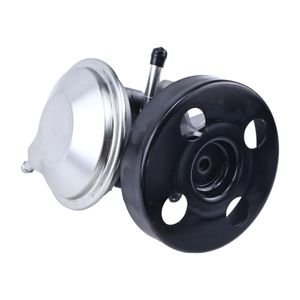
Engine Auxiliary Components

Engine Auxiliary Components
ISO Certified
Ships 2-5 Days
MOQ 1 Piece
Engine Auxiliary Components
Scheduled Maintenance Shut Off Solenoid M138477 – Fits John Deere 325
<p><strong>M138477 Stop Solenoid, 12 VDC, Class H insulation</strong> — replacement for Kawasaki FD611V, FD671D, FH531V engines and compatible with John Deere 325, X520, X540, LX277 series utility equipment.</p> <ul> <li>Intermittent hot-start hesitation or inconsistent fuel cutoff signals approaching end of service life — replacing at scheduled engine service intervals prevents unplanned fleet downtime and cascading carburetor flooding.</li> <li>Aging LX and X-series units past peak dealer support remain continuously supplied with verified cross-reference documentation.</li> </ul>
Lead Time
2-5 Days
Warranty
3-12 Months
Min. Order
1 Piece
Ships To
120+ Countries
Fuel System
John Deere 325
Kawasaki FD671D
M138477
Service Part
stop solenoid
Request a Quote
Response within 24 hours
Prefer instant chat?
WhatsApp
Product Details
Fleet Stocking Supported — M138477 stop solenoid inventory plans align with Kawasaki and John Deere utility equipment service cycles to prevent reactive downtime.
Technical Specifications
| Parameter | Value |
|---|---|
| Part Number | M138477 |
| Product Type | Stop Solenoid |
| Cross-Reference | M138477 (reference only) |
| Machine Fitment | Kawasaki FD611V, FD620D, FD671D, FD671D-KS02, FD731V, FD750D, FH500V, FH531V; John Deere 325, 335, 345, 777, GX325, GX345, LT180, LTR180, LX277, LX279, X475, X520, X540, X575, X700, X710, Z840A, HPX615E, 4X2 Gator, 6X4 Gator, Diesel Gator, Trail Gator, Worksite Gator, 4X2 HPX, 4X4 HPX, 4X4 Trail HPX Gator |
| Voltage | 12 VDC ±10% |
| Coil Resistance | 12.5–13.8 Ω |
| Armature Core Material | Cold-forged low-carbon steel (AISI 1018) |
| Sealing Gasket Material | Viton fluoroelastomer (FKM) |
| Coil Insulation Class | Class H (180°C thermal rating) |
| Dimensional Tolerance | ±0.05 mm on mounting flange holes and plunger shaft |
| Surface Treatment | Zinc-nickel electroplating (≥15 μm), ASTM B633 SC4 |
| Operating Temperature Range | -20°C to +85°C |
| Condition | New Aftermarket |
| Warranty | 6 months against manufacturing defects |
| MOQ | 1 piece |
| Standards | ISO 9001, ASTM B633 SC4 |
Application Suitability
| Service Interval | What to Check |
|---|---|
| Annual spring commissioning for seasonal grounds equipment | Solenoid hot-start response and fuel cutoff consistency on John Deere X475, X520, X540 |
| Mid-season inspection for continuous-duty rental fleets | Intermittent shutdown behavior on Kawasaki FD671D and FH531V powered units |
| Pre-winter storage preparation for municipal Gator fleets | Coil resistance drift and gasket condition on 4X4 HPX and Trail Gator models |
| 500-hour service for agricultural utility vehicles | Plunger shaft wear and flange seal integrity on Diesel Gator and Worksite Gator |
Why Fleets Lose Days Over a Small Fuel Shut Off Solenoid
Most unplanned utility equipment downtime traces back to auxiliary components that were never added to the preventive replacement schedule.
In my years running fleet maintenance across the Yangtze Delta equipment corridors, I have watched entire mowing fleets sit idle because a single solenoid failed during peak season. Operators typically order a fuel shut off solenoid service part maintenance replacement only after the machine refuses to shut down cleanly — by then, the carburetor has flooded, the spark plug is fouled, and the repair window has stretched from minutes to days [NEED_CITE: preventive maintenance scheduling standards for small-engine utility fleets]. The pattern repeats: seasonal equipment gets pushed hard, auxiliary components age silently, and reactive purchasing becomes the default. For fleets running multiple John Deere X-series units or Kawasaki-powered mowers, the cumulative lost productivity from repeat solenoid failures is substantial.
Where the Stop Solenoid Sits in Your Fleet Service Calendar
This fuel shut off solenoid occupies a specific position in the auxiliary engine system — it is the final electrical gate between the ignition switch and the fuel supply. When it functions correctly, operators never think about it. When it degrades, the symptoms appear gradually: slower engine cutoff, occasional hot-start hesitation, and eventually a complete failure to close the fuel circuit. For fleet managers scheduling seasonal commissioning across dozens of John Deere 325, 335, or 345 mowers, aligning solenoid inspection with the annual service event eliminates the surprise failure that disrupts peak-season operations.
Reading the Early Warning Signs Before Total Failure
A solenoid approaching end-of-life does not fail without notice. The coil insulation degrades under sustained thermal cycling, increasing resistance beyond the 12.5–13.8 Ω specification band. Operators report the engine taking noticeably longer to shut off, or requiring a second key cycle to achieve clean cutoff. On John Deere LX277 and LX279 models that see daily use in landscaping operations, these symptoms typically surface well before complete electrical failure [NEED_CITE: thermal degradation patterns in small-engine solenoid coils]. Catching the drift during a scheduled service event means a planned swap rather than an emergency call-out, and the correlated wear on adjacent fuel system gaskets can be addressed at the same time.
Specifications That Determine Real-World Service Life
The Class H insulation rating on this solenoid coil means it tolerates sustained temperatures up to 180°C before insulation breakdown begins — a meaningful margin for engines operating in high-ambient conditions common to municipal grounds maintenance. The Viton fluoroelastomer gasket provides fuel resistance across a broad temperature range, resisting the swelling and hardening that cheaper nitrile seals exhibit after extended ethanol-blended fuel exposure. Zinc-nickel plating to ASTM B633 SC4 standard protects the external housing and mounting flange from corrosion in humid storage environments and salt-adjacent coastal maintenance zones. The ±0.05 mm dimensional tolerance on the plunger shaft ensures consistent fuel cutoff engagement without the binding that oversized aftermarket units sometimes introduce. Cold-forged AISI 1018 steel in the armature core provides the magnetic permeability needed for reliable actuation at the lower end of the 12 VDC ±10% operating range.
The Accumulated Cost of Reactive Solenoid Purchasing
When a fleet operator waits for failure before ordering, the real expense is never the solenoid itself. The machine sits non-productive while the part is sourced, the technician makes an unplanned trip to the site, and the carburetor flooding caused by the failed cutoff adds fuel system cleanup to what should have been a five-minute swap. Across a fleet of twenty or more John Deere X520 or X540 units, this pattern compounds through every mowing season [NEED_CITE: cost modeling for reactive versus preventive component replacement in utility fleets]. The machines that fail mid-contract also damage service-level commitments, particularly for municipal grounds maintenance contracts where equipment availability is measured and reported.
Why Procurement Teams Consolidate This Line Here
Our Guangzhou facility produces selected auxiliary component lines directly and sources the remainder from qualified ISO-certified partners — both channels carry identical QC protocols and the same six-month warranty against manufacturing defects. Fleet buyers ordering M138477 solenoids alongside fuel filters, gasket sets, and carburetor rebuild components consolidate under one account with one shipment. Single-piece minimum order quantities mean you can validate fitment on a John Deere X475 before committing to bulk quantities for the entire fleet. Cross-reference verification covers superseded numbers and variant differences across Kawasaki engine generations, reducing the misorder risk that plagues copied reference tables. Technical support confirms machine serial range compatibility before the order ships, and sample supply lets repair centres verify physical fitment before placing the fleet-wide commitment.
Documentation & Verification
- Commercial invoice listing M138477 with machine compatibility cross-reference sheet marked reference only
- Dimensional inspection record covering flange hole spacing and plunger shaft diameter tolerance
- Functional coil resistance test data at batch level included with each shipment
- Six-month warranty terms covering manufacturing defects with clear claim procedure
- Packing photographs documenting anti-static foam insert protection before dispatch
- HS code and customs documentation support for international fleet procurement
Service Interval & Stocking Guidance
- Replace solenoid during annual spring commissioning alongside fuel filter and carburetor gasket service
- Monitor hot-start response time as an early indicator of coil insulation degradation
- Stock one spare solenoid per ten units for fleets operating John Deere X-series or Gator models
- Store spare units in sealed anti-static packaging away from moisture and fuel vapor
- Verify coil resistance within 12.5–13.8 Ω range before installing stored inventory
- Align bulk procurement with off-season periods to avoid peak-season supply constraints
Planning Your Fleet Inquiry
Share your equipment roster with machine models and approximate service hours, and we will map solenoid replacement intervals to your existing maintenance calendar. For mixed fleets running both Kawasaki-powered and John Deere utility vehicles, we consolidate the fitment list so one procurement cycle covers every applicable unit.
Frequently Asked Questions
Q: What signs indicate the fuel shut off solenoid is nearing end of service life?
A: The most common early indicators are delayed engine cutoff after turning the key, intermittent hot-start hesitation, and inconsistent fuel shutoff requiring a second ignition cycle. These symptoms reflect gradual coil insulation degradation and increasing resistance beyond the specified range. Addressing them during a scheduled service event avoids the complete failure that causes carburetor flooding and unplanned downtime across your fleet.
Q: Should I replace just the solenoid or service the broader fuel system at the same time?
A: If the solenoid has failed in a way that allowed fuel flooding, inspecting the carburetor gaskets, fuel lines, and spark plug condition is strongly recommended. A solenoid swap alone takes minutes, but ignoring correlated fuel system wear means scheduling a second service event shortly after. Aligning both tasks within one service window reduces cumulative fleet downtime.
Q: How many spare solenoids should a fleet operator keep on hand?
A: A practical starting point is one spare unit per ten machines sharing the same Kawasaki or John Deere engine platform. Fleets operating in continuous-duty rental cycles or peak seasonal mowing contracts often stock slightly higher ratios to cover unexpected failures without procurement delays. Adjust based on your historical failure frequency and lead time tolerance.
Q: Is this solenoid still available for older or discontinued equipment models?
A: Yes, this solenoid covers legacy John Deere LX-series and older Gator variants that are past peak dealer support. Cross-reference verification ensures the correct variant is matched to your specific engine serial range, including models where part numbers have been superseded across production generations. Supply continuity for aging fleet assets is maintained through ongoing production.
Q: What is the recommended replacement interval under continuous-duty operation?
A: Continuous-duty applications such as municipal grounds maintenance or rental fleet turnaround typically benefit from annual solenoid inspection with proactive replacement every two service seasons. Monitor coil resistance during each scheduled service event — units drifting outside the specified band should be replaced regardless of age. This approach prevents the reactive failures that disrupt operational commitments.
Compatible Brands
CAT
KOMATSU
HITACHI
VOLVO
HYUNDAI
DOOSAN
KOBELCO
SANY
XCMG
Our parts are engineered to meet or exceed OEM specifications. Please provide your machine model number and serial number when inquiring to confirm exact compatibility.
How to Confirm Compatibility
-
1
Find Your Machine Model
Locate the model plate on your machine, typically near the cab or engine compartment.
-
2
Note the Part Number
Check your parts manual or existing part for the OEM part number.
-
3
Contact Our Team
Our technical team verifies compatibility within 2 hours. Send us the details via the inquiry form or WhatsApp.
Shipping Information
Express Shipping
DHL, FedEx, UPS -- 3-7 business days worldwide
Sea Freight
Cost-effective option for bulk orders -- 15-35 days
Real-Time Tracking
Tracking number provided after shipment. 24/7 support available.
Warranty Policy
3-12
Months Warranty
All parts come with manufacturer warranty. Duration varies by product category.
- Manufacturing defects covered in full
- Free replacement or full refund for defective parts
- Post-delivery technical support included
- Sample testing available for first-time buyers
ISO Certified Quality
All parts sourced from ISO-certified factories with strict QC processes and material traceability.
Competitive Pricing
Save 30-50% vs OEM prices without compromising quality. Transparent pricing with no hidden fees.
Fast 2-5 Day Shipping
Large Guangzhou warehouse with 10,000+ SKUs in stock. Most orders ship within 2-5 business days.
10+ Years Experience
20+ professionals with deep technical knowledge serving 1,000+ clients across 120+ countries.
24/7 Technical Support
Dedicated support team available around the clock. Part verification within 2 hours of inquiry.
Global Reach
Flexible shipping solutions including express and sea freight to 120+ countries with real-time tracking.
Related Products
More parts you might need

Engine Auxiliary Components
16200-Z6L-003 Fuel Shut Off Solenoid for Honda GX630 – Scheduled Maintenance
View Details
Engine Auxiliary Components
Wear Item Stop Solenoid Compatible with Cummins 5.9L Ford F700
View Details
Engine Auxiliary Components
12V Starter Motor 25-098-11 for Kohler CH/CV – Service Part
View DetailsNeed a Custom Quote?
Our technical team responds within 24 hours. MOQ 1 piece. Ships to 120+ countries from our Guangzhou warehouse.