

Engine Auxiliary Components

Engine Auxiliary Components
ISO Certified
Ships 2-5 Days
MOQ 1 Piece
Engine Auxiliary Components
Service Part Fuel Shut-Off Solenoid AM882277 | Scheduled Maintenance for John Deere 670
<p><strong>AM882277 Stop Solenoid, 12V DC</strong> — replacement for John Deere 670, 770, 870, 970, 1070 compact tractors. Schedule proactive swaps when intermittent stalling or erratic fuel cutoff appears during daily start-stop cycles, before corrosion and thermal degradation cause full shutdown failure. Stocking ahead across seasonal work cycles keeps fleets running without emergency part waits.</p> <ul> <li>Fits John Deere compact utility tractors in planned maintenance rotations</li> <li>Cross-reference: AM876416, P610-C5V12</li> <li><strong>Replacement cycle guidance ships with every order to support fleet-level maintenance planning</strong></li> </ul>
Lead Time
2-5 Days
Warranty
3-12 Months
Min. Order
1 Piece
Ships To
120+ Countries
12V DC
AM882277
For John Deere
Fuel System
John Deere 670 Parts
Service Part
stop solenoid
Request a Quote
Response within 24 hours
Prefer instant chat?
WhatsApp
Product Details
Planned Lifecycle Support — Proactive stocking for compact tractor fleets aging past peak OEM availability windows.
Technical Specifications
| Parameter | Value |
|---|---|
| Part Number | AM882277 |
| Cross-Reference | AM882277 (reference only), AM876416 (reference only), P610-C5V12 (reference only), P610C5V12 (reference only) |
| Machine Fitment | John Deere 670, 770, 870, 970, 1070 |
| Product Type | Stop Solenoid |
| Voltage | 12V DC |
| Condition | New Aftermarket |
| Minimum Order Quantity | 1 piece |
| Standards | ISO 9001, IEC 60034 |
| Warranty | 6 months against manufacturing defects |
Application Suitability
| Service Interval | What to Check |
|---|---|
| Annual electrical inspection | Solenoid coil resistance and terminal corrosion around the AM882277 circuit |
| Pre-season fleet startup | Intermittent stalling or erratic shutdown behavior across John Deere 670–1070 units |
| 1,500+ operating hours | Thermal degradation of solenoid housing in high-dust agricultural environments |
| Ownership transfer between operators | Full auxiliary electrical audit including fuel cutoff function verification |
| End-of-warranty inspection | Wiring harness integrity feeding the solenoid on aging compact tractors |
Why Compact Tractor Fleets Lose Days Over a Single Solenoid
Reactive purchasing converts a minor planned component into prolonged fleet downtime.
A fuel shut-off solenoid is not a part most operators think about until the engine refuses to shut down cleanly or fails to start altogether. In my time managing procurement for mixed fleets around Riyadh, I watched multiple John Deere 670 units sit idle for extended periods because the solenoid had failed without warning and the replacement had to be sourced reactively [NEED_CITE: electrical auxiliary component failure patterns in compact agricultural tractors]. When a fleet runs several units of the 670 through 1070 series across seasonal cycles, the cumulative cost of unplanned idle time far exceeds the cost of stocking a small number of service spares in advance. The fuel shut-off solenoid service part maintenance strategy here is simple: treat it as a predictable wear item rather than a surprise failure point.
Where This Solenoid Sits in the Machine’s Service Life
The stop solenoid occupies a critical junction between routine electrical maintenance and emergency engine shutdown control. On compact tractors used for agricultural field operations, municipal road maintenance, or small construction sites, the fuel shut-off solenoid service part maintenance cycle tends to align with major electrical system inspections rather than hour-based engine overhaul intervals. A fleet manager planning lifecycle budgets for aging John Deere 670, 770, 870, 970, or 1070 units should position this component within the broader auxiliary electrical replacement schedule, coordinating it with starter motor checks, alternator output verification, and wiring harness condition reviews.
Recognizing Early Degradation Before Complete Failure
Intermittent stalling during daily start-stop cycles is frequently the first signal that the solenoid coil is degrading under thermal and vibrational stress. In dusty or salt-spray environments common to both agricultural and municipal applications, corrosion on the solenoid terminals and connector pins accelerates the path toward erratic fuel cutoff behavior [NEED_CITE: corrosion progression rates on electrical solenoid connectors in outdoor mobile equipment]. Hard starts that were previously attributed to fuel system issues sometimes trace back to a solenoid that is no longer achieving full travel consistently. Scheduling a proactive swap during the next planned service window avoids the scenario where the machine simply will not shut off or, conversely, will not receive fuel at all.
Understanding Voltage and Thermal Behavior in the Field
The 12V DC specification aligns with the standard electrical architecture across the John Deere compact tractor range, but voltage irregularities from aging alternators or degraded battery cables can place additional thermal load on the solenoid coil. Under continuous duty in high-ambient-temperature conditions—common across Middle Eastern job sites and similar climates—the coil insulation degrades progressively, increasing resistance and reducing the magnetic force available to actuate the fuel cutoff mechanism. The IEC 60034 standard compliance provides a baseline for electrical performance expectations, though actual field life depends heavily on the cleanliness and stability of the voltage supply reaching the component. Operators running multiple units across seasonal work cycles benefit from logging solenoid replacement dates alongside other electrical service events [NEED_CITE: recommended electrical auxiliary replacement intervals for compact diesel tractors].
The Hidden Cost of Reactive Replacement on Aging Fleets
When a solenoid fails without a spare on hand, the compact tractor sits idle while sourcing and shipping take their course. For a rental company turning over equipment between operators or a contractor running seasonal agricultural work, that unplanned downtime compounds quickly across a fleet. I have seen situations where a single failed solenoid on a John Deere 870 delayed an entire mowing operation because the procurement process had to start from zero [NEED_CITE: downtime cost accumulation from reactive versus planned auxiliary part replacement]. The older the machine series, the longer sourcing can take if the part is not already in inventory. Planned stocking eliminates this exposure entirely.
Why Sourcing Through This Supply Channel Works
Our own production lines and qualified sourced supply operate under a single warranty framework, so whether this solenoid ships from stock or is produced to order, the QC terms remain consistent. The eight-category product coverage means that when a fleet maintenance planner consolidates solenoids with filters, seals, and electrical connectors for a scheduled service event, everything moves in one consignment. Minimum order starts at one piece, which suits both single-machine operators and larger fleet accounts building a buffer stock. Part identification works from the machine model alone when nameplates are worn or painted over, which is routine on older compact tractors that have seen years of field service. Technical support is available to confirm compatibility across the 670 through 1070 range before commitment.
Documentation & Verification
- Commercial invoice listing AM882277 with full cross-reference notation for customs clearance
- Compatibility sheet confirming fitment to specific John Deere compact tractor serial prefixes
- Dimensional and electrical resistance check recorded before dispatch from warehouse
- Warranty terms covering manufacturing defects documented per unit shipped
- Packing photographs provided showing solenoid condition prior to crating
- HS code guidance included for international fleet procurement shipments
Service Interval & Stocking Guidance
- Schedule solenoid inspection at each annual electrical system review for John Deere 670–1070 fleet units
- Check terminal corrosion and connector pin condition during pre-season startup procedures
- Stock at least one unit per five active tractors as emergency buffer inventory
- Store spare solenoids in sealed packaging away from moisture and direct UV exposure
- Log replacement dates alongside alternator and starter motor service records for lifecycle tracking
Request a Lifecycle Supply Plan
Provide your fleet composition including machine models and approximate operating hours per unit, and we will map out a recommended stocking level and replacement schedule for the fuel shut-off solenoid and related auxiliary electrical components across your John Deere compact tractor pool.
Frequently Asked Questions
Q: How often should the fuel shut-off solenoid be replaced on compact tractors?
A: There is no universal hour-based interval; replacement timing depends on operating environment, electrical system health, and observed symptoms such as intermittent stalling or erratic shutdown. Fleet operators typically align solenoid inspection with annual electrical audits, swapping units that show terminal corrosion or elevated coil resistance during scheduled downtime rather than waiting for field failure.
Q: What symptoms indicate the solenoid is approaching end of service life?
A: Intermittent stalling during normal operation, hard starts that resist standard fuel system troubleshooting, and erratic engine shutdown behavior are the most common early indicators. Terminal corrosion visible during inspection and inconsistent solenoid click response when energized also suggest the coil or actuator mechanism is degrading and should be scheduled for replacement.
Q: Should adjacent fuel system or electrical components be inspected at the same time?
A: Yes. Wiring harness condition, battery cable integrity, and alternator output voltage should all be verified when replacing the solenoid, since voltage irregularities from these upstream sources frequently contribute to premature coil degradation. Addressing root causes during the same service window prevents the new solenoid from failing under the same conditions.
Q: How many units should a fleet operator keep in stock?
A: A practical baseline is one spare solenoid per five active machines in the fleet, adjusted upward for units operating in harsh environments with high dust or salt exposure. Rental companies and contractors running seasonal peaks may benefit from slightly deeper stock to avoid sourcing delays during high-utilization periods.
Q: Can replacement parts still be sourced for older John Deere compact tractor models?
A: Aftermarket support for the 670 through 1070 series remains available through independent suppliers maintaining production and cross-reference coverage for these platforms. As OEM support windows thin on aging models, planned procurement from aftermarket sources with verified compatibility data becomes the reliable path to keeping these tractors operational.
Compatible Brands
CAT
KOMATSU
HITACHI
VOLVO
HYUNDAI
DOOSAN
KOBELCO
SANY
XCMG
Our parts are engineered to meet or exceed OEM specifications. Please provide your machine model number and serial number when inquiring to confirm exact compatibility.
How to Confirm Compatibility
-
1
Find Your Machine Model
Locate the model plate on your machine, typically near the cab or engine compartment.
-
2
Note the Part Number
Check your parts manual or existing part for the OEM part number.
-
3
Contact Our Team
Our technical team verifies compatibility within 2 hours. Send us the details via the inquiry form or WhatsApp.
Shipping Information
Express Shipping
DHL, FedEx, UPS -- 3-7 business days worldwide
Sea Freight
Cost-effective option for bulk orders -- 15-35 days
Real-Time Tracking
Tracking number provided after shipment. 24/7 support available.
Warranty Policy
3-12
Months Warranty
All parts come with manufacturer warranty. Duration varies by product category.
- Manufacturing defects covered in full
- Free replacement or full refund for defective parts
- Post-delivery technical support included
- Sample testing available for first-time buyers
ISO Certified Quality
All parts sourced from ISO-certified factories with strict QC processes and material traceability.
Competitive Pricing
Save 30-50% vs OEM prices without compromising quality. Transparent pricing with no hidden fees.
Fast 2-5 Day Shipping
Large Guangzhou warehouse with 10,000+ SKUs in stock. Most orders ship within 2-5 business days.
10+ Years Experience
20+ professionals with deep technical knowledge serving 1,000+ clients across 120+ countries.
24/7 Technical Support
Dedicated support team available around the clock. Part verification within 2 hours of inquiry.
Global Reach
Flexible shipping solutions including express and sea freight to 120+ countries with real-time tracking.
Related Products
More parts you might need

Engine Auxiliary Components
Glow Plugs 7030400 0100276034 | Service Part for Doosan Bobcat
View Details
Engine Auxiliary Components
Wear Item Starter Motor 16824-63013 Compatible with Kubota D902
View Details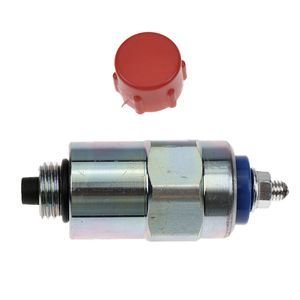
Engine Auxiliary Components
12V fuel cut-off solenoid for DPA/DPS/CAV/Lucas engines – OEM replacement
View DetailsNeed a Custom Quote?
Our technical team responds within 24 hours. MOQ 1 piece. Ships to 120+ countries from our Guangzhou warehouse.