

Engine Auxiliary Components

Engine Auxiliary Components
ISO Certified
Ships 2-5 Days
MOQ 1 Piece
Engine Auxiliary Components
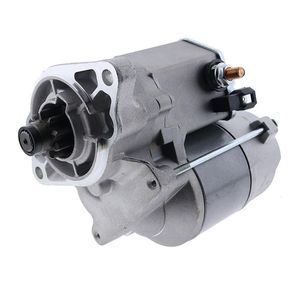
Starter Motor 12V 10T 6670727 | Overhaul Grade for Bobcat 325-341
<p><strong>Starter Motor 6670727</strong> 12V 2.2KW, 10T, CW rotation — replacement for Bobcat 325, 328, 329, 331, 334, 335, 337, 341 compact excavators and S100 skid steer loader.</p> <ul> <li>Scheduled replacement before brush wear and solenoid contact degradation cause a no-crank event keeps your fleet productive; inspect battery health and cable integrity at the same service interval to avoid accelerated starter failure.</li> <li>Cross-reference interchange: SND0408, 228000-6921, 410-52186, 18447N (reference only, not genuine).</li> <li>Replacement interval guidance and long-term supply commitment for aging Bobcat models included with shipment.</li> </ul>
Lead Time
2-5 Days
Warranty
3-12 Months
Min. Order
1 Piece
Ships To
120+ Countries
12V 10T
6670727
Bobcat 325-341
For Bobcat
Service Part
starter motor
Request a Quote
Response within 24 hours
Prefer instant chat?
WhatsApp
Product Details
Replacement Cycle Planning — stocking this starter motor ahead of predictable brush and solenoid wear keeps Bobcat compact machines out of reactive downtime.
Technical Specifications
| Parameter | Value |
|---|---|
| Part Number | 6670727 |
| Product Type | Starter Motor |
| Cross-Reference | 6670727, SND0408, NDAS228000-6921, 228000-6920, 228000-6921, AS228000-6921, 410-52186, 18447, 18447N (reference only) |
| Machine Fitment | Bobcat 325, 328, 329, 331, 334, 335, 337, 341, E25, E26, E32, E32i, E35, E35i, E42, E45, E50, E55, S100 |
| Unit Type | Starter |
| Voltage | 12V |
| Rotation | CW |
| Teeth | 10T |
| Power Output | 2.2KW |
| Condition | New Aftermarket |
| Warranty | 3-12 months (source value — verify against manufacturer catalog) |
| Certification | ISO 9001 |
Application Suitability
| Service Interval | What to Check |
|---|---|
| 3,000–4,000 operating hours | Brush length and solenoid contact surface condition |
| Annual pre-season inspection | Battery voltage under load, cable terminal corrosion, drive gear tooth wear |
| Post-winter storage recommissioning | Solenoid engagement click, pinion gear retraction, flywheel ring gear mating surface |
| Rental turnaround between deployments | Cranking speed consistency, abnormal noise during engagement |
Why Cold Mornings Expose a Weak Starter Motor Service Part
A failing starter motor rarely gives advance warning before the first no-crank event of the season.
I have watched entire morning shifts evaporate on mining sites across West Africa because a compact excavator refused to fire at dawn. The operator turns the key, hears a slow grind or nothing at all, and the machine sits idle while procurement scrambles to source a replacement. In Nigerian gold mining camps where a Bobcat 325 or E35 handles continuous material movement, losing even one machine to a starter motor service part failure cascades through the whole operation. The problem is not the component itself but the reactive purchasing habit — waiting until the part fails completely rather than scheduling it into the preventive maintenance calendar. [NEED_CITE: preventive maintenance scheduling for compact construction equipment fleets]
Fleet managers who track operating hours and bench-test starter current draw during routine service intervals catch the degradation long before it strands a machine. The cost is not the component; it is the idle crew, the missed tonnage target, and the expedited freight bill.
Where This Component Sits in the Bobcat Ownership Lifecycle
Every Bobcat compact excavator from the 325 through the 341 series, and the E-series machines from E25 up to E55, relies on a 12V starter motor service part as the single electrical gateway between a dead machine and a productive shift. Unlike hydraulic pumps or track motors that degrade gradually and visibly, a starter can appear functional until carbon brush wear crosses a critical threshold or the solenoid contacts pit beyond reliable conduction. Planning its replacement alongside major service milestones — such as a hydraulic fluid change or undercarriage inspection — consolidates labor and keeps the machine in the shop rather than breaking down on the job site.
Recognizing Wear Progression Before It Becomes a No-Crank Failure
Brush wear, solenoid contact erosion, and drive gear tooth degradation accumulate silently over thousands of cranking cycles. The first noticeable symptom is usually a slower cranking speed, which operators tend to blame on cold weather or a weak battery. By the time the starter motor service part produces a clicking sound without engagement, the solenoid contacts have typically degraded beyond field repair. In high-cycle environments like rental fleets and mining operations where Bobcat S100 loaders and E45 excavators start and stop dozens of times daily, this wear accelerates. Linking starter replacement to battery health audits and flywheel ring gear inspections at the same service interval catches the full chain of electrical wear in one maintenance event. [NEED_CITE: electrical system failure progression in compact diesel equipment]
Electrical Specifications That Determine Cranking Reliability
The 12V operating voltage matches the standard electrical architecture across the Bobcat compact equipment range, and the 2.2KW output provides sufficient torque to spin diesel engines in cold-start conditions typical of early morning site operations. The 10-tooth drive gear engages the flywheel ring gear at a precise pitch — any mismatch in tooth profile or gear diameter causes grinding noise and accelerated wear on both the starter pinion and the flywheel. Clockwise rotation aligns with the engine cranking direction specified for these Bobcat models. The CW rotation and tooth count are non-negotiable fitment parameters; a starter with correct voltage but wrong tooth count will physically mount but destroy the ring gear within the first engagement cycle.
The Cumulative Cost of Reactive Starter Replacement
When a fleet operator waits for a starter motor to fail before ordering a replacement, the immediate consequence is a machine down for days while sourcing and shipping complete. But the hidden cost runs deeper. Expedited freight charges accumulate. The machine’s scheduled work shifts to other units that then run overtime hours, compressing their own maintenance windows. In a rental fleet, a Bobcat E32i sitting idle during a customer’s project damages contract credibility. Over a multi-year ownership cycle, the total cost of reactive starter motor service part procurement — measured in downtime hours, premium freight, and cascading schedule disruption — consistently exceeds the cost of stocking spares and replacing on a planned interval. [NEED_CITE: total cost of ownership modeling for replacement electrical components]
Why Procurement Through This Channel Works for Lifecycle Planning
We produce selected part lines in our own facility and source the remainder from qualified ISO-certified manufacturing partners, so this starter motor carries the same quality control and warranty terms regardless of production origin. Eight product categories — engine, hydraulic, electrical, undercarriage, cabin, seals, tools, and general spares — ship under one account with one warranty, so your Bobcat fleet maintenance order consolidates into a single consignment. Minimum order is one piece, meaning you can stock a single spare starter motor service part without meeting bulk thresholds. Our Guangzhou warehouse holds stock of common electrical items for fast dispatch on routine replenishment orders. Part identification works from a part number, machine model, photograph, or nameplate image, so even if the original data plate is worn, our technical team confirms the correct unit. Cross-reference verification covers superseded and alternate numbers, and we supply samples for fitment confirmation before you commit to fleet-scale stocking.
Documentation & Verification
- Commercial invoice and packing list matching Bobcat starter motor line items and quantities
- Part compatibility sheet confirming machine model and cross-reference numbers (reference only)
- Quality inspection record covering voltage, current draw, and engagement test
- Warranty terms document specifying coverage period and claim procedure
- Packing photographs showing protective packaging before crate closure
- HS code and customs classification support for international electrical component shipments
Service Interval & Stocking Guidance
- Schedule starter motor service part inspection at each annual or 2,000-hour major service interval for Bobcat compact machines
- Check cranking amperage draw against baseline; elevated draw signals internal brush or bearing wear
- Stock one replacement unit per five machines in active daily use to cover the most probable electrical failure
- Store spare units in dry conditions with desiccant packs to prevent internal corrosion on solenoid contacts
- Record replacement dates and operating hours at installation to build fleet-specific wear trend data
- Inspect battery terminals and ground cables whenever the starter is replaced to prevent accelerated wear recurrence
Requesting a Lifecycle-Oriented Quote
Provide your Bobcat machine models and approximate operating hours so we can confirm the correct starter motor service part variant and suggest a stocking quantity aligned with your fleet size. If you manage a mixed fleet spanning older 325-series and newer E-series models, share the full machine list so we cross-reference each unit and identify any superseded numbers that affect interchange. We will return a compatibility-verified quote with recommended spare levels and consolidated dispatch options for your complete maintenance parts order.
Frequently Asked Questions
Q: How often should a starter motor be replaced in typical construction use?
A: Replacement intervals depend on cranking frequency and operating environment rather than a fixed hour count. In high-cycle applications like mining and rental fleets, Bobcat compact machines may benefit from starter motor service part replacement every 3,000 to 4,000 hours. Monitoring cranking speed and amperage draw during routine inspections provides a more reliable replacement trigger than calendar-based scheduling alone.
Q: What symptoms indicate the starter is nearing end of service life?
A: Slower cranking speed, intermittent engagement, and a clicking sound without engine turnover all point to internal wear. Brush depletion and solenoid contact pitting are the most common causes. If your Bobcat machine requires multiple key turns before the engine catches, the starter motor service part is likely approaching failure and should be inspected at the next available service window.
Q: Should I replace just the starter or inspect the whole starting circuit?
A: Always inspect the battery, cables, ground connections, and flywheel ring gear when replacing the starter. A weak battery forces the starter to draw excessive current, accelerating its own failure. Addressing the full circuit during one service event prevents the new starter motor service part from inheriting damage caused by an unresolved adjacent fault.
Q: How many spares should I keep on hand for my fleet?
A: A practical starting point is one spare starter per five machines in active daily service. Rental fleets and remote-site operations such as mining camps may justify higher ratios to eliminate shipping delays. We can suggest stocking levels based on your specific Bobcat model mix and operating environment once we review your fleet details.
Q: Can I still get starter motors for older Bobcat models?
A: Yes. We maintain cross-reference records covering superseded and discontinued numbers for legacy Bobcat machines including the 325, 328, and 331 series. Our technical team verifies interchange compatibility before confirming the order, so older equipment continues receiving correct starter motor service part supply even after original catalog numbers have been replaced.
Compatible Brands
CAT
KOMATSU
HITACHI
VOLVO
HYUNDAI
DOOSAN
KOBELCO
SANY
XCMG
Our parts are engineered to meet or exceed OEM specifications. Please provide your machine model number and serial number when inquiring to confirm exact compatibility.
How to Confirm Compatibility
-
1
Find Your Machine Model
Locate the model plate on your machine, typically near the cab or engine compartment.
-
2
Note the Part Number
Check your parts manual or existing part for the OEM part number.
-
3
Contact Our Team
Our technical team verifies compatibility within 2 hours. Send us the details via the inquiry form or WhatsApp.
Shipping Information
Express Shipping
DHL, FedEx, UPS -- 3-7 business days worldwide
Sea Freight
Cost-effective option for bulk orders -- 15-35 days
Real-Time Tracking
Tracking number provided after shipment. 24/7 support available.
Warranty Policy
3-12
Months Warranty
All parts come with manufacturer warranty. Duration varies by product category.
- Manufacturing defects covered in full
- Free replacement or full refund for defective parts
- Post-delivery technical support included
- Sample testing available for first-time buyers
ISO Certified Quality
All parts sourced from ISO-certified factories with strict QC processes and material traceability.
Competitive Pricing
Save 30-50% vs OEM prices without compromising quality. Transparent pricing with no hidden fees.
Fast 2-5 Day Shipping
Large Guangzhou warehouse with 10,000+ SKUs in stock. Most orders ship within 2-5 business days.
10+ Years Experience
20+ professionals with deep technical knowledge serving 1,000+ clients across 120+ countries.
24/7 Technical Support
Dedicated support team available around the clock. Part verification within 2 hours of inquiry.
Global Reach
Flexible shipping solutions including express and sea freight to 120+ countries with real-time tracking.
Related Products
More parts you might need
Engine Auxiliary Components
12V 9T Starter Motor 132-4948 for Kubota D1105 & Toro Groundsmaster 328D/228-D
View Details

Engine Auxiliary Components
12V Stop Solenoid SBA185206083 – Scheduled Maintenance for Shibaura N844
View DetailsNeed a Custom Quote?
Our technical team responds within 24 hours. MOQ 1 piece. Ships to 120+ countries from our Guangzhou warehouse.