
Engine Auxiliary Components
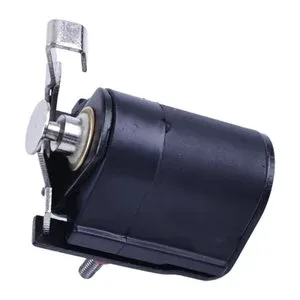
Stop Solenoid 12V | Overhaul Grade for Perkins John Deere GM Engines
<p>Replacement interval guidance and fleet stocking plans provided with each order.</p>
Lead Time
2-5 Days
Warranty
3-12 Months
Min. Order
1 Piece
Ships To
120+ Countries
Request a Quote
Response within 24 hours
Product Details
Fleet Stocking Strategy — Schedule 12V stop solenoid replacements before harvest or continuous excavation seasons to prevent reactive procurement and unplanned machine downtime.
Technical Specifications
| Parameter | Value |
|---|---|
| Part Number | RE62240, RE37089, AR48219, AR51796, AR90340, 8094900, 14067411, 15577535, 26435149 |
| Product Type | Stop Solenoid |
| Cross-Reference | RE62240, RE37089, AR48219, AR51796, AR90340, 8094900, 14067411, 15577535, 26435149 (reference only) |
| Machine Fitment | John Deere 1020, 2020, 2030, 2520, 3010, 3020, 4000, 4020, 4320, 4520, 4620, 5020, 6030, 3300, 9400, 5200, 5400, 7445, 9900, 9910, 9920, 9930, 210C, 300B, 300D, 310D, 315D, 2250, 2270, 2280, 2320, 2420, 3430, 3830 |
| Brand Compatibility | Perkins, John Deere, GM, Ford, Stanadyne, Roosamaster |
| Voltage | 12V |
| Insulation Class | Class H (rated to 180°C) |
| Plunger Rod Material | Stainless steel |
| O-Ring Seal Standard | SAE J2044 |
| Mounting Face & Bore ID Tolerance | ±0.05 mm |
| Magnetic Pull-in Force Tolerance | ±3% |
| Cycle Durability | 10,000+ cycles |
| Ignition Protection Standard | SAE J1171 |
| Condition | New Aftermarket |
| Warranty | 3–12 months against manufacturing defects |
Application Suitability
| Service Interval | What to Check |
|---|---|
| Agricultural Harvest Season Prep | Verify solenoid pull-in force and coil resistance before continuous operation begins; check wiring harness terminals for corrosion accumulated during off-season storage. |
| Excavator Major Service (2,000–3,000 hours) | Inspect O-ring seal integrity at the pump mounting face; test shutdown response time to confirm the solenoid still cuts fuel within acceptable delay. |
| Loader Fleet Annual Maintenance | Measure voltage drop across the solenoid circuit under load; confirm Class H insulation has not degraded from sustained high ambient temperatures in the engine bay. |
| Older Tractor Overhaul (John Deere 30/40/50 Series) | Cross-reference superseded part numbers against current engine serial; replace mounting hardware and seals that may no longer meet original torque specifications. |
| Generator Set Quarterly Run-Test | Cycle the shutoff solenoid through multiple activations to confirm magnetic force consistency; inspect plunger rod for scoring that indicates bore wear. |
Why Planned Replacement Beats Reactive Procurement for Fuel Shutoff Solenoids
A solenoid that fails mid-shift costs more in lost productivity than the part itself. The fuel shutoff solenoid service part sits at a critical junction: it is the final electrical command that stops the engine. When it fails, the machine either refuses to shut down or, more commonly, refuses to start the next morning. From years of watching repair bays in Guangzhou, I have seen fleets treat this component as an afterthought until a harvester stalls during peak window or an excavator refuses to restart after a lunch break.
Reactive purchasing means the machine sits idle while procurement confirms fitment, sources the part, and waits for delivery. For high-utilization equipment running continuous shifts, that unplanned downtime compounds quickly across a fleet [NEED_CITE: equipment downtime cost analysis for construction and agricultural fleets]. The alternative is integrating the fuel shutoff solenoid into scheduled maintenance intervals, replacing it based on operating hours or observable degradation signs rather than waiting for complete failure.
Planned Maintenance Positioning in the Engine Service Life
The 12V stop solenoid occupies a specific position in the engine auxiliary system hierarchy. It is not a wear item in the same sense as filters or belts, yet its failure mode is predictable: coil insulation degrades under sustained thermal cycling, magnetic pull-in force diminishes, and the plunger eventually fails to seat or retract reliably. For Perkins, John Deere, and GM engines operating in demanding environments, the solenoid typically shows measurable degradation before complete failure. Recognizing those early signals—sluggish shutdown response, intermittent starting failures, or elevated current draw—allows maintenance planners to schedule replacement during the next planned service window rather than triggering an emergency parts order.
Wear Progression and Associated Component Replacement
When the fuel shutoff solenoid reaches its replacement threshold, the decision extends beyond the solenoid alone. The O-ring seal at the mounting face compresses and hardens over the same service period, and reusing a degraded seal risks fuel weeping past the installation bore. Wiring terminals that have corroded or loosened create voltage drop, which forces the solenoid coil to work harder and accelerates insulation breakdown [NEED_CITE: electrical connection degradation effects on solenoid coil life]. Replacing the solenoid without addressing these adjacent factors often leads to premature failure of the new component. Fleet maintenance programs that stock matched sets—solenoid, SAE J2044 compliant O-ring, and terminal connectors—avoid the scenario where a new solenoid fails early because the old seal or wiring was left in place.
Spec Interpretation: What the Numbers Mean for Field Service
The technical parameters of this fuel shutoff solenoid service part translate directly to operational reliability. Class H insulation rated to 180°C matters because engine compartment temperatures in enclosed tractor hoods or excavator housings regularly exceed ambient by substantial margins; lower insulation classes degrade faster under these conditions. Stainless steel plunger rod resists corrosion from fuel exposure and atmospheric moisture, preventing the scoring and binding that plague carbon steel rods in humid or marine environments. Mounting face and bore ID tolerance of ±0.05 mm ensures the solenoid seats properly against the injection pump body; excessive clearance causes fuel leakage, while interference fit risks cracking the pump housing during installation. SAE J1171 ignition protection is essential for marine auxiliary generators and any application where fuel vapors may accumulate in enclosed spaces. These specifications collectively determine whether the solenoid survives its intended service interval or fails prematurely under field conditions.
The Cost of Deferred Replacement
Fleets that defer solenoid replacement until failure accumulate hidden costs across their operations. A harvester that fails to shut down properly risks engine overspeed or unintended restart during maintenance, creating safety incidents alongside mechanical damage. An excavator that requires multiple key cycles to start wastes fuel and operator time on every shift start. More insidiously, a solenoid operating with degraded insulation draws excess current, which stresses the wiring harness and can damage the ignition switch or relay upstream [NEED_CITE: parasitic electrical load effects on vehicle wiring systems]. The cumulative effect across a fleet is measurable in lost machine hours, accelerated wear on associated electrical components, and the premium paid for emergency parts sourcing versus planned inventory replenishment.
Procurement Advantages for Fleet Maintenance Programs
Own production on selected lines plus qualified sourced supply under one account and one warranty means the stop solenoid arrives with the same quality documentation and warranty terms whether it comes from our Guangzhou facility or a qualified partner. Eight categories so a complete job list ships as one consignment allows you to order solenoids alongside filters, seals, and adjacent maintenance items in a single shipment, eliminating split freight costs and mismatched arrival times. Minimum order from one piece supports pilot testing on a single machine before committing to fleet-wide stock levels. Part identification from number, machine model, photograph or nameplate image resolves fitment questions when equipment nameplates are worn or painted over, which is common on older John Deere 30 and 40 series tractors. Cross-reference verification covering superseded and alternate numbers confirms that legacy part numbers still map to current production, preventing procurement delays on older fleet assets. Technical team available for compatibility and grade confirmation ensures that voltage and mounting specifications match your specific engine serial range before you commit to volume orders.
Documentation & Verification
- Commercial invoice and packing list itemizing each solenoid part number and quantity for customs clearance and inventory reconciliation
- Part compatibility and cross-reference sheet listing OEM reference numbers (for identification purposes only) against verified machine fitment
- Quality inspection record documenting magnetic pull-in force test results and dimensional verification for each production batch
- Warranty terms specifying coverage period and manufacturing defect replacement policy for planned maintenance inventory
- Packing photographs showing solenoid protection and labeling before dispatch for receiving verification
- HS code and customs documentation support for international shipments of engine auxiliary components
Service Interval & Stocking Guidance
- Schedule replacement at major engine service intervals or when shutdown response time becomes inconsistent across multiple activations
- Inspect coil resistance and wiring terminal condition annually; replace solenoid if resistance deviates from baseline or terminals show corrosion
- Stock one solenoid per machine plus ten percent buffer for fleet operations running continuous shifts during peak seasons
- Store spare solenoids in sealed packaging with desiccant to prevent terminal corrosion and seal degradation before installation
- Verify voltage specification (12V) and mounting face tolerance match engine serial range before adding to maintenance inventory
- Replace O-ring seal (SAE J2044 standard) at every solenoid change; never reuse a compressed seal from previous installation
Request a Maintenance Stocking Quote
Provide your fleet composition—machine models, engine serial ranges, and annual operating hours per unit—to receive a stocking recommendation that aligns with your planned maintenance calendar. Include any superseded part numbers currently in your inventory so we can verify cross-reference compatibility and confirm which units map to current production. For high-utilization equipment entering peak season, specify your required delivery window so we can confirm stock availability and consolidated dispatch timing.
Frequently Asked Questions
Q: How often should the fuel shutoff solenoid be replaced preventively?
A: Replacement intervals depend on operating environment and duty cycle. For agricultural equipment running seasonal peaks, inspect before each harvest season and plan replacement every three to five years based on coil resistance trends. For construction equipment in continuous operation, align replacement with major engine service intervals around the 3,000-hour mark, or sooner if shutdown response becomes sluggish.
Q: What symptoms indicate the solenoid is approaching failure?
A: Early signs include inconsistent engine shutdown—sometimes requiring multiple key cycles—or delayed fuel cutoff that causes the engine to run on briefly after the ignition is switched off. Elevated current draw measured at the solenoid circuit indicates coil insulation degradation. Intermittent starting failures, particularly when the engine is warm, can also trace back to a solenoid that fails to fully retract the plunger.
Q: Should I replace only the solenoid or the associated seals and hardware?
A: Always replace the O-ring seal at the mounting face when changing the solenoid. The seal compresses and hardens over the same service period, and reusing it risks fuel leakage past the installation bore. Inspect wiring terminals and replace if corroded or loose; poor connections create voltage drop that accelerates degradation of the new solenoid coil.
Q: How many spare solenoids should a fleet keep in stock?
A: Base your stock level on fleet size, utilization intensity, and lead time tolerance. A practical starting point is one unit per machine plus a ten percent buffer for emergency replacement. For seasonal operations, increase buffer stock before peak periods when machine availability is critical and procurement lead times may extend due to demand surges.
Q: Will replacement solenoids still be available for older machine models?
A: Yes. We maintain cross-reference verification for superseded and alternate part numbers across legacy John Deere, Perkins, and GM engine applications. Provide your engine serial number or the original part number from your maintenance records, and we will confirm current production availability and fitment compatibility before you commit to stocking quantities.
Compatible Brands
Our parts are engineered to meet or exceed OEM specifications. Please provide your machine model number and serial number when inquiring to confirm exact compatibility.
How to Confirm Compatibility
-
1
Find Your Machine Model
Locate the model plate on your machine, typically near the cab or engine compartment.
-
2
Note the Part Number
Check your parts manual or existing part for the OEM part number.
-
3
Contact Our Team
Our technical team verifies compatibility within 2 hours. Send us the details via the inquiry form or WhatsApp.
Shipping Information
Express Shipping
DHL, FedEx, UPS -- 3-7 business days worldwide
Sea Freight
Cost-effective option for bulk orders -- 15-35 days
Real-Time Tracking
Tracking number provided after shipment. 24/7 support available.
Warranty Policy
All parts come with manufacturer warranty. Duration varies by product category.
- Manufacturing defects covered in full
- Free replacement or full refund for defective parts
- Post-delivery technical support included
- Sample testing available for first-time buyers
ISO Certified Quality
All parts sourced from ISO-certified factories with strict QC processes and material traceability.
Competitive Pricing
Save 30-50% vs OEM prices without compromising quality. Transparent pricing with no hidden fees.
Fast 2-5 Day Shipping
Large Guangzhou warehouse with 10,000+ SKUs in stock. Most orders ship within 2-5 business days.
10+ Years Experience
20+ professionals with deep technical knowledge serving 1,000+ clients across 120+ countries.
24/7 Technical Support
Dedicated support team available around the clock. Part verification within 2 hours of inquiry.
Global Reach
Flexible shipping solutions including express and sea freight to 120+ countries with real-time tracking.
Related Products
More parts you might need

Engine Auxiliary Components
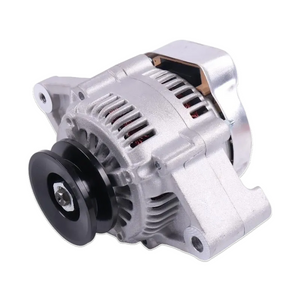
12V Shutoff Solenoid Valve 1G820-60022 – Scheduled Maintenance for Kubota D722 D782 D902
View Details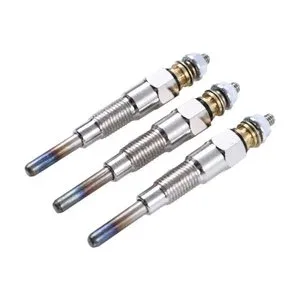
Engine Auxiliary Components
Service Part Glow Plug 16281-65510 for Kubota D905 D1005 D1105 D1305
View Details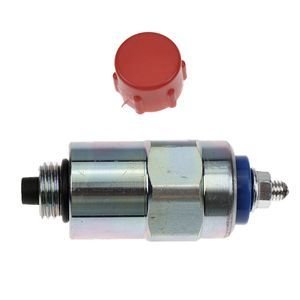
Engine Auxiliary Components
12V fuel cut-off solenoid for DPA/DPS/CAV/Lucas engines – OEM replacement
View DetailsNeed a Custom Quote?
Our technical team responds within 24 hours. MOQ 1 piece. Ships to 120+ countries from our Guangzhou warehouse.