
Emission & Exhaust System
Emission & Exhaust System
ISO Certified
Ships 2-5 Days
MOQ 1 Piece
Emission & Exhaust System
TD04L4 Turbocharger 1J774-17010 for Kubota SVL75-2 – Fleet Supply
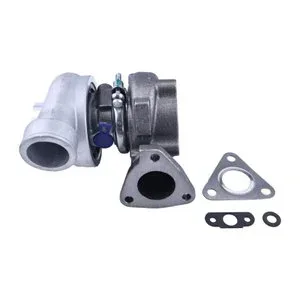
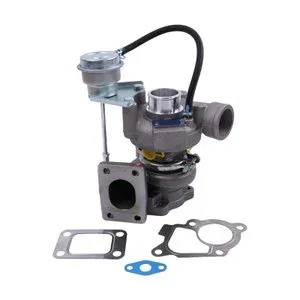
<p><strong>TD04L4 Turbocharger 1J774-17010 for Kubota SVL75-2</strong>, compatible with V3307-DI-TE3-Q and V3307-DI-T-E3B engines — aftermarket replacement unit supporting planned service intervals for compact track loaders.</p> <ul> <li>Replace during scheduled engine maintenance to avoid reactive downtime and secondary intake or exhaust damage</li> <li>Inspect boost pressure drop, oil consumption, and shaft play as mid-life wear indicators</li> <li>Evaluate compressor hoses, manifold gaskets, and oil feed lines during the same service window</li> </ul> <p>Cross-reference numbers: 1J774-17012, 1J774-17013, 49177-03250 (interchange reference only).</p> <p>Recommended replacement intervals and inspection guidance included with every shipment.</p>
Lead Time
2-5 Days
Warranty
3-12 Months
Min. Order
1 Piece
Ships To
120+ Countries
1J774-17010
Fleet Supply
For Kubota
Kubota SVL75-2
TD04L4
turbocharger
Request a Quote
Response within 24 hours
Prefer instant chat?
WhatsApp
Product Details
Replacement cycle guidance — TD04L4 turbo wear mapping for Kubota V3307-DI fleets keeps planned service windows aligned with predictable boost-system degradation.
Technical Specifications
| Parameter | Value |
|---|---|
| Product Type | Turbocharger |
| Part Number | 1J774-17010 |
| Cross-Reference | 1J774-17012, 1J774-17013, 1J774-17014, 1J774-17015, 1J774-17016, 49177-03250, 49177-03251, 49177-03252, 49177-03253, 49177-03254 (reference only) |
| Machine Fitment | SVL75-2, SVL75-2C |
| Turbo Model | TD04L4, TD04L4-09T, TD04L4-09TK3-5.0 |
| Compatible Engine | Kubota V3307-DI-TE3-Q, V3307-DI-T-E3B |
| Condition | New Aftermarket |
| Warranty | 3-12 months against manufacturing defects |
| Quality Standard | ISO |
Application Suitability
| Service Interval | What to Check |
|---|---|
| 2,000–3,000 engine hours | Shaft play, compressor wheel blade condition, oil feed line screen |
| Mid-life engine service | Exhaust manifold gasket integrity, intake hose swelling, boost pressure baseline |
| Pre-season fleet audit | Oil return line flow restriction, air filter housing seal, wastegate actuator response |
| Rental turnaround | Visible exhaust smoke under load, intake tract contamination, turbo mounting stud torque |
Planning Turbo Replacement Before the Machine Quits on Site
Most fleet operators discover a failing turbo only after power loss or excessive smoke — by then, the SVL75-2 has already been losing productivity for weeks.
Reactive turbo procurement forces a machine into unplanned downtime while waiting for parts, compounding the revenue lost during the slow degradation phase. I once watched a Kubota V3307-DI loader receive a standalone turbo swap on a job site, only to see the replacement fail within months because nobody checked the hardened exhaust manifold studs or the swollen compressor outlet hose during the same service window [NEED_CITE: turbocharger failure root cause analysis for compact track loaders]. A Turbocharger service part for Kubota SVL75-2 maintenance should never be treated as an isolated line item when the surrounding intake and exhaust path tells the real story.
Where the Turbo Sits in the SVL75-2 Service Life
The TD04L4 turbocharger occupies a predictable mid-life wear point on the V3307-DI engine platform. Unlike consumables replaced at every service, this component degrades gradually over thousands of hours, making it ideal for scheduled intervention rather than emergency response. Fleet managers who align Turbocharger service part for Kubota SVL75-2 maintenance with major engine service intervals consolidate labor and avoid paying twice for the same teardown.
Wear Progression and the Components That Age Alongside It
Boost pressure drop, rising oil consumption, and visible shaft play are the classic late-stage signals, but earlier indicators include subtle exhaust haze under load and a gradual loss of high-idle RPM. When the turbo is pulled, the oil feed and return lines carry residual debris from bearing wear — reusing them without flushing invites the new unit to ingest the same contamination that destroyed the old one. Exhaust manifold studs on the V3307-DI cycle through thousands of heat expansions and can fatigue invisibly, so replacing them during the same window prevents a manifold leak that would otherwise mimic turbo failure symptoms [NEED_CITE: exhaust manifold fastener fatigue in diesel engines under thermal cycling]. The compressor outlet hose degrades from the inside out, often appearing sound externally while the inner liner delaminates and restricts airflow.
Reading the Specs That Matter for Fleet Planning
The TD04L4-09TK3-5.0 variant designation encodes the compressor trim and turbine housing A/R ratio, which together determine the boost curve the V3307-DI-TE3-Q expects across its RPM range. Swapping in a turbo with a different trim changes the air delivery profile, potentially running the engine lean or rich at specific load points even if it physically bolts on. The compatible engine variants — V3307-DI-TE3-Q and V3307-DI-T-E3B — share the same block but differ in emission calibration, and the turbo mounting orientation and oil port clocking can shift between them. Confirming which engine serial is in your SVL75-2 before ordering ensures the oil feed port faces the correct direction for your existing line routing. The ISO-standard manufacturing process controls bearing journal tolerances and rotor balance grade, both of which directly influence how long the unit survives in a machine that operates at sustained high load in dusty conditions [NEED_CITE: turbocharger rotor balance grade specifications for off-highway diesel applications].
The Accumulated Cost of Reactive Turbo Procurement
A fleet that waits for turbo failure before ordering faces compounding losses: the machine sits idle during the diagnosis period, the part arrives under expedited freight, and the install happens under time pressure that shortcuts the surrounding inspection. I have seen SVL75-2 units return to the shop within a season because the oil return line was pinched during a rushed install and nobody traced the root cause of the original turbo failure — metal in the oil feed screen pointed to upstream bearing wear elsewhere in the engine that went unaddressed [NEED_CITE: turbocharger replacement best practices for preventing repeat failure]. Planning the Turbocharger service part for Kubota SVL75-2 maintenance around a scheduled engine service window means the manifold, hoses, gaskets, and oil lines all get evaluated in one labor event, and the replacement addresses the system rather than the symptom.
What This Supply Channel Brings to Fleet Maintenance
Selected turbo lines are produced in our own facility alongside sourced supply from qualified ISO-certified partners, and both carry identical QC and warranty terms. A single account covers the turbocharger plus the full intake-to-exhaust gasket and hose kit needed for the same service event, so one consignment arrives for one job. Minimum order from one unit means a single spare for fleet contingency stocking is a valid purchase. Guangzhou warehouse stock on common items supports dispatch without multi-week waits when a planned service window approaches. Part identification from engine serial, machine model, or a photograph of the existing nameplate ensures the correct TD04L4 variant ships, and cross-reference verification covers superseded Kubota part numbers across machine generations. A technical team remains available to confirm engine variant compatibility and oil port orientation before the order is finalized.
Documentation & Verification
- Commercial invoice and packing list matched to each turbocharger unit and its cross-reference sheet
- Compatibility and cross-reference document listing all superseded Kubota numbers (reference only)
- Dimensional and rotor balance inspection record included per unit
- Warranty terms covering manufacturing defects for 3 to 12 months
- Packing photographs taken before crate closure for transit condition reference
- HS code and customs documentation support for international fleet supply
Service Interval & Stocking Guidance
- Plan turbo inspection at every major engine service, typically when the V3307-DI reaches mid-life hours
- Check shaft play and compressor wheel blade edges during routine oil changes as an early warning
- Stocking one TD04L4 unit per engine family across the fleet covers the highest-probability mid-life failure point
- Store spare turbos sealed in original packaging, upright, away from humidity to preserve bearing surfaces
- Rotate shelf stock so the oldest unit deploys first during planned service events
Request a Fleet Maintenance Plan
Provide your SVL75-2 or SVL75-2C fleet count, engine serial variants, and current average engine hours, and receive a turbocharger replacement timeline aligned to your next scheduled service windows. Including the engine build plate photograph allows variant confirmation and correct oil port orientation before any order is placed.
Frequently Asked Questions
Q: What engine hour interval typically triggers turbo inspection or replacement?
A: On the V3307-DI platform, turbo inspection belongs at every major engine service interval. Replacement timing depends on operating conditions — machines in high-dust or sustained-high-load environments may show shaft play and boost drop sooner. Monitoring boost pressure baselines across your fleet reveals which units are approaching the threshold before failure forces an unplanned event.
Q: What symptoms indicate the turbo is approaching end of service life?
A: Gradual boost pressure drop under load, increasing oil consumption between changes, visible shaft play when the intake hose is removed, and exhaust smoke that worsens progressively all point to turbo degradation. These symptoms develop over weeks or months, providing a window for planned replacement if the fleet maintenance program includes periodic boost and blow-by checks.
Q: Should I replace just the turbo or the full intake and exhaust gasket set at the same time?
A: Replacing the turbo alone while reusing aged exhaust manifold gaskets, intake hoses, and oil lines invites repeat failure from the same degradation that damaged the original unit. Consolidating the full intake-to-exhaust path replacement into one service event reduces total labor cost and ensures the new TD04L4 operates in a system free of residual contamination and compromised seals.
Q: How many spare turbos should a fleet keep on hand for this engine family?
A: One unit per engine family typically covers the highest-probability mid-life failure without over-inventorying. If your fleet operates SVL75-2 and SVL75-2C units across multiple sites with limited local supply access, a second unit provides coverage during the replenishment lead time after the first spare is deployed.
Q: Can I still source this turbo for older SVL75-2 units no longer supported by the dealer network?
A: Aftermarket availability for the TD04L4 continues independently of dealer support status. Cross-reference verification across superseded Kubota part numbers ensures the correct variant ships for older machines, and engine serial confirmation resolves any mounting or oil port differences between production generations of the V3307-DI platform.
Compatible Brands
CAT
KOMATSU
HITACHI
VOLVO
HYUNDAI
DOOSAN
KOBELCO
SANY
XCMG
Our parts are engineered to meet or exceed OEM specifications. Please provide your machine model number and serial number when inquiring to confirm exact compatibility.
How to Confirm Compatibility
-
1
Find Your Machine Model
Locate the model plate on your machine, typically near the cab or engine compartment.
-
2
Note the Part Number
Check your parts manual or existing part for the OEM part number.
-
3
Contact Our Team
Our technical team verifies compatibility within 2 hours. Send us the details via the inquiry form or WhatsApp.
Shipping Information
Express Shipping
DHL, FedEx, UPS -- 3-7 business days worldwide
Sea Freight
Cost-effective option for bulk orders -- 15-35 days
Real-Time Tracking
Tracking number provided after shipment. 24/7 support available.
Warranty Policy
3-12
Months Warranty
All parts come with manufacturer warranty. Duration varies by product category.
- Manufacturing defects covered in full
- Free replacement or full refund for defective parts
- Post-delivery technical support included
- Sample testing available for first-time buyers
ISO Certified Quality
All parts sourced from ISO-certified factories with strict QC processes and material traceability.
Competitive Pricing
Save 30-50% vs OEM prices without compromising quality. Transparent pricing with no hidden fees.
Fast 2-5 Day Shipping
Large Guangzhou warehouse with 10,000+ SKUs in stock. Most orders ship within 2-5 business days.
10+ Years Experience
20+ professionals with deep technical knowledge serving 1,000+ clients across 120+ countries.
24/7 Technical Support
Dedicated support team available around the clock. Part verification within 2 hours of inquiry.
Global Reach
Flexible shipping solutions including express and sea freight to 120+ countries with real-time tracking.
Related Products
More parts you might need

Emission & Exhaust System
Turbocharger 6690633 for Bobcat 863 Deutz BF4M2011 – Service Part
View Details
Emission & Exhaust System
Turbocharger S1B 315666 | Scheduled Maintenance for Deutz BF3L914 BF4M1011F
View Details
Emission & Exhaust System
Turbocharger 1J716-17010 for Kubota SVL65-2/SVL65-2C – Direct-fit Replacement
View DetailsNeed a Custom Quote?
Our technical team responds within 24 hours. MOQ 1 piece. Ships to 120+ countries from our Guangzhou warehouse.