

Emission & Exhaust System
Emission & Exhaust System
ISO Certified
Ships 2-5 Days
MOQ 1 Piece
Emission & Exhaust System
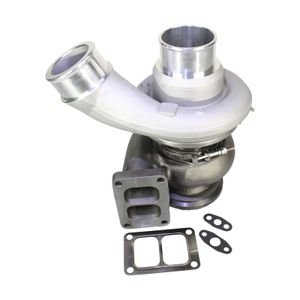
Turbocharger S300A113 for Mack CV713 – Fleet Supply
<p><strong>S300A113 Turbocharger (631GC5172M5 cross-reference)</strong> for Mack CV713 trucks with AI427 and E7 engines. New aftermarket replacement built to ISO 9001 standards.</p> <ul> <li>Designed for predictable maintenance cycles on regional haul and vocational CV713 fleets</li> <li>Watch for declining boost, rising oil consumption, or shaft play as replacement triggers</li> <li>Plan turbo swap alongside exhaust manifold gaskets and oil line inspection</li> </ul> <p>Older CV713 model years remain continuously supported with long-term aftermarket availability.</p>
Lead Time
2-5 Days
Warranty
3-12 Months
Min. Order
1 Piece
Ships To
120+ Countries
631GC5172M5
Emission System
Fleet Supply
For Mack
Mack CV713 Parts
S300A113
turbocharger
Request a Quote
Response within 24 hours
Prefer instant chat?
WhatsApp
Product Details
Fleet Stocking Strategy — Replacement intervals mapped to CV713 service schedules so turbocharger availability aligns with planned maintenance windows rather than emergency orders.
Technical Specifications
| Parameter | Value |
|---|---|
| Part Number | 631GC5172M5 |
| Product Type | Turbocharger |
| Cross-Reference | 631GC5172M5 (reference only) |
| Turbo Model | S300A113 |
| Machine Fitment | Mack CV713 |
| Engine Compatibility | AI427, E7 |
| Condition | New Aftermarket |
| Boost Pressure Validation | 1.8 bar (source value — verify against manufacturer catalog) |
| Rotational Balance Verification | up to 120,000 RPM (source value — verify against manufacturer catalog) |
| Flow Curve Tolerance | ±3% at 100,000 RPM (source value — verify against manufacturer catalog) |
| Radial Clearance | ±0.02 mm (source value — verify against manufacturer catalog) |
| Gasket Surface Flatness | ±0.05 mm (source value — verify against manufacturer catalog) |
| Quality Standard | ISO 9001 |
| Warranty | 6 months against manufacturing defects |
Application Suitability
| Service Interval | What to Check |
|---|---|
| Scheduled turbo replacement cycle | Exhaust backpressure readings and shaft play before removal |
| Fleet preventive maintenance window | Oil supply and drain line condition, air filter status |
| Overhaul trigger assessment | Exhaust manifold gasket seating surface and mating flange condition |
| Aging CV713 unit support | Parts availability as OEM dealer channels narrow for older model years |
| Rental turnaround between contracts | Boost pressure validation and visual turbine inspection |
Why Fleet Operators Lose Weeks Waiting on Turbocharger Supply
A Turbocharger service part for Mack CV713 maintenance ordered after failure means the truck is already sitting dead on the yard.
In regional haul operations, I have watched a single CV713 lose two full weeks of revenue because the turbocharger was not on the shelf when the shaft play became critical. The OEM reference number 631GC5172M5 (cross-reference only) often gets confused across procurement systems, and by the time the right unit arrives, the exhaust manifold gasket has cooled through several heat cycles and needs replacing too. Fleet maintenance teams that treat turbocharger procurement as reactive end up paying for it in compounding downtime [NEED_CITE: commercial vehicle turbocharger replacement frequency in heavy vocational service].
Where the Turbocharger Fits in Your CV713 Service Life
The S300A113 sits at a junction point in the Mack CV713 powertrain where wear in one component accelerates degradation in the others. A Turbocharger service part for Mack CV713 maintenance that gets replaced on schedule protects not only the engine from derating but also the downstream exhaust system from soot buildup and the upstream intake from oil contamination. Fleet operators who track boost pressure decline over successive service intervals can predict the replacement window rather than reacting to a wastegate failure mid-route.
Recognizing the Replacement Window Before It Closes
Declining boost pressure under load, increased oil consumption between drains, and dark exhaust smoke at startup all signal that journal bearing clearance inside the S300A113 is approaching the wear limit. Shaft play that you can feel by hand means the turbocharger has already passed the point where a simple swap is sufficient — at that stage, the oil drain line should be inspected for carbon restriction and the exhaust manifold studs checked for heat fatigue [NEED_CITE: turbocharger journal bearing wear indicators in heavy-duty diesel engines]. A CV713 running quarry hauls cycles through thermal loads differently than one on highway regional routes, so the replacement interval shifts depending on duty cycle.
Reading the Specifications That Matter in Service
The radial clearance specification of ±0.02 mm defines how much shaft movement the journal bearings tolerate before oil begins passing the seal rings into the intake tract. Gasket surface flatness held to ±0.05 mm ensures the turbine housing mates to the exhaust manifold without localized stress that leads to cracking after repeated thermal cycling. Boost pressure validation at 1.8 bar confirms the compressor wheel delivers the charge density the AI427 and E7 engine calibrations expect — a turbocharger that cannot sustain this pressure under load forces the engine control module into derate. Flow curve tolerance within ±3% at 100,000 RPM keeps the compressor operating inside its stable map region, avoiding surge conditions that damage the wheel.
The Cost of Reacting Instead of Planning
A fleet that buys turbochargers only when they fail accumulates hidden costs that never appear on a single invoice. The truck sits idle while the part ships, the exhaust manifold gasket cools and seizes to the studs requiring additional labor, and the oil left sitting in the drain line carbonizes restricting flow to the replacement unit. Over several years, these compounding delays mean the fleet is carrying fewer revenue-producing trucks than the maintenance budget assumed [NEED_CITE: total cost of ownership for unplanned versus scheduled turbocharger replacement].
Why Source This Turbocharger Through XUNPO
Self-produced and qualified sourced supply both carry the same six-month warranty and the same quality inspection standard. Eight product categories mean the turbocharger, exhaust manifold gasket, oil drain line gasket, and air filter all ship under one account and one freight consignment. Minimum order of one piece lets you stock a single reserve unit for an aging CV713 fleet without committing to bulk. Part identification works from the OEM reference number, the machine model, or a photograph of the worn nameplate. Technical support confirms whether your engine serial variant — AI427 or E7 — requires a specific turbocharger configuration before the order ships.
Documentation & Verification
- Commercial invoice listing 631GC5172M5 cross-reference and engine variant confirmation
- Part compatibility sheet mapping S300A113 to CV713 serial ranges (reference only)
- Dimensional inspection record covering gasket surface flatness and radial clearance
- Warranty certificate stating six-month manufacturing defect coverage
- Packing photographs showing anti-vibration foam and moisture barrier placement
- HS code and customs documentation support for cross-border fleet procurement
Service Interval & Stocking Guidance
- Confirm boost pressure decline trend across three consecutive service intervals before scheduling replacement
- Inspect shaft play and turbine wheel condition during every oil change on high-utilization CV713 units
- Stock one S300A113 per every five active CV713 trucks to cover predictable failure windows
- Store reserve turbochargers in original packaging with moisture barrier intact, away from vibration sources
- Record engine serial variant for each truck to prevent ordering the wrong turbocharger configuration during shift changes
Tell Us About Your Fleet
Provide your CV713 model year, engine type (AI427 or E7), and current fleet size so we can suggest a stocking quantity that matches your maintenance cadence. If your units have prior turbocharger replacements on record, share that history so we can confirm mating surface condition requirements.
Frequently Asked Questions
Q: What operating hour or mileage interval typically signals turbo replacement on the Mack CV713?
A: Replacement timing depends heavily on duty cycle — quarry haul CV713 units see higher thermal loads than highway regional trucks. Rather than a fixed interval, track boost pressure readings across successive services. When boost drops noticeably under load while fuel consumption rises, the S300A113 journal bearings are approaching their wear limit.
Q: What symptoms indicate the S300A113 turbo is approaching end of service life?
A: Watch for declining boost pressure, increased oil consumption between drain intervals, and darker exhaust smoke at cold startup. Detectable shaft play by hand means the turbocharger has already exceeded its service limit and adjacent components like the oil drain line likely need concurrent inspection.
Q: Should I replace just the turbo or the turbo plus adjacent gaskets and oil lines at the same time?
A: Replacing only the turbocharger while leaving aged exhaust manifold gaskets and oil drain lines in place risks early failure of the new unit. Carbon buildup in the drain line restricts oil return, and a fatigued manifold gasket creates exhaust leaks that alter turbine inlet pressure. Plan concurrent replacement during the same service window.
Q: Will this aftermarket turbo remain available for older CV713 model years as OEM support phases out?
A: Aging Mack CV713 fleets face narrowing dealer channels over time. XUNPO maintains supply commitment for the S300A113 configuration across both AI427 and E7 engine variants, supporting fleet operators who need predictable parts access well beyond the OEM production lifecycle.
Compatible Brands
CAT
KOMATSU
HITACHI
VOLVO
HYUNDAI
DOOSAN
KOBELCO
SANY
XCMG
Our parts are engineered to meet or exceed OEM specifications. Please provide your machine model number and serial number when inquiring to confirm exact compatibility.
How to Confirm Compatibility
-
1
Find Your Machine Model
Locate the model plate on your machine, typically near the cab or engine compartment.
-
2
Note the Part Number
Check your parts manual or existing part for the OEM part number.
-
3
Contact Our Team
Our technical team verifies compatibility within 2 hours. Send us the details via the inquiry form or WhatsApp.
Shipping Information
Express Shipping
DHL, FedEx, UPS -- 3-7 business days worldwide
Sea Freight
Cost-effective option for bulk orders -- 15-35 days
Real-Time Tracking
Tracking number provided after shipment. 24/7 support available.
Warranty Policy
3-12
Months Warranty
All parts come with manufacturer warranty. Duration varies by product category.
- Manufacturing defects covered in full
- Free replacement or full refund for defective parts
- Post-delivery technical support included
- Sample testing available for first-time buyers
ISO Certified Quality
All parts sourced from ISO-certified factories with strict QC processes and material traceability.
Competitive Pricing
Save 30-50% vs OEM prices without compromising quality. Transparent pricing with no hidden fees.
Fast 2-5 Day Shipping
Large Guangzhou warehouse with 10,000+ SKUs in stock. Most orders ship within 2-5 business days.
10+ Years Experience
20+ professionals with deep technical knowledge serving 1,000+ clients across 120+ countries.
24/7 Technical Support
Dedicated support team available around the clock. Part verification within 2 hours of inquiry.
Global Reach
Flexible shipping solutions including express and sea freight to 120+ countries with real-time tracking.
Related Products
More parts you might need


Emission & Exhaust System
Aftermarket TD04L4 Turbocharger – Service Part for Kubota SVL75-2
View DetailsNeed a Custom Quote?
Our technical team responds within 24 hours. MOQ 1 piece. Ships to 120+ countries from our Guangzhou warehouse.