
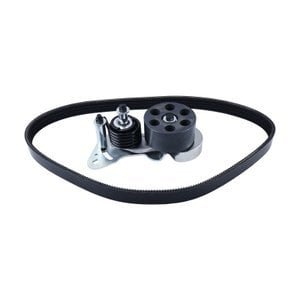
Belt Drive Systems

Belt Drive Systems
ISO Certified
Ships 2-5 Days
MOQ 1 Piece
Belt Drive Systems
Wear Item Wheel Drive Belt Compatible with Exmark Metro
<p><strong>265-458 Wheel Drive Belt, Neoprene Rubber with Polyester Cord</strong> — compatible with Exmark Metro walk-behind mowers including M15KA362, M16KA483, MG481KA362 and related variants.</p> <ul> <li>Replace drive belts at signs of cracking, glazing or slippage before peak mowing season to avoid contract losses from unplanned downtime</li> <li>Inspect idler pulleys and tensioners at each belt change — worn pulleys accelerate belt failure across the drivetrain</li> <li>Stock quantities should align with fleet size and seasonal operating hours for predictable service intervals</li> </ul> <p>Older Metro models remain supported with cross-reference verified replacements including 1323288 and 6586BR interchange references, keeping aging fleets operational past OEM lifecycle.</p>
Lead Time
2-5 Days
Warranty
3-12 Months
Min. Order
1 Piece
Ships To
120+ Countries
265-458
Belt
drive belt
Exmark Metro
For Exmark
Wear Part
Request a Quote
Response within 24 hours
Prefer instant chat?
WhatsApp
Product Details
Fleet Stocking Strategy — Keep Exmark Metro walk-behind mowers running through peak season with planned belt replacement and coordinated component checks.
Technical Specifications
| Parameter | Value |
|---|---|
| Part Number | 265-458 1323288 6586BR |
| Product Type | Belt |
| Cross-Reference | 12-9257, 75-177, 1-323288, 1323288SL, 265458, 323288, 129257, 75177 (reference only) |
| Machine Fitment | Exmark Metro M15KA322P, M15KA362, M15KA362P, M15KA483, M15KA483P, M16KA322P, M16KA362, M16KA362P, M16KA483, M16KA483P, M32-12.5K-5, M32-12.5KO-5, M32-8.5B-5, MG16KA362, MG16KA362CA, MG16KA362P, MG16KA483, MG16KA483CA, MG16KA483P, MG481KA362, MG481KA362CA, MG481KA362P, MG481KA483, MG481KA483CA, MG481KA483P |
| Condition | New Aftermarket |
| Material | Neoprene rubber compound with reinforced polyester cord |
| Operating Temperature | -20°C to +80°C |
| Dimensional Tolerance | ±0.3 mm on belt width and length |
| Warranty | 3–12 months against manufacturing defects |
| MOQ | 1 piece |
| Standards | ISO 9001, ISO 4184, SAE J1459 |
Application Suitability
| Service Interval | What to Check |
|---|---|
| Every 250–400 operating hours | Belt surface cracking, glazing, and edge fraying on wheel drive circuit |
| Seasonal startup inspection | Tensioner spring pressure and idler pulley bearing play before re-tensioning |
| After 800+ hours cumulative use | Pulley groove wear pattern and shaft runout that accelerate new belt wear |
| Pre-contract fleet audit | Cross-machine variant check across Metro 32″, 36″, 48″ decks for correct belt length |
Why Commercial Fleets Lose Revenue to a Twelve-Dollar Belt
Scheduled stocking eliminates the most expensive line item in mower maintenance: idle crew time.
A single walk-behind mower sitting idle during peak mowing season means a two-person crew either stands around or reassigns to less productive work. The Wheel Drive Belt service part fails predictably — rubber compound hardens, tensile cords fatigue, and the belt begins slipping under load [NEED_CITE: commercial turf equipment belt failure progression under continuous duty cycles]. Yet most fleet operators discover the failure only when the operator reports loss of traction on a slope or the belt snaps mid-route. I have watched crews in Latin America lose entire days to sourcing a replacement belt locally at inflated cost because nobody checked stock levels before the wet season started.
Where This Belt Sits in the Metro Drivetrain Lifecycle
The wheel drive circuit on Exmark Metro walk-behind mowers transmits engine power through a belt-and-pulley arrangement to the wheel hubs. This Wheel Drive Belt service part operates under continuous tension and moderate heat from the engine compartment. Unlike hydraulic hoses or electrical connectors, belt wear follows a reasonably linear trajectory — visible cracking appears on the ribbed surface, followed by edge cord separation, then sudden failure under peak torque. Tracking operating hours against belt condition gives fleet managers a reliable replacement window rather than waiting for breakdowns.
Adjacent Component Wear That Shortens Belt Life
Every time I replaced only the belt on a Metro unit without inspecting the tensioner, the new belt showed glazing within half the expected service interval. The idler pulley bearing develops radial play over time, allowing the belt to oscillate laterally and wear unevenly against the pulley flanges [NEED_CITE: belt drive misalignment effects on service life in small commercial equipment]. The tensioner spring loses preload force after thousands of compression cycles, reducing grip and permitting slip under load. Replacing the Wheel Drive Belt service part alongside worn tensioners and pulleys restores the full drivetrain to designed operating parameters.
Reading the Specs That Matter in the Field
The neoprene rubber compound formulation resists heat buildup from continuous friction in the drive circuit, maintaining flexibility across the stated operating temperature range. Reinforced polyester cord carries tensile load without stretching beyond the dimensional tolerance of ±0.3 mm, which keeps belt tracking stable on the pulley grooves. Operating outside this tolerance — whether from a worn pulley or incorrect installation tension — causes the belt to ride higher in the groove, generating excess heat and accelerating compound degradation. SAE J1459 compliance ensures the belt geometry matches the pulley profile specified for Metro walk-behind platforms.
The Cumulative Cost of Reactive Belt Purchasing
Fleet operators who buy belts only after failure accumulate hidden expenses across a season. Each unplanned stop requires a technician to diagnose, source, and install — consuming hours that compound across a fleet of ten or twenty units [NEED_CITE: total cost of unplanned downtime in commercial landscaping fleet operations]. Worse, a belt that fails catastrophically can whip through adjacent wiring or damage the pulley guard, converting a simple consumable replacement into a multi-component repair. Stocking two to three belts per machine variant before the busy season costs a fraction of a single missed contract day.
Sourcing Confidence for Metro Fleet Maintenance
Guangzhou warehouse stock on common Metro belt variants allows rapid dispatch when seasonal demand spikes. Part identification works from machine model alone — provide the Metro deck size and model code, and the correct belt variant is confirmed without needing the worn part number. Technical support verifies cross-reference numbers including superseded references, catching errors that copied compatibility tables often carry forward. Sample supply is available for fitment confirmation before committing to bulk fleet orders. Single-piece minimum order means even a one-unit rental fleet can maintain correct stock levels without carrying excess inventory.
Documentation & Verification
- Commercial invoice listing each belt variant by machine model and deck size
- Cross-reference sheet matching OEM numbers as interchange reference only
- Dimensional inspection record confirming width and length within ±0.3 mm tolerance
- Warranty terms covering manufacturing defects for 3–12 months from dispatch
- Packing photographs showing belt coil condition and labeling before crate closure
- HS code provided for customs clearance at destination port
Service Interval & Stocking Guidance
- Inspect belt ribbed surface every 250 hours for cracking depth and edge cord exposure
- Check idler pulley lateral play and tensioner spring force at each belt change
- Stock one spare belt per machine for fleets under 500 hours annual use
- Increase to two spares per unit for machines exceeding 800 hours or operating in abrasive dust
- Store belts flat in dark, dry conditions below 30°C to prevent compound aging
- Rotate stock using first-in-first-out to avoid shelf-hardened rubber entering service
Plan Your Fleet Belt Requirements
Provide your Exmark Metro model codes, deck sizes, and annual operating hour estimates so we can confirm the correct belt variant for each machine in your fleet and recommend stocking quantities aligned to your contract season length.
Frequently Asked Questions
Q: How often should I replace the wheel drive belt on a commercial mower?
A: Under typical commercial use, inspect the belt at 250-hour intervals and plan replacement between 400 and 600 operating hours depending on duty cycle. Machines running steep terrain or sandy conditions wear belts faster. Track hours per unit and align replacement with other scheduled service items to minimize separate downtime events.
Q: What signs indicate the belt is approaching end of service life?
A: Look for surface cracking on the ribbed side, glazing or shiny patches indicating slip, and exposed cord at the edges. Loss of drive power on inclines or a squealing sound during engagement also signal reduced grip. Any of these symptoms warrant immediate inspection and likely replacement before complete failure.
Q: Should I replace the tensioner and idler pulley when changing the belt?
A: Yes, if the tensioner spring shows reduced preload or the idler pulley has lateral bearing play. Installing a new belt on worn tensioning components causes premature glazing and shortens belt life noticeably. Treating the belt, tensioner, and idler as a replacement set restores proper drivetrain function.
Q: How many spares should I keep for a fleet of Exmark Metro units?
A: A practical baseline is one spare belt per machine for fleets operating under 500 hours annually. For high-use units exceeding 800 hours or running in demanding conditions, carry two spares per machine. Align total stock to your peak season duration and supplier lead times to avoid mid-season shortages.
Q: Can I still get belts for older Metro models no longer in production?
A: Many discontinued Metro variants share belt specifications with current models through superseded part numbers. Provide your machine model and serial range so the correct variant is identified through verified cross-reference. Aftermarket supply often continues supporting platforms well beyond original manufacturer discontinuation dates.
Compatible Brands
CAT
KOMATSU
HITACHI
VOLVO
HYUNDAI
DOOSAN
KOBELCO
SANY
XCMG
Our parts are engineered to meet or exceed OEM specifications. Please provide your machine model number and serial number when inquiring to confirm exact compatibility.
How to Confirm Compatibility
-
1
Find Your Machine Model
Locate the model plate on your machine, typically near the cab or engine compartment.
-
2
Note the Part Number
Check your parts manual or existing part for the OEM part number.
-
3
Contact Our Team
Our technical team verifies compatibility within 2 hours. Send us the details via the inquiry form or WhatsApp.
Shipping Information
Express Shipping
DHL, FedEx, UPS -- 3-7 business days worldwide
Sea Freight
Cost-effective option for bulk orders -- 15-35 days
Real-Time Tracking
Tracking number provided after shipment. 24/7 support available.
Warranty Policy
3-12
Months Warranty
All parts come with manufacturer warranty. Duration varies by product category.
- Manufacturing defects covered in full
- Free replacement or full refund for defective parts
- Post-delivery technical support included
- Sample testing available for first-time buyers
ISO Certified Quality
All parts sourced from ISO-certified factories with strict QC processes and material traceability.
Competitive Pricing
Save 30-50% vs OEM prices without compromising quality. Transparent pricing with no hidden fees.
Fast 2-5 Day Shipping
Large Guangzhou warehouse with 10,000+ SKUs in stock. Most orders ship within 2-5 business days.
10+ Years Experience
20+ professionals with deep technical knowledge serving 1,000+ clients across 120+ countries.
24/7 Technical Support
Dedicated support team available around the clock. Part verification within 2 hours of inquiry.
Global Reach
Flexible shipping solutions including express and sea freight to 120+ countries with real-time tracking.
Related Products
More parts you might need

Need a Custom Quote?
Our technical team responds within 24 hours. MOQ 1 piece. Ships to 120+ countries from our Guangzhou warehouse.