
Engine Auxiliary Components

Engine Auxiliary Components
ISO Certified
Ships 2-5 Days
MOQ 1 Piece
Engine Auxiliary Components
12V Fuel Shutdown Solenoid 119233-77932 – Fleet Supply for Yanmar
<p><strong>119233-77932 Fuel Shutdown Solenoid, 12V DC</strong> — aftermarket replacement for Yanmar 3TNE and 3TNV engine families in Takeuchi TB007–TB235, Hyundai R55-5/R60-5 and John Deere tractors.</p> <ul> <li>Typical wear signs include sluggish plunger response and coil insulation degradation from sustained high-cycle operation</li> <li>Replacement aligns with scheduled service intervals, and adjacent seals and O-rings warrant simultaneous inspection</li> <li>Standardized stocking across mixed Yanmar-powered fleets keeps machines running on your maintenance schedule, not the failure's</li> </ul> <p>Recommended replacement intervals and cross-reference verification details ship with every order.</p>
Lead Time
2-5 Days
Warranty
3-12 Months
Min. Order
1 Piece
Ships To
120+ Countries
119233-77932
Fleet Supply
Fuel System
Service Part
stop solenoid
Yanmar Compatible
Request a Quote
Response within 24 hours
Prefer instant chat?
WhatsApp
Product Details
Lifecycle Planning — Replacement intervals and stocking guidance provided with every shipment of this Yanmar-compatible fuel shutdown solenoid for predictable fleet maintenance.
Technical Specifications
| Parameter | Value |
|---|---|
| Part Number | 119233-77932 |
| Cross-Reference | 119233-77932, 11923377932 (reference only) |
| Product Type | Stop Solenoid |
| Machine Fitment | Takeuchi TB007, TB014, TB016, TB108, TB125, TB135, TB235; Hyundai R55-5, R60-5; John Deere tractors |
| Voltage | 12V DC |
| Current Draw | ≤ 1.8A |
| Body Material | Brass alloy |
| Coil Insulation Class | Class H (180°C) |
| Plunger Material | Hardened stainless steel |
| Sealing | Dual NBR O-rings |
| Seal Temperature Rating | 120°C |
| Seal Pressure Rating | 10 bar |
| Control Standard Compliance | ISO 8528-1 |
| Condition | New Aftermarket |
Application Suitability
| Service Interval | What to Check |
|---|---|
| Every 2,000 operating hours | Coil insulation integrity and plunger travel smoothness |
| Annual preventive inspection | O-ring condition, seal seating, and electrical connector corrosion |
| Engine overhaul or top-end refresh | Adjacent fuel lines, injector return hoses, and mounting gasket surfaces |
| Pre-season fleet servicing | Voltage response under load and de-energized hold force verification |
| After extended storage periods | Plunger freedom of movement and residual magnetism check |
When a Small Electrical Part Grounds an Entire Fleet
Fuel shutdown solenoids sit at the intersection of electrical reliability and fuel system safety, yet most fleet operators treat them as run-to-failure items. A solenoid that fails to de-energize leaves the engine running when the key is off. A solenoid that fails to energize prevents the engine from starting at all. Either scenario produces the same result: unplanned downtime that disrupts scheduled work and cascades through downstream operations.
[NEED_CITE: diesel engine shutdown system reliability standards for construction equipment]
From my time maintaining Latin American fleet operations, I have watched a single stalled solenoid on a Yanmar 3TNE84 unit idle an entire loading circuit while the replacement part moved through international air freight. The failure itself was minor — coil insulation had degraded over thousands of start-stop cycles until the winding could no longer generate sufficient magnetic force. The consequence was anything but minor. A fuel shutdown solenoid replacement for Yanmar-powered equipment belongs in every preventive maintenance stocking plan, purchased proactively and rotated through scheduled service intervals rather than ordered reactively after a machine has already stalled on site.
Positioning the Solenoid Within the Engine Service Life
Every Yanmar 3TNE and 3TNV family engine accumulates solenoid actuations in direct proportion to its operating hours. Urban excavation sites with frequent start-stop cycling can reach tens of thousands of actuations per year, each one cycling the plunger through its full travel against dual NBR O-ring friction. Over time, this mechanical wear combines with thermal cycling of the Class H coil insulation to produce a predictable degradation curve. The fuel shutdown solenoid service part should be scheduled for replacement before that curve reaches its inflection point, not after the operator reports sluggish engine cutoff or intermittent starting failures.
Recognizing Wear Before It Becomes a Failure
The progression toward solenoid failure is rarely instantaneous. Early indicators include a perceptible delay between key-off and actual engine stop, occasional failure to shut down on the first attempt, or a faint buzzing from the solenoid body during cranking that suggests the plunger is not achieving full travel. In dusty quarry environments or marine terminal operations, contamination ingress around the seal interfaces accelerates O-ring wear, reducing the hydraulic seal integrity and allowing fuel weepage that further degrades electrical insulation. [NEED_CITE: diesel fuel system contamination effects on electrical solenoid components] When these symptoms appear on one machine in a mixed fleet, the same service hours likely apply to sibling units — making it the right moment to evaluate fleet-wide stocking quantities.
Decoding the Specifications That Matter in Service
The brass alloy body provides corrosion resistance in the high-humidity, fuel-splash environments typical of engine compartments, while maintaining the dimensional stability needed for precise plunger bore alignment. The Class H coil insulation rating to 180°C matters because solenoid bodies mounted near exhaust manifolds or turbocharger housings regularly experience ambient temperatures well above standard industrial ratings. The hardened stainless steel plunger resists the galling and pitting that softer materials develop after repeated cycling against fuel-lubricated seal surfaces. Dual NBR O-rings rated to 120°C and 10 bar provide redundant sealing — if one ring degrades, the second maintains fuel containment long enough to reach the next scheduled service window rather than creating an immediate leak-down condition.
The Compounding Cost of Reactive Procurement
Replacing a fuel shutdown solenoid after failure means the machine has already stopped producing revenue. The downtime window includes fault diagnosis, part identification, supplier contact, shipping transit, and technician re-mobilization — each stage adding hours or days during which the equipment earns nothing. For rental fleets where utilization rates directly determine profitability, even a single unplanned outage on a Yanmar-powered unit can erase the revenue from weeks of normal operation. [NEED_CITE: equipment utilization impact of unplanned component failures in rental fleets] Fleet operators who stock this solenoid alongside other scheduled maintenance consumables eliminate every stage of that reactive chain. The part is on the shelf, the replacement is performed during a planned service window, and the machine returns to work on the operator’s schedule rather than the supplier’s shipping timeline.
Why Source This Service Part Through XUNPO
Our Guangzhou warehouse maintains stock depth on high-consumption engine auxiliary components including shutdown solenoids for Yanmar-family engines, so fleet stocking orders can ship without extended lead times. We supply both self-produced and sourced lines under a single warranty structure, meaning your procurement team manages one account regardless of how many categories appear on a given maintenance order. The minimum order is one piece — we do not block an emergency single-unit purchase behind volume thresholds, and we support fleet-level bulk stocking with the same quality inspection documentation on every unit shipped. Cross-reference verification covers superseded part numbers and alternate references across Yanmar engine generations, so older machines that brand dealers have deprioritized continue receiving verified aftermarket supply. Sample units are available for fitment confirmation before you commit to a full fleet replenishment order. [NEED_CITE: aftermarket parts supply continuity for aging construction equipment fleets]
Documentation & Verification
- Commercial invoice listing part number 119233-77932 with cross-reference identification noted
- Compatibility sheet mapping this solenoid to Yanmar 3TNE and 3TNV engine variants
- Dimensional inspection record covering plunger travel and O-ring groove measurements
- Six-month warranty terms against manufacturing defects included with every shipment
- Packing photographs documenting condition and protective packaging before dispatch
- HS code and customs documentation prepared for cross-border fleet supply orders
Service Interval & Stocking Guidance
- Schedule replacement every 2,000 operating hours or during major engine service events
- Inspect plunger surface finish and O-ring compression set during routine fuel system checks
- Stock a rotating supply calibrated to fleet size — one unit per ten machines covers typical consumption
- Store in sealed packaging away from fuel vapor and direct sunlight to preserve NBR seal integrity
- Verify coil resistance with a multimeter during each scheduled inspection before reinstallation
Planning Your Fleet Solenoid Supply
Provide your engine model, equipment serial numbers, and current service hour readings so our technical team can confirm solenoid specification across your Yanmar-powered fleet. We can then recommend stocking quantities aligned with your maintenance calendar and ship a consolidated order that covers this component alongside your other scheduled replacement parts.
Frequently Asked Questions
Q: How often should a fuel shutdown solenoid be replaced during routine maintenance?
A: Replacement intervals depend on operating hours and start-stop cycle frequency. For Yanmar 3TNE and 3TNV engines in typical construction use, scheduling replacement during every second major service event provides a reliable baseline. Units in high-cycle urban excavation applications may benefit from more frequent rotation through stock.
Q: What warning signs indicate the solenoid is approaching end of service life?
A: Delayed engine shutdown after key-off, intermittent starting failures, audible buzzing during cranking, and visible fuel weepage around the solenoid body all suggest advancing wear. These symptoms indicate coil insulation degradation or O-ring compression set, both of which worsen progressively once they begin.
Q: Should I inspect surrounding fuel system components when replacing the solenoid?
A: Yes. Adjacent O-rings, fuel line connections, and mounting surfaces share the same service exposure. Replacing the solenoid without checking these neighboring items risks a fuel system fault appearing shortly after, requiring a second service event and duplicating labor costs.
Q: Can I still source reliable supply for older Yanmar engines that dealers no longer prioritize?
A: Verified aftermarket supply continues for older Yanmar 3TNE and early 3TNV variants even as brand-dealer support thins. Cross-reference verification ensures correct specification across engine sub-models and superseded numbers, so your aging fleet maintains parts availability without depending on OEM channel stock.
Q: How many spare solenoids should a rental fleet keep in rotating stock?
A: A practical starting point is one unit per ten active machines, adjusted upward for high-utilization fleets operating in dusty or high-vibration environments. This buffer covers predictable consumption between bulk replenishment orders and prevents reactive procurement during peak rental seasons.
Compatible Brands
CAT
KOMATSU
HITACHI
VOLVO
HYUNDAI
DOOSAN
KOBELCO
SANY
XCMG
Our parts are engineered to meet or exceed OEM specifications. Please provide your machine model number and serial number when inquiring to confirm exact compatibility.
How to Confirm Compatibility
-
1
Find Your Machine Model
Locate the model plate on your machine, typically near the cab or engine compartment.
-
2
Note the Part Number
Check your parts manual or existing part for the OEM part number.
-
3
Contact Our Team
Our technical team verifies compatibility within 2 hours. Send us the details via the inquiry form or WhatsApp.
Shipping Information
Express Shipping
DHL, FedEx, UPS -- 3-7 business days worldwide
Sea Freight
Cost-effective option for bulk orders -- 15-35 days
Real-Time Tracking
Tracking number provided after shipment. 24/7 support available.
Warranty Policy
3-12
Months Warranty
All parts come with manufacturer warranty. Duration varies by product category.
- Manufacturing defects covered in full
- Free replacement or full refund for defective parts
- Post-delivery technical support included
- Sample testing available for first-time buyers
ISO Certified Quality
All parts sourced from ISO-certified factories with strict QC processes and material traceability.
Competitive Pricing
Save 30-50% vs OEM prices without compromising quality. Transparent pricing with no hidden fees.
Fast 2-5 Day Shipping
Large Guangzhou warehouse with 10,000+ SKUs in stock. Most orders ship within 2-5 business days.
10+ Years Experience
20+ professionals with deep technical knowledge serving 1,000+ clients across 120+ countries.
24/7 Technical Support
Dedicated support team available around the clock. Part verification within 2 hours of inquiry.
Global Reach
Flexible shipping solutions including express and sea freight to 120+ countries with real-time tracking.
Related Products
More parts you might need
Engine Auxiliary Components
12V Starter Motor AT318141 for Yanmar Hitachi Zaxis – Service Part
View Details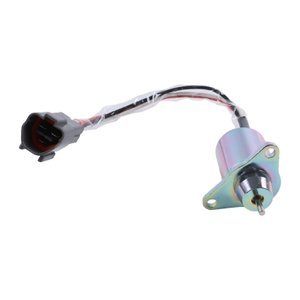
Engine Auxiliary Components
12V Fuel Shutdown Solenoid 119233-77932 for Yanmar 3TNE84/3TNV88 Engines
View Details
Engine Auxiliary Components
12V 9T Starter Motor 1J755-63010 for Kubota SVL75 – Service Part
View DetailsNeed a Custom Quote?
Our technical team responds within 24 hours. MOQ 1 piece. Ships to 120+ countries from our Guangzhou warehouse.