

Engine Auxiliary Components
Engine Auxiliary Components
ISO Certified
Ships 2-5 Days
MOQ 1 Piece
Engine Auxiliary Components
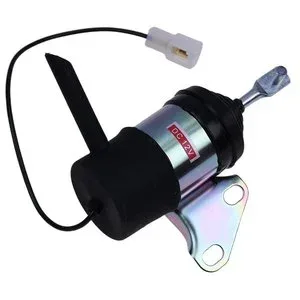
12V Fuel Stop Solenoid 16851-60014 – Scheduled Maintenance for Kubota RTV900
<p><strong>16851-60014 Fuel Stop Solenoid, 12V DC, IP65</strong> — replacement for Kubota RTV900 series utility vehicles.</p> <ul> <li>Early signs of solenoid wear include delayed engine shutoff or intermittent starting; replacing this component during scheduled service intervals prevents unplanned fleet downtime.</li> <li>High-purity copper windings and stainless steel plunger rod withstand 500,000+ cycles across -20°C to +85°C operating range.</li> <li>Covers RTV900G, RTV900T, RTV900W, RTV900XT variants; cross-reference 052600-4530, 052600-4531, 16851-60010 verified.</li> <li>Suggested replacement intervals and service documentation included with each shipment for fleet maintenance planning.</li> </ul>
Lead Time
2-5 Days
Warranty
3-12 Months
Min. Order
1 Piece
Ships To
120+ Countries
16851-60014
For Kubota
Fuel System
Kubota RTV900
Service Part
stop solenoid
Request a Quote
Response within 24 hours
Prefer instant chat?
WhatsApp
Product Details
Fleet Stocking Strategy — Scheduled rotation of fuel stop solenoids keeps RTV900 units running without reactive downtime.
Technical Specifications
| Parameter | Value |
|---|---|
| Part Number | 16851-60014 |
| Product Type | Stop Solenoid |
| Cross-Reference (reference only) | 052600-4530, 052600-4531, 052600-453, 16851-60010, 16851-60012, 16851-60013, 16851-60015 |
| Machine Fitment | RTV900G, RTV900G6, RTV900G9, RTV900R-SD, RTV900R-SDL, RTV900R6, RTV900R9, RTV900T, RTV900T5-H, RTV900T5-T2, RTV900T6, RTV900T9, RTV900W, RTV900W6, RTV900W6SE, RTV900W8SE, RTV900W9, RTV900W9SE, RTV900XTG, RTV900XTR, RTV900XTS, RTV900XTT, RTV900XTW |
| Voltage | 12V DC |
| IP Rating | IP65 |
| Operating Temperature | -20°C to +85°C |
| Cycle Life | 500,000+ cycles |
| Winding Material | High-purity copper |
| Armature Material | Precision-machined ferrous core |
| Plunger Rod | Stainless steel |
| Surface Treatment | Passivation on external metal components |
| Dimensional Tolerance | ±0.05 mm |
| Condition | New Aftermarket |
| Warranty | 6-month manufacturing defect coverage |
| Standards | ISO 9001, ISO 8528, SAE J1171 |
Application Suitability
| Service Interval | What to Check |
|---|---|
| Every 1,500 operating hours | Solenoid response time, coil resistance, plunger movement |
| Annual fleet inspection | Wiring harness integrity, connector corrosion, mounting bolt torque |
| Pre-season deployment (rental fleets) | Full functional test under load, fuel shutoff confirmation |
| Post-rebuild verification | Adjacent fuel line condition, relay and fuse rating match |
| Legacy unit continuation (RTV900G / early variants) | Cross-reference confirmation against superseded numbers |
Why Fleets Keep Paying for the Same Solenoid Failure Twice
Reactive purchasing turns a scheduled maintenance item into an unplanned shutdown event.
Across municipal grounds crews and construction support sites, I have watched entire shifts stall because a single 12V Fuel Stop Solenoid service part failed without warning and no spare was on the shelf. The solenoid itself is inexpensive; the cost sits in the idle operator, the delayed job, and the expedited freight to get a replacement on site [NEED_CITE: fleet maintenance scheduling and reactive versus preventive part replacement]. When the same RTV900 variant fails the same way across a fleet of ten or more units, treating each failure as an isolated event guarantees repeated downtime. Operators in mining support and agricultural utility environments face compounding losses when the machine that goes down is the one blocking the haul road or the irrigation schedule.
Where the Solenoid Sits in the Machine’s Service Life
The fuel stop solenoid is an electrically actuated valve that cuts fuel delivery to shut the engine down. It fires every time the operator turns the key, meaning its cycle count climbs steadily from day one. On RTV900 platforms working five-day weeks in grounds maintenance or light construction support, cycle accumulation reaches thresholds where internal spring fatigue and plunger wear begin to affect response consistency. Recognizing this component as a wear item — not a lifetime part — is the first step in moving from reactive replacement to planned rotation. A 12V Fuel Stop Solenoid service part belongs on the same preventive schedule as fuel filters and glow plugs.
Reading the Signs Before Total Failure
Intermittent engine shutoff hesitation, extended cranking before the engine dies, or occasional failure to restart after a normal shutdown all point toward solenoid degradation. These symptoms often appear weeks before complete failure, giving fleet managers a window to schedule replacement during planned service rather than emergency response. On older RTV900G and RTV900T units, connector corrosion and wiring harness fatigue can mask the solenoid’s own decline, making simultaneous inspection of the electrical path essential [NEED_CITE: electrical connector degradation patterns in mobile equipment fuel systems]. Units that sit in rental yards between deployments are especially prone to moisture-related connector issues that accelerate apparent solenoid failure.
Understanding the Electrical and Environmental Ratings
The IP65 rating means the solenoid body resists dust ingress and low-pressure water jets — important for RTV900 units operating in muddy construction support sites or washed-down municipal maintenance yards. The 12V DC coil operates within standard vehicle electrical system ranges, but voltage drops from corroded battery terminals or undersized wiring can reduce actuation force over time, mimicking internal solenoid wear. The -20°C to +85°C operating range covers most temperate and continental climate deployments, though units stored outdoors in extreme northern winters may experience sluggish plunger response at the cold end until the engine bay warms. High-purity copper windings maintain consistent resistance across this temperature band, reducing the chance of heat-related coil degradation during sustained high-ambient operation.
The Cumulative Cost of Buying One at a Time
Fleets that purchase a single solenoid after each failure absorb expedited freight charges, operator idle time, and repeated administrative processing across multiple orders. A fleet of fifteen RTV900 units running similar duty cycles will likely see solenoid failures cluster within the same quarter if no preventive plan exists. By contrast, stocking two or three units at standard lead time and rotating them into service during scheduled maintenance collapses those separate costs into one planned procurement event [NEED_CITE: total cost of reactive maintenance versus planned component rotation in utility vehicle fleets]. For rental companies turning over equipment between contracts, having verified spares on hand eliminates the gap between returned unit inspection and next deployment.
Why Source This Component Through XUNPO
Selected part lines are produced in our own Guangzhou facility, with the remainder sourced from qualified ISO-certified manufacturing partners — both channels carry identical quality control and the same 6-month warranty. The RTV900 stop solenoid ships from Guangzhou warehouse stock on common variants, supporting fleet managers who need to build inventory without extended lead times. Cross-reference verification covers the full superseded number chain from 16851-60010 through 16851-60015, so older fleet units receive confirmed-compatible replacements. Minimum order starts at one piece, but fleet-quantity orders consolidate under a single account with unified documentation. Our technical team confirms machine model and serial range compatibility before dispatch, reducing the risk of stocking the wrong variant across mixed RTV900 fleets.
Documentation & Verification
- Commercial invoice listing each RTV900 variant covered by the order
- Cross-reference sheet mapping superseded numbers (reference only) to confirmed applications
- Dimensional inspection record verifying ±0.05 mm tolerance on plunger and mounting interface
- Warranty terms aligned with standard fleet preventive maintenance cycles
- Packing photographs showing solenoid condition and protective packaging before crate closure
- HS code and customs documentation support for international fleet supply chains
Service Interval & Stocking Guidance
- Inspect solenoid function and coil resistance at every 1,500-hour scheduled service
- Check connector pins and wiring harness for corrosion during annual fleet audits
- Stock one spare unit per ten RTV900 machines in active daily service
- Store spares in sealed anti-static packaging away from moisture and direct sunlight
- Replace proactively when intermittent shutoff hesitation appears, before complete failure
- Verify superseded number compatibility for legacy RTV900G and early RTV900T units before adding to inventory
Planning Your Next Fleet Procurement
Provide your RTV900 model list, approximate unit count, and current service hour ranges. We will confirm cross-reference compatibility across your fleet variants and recommend stocking quantities based on your maintenance rotation schedule. For mixed fleets spanning early and late production units, include serial numbers so we can verify variant-specific fitment before building your consolidated order.
Frequently Asked Questions
Q: How often should the fuel stop solenoid be inspected or replaced in a working fleet?
A: Inspection at every 1,500 operating hours is a practical baseline for RTV900 units in daily service. Check coil resistance, plunger movement, and connector condition at each interval. Proactive replacement makes sense when intermittent shutoff symptoms appear or when cycle life approaches the rated threshold. Align replacement with existing fuel system service windows to avoid separate downtime events.
Q: What symptoms suggest the solenoid is nearing the end of its service life?
A: Watch for delayed engine shutoff after key-off, extended cranking before the engine stops, or occasional failure to restart after normal shutdown. Intermittent hesitation during shutoff often precedes complete failure by several weeks. On older units, rule out connector corrosion and wiring issues first, as these can produce similar symptoms without actual solenoid degradation.
Q: Should related fuel system components be replaced at the same time?
A: Replacing fuel filters and inspecting fuel line condition during solenoid service is good practice, since the fuel system is already partially accessed. Check the relay and fuse serving the solenoid circuit for signs of heat damage. Simultaneous replacement reduces the chance of a secondary fuel system issue forcing another unplanned service event shortly after the solenoid swap.
Q: How many spare solenoids should a fleet operator keep on the shelf?
A: One spare per ten active RTV900 units provides reasonable coverage for most fleet maintenance programs. Rental companies with rapid turnaround cycles may benefit from holding two units to avoid deployment delays. Adjust upward if your fleet operates in remote locations where even standard lead times create unacceptable gaps in equipment availability.
Q: Is this part still supported for older RTV900 model variants?
A: Yes. Cross-reference verification covers superseded numbers from the earliest RTV900G through current RTV900XT variants. Providing your specific model and serial number allows confirmation that the correct variant is supplied. This continuity matters for fleets running older units where dealer-supported part availability has begun to thin.
Compatible Brands
CAT
KOMATSU
HITACHI
VOLVO
HYUNDAI
DOOSAN
KOBELCO
SANY
XCMG
Our parts are engineered to meet or exceed OEM specifications. Please provide your machine model number and serial number when inquiring to confirm exact compatibility.
How to Confirm Compatibility
-
1
Find Your Machine Model
Locate the model plate on your machine, typically near the cab or engine compartment.
-
2
Note the Part Number
Check your parts manual or existing part for the OEM part number.
-
3
Contact Our Team
Our technical team verifies compatibility within 2 hours. Send us the details via the inquiry form or WhatsApp.
Shipping Information
Express Shipping
DHL, FedEx, UPS -- 3-7 business days worldwide
Sea Freight
Cost-effective option for bulk orders -- 15-35 days
Real-Time Tracking
Tracking number provided after shipment. 24/7 support available.
Warranty Policy
3-12
Months Warranty
All parts come with manufacturer warranty. Duration varies by product category.
- Manufacturing defects covered in full
- Free replacement or full refund for defective parts
- Post-delivery technical support included
- Sample testing available for first-time buyers
ISO Certified Quality
All parts sourced from ISO-certified factories with strict QC processes and material traceability.
Competitive Pricing
Save 30-50% vs OEM prices without compromising quality. Transparent pricing with no hidden fees.
Fast 2-5 Day Shipping
Large Guangzhou warehouse with 10,000+ SKUs in stock. Most orders ship within 2-5 business days.
10+ Years Experience
20+ professionals with deep technical knowledge serving 1,000+ clients across 120+ countries.
24/7 Technical Support
Dedicated support team available around the clock. Part verification within 2 hours of inquiry.
Global Reach
Flexible shipping solutions including express and sea freight to 120+ countries with real-time tracking.
Related Products
More parts you might need

Engine Auxiliary Components
12V Fuel Stop Solenoid 16851-60014 – Service Part for Kubota RTV900
View Details

Need a Custom Quote?
Our technical team responds within 24 hours. MOQ 1 piece. Ships to 120+ countries from our Guangzhou warehouse.