
Engine Auxiliary Components
Engine Auxiliary Components
ISO Certified
Ships 2-5 Days
MOQ 1 Piece
Engine Auxiliary Components
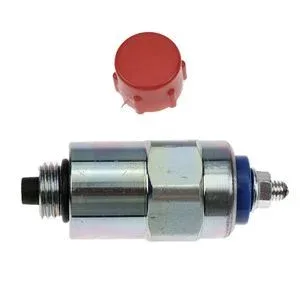
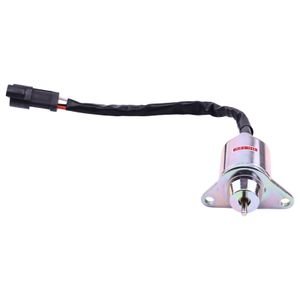
12V Fuel Stop Solenoid Valve Service Part for Thermo King TK249–TK486
<ul> <li>Recommended replacement intervals provided with shipment for fleet-level maintenance planning</li> </ul>
Lead Time
2-5 Days
Warranty
3-12 Months
Min. Order
1 Piece
Ships To
120+ Countries
12V DC
41-9100
Fuel System
Service Part
stop solenoid
Thermo King Compatible
TK249
Request a Quote
Response within 24 hours
Prefer instant chat?
WhatsApp
Product Details
Lifecycle Coverage — replacement intervals mapped across Thermo King TK249 through TK486 series for proactive fleet stocking.
Technical Specifications
| Parameter | Value |
|---|---|
| Part Number | 41-9100, 42-0100, 41-4306, 41-7886, 42-1700 |
| Product Type | Stop Solenoid |
| Cross-Reference | 41-9100, 42-0100, 41-4306, 41-7886, 42-1700 (reference only) |
| Machine Fitment | TK249, TK374, TK388, TK395, TK482, TK482E, TK486, TK486E, TK486V |
| Electrical Rating | 12V DC |
| Operating Temperature Range | -40°C to +85°C |
| Test Voltage | 12V/24V dual voltage |
| Condition | New Aftermarket |
| Warranty | 3–12 months against manufacturing defects |
| MOQ | 1 piece |
Application Suitability
| Service Interval | What to Check |
|---|---|
| Pre-season fleet inspection | Solenoid plunger stroke response and connector pin condition |
| Annual overhaul cycle | Fuel line O-rings and electrical harness degradation |
| 3,000+ operating hours | Thermal cycling fatigue on sealing surfaces and armature wear |
| Unit redeployment (rental turnover) | Full shutdown function test under loaded thermal conditions |
| Older TK249/TK374 units entering late service life | Cross-reference verification against superseded part numbers |
When Reactive Purchasing Silences a Refrigerated Fleet
Plan the replacement before cargo sits warm on a loading dock.
Transport refrigeration units fail without warning when a fuel stop solenoid valve reaches end-of-life mid-route. The typical outcome is a trailer parked at a depot with a spoiled load while a replacement part is sourced through brand-dealer channels — a process that stretches across multiple weeks [NEED_CITE: transport refrigeration fleet downtime cost factors]. Fleet operators who treat this 12V fuel stop solenoid valve service part as a consumable item, stocked ahead of predictable consumption, avoid that compounding loss entirely.
The failure pattern is rarely sudden. Erratic shutdowns during thermal cycling, uncontrolled idling after the controller commands engine stop, and intermittent no-stop conditions all signal that the solenoid armature or sealing surfaces have degraded past serviceable limits. Once those symptoms surface, the window for planned replacement has already closed.
Positioning the Solenoid Within the Unit’s Service Life
A transport refrigeration unit’s fuel shutoff system sits at the intersection of electrical control and engine management. The 12V fuel stop solenoid valve service part is not a high-frequency wear item like a fuel filter, but its failure consequence is disproportionately severe — a non-functional shutoff means the engine cannot be commanded to stop, creating safety and compliance issues beyond simple downtime.
Fleet maintenance schedules that track operating hours per unit can align solenoid replacement with major service events, bundling it alongside injector inspection and fuel system overhauls. This approach converts an unpredictable emergency into a planned line item.
Recognizing Wear Progression Before Shutdown Failure
Sealing surface degradation on the solenoid plunger typically follows thermal cycling patterns — units operating in extreme ambient swings accumulate fatigue faster than those in moderate climates [NEED_CITE: thermal cycling effects on solenoid sealing materials]. The Viton® O-rings specified for this component handle a broad temperature range, but repeated expansion and contraction eventually compromise the seal interface.
Electrical connector pins also warrant inspection during any solenoid replacement event. Corrosion or looseness at the connector creates voltage drop that mimics solenoid failure, leading to unnecessary part swaps. Checking pin depth and contact resistance before condemning the solenoid itself prevents misdiagnosis.
Fleet-level stocking decisions should account for variant spread across the Thermo King range. Units designated TK482E and TK486E share the base platform but may require different cross-reference numbers depending on production batch, making serial number verification essential before committing inventory.
Reading the Specifications That Matter in the Field
The -40°C to +85°C operating range covers the full environmental envelope a transport refrigeration unit encounters — from cold-chain depot storage to desert highway transit. Solenoids rated for narrower ranges develop sluggish plunger response at temperature extremes, producing the erratic shutdown behavior that precedes complete failure.
Dual-voltage test capability at 12V/24V confirms the unit can handle voltage spikes common in heavy-duty electrical systems where alternator output fluctuates under varying load. The Class H insulation rating at 180°C provides margin above the operating temperature ceiling, protecting the coil winding from thermal degradation during extended high-ambient operation.
The stainless steel armature resists the corrosive environment inside an engine compartment where fuel vapor, road salt, and thermal cycling combine to attack untreated ferrous components [NEED_CITE: material selection criteria for diesel engine auxiliary components].
The Cumulative Cost of Reactive Procurement
A single unplanned solenoid failure on a loaded refrigerated trailer triggers a cascade: cargo temperature excursions, delivery penalties, emergency freight charges for the replacement part, and technician overtime for after-hours installation. Across a fleet, these events compound into a maintenance budget category that should not exist.
Operators who replace solenoids only after failure also miss the opportunity to inspect adjacent fuel system components during a planned teardown. Fuel line O-rings that have aged alongside the failed solenoid often develop leaks within weeks of the solenoid swap, forcing a second downtime event for a repair that could have been completed during the first [NEED_CITE: preventive maintenance scheduling for transport refrigeration fleets].
Procurement Backed by Inventory Discipline
Our own production lines and qualified sourcing partners operate under one account with identical warranty terms, so solenoids from either supply stream carry the same quality commitment. The eight product categories we cover mean a fleet maintenance order combining stop solenoids, seal kits, and electrical connectors ships as a single consignment rather than fragmented deliveries.
Single-piece minimum order quantity allows operators to validate fitment on one unit before committing to fleet-wide stocking. Cross-reference verification covers superseded and alternate numbers across the Thermo King range, catching the variant differences that cause field installation failures. Technical support is available for compatibility confirmation when machine nameplates are worn or serial number records are incomplete.
Documentation & Verification
- Commercial invoice listing each stop solenoid cross-reference number with machine fitment noted
- Compatibility sheet mapping part numbers to TK249–TK486 variants (reference only)
- Dimensional inspection record covering plunger stroke tolerance and mounting hole spacing
- Warranty terms specifying coverage period against manufacturing defects
- Packing photographs showing protective packaging for solenoid sealing surfaces
- HS code classification and customs documentation for international fleet supply
Service Interval & Stocking Guidance
- Schedule solenoid inspection at each annual transport refrigeration unit overhaul event
- Monitor for erratic shutdowns or no-stop conditions as primary replacement indicators
- Stock one spare per five to eight active units based on fleet operating environment severity
- Store unused solenoids in sealed packaging away from fuel vapor and direct sunlight
- Rotate shelf stock to ensure oldest inventory deploys first across maintenance events
Planning Your Next Inventory Replenishment
Provide your fleet composition by Thermo King model and typical operating hours per unit so we can align stocking recommendations with your service intervals. Units approaching the later years of brand-dealer parts support benefit from verified aftermarket cross-reference mapping before current inventory runs out.
Frequently Asked Questions
Q: What symptoms indicate the fuel stop solenoid needs replacement?
A: Erratic engine shutdowns during thermal cycling, failure to stop when the controller commands shutoff, and uncontrolled idling are the primary indicators. These symptoms typically develop gradually, giving fleet maintenance teams a window to plan replacement rather than react to a complete failure event on a loaded trailer.
Q: Should I replace just the solenoid or the entire fuel shutoff assembly?
A: When the solenoid coil or armature has failed but the housing and fuel passages remain intact, single-component replacement is justified. If corrosion or physical damage affects the mounting flange or fuel port interfaces, exchanging the full assembly prevents recurring leaks and avoids a second teardown within months.
Q: How many spares should I keep in stock per fleet size?
A: Fleet operators typically stock one unit per five to eight active trailers, adjusting upward for units operating in extreme ambient conditions or high thermal-cycling environments. Older models facing thinning brand-dealer support warrant deeper inventory to bridge supply gaps during critical shipping seasons.
Q: Can I still get replacement parts for older Thermo King models?
A: Aftermarket supply covers models like the TK249 and TK374 that may see reduced brand-dealer inventory. Cross-reference verification ensures the replacement matches your specific production batch, as superseded numbers across model generations can create fitment discrepancies if not properly mapped.
Q: What other components should I inspect when replacing the stop solenoid?
A: Fuel line O-rings, electrical connector pins, and the wiring harness section leading to the controller all degrade on similar timelines. Inspecting these during the solenoid replacement prevents secondary failures that would otherwise require another unplanned downtime event within weeks of the initial repair.
Compatible Brands
CAT
KOMATSU
HITACHI
VOLVO
HYUNDAI
DOOSAN
KOBELCO
SANY
XCMG
Our parts are engineered to meet or exceed OEM specifications. Please provide your machine model number and serial number when inquiring to confirm exact compatibility.
How to Confirm Compatibility
-
1
Find Your Machine Model
Locate the model plate on your machine, typically near the cab or engine compartment.
-
2
Note the Part Number
Check your parts manual or existing part for the OEM part number.
-
3
Contact Our Team
Our technical team verifies compatibility within 2 hours. Send us the details via the inquiry form or WhatsApp.
Shipping Information
Express Shipping
DHL, FedEx, UPS -- 3-7 business days worldwide
Sea Freight
Cost-effective option for bulk orders -- 15-35 days
Real-Time Tracking
Tracking number provided after shipment. 24/7 support available.
Warranty Policy
3-12
Months Warranty
All parts come with manufacturer warranty. Duration varies by product category.
- Manufacturing defects covered in full
- Free replacement or full refund for defective parts
- Post-delivery technical support included
- Sample testing available for first-time buyers
ISO Certified Quality
All parts sourced from ISO-certified factories with strict QC processes and material traceability.
Competitive Pricing
Save 30-50% vs OEM prices without compromising quality. Transparent pricing with no hidden fees.
Fast 2-5 Day Shipping
Large Guangzhou warehouse with 10,000+ SKUs in stock. Most orders ship within 2-5 business days.
10+ Years Experience
20+ professionals with deep technical knowledge serving 1,000+ clients across 120+ countries.
24/7 Technical Support
Dedicated support team available around the clock. Part verification within 2 hours of inquiry.
Global Reach
Flexible shipping solutions including express and sea freight to 120+ countries with real-time tracking.
Related Products
More parts you might need

Engine Auxiliary Components
Recoil Starter 150-481 695058 Replacement for Briggs & Stratton
View Details
Engine Auxiliary Components
16851-60014 Fuel Stop Solenoid for Kubota ZD Series – Fleet Supply
View Details
Engine Auxiliary Components
12V Fuel Shut Off Solenoid 425-35925 for Gehl Mustang – Service Part
View DetailsNeed a Custom Quote?
Our technical team responds within 24 hours. MOQ 1 piece. Ships to 120+ countries from our Guangzhou warehouse.