
Engine Auxiliary Components

Engine Auxiliary Components
ISO Certified
Ships 2-5 Days
MOQ 1 Piece
Engine Auxiliary Components
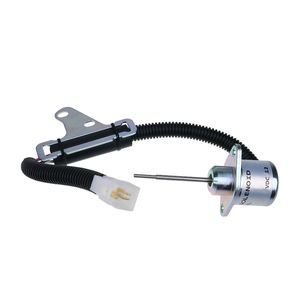
12V Stop Solenoid 3991167 SA-4941-12 – Service Part for Cummins 4BT
<p><strong>12V Stop Solenoid 3991167 SA-4941-12, replacement for Cummins 4BT engines in Hyundai R130/R170</strong> — IP67 sealed with Class H coil insulation rated to 180°C, supporting up to 500,000 engagement cycles.</p> <ul> <li>Delayed shutdown response or intermittent engagement signals winding degradation before complete failure, making proactive replacement at electrical inspection intervals cost-effective</li> <li>Single-component swap preferred over full harness replacement unless recurring faults trace to upstream wiring</li> </ul> <p>Replacement interval guidance included with shipment to support fleet-level preventive planning across aging Hyundai R130 and R170 units.</p>
Lead Time
2-5 Days
Warranty
3-12 Months
Min. Order
1 Piece
Ships To
120+ Countries
12V Coil
3991167
For Cummins
Hyundai R130
SA-4941-12
Service Part
stop solenoid
Request a Quote
Response within 24 hours
Prefer instant chat?
WhatsApp
Product Details
Fleet Stocking Plan — This 12V stop solenoid is sized for predictable consumption across Hyundai R130 and R170 units running Cummins 4BT powerplants.
Technical Specifications
| Parameter | Value |
|---|---|
| Part Number | 3991167 SA-4941-12 |
| Cross-Reference | 3991167, SA-4941-12, SA494112, 3964627 (reference only) |
| Machine Fitment | Hyundai R130, Hyundai R170 |
| Voltage | 12V |
| Coil Insulation Class | Class H (180°C rated) |
| Plunger Material | Precision-ground stainless steel with hardened tip (HRC 58–62) |
| Sealing Rating | IP67 |
| Sealing Material | Dual-lip nitrile rubber gaskets |
| Dimensional Tolerance | ±0.05 mm |
| Operating Temperature Range | -20°C to +85°C |
| Engagement Cycle Rating | Up to 500,000 cycles |
| Condition | New Aftermarket |
| Warranty | 6 months against manufacturing defects |
| MOQ | 1 piece |
Application Suitability
| Service Interval | What to Check |
|---|---|
| Major engine service (typically every 1,500–2,000 operating hours) | Inspect solenoid housing for thermal discoloration and check plunger return spring tension |
| Electrical system audit during seasonal turnaround | Verify coil resistance and connector pin condition; note delayed shutdown response |
| Machine re-commissioning after extended storage | Test full engagement cycle and confirm no moisture ingress past dual-lip seals |
| Pre-disposal or sale inspection on older R130/R170 units | Replace as a known wear item to avoid last-minute failure during buyer demonstration |
Why Engines Refuse to Shut Down at the End of a Shift
A degraded 12V stop solenoid turns a routine engine-off command into an operational disruption that costs far more than the part itself.
In my years running fleet maintenance for excavation and loading crews across Latin America, the stop solenoid is the component most often ignored until it fails completely. The machine keeps running, the operator cannot cut the engine from the cab, and what should have been a planned swap becomes an emergency procurement. I have seen a single burned coil hold up an entire site because nobody had a spare on the shelf [NEED_CITE: electrical component failure patterns in mobile diesel equipment].
The 12V stop solenoid for Cummins 4BT applications sits at the boundary between scheduled maintenance and unplanned downtime. Fleet operators running multiple Hyundai R130 and R170 excavators share a common powerplant, which means one stocking decision covers an entire sub-fleet.
Where This Solenoid Sits in the Machine’s Service Life
The stop solenoid is not a wear item tracked by operating hours the way filters or belts are, but it does degrade. Heat cycling, vibration from the engine block, and repeated engagement cycles gradually erode the coil insulation and fatigue the return spring. On a fleet of Hyundai R130 and R170 machines working in high-temperature quarry or port environments, the cumulative thermal load on a Class H insulated coil pushes it toward its 180°C limit more often than in temperate conditions.
Most fleet maintenance plans do not assign a hard replacement interval to the stop solenoid. Instead, it gets replaced reactively. Shifting this component into a preventive replacement schedule — swapping it during a major engine service or electrical system overhaul — removes the risk of an engine that will not shut down at shift end.
Recognizing the Warning Signs Before Complete Failure
Complete solenoid failure is rarely instantaneous. Operators and maintenance teams usually see a progression: the engine takes a moment longer to cut off than it used to, or the shutdown is intermittent, working on some attempts and not others. Under sustained high-ambient operation, thermal drift in the coil can cause engagement force to drop, meaning the plunger does not seat fully.
When these signs appear, the instinct is to replace only the solenoid. However, recurring solenoid failure on a single machine often points to a wiring harness fault — a chafed wire, a corroded connector pin, or a relay that is feeding incorrect voltage [NEED_CITE: mobile equipment electrical harness degradation in high-vibration environments]. Inspecting the full shutdown circuit at the same time prevents the new solenoid from burning out for the same underlying reason. For fleets with several R130 or R170 units, this inspection can be batched during a scheduled service window.
What the Specifications Mean in Daily Operation
The IP67 sealing rating indicates that the dual-lip nitrile rubber gaskets protect the internal coil and plunger assembly against dust ingress and temporary water immersion — relevant for machines operating in demolition dust or quarry washdown conditions. The precision-ground stainless steel plunger with a hardened tip (HRC 58–62) resists galling and scoring against the bore, which is the most common mechanical wear path in stop solenoids that see high cycle counts.
The dimensional tolerance of ±0.05 mm on the plunger and body ensures that the solenoid seats correctly in the engine shutdown mechanism without binding or leaving a gap that causes partial engagement. The 500,000-cycle engagement rating means the solenoid can handle machines with frequent start-stop duty cycles — demolition attachments that require repeated engine cycling, for example — without reaching end of life prematurely.
The Accumulated Cost of Reactive Procurement
When a stop solenoid fails without warning, the machine is either stuck running until someone physically intervenes at the engine bay, or it is shut down and cannot restart if the failure mode locks the fuel rack. Either outcome pulls the machine off the schedule. For a rental fleet or a contractor working against a project timeline, the idle hours and reshuffled work assignments compound quickly.
Replacing the solenoid on a planned basis during an engine service interval means the machine is already in the workshop. The part cost is minor relative to the logistics of an emergency order, expedited freight, and the downstream schedule impact of a machine that was supposed to be on site [NEED_CITE: cost impact of unplanned versus planned component replacement in construction fleets]. For older Hyundai R130 and R170 units where OEM supply channels have lengthened, having verified aftermarket stock on the shelf is a practical buffer.
How This Supply Is Structured
Our selected production lines and qualified sourced partners operate under one account and one warranty framework, so whether this stop solenoid comes from our own facility or a certified partner, the quality terms are identical. The eight product categories we carry mean a fleet service order can include this solenoid alongside engine seals, filters, and undercarriage components in a single consignment.
We accept orders from one piece upward, which lets a workshop pull a single replacement for a downed machine or build a batch order for a scheduled fleet service. Cross-reference verification covers superseded and alternate numbers — useful when an older Hyundai machine carries a part number that has been updated across production generations. A sample can be shipped for fitment confirmation before a fleet commits to a bulk stocking quantity.
Documentation & Verification
- Commercial invoice listing 3991167 SA-4941-12 with HS code for customs clearance
- Cross-reference sheet mapping OEM numbers (reference only) to this solenoid variant
- Dimensional and coil resistance inspection record included with shipment
- Warranty terms covering manufacturing defects for six months from delivery
- Packing photographs showing solenoid condition before carton closure
- Machine compatibility confirmation for Hyundai R130 and R170 serial ranges
Service Interval & Stocking Guidance
- Replace this solenoid during major engine service or when delayed shutdown response is first noted
- Inspect coil housing for heat discoloration and connector pins for corrosion at each electrical audit
- Stock one unit per three to five machines in a shared Cummins 4BT fleet as a minimum buffer
- Store in dry conditions below 40°C; Class H insulation tolerates heat but moisture degrades seals
- Rotate shelf stock so older units are used first; nitrile gaskets age even in storage
Getting the Right Fitment Confirmed
When requesting a quote or placing an order for this 12V stop solenoid, providing the machine model and serial number allows us to confirm compatibility against the cross-reference list. For older R130 or R170 units where the nameplate may be worn, a photograph of the existing solenoid and its connector helps verify the correct variant. Fleet operators managing multiple machines can share their service schedules so we align stocking recommendations with upcoming maintenance windows.
Frequently Asked Questions
Q: How often should a stop solenoid be replaced proactively?
A: There is no universal hour-based interval, but aligning replacement with major engine service — typically every 1,500 to 2,000 operating hours on Cummins 4BT applications — is a practical approach. Machines in high-temperature or high-vibration environments may benefit from earlier swaps. Monitoring for delayed or inconsistent shutdown response provides a real-world trigger before complete failure occurs.
Q: What symptoms indicate the solenoid is degrading before complete failure?
A: The most common early signs are a noticeable delay between the shutdown command and engine stop, intermittent engagement where the engine cuts on some attempts but not others, and a solenoid housing that feels unusually hot after normal operation. Any of these symptoms warrants inspection of the coil resistance and connector condition during the next scheduled service window.
Q: Should I replace just the solenoid or inspect the full shutdown circuit?
A: A single failure can be an isolated component issue, but recurring solenoid burnout on the same machine usually points to a wiring or relay fault upstream. Inspecting the connector pins, harness routing, and shutdown relay at the time of replacement prevents the new unit from failing prematurely for the same unresolved electrical cause.
Q: How many spares should a fleet of R130/R170 excavators keep on hand?
A: For a fleet sharing the Cummins 4BT powerplant, holding one spare per three to five machines provides a reasonable buffer against unplanned failure. Rental operations or contractors working in remote locations with limited supply access may choose a higher ratio. Stocking decisions should factor in machine age and the operating environment’s thermal and vibration severity.
Q: Can I still get support for older Hyundai machines running Cummins 4BT?
A: Yes. Cross-reference verification covers superseded and alternate part numbers, and compatibility is confirmed against machine model and serial range rather than relying solely on the original number printed on the old part. This approach ensures that older R130 and R170 units remain serviceable even after OEM supply channels have thinned or shifted.
Compatible Brands
CAT
KOMATSU
HITACHI
VOLVO
HYUNDAI
DOOSAN
KOBELCO
SANY
XCMG
Our parts are engineered to meet or exceed OEM specifications. Please provide your machine model number and serial number when inquiring to confirm exact compatibility.
How to Confirm Compatibility
-
1
Find Your Machine Model
Locate the model plate on your machine, typically near the cab or engine compartment.
-
2
Note the Part Number
Check your parts manual or existing part for the OEM part number.
-
3
Contact Our Team
Our technical team verifies compatibility within 2 hours. Send us the details via the inquiry form or WhatsApp.
Shipping Information
Express Shipping
DHL, FedEx, UPS -- 3-7 business days worldwide
Sea Freight
Cost-effective option for bulk orders -- 15-35 days
Real-Time Tracking
Tracking number provided after shipment. 24/7 support available.
Warranty Policy
3-12
Months Warranty
All parts come with manufacturer warranty. Duration varies by product category.
- Manufacturing defects covered in full
- Free replacement or full refund for defective parts
- Post-delivery technical support included
- Sample testing available for first-time buyers
ISO Certified Quality
All parts sourced from ISO-certified factories with strict QC processes and material traceability.
Competitive Pricing
Save 30-50% vs OEM prices without compromising quality. Transparent pricing with no hidden fees.
Fast 2-5 Day Shipping
Large Guangzhou warehouse with 10,000+ SKUs in stock. Most orders ship within 2-5 business days.
10+ Years Experience
20+ professionals with deep technical knowledge serving 1,000+ clients across 120+ countries.
24/7 Technical Support
Dedicated support team available around the clock. Part verification within 2 hours of inquiry.
Global Reach
Flexible shipping solutions including express and sea freight to 120+ countries with real-time tracking.
Related Products
More parts you might need

Engine Auxiliary Components
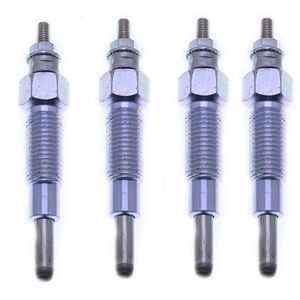
Glow Plug ED0021000890S – Fleet Supply for Lombardini Kohler Deutz
View Details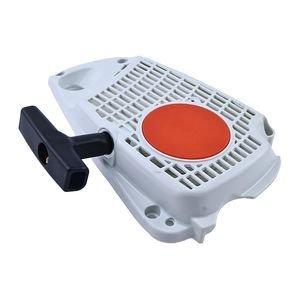
Engine Auxiliary Components
Recoil Pull Starter for Stihl MS194T – Direct-Fit Replacement Part
View DetailsNeed a Custom Quote?
Our technical team responds within 24 hours. MOQ 1 piece. Ships to 120+ countries from our Guangzhou warehouse.