

Emission & Exhaust System
436-1920 Turbocharger – Fleet Supply for CAT C3.3B 308.5 259D
<p><strong>436-1920 Turbocharger TD04L4 for CAT C3.3B</strong> — replacement for 308.5, 259D, 246D3 and other C3.3B-powered machines.</p> <ul> <li>Watch for power loss, dark exhaust smoke, or oil seepage at the turbine housing as early intervention indicators</li> <li>Plan turbo inspection at mid-service intervals and sync with intake, exhaust, and lubrication system checks to avoid cascading downtime</li> <li>Stock ahead based on fleet operating hours and site dust exposure to keep turnover on schedule</li> </ul> <p>Replacement interval guidance included with shipment to support your fleet maintenance planning.</p>
Lead Time
2-5 Days
Warranty
3-12 Months
Min. Order
1 Piece
Ships To
120+ Countries
Request a Quote
Response within 24 hours
Product Details
Lifecycle Planning Supported — TD04L4 turbocharger replacement scheduled into C3.3B fleet maintenance windows before power loss forces an unscheduled stop.
Technical Specifications
| Parameter | Value |
|---|---|
| Part Number | 436-1920 |
| Product Type | Turbocharger |
| Cross-Reference | 436-1920, CA436-192, 436-192, 436192 (reference only) |
| Machine Fitment | 308, 308.5, 308E2 CR, 308E2 SR, 309, 310, 236D, 236D3, 242D, 242D3, 246D, 246D3, 257D, 257D3, 259D, 259D3, 262D, 262D3, 277D, 279D, 279D3, 287D, 289D, 289D3, AP300F, AP355F, 906M, 907M, 908M |
| Turbo Model | TD04L4, TD04L4-09TK3-5.0 |
| Compatible Engine | C3.3B |
| Condition | New Aftermarket |
| Warranty | 3–12 months against manufacturing defects |
| Quality Standard | ISO 9001 |
Application Suitability
| Service Interval | What to Check |
|---|---|
| Mid-life overhaul (C3.3B) | Turbo shaft play, compressor wheel erosion, wastegate actuator response |
| 4,000–6,000 operating hours | Boost pressure drop, exhaust smoke colour change, oil seepage at turbine housing |
| Pre-rental turnover inspection | Turbine blade condition, V-band clamp integrity, oil feed line restriction |
| Annual fleet preventive review | Cross-reference verification against engine serial number, gasket and seal kit completeness |
Why Turbos Fail Before the Maintenance Plan Catches Up
Most C3.3B turbocharger failures surface between scheduled service intervals, when boost decay is already costing fuel and cycle time.
Fleet managers in the Yangtze River Delta region often discover turbo degradation only after operators report sluggish response on 308.5 excavators or 259D track loaders running high-dust quarry cycles. By that stage, the turbine housing may have accumulated enough carbon and abrasive wear to affect exhaust back-pressure across the entire engine system. Waiting for a complete power loss before sourcing a turbocharger service part means the adjacent intake plumbing, oil feed lines, and exhaust gaskets have also endured extended stress without inspection [NEED_CITE: turbocharger failure modes in off-highway diesel engines].
I have watched maintenance teams replace only the TD04L4 cartridge on a C3.3B, then see the same unit fail again within a short period because the worn turbine housing could not maintain correct flow geometry. A turbocharger maintenance replacement planned at the assembly level avoids this repeating cycle.
Where This Turbocharger Sits in the C3.3B Service Life
The C3.3B is a compact displacement engine that relies heavily on boost pressure to deliver rated torque across the 308, 309, and 236D–289D machine range. Midway through its service life, the turbocharger becomes the single component most likely to degrade gradually rather than fail catastrophically. Including a turbocharger service part in the mid-life maintenance schedule lets fleet planners group it with the scheduled injector service and valve adjustment, consolidating labour and machine downtime into a single planned window.
Recognising Wear Before It Becomes an Unplanned Stop
Boost pressure that drops incrementally over successive service intervals is the most reliable early indicator. Operators may not notice the change day to day, but fuel consumption per cubic metre of material moved will climb. On 259D3 and 262D3 skid steer loaders working continuous shift patterns, exhaust smoke shifting from clear to faint grey under load often signals turbine-side seal leakage feeding oil into the exhaust stream. Catching these signs early means the turbocharger maintenance replacement can be scheduled alongside the next filter and fluid service rather than interrupting production [NEED_CITE: diesel engine exhaust diagnostics for turbo wear assessment].
Reading the TD04L4 Specification Against Real Operating Conditions
The TD04L4 and TD04L4-09TK3-5.0 variants share the same basic frame but differ in compressor trim and turbine A/R ratio, which directly affect how quickly boost builds at low engine speed versus how much peak flow the unit supports at rated RPM. On compact excavators like the 308E2 CR that spend significant time at partial throttle, the low-end response characteristic matters more than peak flow capacity. The C3.3B engine’s emission calibration also depends on precise air mass delivery; a mismatched turbo variant can push exhaust gas recirculation rates outside the intended window, triggering derate conditions that are difficult to diagnose without live data logging. Selecting the correct variant for the engine serial number prevents these secondary issues.
The Cost of Replacing a Cartridge When the Housing Is Finished
Replacing only the rotating assembly inside a worn TD04L4 housing seems economical until the machine returns to the workshop with the same symptoms. The housing bore wears unevenly, and a new cartridge running in an out-of-round bore develops shaft oscillation that destroys the new bearings rapidly. On 259D and 277D machines working abrasive environments, I have seen this pattern repeat because the decision was made on component cost alone without measuring housing bore condition. The repeat teardown, additional gaskets, second oil change, and lost production hours accumulate into a total expense that exceeds what a complete turbocharger service part would have cost from the outset [NEED_CITE: turbocharger housing wear measurement standards for rebuild decisions].
Why Source This Turbocharger Here
Selected turbocharger lines are produced in our own facility, while the remainder comes from qualified ISO-certified manufacturing partners, both carrying identical QC protocols and warranty terms. Eight product categories mean the turbocharger, exhaust manifold gaskets, oil feed line, and air intake seals ship as one consignment against one purchase order. Minimum order starts at one unit, so a single emergency replacement for a downed 310 excavator does not require padding the order. Guangzhou warehouse stock on common C3.3B service items supports rapid dispatch for fleet planners who prefer not to hold deep local inventory. Part identification can proceed from a machine model, a photograph of the nameplate, or the existing part number, with cross-reference verification covering superseded numbers.
Documentation & Verification
- Commercial invoice and packing list referencing turbocharger part number 436-1920 and compatible C3.3B engine applications
- Fitment and cross-reference sheet listing 436-1920, CA436-192, 436-192, 436192 marked as reference only
- Quality inspection record covering shaft runout, compressor wheel balance, and housing bore dimensions
- Warranty terms covering 3–12 months against manufacturing defects on turbocharger assembly
- Packing photographs documenting V-band clamp protection and oil port sealing before crate closure
- HS code and customs documentation support for turbocharger import classification
Service Interval & Stocking Guidance
- Schedule TD04L4 turbocharger inspection at every C3.3B mid-life service, checking shaft axial and radial play against manufacturer limits
- Monitor boost pressure trend across consecutive service intervals; a progressive drop signals turbine or compressor wear requiring replacement planning
- Maintain at least one complete turbocharger assembly per ten C3.3B-equipped machines in the fleet as rotating safety stock
- Store spare turbocharger units in sealed packaging with desiccant, upright on the oil drain side to prevent bearing surface corrosion
- Rotate stock by date received, prioritising earlier units for the next scheduled replacement cycle
Requesting a Fitment and Lifecycle Quote
Provide your machine model, engine serial number, and approximate operating hours so we can confirm the correct TD04L4 variant and advise whether the turbocharger fits into your existing overhaul schedule. For fleet-level planning, share the number of C3.3B-powered units and their typical duty cycle so we can suggest stocking quantities and replacement intervals aligned to your maintenance calendar.
Frequently Asked Questions
Q: How often should the turbocharger on a C3.3B engine be inspected during normal fleet operation?
A: Include turbocharger assessment at every mid-life service interval, typically when the engine reaches the midpoint between commissioning and planned overhaul. Check shaft play, boost pressure trend, and oil seal condition. Machines working in high-dust environments like quarries may need earlier assessment based on air filter restriction history and operating hour accumulation.
Q: What running symptoms indicate the TD04L4 turbocharger needs attention before the next scheduled service?
A: Progressive power loss under load, increased fuel consumption per work cycle, faint grey or blue exhaust smoke during acceleration, and audible whistle or whine from the turbo area all suggest wear. Oil residue in the charge air cooler or intake piping downstream of the compressor housing is a strong indicator of seal degradation requiring turbocharger maintenance replacement.
Q: Should we replace only the turbo cartridge or fit a complete turbocharger assembly?
A: If the turbine or compressor housing shows bore wear, cracking, or erosion beyond service limits, a cartridge-only repair will fail prematurely. For machines with significant operating hours or abrasive-duty history, a complete assembly replacement avoids repeat teardowns. Housing condition should always be measured before deciding on a partial repair approach.
Q: How many spare turbochargers should a fleet keep in stock for C3.3B-powered machines?
A: A practical baseline is one complete unit per ten machines in the fleet, adjusted upward for units working continuous shifts or high-dust environments. Review historical failure data across your fleet to refine this figure. Holding complete assemblies rather than cartridges alone reduces decision time when a unit requires urgent replacement.
Q: Will aftermarket turbocharger supply continue for older CAT-compatible machine models as they age?
A: The C3.3B platform powers a wide range of compact machines that remain in active service globally. Our supply chain maintains ongoing production and sourcing arrangements for the TD04L4 turbocharger used in this engine, supporting fleet operators who plan to keep older 308.5, 259D, and related models running beyond the typical first-ownership lifecycle.
Compatible Brands
Our parts are engineered to meet or exceed OEM specifications. Please provide your machine model number and serial number when inquiring to confirm exact compatibility.
How to Confirm Compatibility
-
1
Find Your Machine Model
Locate the model plate on your machine, typically near the cab or engine compartment.
-
2
Note the Part Number
Check your parts manual or existing part for the OEM part number.
-
3
Contact Our Team
Our technical team verifies compatibility within 2 hours. Send us the details via the inquiry form or WhatsApp.
Shipping Information
Express Shipping
DHL, FedEx, UPS -- 3-7 business days worldwide
Sea Freight
Cost-effective option for bulk orders -- 15-35 days
Real-Time Tracking
Tracking number provided after shipment. 24/7 support available.
Warranty Policy
All parts come with manufacturer warranty. Duration varies by product category.
- Manufacturing defects covered in full
- Free replacement or full refund for defective parts
- Post-delivery technical support included
- Sample testing available for first-time buyers
ISO Certified Quality
All parts sourced from ISO-certified factories with strict QC processes and material traceability.
Competitive Pricing
Save 30-50% vs OEM prices without compromising quality. Transparent pricing with no hidden fees.
Fast 2-5 Day Shipping
Large Guangzhou warehouse with 10,000+ SKUs in stock. Most orders ship within 2-5 business days.
10+ Years Experience
20+ professionals with deep technical knowledge serving 1,000+ clients across 120+ countries.
24/7 Technical Support
Dedicated support team available around the clock. Part verification within 2 hours of inquiry.
Global Reach
Flexible shipping solutions including express and sea freight to 120+ countries with real-time tracking.
Related Products
More parts you might need
Emission & Exhaust System
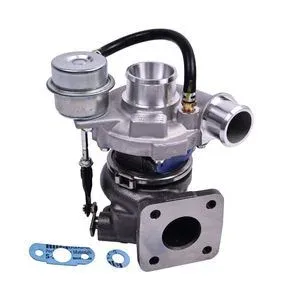
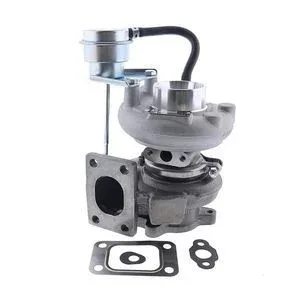
Turbocharger 482-8480 Replacement for CAT C3.8 Engine – Scheduled Maintenance
View Details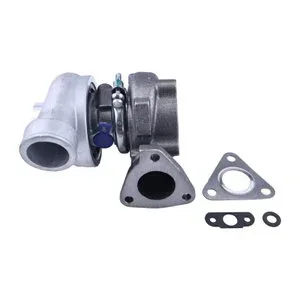
Emission & Exhaust System
TD04L Turbocharger 187154 – Scheduled Maintenance for Deutz BF4L2011
View Details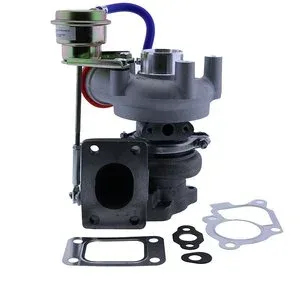
Emission & Exhaust System
Turbo TD04L4 Turbocharger 436-1920 Replacement for CAT Engine C3.3B – Service Part
View DetailsNeed a Custom Quote?
Our technical team responds within 24 hours. MOQ 1 piece. Ships to 120+ countries from our Guangzhou warehouse.