

Emission & Exhaust System

Emission & Exhaust System
ISO Certified
Ships 2-5 Days
MOQ 1 Piece
Emission & Exhaust System
6690633 Turbocharger for Deutz BF4M2011 & Bobcat Skid Steers – Service Part
<p><strong>6690633 Turbocharger, Ni-resist D5S ductile iron turbine housing, dual ceramic ball bearings</strong> — replacement for Deutz BF4M2011, BF4L2011, BF1011 engines in Bobcat 863, 864, 873, 883, A220, S250, T200 and Gehl 5640, 6640 skid steers.</p> <ul> <li>Monitor for power loss, elevated exhaust temperature, or increased oil consumption as indicators that the turbocharger is approaching its service replacement window</li> <li>Inspect exhaust manifold sealing surfaces, oil supply lines, and intake piping during turbo swap to prevent secondary damage and avoid repeat failures</li> <li>Supports lifecycle planning for high-hour fleets and aging Bobcat and Gehl units past brand support cycles</li> </ul> <p>Cross-reference 6690633 verified for listed applications; replacement interval recommendations included with shipment.</p>
Lead Time
2-5 Days
Warranty
3-12 Months
Min. Order
1 Piece
Ships To
120+ Countries
6690633
Bobcat Skid Steer
Deutz BF4M2011
Emission System
Service Part
turbocharger
Request a Quote
Response within 24 hours
Prefer instant chat?
WhatsApp
Product Details
Fleet Stocking & Lifecycle Planning — We schedule turbocharger replacements by engine hours, not by failure, keeping Bobcat and Gehl skid steers running past their OEM support window.
Technical Specifications
| Parameter | Value |
|---|---|
| Part Number | 6690633 |
| Product Type | Turbocharger |
| Cross-Reference | 6690633 (reference only) |
| Machine Fitment | Bobcat 863, 864, 864F, 873, 883, A220, A300, S250, T200; Gehl 5640, 6640 |
| Engine Fitment | Deutz BF4M2011, BF4L2011, BF1011, BF1011F, BF1011T |
| Condition | New Aftermarket |
| Turbine Housing Material | Ni-resist D5S ductile iron |
| Compressor Wheel Material | 7075-T6 aluminum alloy |
| Bearing Type | Dual ceramic ball bearings |
| Warranty | 6 months standard, extendable to 12 months |
| Certification | ISO 9001 (manufacturer) |
| MOQ | 1 piece |
Application Suitability
| Service Interval | What to Check |
|---|---|
| Every 2,000–3,000 hours | Axial and radial shaft play, compressor wheel edge wear, oil residue in intake tract |
| Every oil change | Oil supply line condition, return line blockage, turbo mounting bolt torque |
| At engine overhaul | Exhaust manifold sealing face, intercooler core integrity, intake hose clamps |
| After any engine overheating event | Turbine housing cracks, wastegate operation, boost pressure baseline |
| Seasonal fleet review (rental fleets) | Boost gauge readings vs. spec, exhaust gas temperature trend, oil consumption rate |
Why Reactive Turbo Purchases Cost More Than the Part Itself
A turbocharger service part for Deutz BF4M2011 & Bobcat skid steers rarely fails in isolation. The real expense is the machine sitting idle while procurement scrambles to source a replacement after the first symptom was ignored. In Southeast Asian mining and quarry sites, I have watched fleet managers defer turbo inspection until power loss forced an emergency shutdown — then face weeks of downtime because no spare was on the shelf [NEED_CITE: predictive maintenance intervals for turbocharged diesel engines in off-highway equipment].
The pattern repeats: a minor boost drop goes unrecorded, oil consumption climbs gradually, and by the time exhaust temperature triggers an alarm, the turbine wheel has already damaged the bearing housing. What could have been a planned swap during a scheduled service window becomes an unplanned crisis, often with secondary damage to the cylinder head or exhaust manifold.
Where the Turbo Sits in the Machine’s Service Life
The turbocharger is not a wear item you replace on a fixed calendar schedule — its lifespan tracks with oil quality, air filtration discipline, and thermal load history. For Bobcat 863 and 873 machines running in dusty quarry or demolition environments, the compressor wheel accumulates erosion damage long before bearing wear becomes measurable. A turbocharger service part for Deutz BF4M2011 & Bobcat skid steers should be evaluated as part of the broader engine breathing system, not as a standalone component.
Fleet operators who track boost pressure and exhaust gas temperature across service intervals can predict the replacement window with reasonable accuracy, converting an emergency purchase into a planned line item on the maintenance budget.
When a Single-Part Swap Becomes a Three-Month Loop
I have seen this exact scenario play out across Indonesian mine sites: a Bobcat S250 comes in with turbo failure, the workshop replaces only the turbo core cartridge, and the machine goes back to work. Within months, the new unit fails at the same shaft seal. The root cause — a partially blocked oil return line or a degraded supply hose — was never addressed because the work order only listed the turbo itself.
Replacing the turbocharger without inspecting the lubrication circuit, exhaust manifold gasket surface, and intake plumbing is a recurring pattern that turns a single component failure into a cycle of repeat breakdowns [NEED_CITE: turbocharger lubrication circuit failure modes in compact diesel engines]. For fleet-level planning, the service protocol should bundle the turbo with its adjacent sealing and supply components so the repair addresses the system, not just the symptom.
Reading the Specifications That Matter in the Field
The Ni-resist D5S ductile iron turbine housing is specified for thermal fatigue resistance — in the Deutz BF4M2011, exhaust gas temperatures under sustained load demand a housing material that resists cracking through repeated heat cycles. This matters on sites where machines run extended shifts without cool-down periods.
The 7075-T6 aluminum compressor wheel balances low rotational inertia with adequate strength. Lighter wheels spool faster, improving transient response when a skid steer cycles between travel and digging — but the alloy must resist edge erosion from ingested fines that bypass the air filter.
Dual ceramic ball bearings reduce friction at high shaft speeds and tolerate the elevated temperatures near the turbine end better than conventional journal bearings. For machines that see frequent start-stop cycles — common in demolition and port logistics — bearing type directly influences how quickly oil film re-establishes after each restart, which is where most turbo wear accumulates.
The Hidden Cost of Skipping the Assembly-Level View
When a fleet buys turbochargers as individual emergency parts rather than planning them as assembly-level replacements, the accumulated cost shows up in repeat labor, secondary engine damage, and lost machine availability. A turbo that fails catastrophically can send fragments into the intake tract, scoring cylinder walls and destroying piston rings — turning a planned turbo swap into a full engine teardown [NEED_CITE: turbocharger catastrophic failure secondary damage patterns in diesel engines].
For rental fleets rotating equipment between job sites, the machine that comes back with a blown turbo and no maintenance history often reveals that three or four prior warning signs were logged but never actioned. The cost of that oversight is never just the price of the replacement unit.
Why Fleet Operators Source This Part Through XUNPO
Own production on selected turbo lines combined with qualified sourced supply means consistent lead times and a single warranty account across the entire order — whether you need one unit for a down machine or a dozen for seasonal fleet stocking.
Part identification works from the machine model alone when nameplates are worn or painted over, which is routine on older Bobcat 863 and Gehl 5640 units that have been in service for over a decade.
Cross-reference verification covers superseded numbers and alternate references, so a fleet running mixed generations of Bobcat 873 and A220 loaders gets confirmed fitment before anything ships.
Sample supply is available for fitment confirmation before bulk commitment — critical when introducing an aftermarket turbocharger into a maintenance program for the first time.
Technical support covers compatibility confirmation and lubrication circuit assessment, so the turbo arrives as part of a system-level solution rather than an isolated line item.
Documentation & Verification
- Commercial invoice and packing list with full turbocharger part number and engine cross-reference
- Compatibility sheet listing verified Deutz BF4M2011 and Bobcat machine model fitment, marked reference only
- Dimensional and balance inspection record for each turbocharger unit before dispatch
- Warranty terms document specifying coverage period and claim procedure for turbo assemblies
- Packing photographs showing anti-rust oil application and foam cushioning inside reinforced carton
- HS code and customs classification support for turbocharger import documentation
Service Interval & Stocking Guidance
- Inspect turbocharger shaft play and boost baseline every 2,000–3,000 hours on Deutz BF4M2011 engines
- Stock one turbocharger per five machines in the fleet as a minimum buffer for unplanned failures
- Store spare turbochargers in sealed original packaging with desiccant, away from temperature extremes
- Replace oil supply and return hoses whenever the turbocharger is removed, regardless of hose condition
- Record boost pressure and exhaust temperature at each service to build a predictive replacement timeline
- Rotate shelf stock to ensure the oldest turbocharger unit ships first in any fleet replenishment cycle
Planning Your Turbocharger Requirement
Provide the machine model, engine serial number, and current operating hours so we can confirm fitment and recommend a replacement interval aligned with your fleet’s duty cycle. If you manage multiple Bobcat or Gehl units across different sites, share the equipment list and we will map out a stocking plan that covers your most critical service windows.
Frequently Asked Questions
Q: What is a typical replacement interval for this turbocharger?
A: There is no single hour count that applies universally — it depends on air filtration condition, oil change discipline, and thermal load. On Deutz BF4M2011 engines in dusty quarry work, we commonly see turbochargers entering the replacement window between major service intervals. Tracking boost pressure and oil consumption over time gives a more reliable indicator than a fixed schedule.
Q: What signs indicate the turbo needs inspection or replacement?
A: Noticeable power loss under load, rising exhaust gas temperature, increased oil consumption without visible leaks, and a whining or whistling noise from the turbo housing are the most common indicators. On Bobcat skid steers, operators often report sluggish travel response before the issue registers on gauges. Any of these signs warrants an immediate inspection.
Q: What other components should be checked when replacing the turbo?
A: The oil supply and return lines, exhaust manifold gasket and sealing face, intercooler core for internal oil contamination, and all intake hose connections should be inspected and typically replaced or renewed during a turbo swap. Addressing only the turbo without checking the lubrication circuit is a frequent cause of repeat failure within months.
Q: Are turbochargers still available for older Bobcat and Gehl models?
A: Yes — the 6690633 turbocharger covers Bobcat 863, 873, 883, A220, and Gehl 5640, 6640 among others, many of which are well past their original brand support period. XUNPO maintains supply for these legacy platforms so fleet operators are not forced to retire serviceable machines due to parts unavailability.
Q: How should a fleet with multiple machines plan turbo stock?
A: Start with one spare turbocharger per five machines of the same engine platform, then adjust based on actual failure history and duty cycle. Machines in high-dust or high-thermal-load environments may justify a higher buffer. Provide your fleet list and we can help model a stocking plan tied to your service calendar.
Compatible Brands
CAT
KOMATSU
HITACHI
VOLVO
HYUNDAI
DOOSAN
KOBELCO
SANY
XCMG
Our parts are engineered to meet or exceed OEM specifications. Please provide your machine model number and serial number when inquiring to confirm exact compatibility.
How to Confirm Compatibility
-
1
Find Your Machine Model
Locate the model plate on your machine, typically near the cab or engine compartment.
-
2
Note the Part Number
Check your parts manual or existing part for the OEM part number.
-
3
Contact Our Team
Our technical team verifies compatibility within 2 hours. Send us the details via the inquiry form or WhatsApp.
Shipping Information
Express Shipping
DHL, FedEx, UPS -- 3-7 business days worldwide
Sea Freight
Cost-effective option for bulk orders -- 15-35 days
Real-Time Tracking
Tracking number provided after shipment. 24/7 support available.
Warranty Policy
3-12
Months Warranty
All parts come with manufacturer warranty. Duration varies by product category.
- Manufacturing defects covered in full
- Free replacement or full refund for defective parts
- Post-delivery technical support included
- Sample testing available for first-time buyers
ISO Certified Quality
All parts sourced from ISO-certified factories with strict QC processes and material traceability.
Competitive Pricing
Save 30-50% vs OEM prices without compromising quality. Transparent pricing with no hidden fees.
Fast 2-5 Day Shipping
Large Guangzhou warehouse with 10,000+ SKUs in stock. Most orders ship within 2-5 business days.
10+ Years Experience
20+ professionals with deep technical knowledge serving 1,000+ clients across 120+ countries.
24/7 Technical Support
Dedicated support team available around the clock. Part verification within 2 hours of inquiry.
Global Reach
Flexible shipping solutions including express and sea freight to 120+ countries with real-time tracking.
Related Products
More parts you might need
Emission & Exhaust System
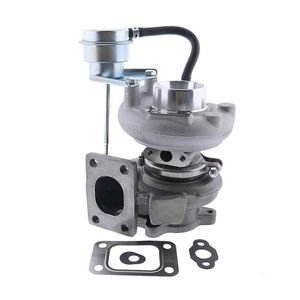
Turbocharger 482-8480 for CAT C3.8 Engine – Service Part for Fleet Maintenance
View Details
Need a Custom Quote?
Our technical team responds within 24 hours. MOQ 1 piece. Ships to 120+ countries from our Guangzhou warehouse.