
Belt Drive Systems
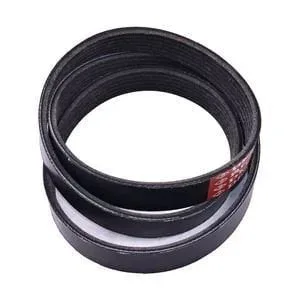
Alternator Belt 78-1918 78-1543 – Scheduled Maintenance for Tripac APU
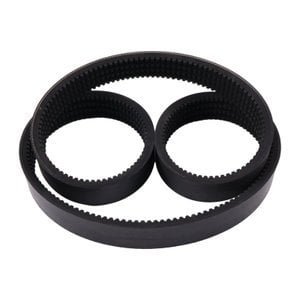
<p><strong>Alternator Belt 78-1918 / 78-1543 for Thermo King Tripac APU</strong> — replacement for OEM reference numbers 78-1918 and 78-1543 (cross-reference only), manufactured to ISO 9001 standards.</p> <ul> <li>Scheduled replacement at recommended service intervals prevents unplanned roadside failures and cascading charging system issues in Tripac APU units</li> <li>Inspect tensioners and idler pulleys at the same service point; adjacent wear accelerates belt degradation if left unaddressed</li> <li>Fleet stocking converts reactive purchases into planned maintenance across multiple APU-equipped trucks</li> <li>Long-term supply support maintained for older Tripac APU generations where brand-channel availability may be thinning</li> </ul> <p>Replacement cycle guidance included with shipment to support fleet maintenance planning.</p>
Lead Time
2-5 Days
Warranty
3-12 Months
Min. Order
1 Piece
Ships To
120+ Countries
Request a Quote
Response within 24 hours
Product Details
Planned Maintenance Kits — Fleet stocking schedules for APU belt drive components aligned to predictable wear intervals and cross-reference verification across Tripac serial ranges.
Technical Specifications
| Parameter | Value |
|---|---|
| Part Number | 78-1918 / 78-1543 |
| Product Type | Belt |
| Cross-Reference | 78-1918, 781918, 78-1543, 781543 (reference only) |
| Machine Fitment | Tripac APU |
| Brand Fitment | Thermo King (compatible with) |
| Part Name | Alternator Belt |
| Condition | New Aftermarket |
| Warranty | 3-12 months against manufacturing defects |
| MOQ | 1 piece |
| Standards | ISO 9001 |
Application Suitability
| Service Interval | What to Check |
|---|---|
| 1,500–2,000 operating hours | Cracking on belt ribs, glazing on contact surfaces, tension loss |
| 2,500–3,000 operating hours | Tensioner arm travel range, idler pulley bearing noise, belt dust accumulation |
| Annual calendar check (low-use units) | Dry rot, sidewall hardening, alternator output voltage under load |
| Post-rebuild or component swap | Pulley alignment, belt tracking, charging system amperage |
| End-of-warranty inspection | Full belt drive inspection, replacement scheduled before next deployment |
When the APU Belt Snap Turns Into a Roadside Bill
Replacing the belt on a schedule costs a fraction of what an unplanned failure costs on the road.
APU belts on the Tripac platform are a known wear item, yet most replacements happen after the belt has already snapped — shutting down the alternator, draining the batteries, and killing temperature control mid-route. In my years running maintenance for Latin American fleets, I have seen alternator belt failures cascade into dead batteries, spoiled cargo, and emergency roadside service calls that could have been avoided with a simple stocking plan. The alternator belt service part is one of the most predictable consumables on the APU, and treating it as a planned maintenance item changes the cost equation entirely. [NEED_CITE: preventive maintenance scheduling for auxiliary power units in long-haul trucking]
Where This Belt Sits in the APU’s Service Life
The alternator belt on a Tripac APU is the single mechanical link between the diesel engine and the charging system. Every time the APU fires up to maintain battery voltage or cab climate, this belt transmits load across the crankshaft pulley to the alternator. Over hundreds of start-stop cycles, the belt ribs wear, the tensile cords fatigue, and the effective grip on the pulley grooves diminishes. Planning an alternator belt replacement around the APU’s service intervals — rather than waiting for visible failure — keeps the charging system reliable and prevents the cascading electrical issues that follow a sudden snap.
Wear Patterns and the Tensioner You Should Not Ignore
A belt rarely fails in isolation. By the time an alternator belt shows glazing or edge fraying, the automatic tensioner that maintains proper belt tension has usually lost a meaningful portion of its spring force. Replacing the belt alone while leaving a worn tensioner in place means the new belt runs under incorrect tension from day one — either slipping on the pulleys or wearing prematurely under excessive load. I once had a fleet customer who kept swapping alternator belts every few months, convinced he was getting bad parts, until we pulled the tensioner and found the arm travel was well outside spec. Addressing the tensioner and idler pulley at the same service point extends the life of every new belt installed afterward. [NEED_CITE: belt drive system component interaction and tensioner wear effects]
Reading the Specs That Actually Matter
The Part Name designation as an Alternator Belt defines the belt’s position and function within the Tripac APU’s accessory drive. Its cross-reference numbers — 78-1918 and 78-1543 — correspond to specific belt profiles and lengths used across different Tripac APU production runs, meaning the correct number must be matched to the APU’s serial range rather than selected generically. The New Aftermarket condition indicates a newly manufactured component built to ISO 9001 standards, providing consistent material quality and dimensional accuracy. The 3-12 month warranty against manufacturing defects covers material and workmanship faults, giving fleet buyers confidence to stock these belts in advance without concern about shelf degradation over a typical procurement cycle.
The Cumulative Cost of Waiting for Failure
A reactive approach to alternator belt replacement does not just cost the price of a tow or a roadside call — it disrupts the entire route schedule. When an APU goes down unexpectedly, the truck loses idle climate control and battery charging, forcing the driver to idle th*enty or thirty units, the alternator belt wear part failures that could have been scheduled instead pile up into hundreds of lost hours and repeated cargo temperature excursions. Converting that reactive spend into a planned stocking program means belts are on the shelf before they are needed, and replacements happen during scheduled shop time rather than on a highway shoulder. [NEED_CITE: total cost of unplanned APU downtime versus scheduled maintenance in fleet operations]
Why Sourcing This Belt Here Makes Sense
Our production and sourcing model covers the alternator belt alongside the rest of the APU’s belt drive and engine consumables under a single account and warranty, so a fleet can order belts, filters, and seal kits in one consignment rather than managing multiple vendors. The cross-reference verification process checks 78-1918 and 78-1543 against specific Tripac serial ranges to confirm fitment before anything ships. Minimum order starts at one piece for emergency needs, but bulk quantities aligned to fleet consumption rates are straightforward to arrange. Guangzhou warehouse stock on common wear items supports fast dispatch when a unit is already scheduled for service. The technical team can confirm which belt number matches a specific APU generation, including older units where brand-channel availability may be thinning.
Documentation & Verification
- Commercial invoice listing belt part numbers matched to APU serial ranges
- Cross-reference sheet for 78-1918 and 78-1543 with interchange notes marked reference only
- Dimensional inspection record covering belt length, rib count, and profile accuracy
- Warranty terms document specifying coverage period and manufacturing defect scope
- Packing photographs showing belt condition and labeling before crate closure
- HS code and customs documentation support for international fleet procurement
Service Interval & Stocking Guidance
- Schedule alternator belt replacement at or before the manufacturer-recommended APU service interval
- Inspect belt rib condition, sidewall cracks, and glazing at every routine APU check
- Stock at least one belt per active Tripac unit plus a reserve based on annual consumption history
- Store belts in a cool, dry environment away from direct sunlight and ozone sources to prevent dry rot
- Replace tensioner and idler pulley at the same service point as the belt to maximize new belt life
- Track belt replacement dates per unit to identify APU-specific wear trends across the fleet
Planning Your Next Belt Order
Provide your Tripac APU model designation, serial numbers, and current operating hour readings so we can confirm the correct alternator belt cross-reference and recommend stocking quantities matched to your fleet size and service schedule.
Frequently Asked Questions
Q: How often should the Tripac APU alternator belt be replaced preventively?
A: Most fleet maintenance programs schedule alternator belt replacement based on APU operating hours or a calendar interval, whichever comes first. The exact point depends on duty cycle and environmental conditions. We recommend aligning belt replacement with the APU’s major service interval and inspecting the belt at every routine check to catch early wear signs before they escalate into failure.
Q: What symptoms indicate the belt is nearing end of service life?
A: Visible cracking on the belt ribs, a glazed or shiny contact surface, squealing during APU startup, and alternator output dropping below expected voltage under load all suggest the belt is approaching the end of its useful life. Edge fraying and excessive belt dust around the pulleys are additional indicators that replacement should be scheduled promptly.
Q: Should I replace the tensioner and pulleys at the same time as the belt?
A: Yes, replacing the tensioner and idler pulley alongside the belt ensures correct tension from the first operating hour. A worn tensioner allows the new belt to slip or run under incorrect load, leading to premature wear. Addressing all belt drive components at the same service point is standard practice in fleet maintenance programs.
Q: How many belts should a fleet keep on hand for planned maintenance?
A: Stocking one belt per active Tripac APU plus a reserve calculated from your fleet’s annual consumption rate provides a practical buffer. This approach ensures a replacement is always available during scheduled service without tying up excessive inventory. We can help calculate quantities based on your fleet size and operating patterns.
Q: Can I still get supply support for older Tripac APU generations?
A: Cross-reference verification for both 78-1918 and 78-1543 covers multiple Tripac APU production runs, including older units where brand-channel supply may be thinning. Our aftermarket supply commitment supports aging platforms over the long term, so fleet operators can continue maintaining older APUs without relying solely on original distribution channels.
Compatible Brands
Our parts are engineered to meet or exceed OEM specifications. Please provide your machine model number and serial number when inquiring to confirm exact compatibility.
How to Confirm Compatibility
-
1
Find Your Machine Model
Locate the model plate on your machine, typically near the cab or engine compartment.
-
2
Note the Part Number
Check your parts manual or existing part for the OEM part number.
-
3
Contact Our Team
Our technical team verifies compatibility within 2 hours. Send us the details via the inquiry form or WhatsApp.
Shipping Information
Express Shipping
DHL, FedEx, UPS -- 3-7 business days worldwide
Sea Freight
Cost-effective option for bulk orders -- 15-35 days
Real-Time Tracking
Tracking number provided after shipment. 24/7 support available.
Warranty Policy
All parts come with manufacturer warranty. Duration varies by product category.
- Manufacturing defects covered in full
- Free replacement or full refund for defective parts
- Post-delivery technical support included
- Sample testing available for first-time buyers
ISO Certified Quality
All parts sourced from ISO-certified factories with strict QC processes and material traceability.
Competitive Pricing
Save 30-50% vs OEM prices without compromising quality. Transparent pricing with no hidden fees.
Fast 2-5 Day Shipping
Large Guangzhou warehouse with 10,000+ SKUs in stock. Most orders ship within 2-5 business days.
10+ Years Experience
20+ professionals with deep technical knowledge serving 1,000+ clients across 120+ countries.
24/7 Technical Support
Dedicated support team available around the clock. Part verification within 2 hours of inquiry.
Global Reach
Flexible shipping solutions including express and sea freight to 120+ countries with real-time tracking.
Related Products
More parts you might need
Need a Custom Quote?
Our technical team responds within 24 hours. MOQ 1 piece. Ships to 120+ countries from our Guangzhou warehouse.