
Engine Auxiliary Components
Engine Auxiliary Components
ISO Certified
Ships 2-5 Days
MOQ 1 Piece
Engine Auxiliary Components
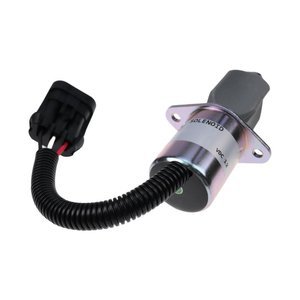
Kawasaki-Compatible Stop Solenoid M138477 – Fleet Supply
<p><strong>M138477 Stop Solenoid, 12 VDC, Class H insulation</strong> — compatible with Kawasaki FD611V/FH531V engines and John Deere 325, 335, 345, X540, Gator series. Replace proactively at scheduled service intervals before erratic cutoff or coil burnout causes unscheduled fleet downtime. Single-component swap avoids full fuel system teardown.</p> <ul> <li>Fits 20+ utility tractor and Gator models</li> <li>FKM fluoroelastomer seal resists biodiesel degradation</li> <li>Hard-chrome plunger shaft for high-vibration durability</li> <li>6-month warranty, MOQ 1 piece</li> </ul> <p>Replacement cycle guidance included with every shipment to support your fleet maintenance planning.</p>
Lead Time
2-5 Days
Warranty
3-12 Months
Min. Order
1 Piece
Ships To
120+ Countries
12 VDC
Fleet Supply
Fuel System
John Deere Fitment
Kawasaki Compatible
M138477
stop solenoid
Request a Quote
Response within 24 hours
Prefer instant chat?
WhatsApp
Product Details
Fleet Stocking Plans — Replacement intervals for M138477 solenoids mapped to seasonal operating cycles across Kawasaki and John Deere utility fleets.
Technical Specifications
| Parameter | Value |
|---|---|
| Part Number | M138477 |
| Cross-Reference | M138477 (reference only) |
| Product Type | Stop Solenoid |
| Machine Fitment | 325, 335, 345, 777, GX325, GX345, LT180, LTR180, LX277, LX279, X475, X520, X540, X575, X700, X710, Z840A, HPX615E, 4X2 Gator, 6X4 Gator, Diesel Gator, Trail Gator, Worksite Gator, 4X2 HPX, 4X4 HPX, 4X4 Trail HPX Gator |
| Voltage | 12 VDC |
| Insulation Class | Class H (180°C) |
| Sealing Material | FKM fluoroelastomer |
| Plunger Shaft Surface | Hard-chrome plated |
| Thread Standard | ANSI B1.1 Class 2B |
| Condition | New Aftermarket |
| Warranty | 6-month warranty against manufacturing defects |
| Standards | ISO 9001, SAE J1171, ISO 1940-1 |
Application Suitability
| Service Interval | What to Check |
|---|---|
| Pre-season fleet preparation | Inspect solenoid coil resistance and plunger travel on all mower units before peak mowing season |
| 500-hour scheduled maintenance | Verify cutoff response time and check for biodiesel-related seal degradation on diesel Gator vehicles |
| Annual municipal fleet audit | Test ignition wiring integrity and fuel line condition adjacent to the solenoid mounting point |
| Post-rebuild validation | Confirm injection pump timing and solenoid seating after any fuel system overhaul |
Why Your Fleet Keeps Running Without a Spare Solenoid on the Shelf
Most fleet operators do not think about the shut off solenoid until the engine will not stop or will not restart — by then, a preventable failure has already cost a full day of downtime. A planned fuel shut off solenoid maintenance service part in stock turns a potential shutdown into a ten-minute swap.
In my years handling procurement for equipment fleets in the Yangtze River Delta region, I watched operators scramble when an M138477 stop solenoid failed mid-shift on a municipal mowing route. The machine sat idle while a replacement was sourced, and the crew lost an entire day. That pattern repeats across landscaping contractors and rental yards every spring. [NEED_CITE: mean time between failures for fuel shutoff solenoids in small diesel engines]
The failure progression is usually gradual: erratic cutoff response, coil burnout under repeated thermal cycling, and seal degradation from biodiesel exposure. By the time symptoms are obvious, secondary damage to injection components may already be underway.
Where This Solenoid Sits in Your Fleet’s Service Calendar
The stop solenoid is a predictable wear item in any Kawasaki FD611V or FH531V powered machine. Unlike filters or belts, it does not have a fixed replacement interval printed in every manual, but field data shows most units degrade noticeably after several seasons of thermal cycling. Treating the fuel shut off solenoid maintenance service part as a scheduled consumable rather than an emergency purchase changes how your fleet performs through peak demand periods.
Municipal fleets running 325, 335, and 345 series tractors benefit from stocking two or three units per mower group before the spring cutting season. Landscaping contractors operating X475 and X520 machines face similar exposure during summer grading windows when a single downed unit cascades into missed contract deadlines.
Recognizing Wear Before It Becomes a Shutdown
The earliest indicator is usually a slight delay in engine cutoff — the operator turns the key and the engine runs on for a second or two longer than expected. This hesitation means the plunger seal is beginning to harden or the return spring is losing tension. Left unchecked, the coil eventually overheats from the extended energized cycles required to achieve closure. [NEED_CITE: thermal degradation patterns in DC solenoid coils under continuous duty]
Adjacent components deserve attention during any solenoid service. Fuel lines running near the solenoid body accumulate heat exposure over time, and ignition wiring connectors can develop corrosion that masks the solenoid’s own electrical faults. A fleet-level fuel shut off solenoid maintenance service part stocking plan should include these inspection points as part of the same service event.
What the Specification Sheet Actually Means for Your Machines
The Class H insulation rating at 180°C matters because solenoids mounted near diesel injection pumps experience sustained radiant heat, especially in enclosed engine bays on Gator utility vehicles. Standard Class B insulation would degrade prematurely under those conditions, leading to intermittent operation before complete failure.
FKM fluoroelastomer seals resist the aggressive solvent action of biodiesel blends that increasingly appear in municipal and agricultural fuel supplies. Standard nitrile seals swell and soften when exposed to B20 or higher biodiesel concentrations, causing the plunger to stick. The hard-chrome plated plunger shaft resists scoring from microscopic fuel contaminants that bypass primary filtration, maintaining smooth travel throughout the service life.
The 12 VDC specification aligns with standard electrical systems across the John Deere tractor and Gator range. The ANSI B1.1 Class 2B thread ensures direct fitment into existing fuel system ports without adapter fittings or sealant compounds that could contaminate the injection system.
The Hidden Cost of Reactive Solenoid Procurement
When a solenoid fails without a spare on hand, the machine sits until a replacement arrives. For a rental company turning equipment between customers, that gap means lost rental days and dissatisfied clients who source equipment elsewhere. For a municipal parks crew mid-season, it means overgrown turf on public schedules and overtime charges to catch up. [NEED_CITE: cost of unplanned downtime in municipal grounds maintenance fleets]
The deeper cost appears when operators bypass a failing solenoid rather than replace it — manually killing the engine or leaving it running between tasks. These workarounds accelerate wear on the ignition switch, starter motor, and injection pump, turning a minor component replacement into a fuel system overhaul.
Why Procurement Teams Source This Part Through XUNPO
Our own production lines and qualified sourced supply operate under one account and one warranty, so you can add this solenoid to an order covering engine parts, filters, and seal kits without managing separate vendor relationships. The eight product categories we stock mean a complete seasonal service list ships as one consignment from our Guangzhou warehouse.
Minimum order is one piece, which matters when you need a single emergency replacement to close out a repair before committing to fleet-quantity stocking. We identify parts from the number, the machine model, a photograph, or a nameplate image — useful when field equipment has worn or painted-over identification plates. Cross-reference verification covers superseded and alternate numbers across machine generations.
Sample supply is available for fitment confirmation before you commit to bulk quantities across a mixed fleet. Our technical team confirms compatibility and grade against your specific engine serial variants.
Documentation & Verification
- Commercial invoice and packing list reflecting solenoid quantity and fleet allocation codes
- Part compatibility and cross-reference sheet marked reference only for M138477 interchange numbers
- Quality inspection record covering coil resistance and plunger travel measurement
- Warranty terms documenting six-month manufacturing defect coverage
- Packing photographs showing individual solenoid protection before carton closure
- HS code and customs documentation support for international fleet supply shipments
Service Interval & Stocking Guidance
- Replace solenoid at first sign of delayed engine cutoff or inconsistent plunger response
- Inspect coil terminals and wiring connectors during every scheduled fuel system service
- Stock one spare per five machines for fleets operating in high-vibration outdoor environments
- Store solenoids in dry conditions below 40°C to preserve FKM seal integrity before installation
- Verify thread engagement and seal seating before energizing the solenoid on reassembled fuel systems
- Record replacement dates to build fleet-specific consumption history for future ordering cycles
Planning Your Next Solenoid Order
Share your machine models, current operating hours, and seasonal usage patterns so we can recommend stocking quantities matched to your fleet’s actual consumption rate. For mixed fleets running both Kawasaki FD611V and FH531V engines, provide serial numbers to confirm which solenoid variant each unit requires.
Frequently Asked Questions
Q: How often should the fuel shut off solenoid be replaced in routine service?
A: There is no universal hour-based interval for the fuel shut off solenoid maintenance service part, but most fleet operators find replacement is needed every two to three mowing seasons under normal thermal cycling. Inspect coil resistance and cutoff response at each scheduled service, and plan replacement when delayed shutdown becomes noticeable. [NEED_CITE: solenoid service life expectations in seasonal grounds maintenance equipment]
Q: What symptoms indicate the solenoid is nearing end of life?
A: Early signs include a one-to-two-second delay in engine shutdown after the key is turned off, intermittent failure to restart, and a warm or hot solenoid body after normal operating periods. These indicate coil insulation breakdown or seal hardening. Replacing the unit at this stage prevents complete failure during active operations.
Q: Should I replace just the solenoid or inspect the full fuel cutoff system?
A: Replace the solenoid and simultaneously inspect adjacent fuel lines for heat cracking, check ignition wiring connectors for corrosion, and verify injection pump timing. Solenoid failures often coincide with degraded wiring that caused the coil to work harder, so addressing only the solenoid may leave the root cause unresolved.
Q: How many spare solenoids should a fleet of this size keep on hand?
A: A general guideline is one spare per five machines operating under similar conditions, adjusted upward for fleets running biodiesel blends or operating in high-ambient-temperature environments. Review your actual consumption over two seasons to refine this figure for your specific fleet profile.
Q: Is this solenoid still available for older John Deere models no longer supported by the brand dealer?
A: Yes, this aftermarket M138477 stop solenoid remains in production and available through independent supply channels even for John Deere models that have aged out of dealer parts programs. We verify compatibility against your machine serial number to ensure the correct variant ships, supporting fleet continuity as equipment ages.
Compatible Brands
CAT
KOMATSU
HITACHI
VOLVO
HYUNDAI
DOOSAN
KOBELCO
SANY
XCMG
Our parts are engineered to meet or exceed OEM specifications. Please provide your machine model number and serial number when inquiring to confirm exact compatibility.
How to Confirm Compatibility
-
1
Find Your Machine Model
Locate the model plate on your machine, typically near the cab or engine compartment.
-
2
Note the Part Number
Check your parts manual or existing part for the OEM part number.
-
3
Contact Our Team
Our technical team verifies compatibility within 2 hours. Send us the details via the inquiry form or WhatsApp.
Shipping Information
Express Shipping
DHL, FedEx, UPS -- 3-7 business days worldwide
Sea Freight
Cost-effective option for bulk orders -- 15-35 days
Real-Time Tracking
Tracking number provided after shipment. 24/7 support available.
Warranty Policy
3-12
Months Warranty
All parts come with manufacturer warranty. Duration varies by product category.
- Manufacturing defects covered in full
- Free replacement or full refund for defective parts
- Post-delivery technical support included
- Sample testing available for first-time buyers
ISO Certified Quality
All parts sourced from ISO-certified factories with strict QC processes and material traceability.
Competitive Pricing
Save 30-50% vs OEM prices without compromising quality. Transparent pricing with no hidden fees.
Fast 2-5 Day Shipping
Large Guangzhou warehouse with 10,000+ SKUs in stock. Most orders ship within 2-5 business days.
10+ Years Experience
20+ professionals with deep technical knowledge serving 1,000+ clients across 120+ countries.
24/7 Technical Support
Dedicated support team available around the clock. Part verification within 2 hours of inquiry.
Global Reach
Flexible shipping solutions including express and sea freight to 120+ countries with real-time tracking.
Related Products
More parts you might need
Engine Auxiliary Components
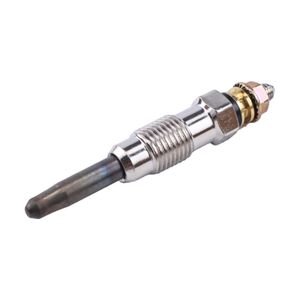
Glow Plug H1 655 Replacement for Lombardini Kohler Deutz Long-Life
View Details
Engine Auxiliary Components
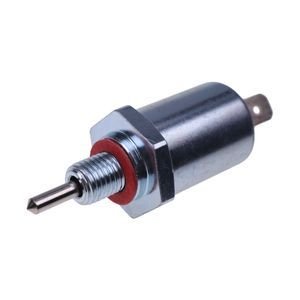
Stop Solenoid D610-B1V12 68990-015 | Fleet Supply for Kubota Engine
View Details
Need a Custom Quote?
Our technical team responds within 24 hours. MOQ 1 piece. Ships to 120+ countries from our Guangzhou warehouse.