

Engine Auxiliary Components
Engine Auxiliary Components
ISO Certified
Ships 2-5 Days
MOQ 1 Piece
Engine Auxiliary Components
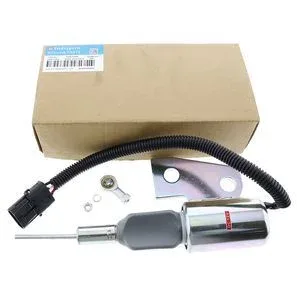
Scheduled Maintenance Stop Solenoid – Fits Hyundai R130 R170
<p><strong>3991167 SA-4941-12 Stop Solenoid, 12V for Cummins 4BT</strong> — planned lifecycle replacement for Hyundai R130 and R170 excavators experiencing electrical cycling wear and vibration-related degradation. Schedule alongside fuel filter and fuel line service to avoid repeated system access. Aging fleet units benefit from stocked spares rather than reactive sourcing.</p> <ul> <li>Fits Hyundai R130 / R170 with Cummins 4BT engines</li> <li>OEM reference 3991167, SA-4941-12 (cross-reference only)</li> <li>3-12 month warranty against manufacturing defects</li> </ul> <p>Replacement interval guidance ships with every order to support fleet maintenance scheduling</p>
Lead Time
2-5 Days
Warranty
3-12 Months
Min. Order
1 Piece
Ships To
120+ Countries
12V
3991167
For Hyundai
Hyundai R130
Hyundai R170
SA-4941-12
Service Part
stop solenoid
Request a Quote
Response within 24 hours
Prefer instant chat?
WhatsApp
Product Details
Lifecycle Part Planning — Stop solenoid service intervals mapped against Cummins 4BT fuel system maintenance for Hyundai R130 and R170 excavators.
Technical Specifications
| Parameter | Value |
|---|---|
| Part Number | 3991167 SA-4941-12 |
| Product Type | Stop Solenoid |
| Cross-Reference | 3991167, SA-4941-12, SA494112, 3964627 (reference only) |
| Machine Fitment | Hyundai R130, R170 |
| Compatible Engine | Cummins 4BT |
| Voltage | 12V |
| Condition | New Aftermarket |
| Warranty | 3-12 months against manufacturing defects |
| Standards | ISO |
Application Suitability
| Service Interval | What to Check |
|---|---|
| Every 2,000 operating hours or annual service | Solenoid coil resistance, plunger movement, wiring terminal condition |
| Fuel system service (filter replacement) | Solenoid mounting gasket integrity, fuel shutoff response time |
| Major engine service or overhaul | Full solenoid replacement alongside fuel pump and injector service |
| Electrical system inspection | Voltage drop across solenoid circuit, relay and fuse condition |
When Lifecycle Planning Prevents the Most Expensive Kind of Downtime
Scheduling stop solenoid replacement during planned fuel system service eliminates reactive purchases that idle machines for days.
I have watched a Hyundai R130 sit silent on a construction site for an entire week because a 12V stop solenoid failed without warning and no replacement was on hand. The crew had replaced fuel filters and injectors on schedule but never considered the solenoid as a lifecycle consumption item. Reactive procurement of a stop solenoid service part maintenance component after failure means paying for emergency freight, losing production days, and often discovering related fuel system wear only after the machine is already down [NEED_CITE: preventive maintenance scheduling standards for mobile construction equipment].
Where the Solenoid Sits in Your Service Calendar
The stop solenoid occupies a specific position in the Cummins 4BT auxiliary system — it is the electrical gate that controls fuel delivery to the injection pump. Unlike wear items such as belts or filters that degrade visibly, a stop solenoid service part maintenance unit typically fails at the coil or plunger without external warning signs. For fleet managers running Hyundai R130 and R170 excavators, placing this component on a defined replacement schedule alongside fuel filter and fuel line service means the engine bay is accessed once, labor is consolidated, and the machine returns to work without a second teardown.
Recognizing Wear Before the Machine Stops Responding
Electrical cycling and vibration exposure gradually degrade solenoid internals over thousands of operating hours. Coil insulation breaks down from heat soak near the engine block, and the plunger mechanism accumulates carbon deposits from fuel vapor exposure. Operators sometimes notice slower engine shutdown response or intermittent starting hesitation before complete failure occurs [NEED_CITE: solenoid failure modes in diesel engine auxiliary systems]. Pairing solenoid replacement with fuel system service intervals captures these components before they cause an unscheduled shutdown, particularly on aging R130 and R170 units where brand-channel parts availability is thinning.
Reading the Specifications That Matter in the Field
The 12V rating means this stop solenoid matches the standard electrical architecture of Hyundai R130 and R170 excavators powered by Cummins 4BT engines. Voltage tolerance directly affects coil lifespan — machines with alternator output drifting above specification will accelerate coil insulation degradation, shortening service intervals. The new aftermarket condition ensures fresh coil windings and a clean plunger bore, both critical for reliable fuel shutoff actuation. ISO manufacturing standards govern dimensional consistency across production batches, so mounting pattern and plunger travel remain compatible with existing fuel pump interfaces without modification.
The Accumulating Cost of Reactive Purchasing
When a fleet buys stop solenoids only after failure, the true expense extends far beyond the component itself. A single R170 excavator idled on a demolition project while waiting for delivery represents lost production across the entire workface that machine supports. Repeated reactive purchases also mean technicians access the fuel system area multiple times for separate failures rather than replacing adjacent wear components in one planned service event. Over a fleet of mixed-age Hyundai excavators, these unplanned interventions compound into meaningful lost availability across a project season [NEED_CITE: total cost of unplanned downtime in earthmoving operations].
What Makes This Supply Arrangement Work for Fleet Planning
Selected stop solenoid lines are produced in our own facility, while remaining inventory comes from qualified ISO-certified manufacturing partners — both carry identical QC and warranty terms. Eight product categories across engine, hydraulic, electrical, and undercarriage systems mean a complete service list ships as one consignment, consolidating freight and customs clearance. Guangzhou warehouse stock enables fast dispatch on common lifecycle items. Our technical team confirms machine model and engine serial compatibility before shipment, and cross-reference verification covers superseded numbers such as 3964627 so older service records remain traceable. Sample units are available for fitment confirmation before fleet-level commitment.
Documentation & Verification
- Commercial invoice listing stop solenoid quantities matched to fleet service schedules
- Cross-reference sheet mapping 3991167, SA-4941-12, and 3964627 as interchange reference
- Dimensional inspection record confirming plunger travel and mounting bolt pattern
- Warranty terms aligned to planned service interval duration
- Packing photographs showing solenoid protective packaging before crate sealing
- HS code documentation for customs clearance at destination port
Service Interval & Stocking Guidance
- Replace stop solenoid at every second fuel filter service cycle or when shutdown response slows noticeably
- Inspect wiring terminals and coil housing for heat discoloration during each scheduled engine bay service
- Stock one solenoid per three Hyundai R130 or R170 units in active fleet to cover predictable failure rates
- Store spare solenoids in sealed packaging away from moisture and direct sunlight to preserve coil insulation
- Record solenoid replacement dates in fleet maintenance logs to track individual unit service history
Planning Your Next Service Order
Provide your Hyundai excavator model designations, current operating hours, and existing service records so we can align stop solenoid supply with your fleet maintenance calendar and recommend stocking quantities.
Frequently Asked Questions
Q: How often should a stop solenoid be replaced as part of a service plan?
A: For Cummins 4BT engines in Hyundai R130 and R170 excavators, replacing the stop solenoid during every second major fuel system service is a practical baseline. Actual intervals depend on operating environment, electrical system condition, and engine bay heat exposure. Logging each replacement builds a fleet-specific history that refines future scheduling.
Q: What signs indicate the solenoid is approaching end of service life?
A: Delayed engine shutdown response, intermittent starting hesitation, and visible heat discoloration on the coil housing all suggest internal degradation. However, many solenoids fail without warning, which is why scheduled replacement during fuel system service remains the most reliable strategy for preventing unplanned downtime on active job sites.
Q: Should the solenoid be replaced individually or with adjacent fuel-system parts?
A: Replacing the solenoid alongside fuel filters, fuel line gaskets, and related seals during one service event minimizes repeated engine bay access. Consolidating these lifecycle parts into a single maintenance window reduces labor hours and keeps the excavator out of the repair bay for a shorter total duration.
Q: How many units should a fleet keep in stock?
A: A starting guideline is one spare stop solenoid per three active Hyundai R130 or R170 units, adjusted based on your fleet’s actual consumption history and project criticality. Rental fleets with high utilization may benefit from deeper stock to prevent turnaround delays between rental contracts.
Q: Are lifecycle parts still available for older Hyundai excavator models?
A: Aftermarket supply for aging R130 and R170 excavators remains available through qualified manufacturing partners even as brand-channel support thins. Cross-reference verification ensures superseded part numbers are correctly matched, and sample units can be ordered for fitment confirmation before committing to fleet-level quantities.
Compatible Brands
CAT
KOMATSU
HITACHI
VOLVO
HYUNDAI
DOOSAN
KOBELCO
SANY
XCMG
Our parts are engineered to meet or exceed OEM specifications. Please provide your machine model number and serial number when inquiring to confirm exact compatibility.
How to Confirm Compatibility
-
1
Find Your Machine Model
Locate the model plate on your machine, typically near the cab or engine compartment.
-
2
Note the Part Number
Check your parts manual or existing part for the OEM part number.
-
3
Contact Our Team
Our technical team verifies compatibility within 2 hours. Send us the details via the inquiry form or WhatsApp.
Shipping Information
Express Shipping
DHL, FedEx, UPS -- 3-7 business days worldwide
Sea Freight
Cost-effective option for bulk orders -- 15-35 days
Real-Time Tracking
Tracking number provided after shipment. 24/7 support available.
Warranty Policy
3-12
Months Warranty
All parts come with manufacturer warranty. Duration varies by product category.
- Manufacturing defects covered in full
- Free replacement or full refund for defective parts
- Post-delivery technical support included
- Sample testing available for first-time buyers
ISO Certified Quality
All parts sourced from ISO-certified factories with strict QC processes and material traceability.
Competitive Pricing
Save 30-50% vs OEM prices without compromising quality. Transparent pricing with no hidden fees.
Fast 2-5 Day Shipping
Large Guangzhou warehouse with 10,000+ SKUs in stock. Most orders ship within 2-5 business days.
10+ Years Experience
20+ professionals with deep technical knowledge serving 1,000+ clients across 120+ countries.
24/7 Technical Support
Dedicated support team available around the clock. Part verification within 2 hours of inquiry.
Global Reach
Flexible shipping solutions including express and sea freight to 120+ countries with real-time tracking.
Related Products
More parts you might need

Engine Auxiliary Components
Fuel Shut Off Solenoid M138477 – Fleet Supply for Kawasaki & John Deere Engines
View Details
Engine Auxiliary Components
Fuel Solenoid 2852741 for New Holland F4CE9484C J600 – Scheduled Maintenance
View DetailsNeed a Custom Quote?
Our technical team responds within 24 hours. MOQ 1 piece. Ships to 120+ countries from our Guangzhou warehouse.