

Engine Auxiliary Components

Engine Auxiliary Components
ISO Certified
Ships 2-5 Days
MOQ 1 Piece
Engine Auxiliary Components
Service Part Recoil Starter Assembly 576594001 for RedMax Blowers EBZ6500-EBZ8560
<p><strong>Recoil Starter 576594001</strong> for RedMax blowers — compatible with EBZ6500, EBZ7500, EBZ8500, EBZ8550, EBZ8560 series. Glass-filled PP housing, sealed 608ZZ bearings, ASTM A228 spring steel.</p> <ul> <li>Replace on schedule to avoid no-start failures during operations</li> <li>Sluggish rewind, frayed cord, and inconsistent pull signal end of service life</li> <li>Full assembly swap recommended when internal bearing or spring wear detected</li> <li>Proactive stocking reduces emergency downtime for multi-unit fleets</li> </ul> <p>Older EBZ-series models remain supported with planned maintenance supply and replacement cycle guidance included.</p>
Lead Time
2-5 Days
Warranty
3-12 Months
Min. Order
1 Piece
Ships To
120+ Countries
576594001
Engine Auxiliary
For RedMax Blowers
recoil starter
RedMax EBZ6500
Service Part
Request a Quote
Response within 24 hours
Prefer instant chat?
WhatsApp
Product Details
Fleet Stocking — RedMax EBZ6500 through EBZ8560 operators plan recoil starter replenishment around seasonal demand cycles instead of waiting for cord snap.
Technical Specifications
| Parameter | Value |
|---|---|
| Part Number | 576594001 |
| Product Type | Recoil Starter |
| Cross-Reference | 576594001 (reference only) |
| Machine Fitment | EBZ6500, EBZ6500RH, EBZ7500, EBZ7500RH, EBZ8500, EBZ8550, EBZ8550RH, EBZ8560, EBZ8560RH |
| Condition | New Aftermarket |
| Housing Material | Glass-filled polypropylene (PP-GF30) |
| Spring Steel Specification | ASTM A228, Rockwell hardness C44–C48 |
| Bearing Type | Sealed ball bearings (608ZZ) |
| Fastener Material | Stainless steel (A2-70) |
| Operating Temperature Range | -10°C to +50°C |
| Standards | ISO 9001, ASTM A228 |
| Warranty | 3–12 months against manufacturing defects |
| MOQ | 1 piece |
Application Suitability
| Service Interval | What to Check |
|---|---|
| Pre-season startup | Cord fraying near pulley anchor, sluggish rewind, inconsistent pull resistance |
| Every 250 operating hours | Bearing play, housing cracks, spring tension degradation |
| Post-storage recommission | Full assembly swap if cord does not retract cleanly after two pulls |
| End-of-season layup | Replace worn starters before storage to guarantee reliable spring ignition |
Why Planned Recoil Starter Replacement Beats Emergency Ordering
A blown pull cord on a Monday morning turns a scheduled maintenance line item into a half-day machine-down incident.
Fleet managers running multiple RedMax EBZ-series blowers often treat the recoil starter as a fail-then-fix component. The problem is that recoil starter failure rarely gives useful warning — the cord snaps mid-pull or the spring loses tension without visible degradation. For landscaping crews and municipal equipment pools operating on tight seasonal windows, that reactive approach means one machine sits idle while an emergency order processes through logistics. [NEED_CITE: preventive maintenance scheduling for handheld power equipment fleets]
The shift from reactive to planned recoil starter service part replacement is not about the component cost. It is about removing a single-point failure from machines that operate in wildfire mitigation, dust suppression, and forest fire line work where downtime carries consequences beyond the repair invoice.
Where the Recoil Starter Sits in the Blower Service Lifecycle
The recoil starter is the first mechanical interaction between operator and engine every single time the machine starts. Unlike air filters or spark plugs that degrade gradually and predictably, the recoil starter endures cyclical shock loading — each pull subjects the spring, bearings, and cord anchor to peak stress. Over hundreds of starts per season, this accumulates into fatigue that eventually crosses a failure threshold with little external indication.
Treating this component as a scheduled wear part rather than a breakdown item changes how a fleet absorbs seasonal demand. A landscaping operation running eight EBZ6500 units through leaf season can predict total pulls across the fleet and time replacement before cord fraying reaches the pulley anchor point.
Wear Indicators That Signal Replacement Timing
Three observable symptoms precede most recoil starter failures. Inconsistent pull resistance — where one pull feels normal and the next sticks — typically points to bearing degradation inside the pulley assembly, accelerated in high-dust environments like demolition sites and wildfire operations. Sluggish cord rewind indicates spring fatigue, where the ASTM A228 spring steel has lost elastic recovery after thousands of cycles. Visible cord fraying within two inches of the pulley anchor is the most urgent signal; once individual strands separate, complete failure is typically imminent.
For fleet operators, these indicators map to inspection checkpoints. A quick two-pull test during daily equipment checkout catches rewind degradation before it strands a crew in the field. [NEED_CITE: handheld blower daily inspection checklist standards for commercial fleets]
How Material Choices Affect Service Life in the Field
The PP-GF30 housing resists the UV exposure and thermal cycling that crack standard polypropylene housings left on truck racks in summer heat. Glass-filled polypropylene maintains dimensional stability across the -10°C to +50°C operating range, meaning the housing does not warp and misalign the pulley bearings during temperature swings between early morning starts and midday operation.
The sealed 608ZZ ball bearings are specified for the dust-heavy environments where RedMax blowers typically work. Unsealed bearings in demolition dust or wildfire ash accumulate particulate within weeks, creating drag that transfers load to the spring and cord. Sealed units extend the interval between replacements by isolating the bearing surfaces from the operating environment. Stainless steel A2-70 fasteners resist the corrosion that makes maintenance difficult when a starter needs removal after months of outdoor exposure.
The Hidden Cost of Running Starters to Failure
A reactive replacement strategy on a ten-unit EBZ-series fleet typically means two or three unplanned downtime events per season — each one pulling a machine out of service for the duration of a parts order plus installation. For municipal crews on contract timelines or wildfire response teams operating during narrow weather windows, that idle machine represents capacity lost during peak demand.
Beyond the direct downtime, emergency orders fragment procurement. A fleet that orders one recoil starter urgently at a time pays expedited logistics repeatedly, whereas bulk stocking aligned to a maintenance calendar consolidates purchasing into predictable intervals. The recoil starter is small enough that carrying two or three units per machine model adds negligible storage burden while eliminating the most common cause of no-start failures on otherwise serviceable blowers. [NEED_CITE: total cost of unplanned equipment downtime for municipal maintenance fleets]
Supply Capability Backed by Stock and Verification
Own production on selected lines combined with qualified sourced supply means both channels carry identical warranty terms and quality inspection standards — no tiering between self-produced and partner-sourced inventory. The eight-category product range allows a fleet manager ordering recoil starters to add spark plugs, air filters, and fuel line components under one account with one consolidated shipment.
Single-piece minimum order quantity supports both emergency replacements and small-fleet operators who cannot justify bulk commitments. Guangzhou warehouse stock on fast-moving items enables rapid dispatch for operators who discover a worn starter during pre-season inspection. Part identification works from the OEM reference number, the machine model plate, or a photograph of the existing unit — useful when nameplates are worn or painted over after years of field use. Cross-reference verification covers superseded numbers across EBZ-series generations, and sample supply allows fitment confirmation before committing to fleet-wide stocking quantities.
Documentation & Verification
- Commercial invoice and packing list itemized by EBZ-series model variant
- Part compatibility sheet covering EBZ6500 through EBZ8560RH fitment range with cross-reference marked reference only
- Dimensional inspection record verifying housing alignment and bearing seating before dispatch
- Warranty terms document specifying defect coverage period and claim process
- Packing photographs showing each unit secured against transit damage
- HS code classification and customs documentation support for international fleet procurement
Service Interval & Stocking Guidance
- Inspect cord condition and rewind speed at each 250-hour service checkpoint on every EBZ-series unit
- Replace the full recoil starter assembly when spring tension degrades or bearing play becomes detectable
- Stock one spare unit per five machines in the fleet, adjusted upward for high-dust operating environments
- Store spare starters in sealed bags away from UV exposure to preserve housing material integrity
- Align starter replacement with broader seasonal maintenance that includes air filter and fuel line inspection
Requesting a Fleet Stocking Assessment
Provide your EBZ-series machine models and approximate fleet size so we can verify fitment across variant ranges and calculate suggested stocking quantities. Including current operating hours and seasonal usage patterns helps us align replacement timing recommendations to your maintenance calendar. For older units where nameplates are illegible, a photograph of the existing starter housing enables cross-reference confirmation before we finalize the order.
Frequently Asked Questions
Q: How often should a recoil starter be replaced under normal blower operating conditions?
A: Under typical commercial use, plan replacement every two seasons or at the first sign of sluggish rewind. High-dust environments such as demolition or wildfire operations accelerate bearing wear, shortening intervals. Align recoil starter service with your broader preventive maintenance schedule rather than waiting for cord failure.
Q: What symptoms indicate the recoil starter is nearing end of service life?
A: Watch for inconsistent pull resistance between consecutive starts, slow cord retraction, and visible fraying near the pulley anchor. Any of these signals means internal spring fatigue or bearing degradation has progressed enough that full assembly replacement is advisable before the unit fails in the field.
Q: Should I replace just the cord and spring, or the full assembly?
A: Full assembly replacement is generally the better approach for fleet maintenance. By the time the cord breaks, the spring and bearings have absorbed the same cycle count and are approaching their own failure point. Swapping the complete unit eliminates the secondary failure that typically follows a cord-only repair.
Q: How many spare starters should a fleet operator keep on hand?
A: A practical starting point is one spare per five machines of the same model, adjusted for operating environment. High-dust conditions warrant deeper stock. Since the units store compactly and do not degrade on the shelf, carrying additional units removes procurement risk during peak operational seasons.
Q: Is this replacement still available for older EBZ-series models?
A: Yes. This recoil starter assembly maintains compatibility across the EBZ6500 through EBZ8560RH range, including older production variants. We verify fitment against your specific machine serial prefix and cross-reference any superseded part numbers to confirm the correct unit before shipping.
Compatible Brands
CAT
KOMATSU
HITACHI
VOLVO
HYUNDAI
DOOSAN
KOBELCO
SANY
XCMG
Our parts are engineered to meet or exceed OEM specifications. Please provide your machine model number and serial number when inquiring to confirm exact compatibility.
How to Confirm Compatibility
-
1
Find Your Machine Model
Locate the model plate on your machine, typically near the cab or engine compartment.
-
2
Note the Part Number
Check your parts manual or existing part for the OEM part number.
-
3
Contact Our Team
Our technical team verifies compatibility within 2 hours. Send us the details via the inquiry form or WhatsApp.
Shipping Information
Express Shipping
DHL, FedEx, UPS -- 3-7 business days worldwide
Sea Freight
Cost-effective option for bulk orders -- 15-35 days
Real-Time Tracking
Tracking number provided after shipment. 24/7 support available.
Warranty Policy
3-12
Months Warranty
All parts come with manufacturer warranty. Duration varies by product category.
- Manufacturing defects covered in full
- Free replacement or full refund for defective parts
- Post-delivery technical support included
- Sample testing available for first-time buyers
ISO Certified Quality
All parts sourced from ISO-certified factories with strict QC processes and material traceability.
Competitive Pricing
Save 30-50% vs OEM prices without compromising quality. Transparent pricing with no hidden fees.
Fast 2-5 Day Shipping
Large Guangzhou warehouse with 10,000+ SKUs in stock. Most orders ship within 2-5 business days.
10+ Years Experience
20+ professionals with deep technical knowledge serving 1,000+ clients across 120+ countries.
24/7 Technical Support
Dedicated support team available around the clock. Part verification within 2 hours of inquiry.
Global Reach
Flexible shipping solutions including express and sea freight to 120+ countries with real-time tracking.
Related Products
More parts you might need
Engine Auxiliary Components
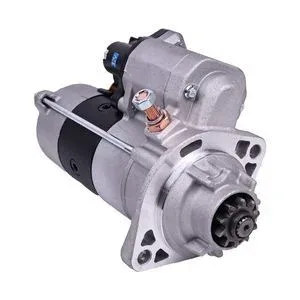
12V Starter Motor 4996706 for Cummins – Scheduled Maintenance
View Details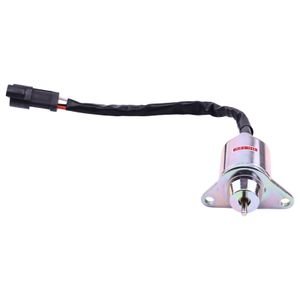
Engine Auxiliary Components
12V Fuel Stop Solenoid Valve for Thermo King TK249–TK486 Engines
View Details
Engine Auxiliary Components
12V Stop Solenoid 3991167 SA-4941-12 – Scheduled Maintenance for 4BT R130 R170
View DetailsNeed a Custom Quote?
Our technical team responds within 24 hours. MOQ 1 piece. Ships to 120+ countries from our Guangzhou warehouse.