
Engine Auxiliary Components
Alternator
ISO Certified
Ships 2-5 Days
MOQ 1 Piece
Alternator
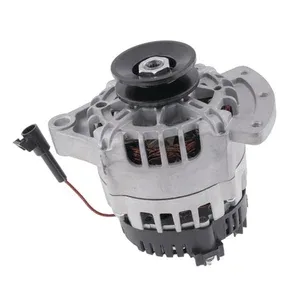
12V Alternator 30-00423-00 Service Part for Carrier CT2 CT3 X2
<ul> <li>Replacement interval guidance and cross-reference sheet included with shipment for fleet maintenance planning</li> </ul>
Lead Time
2-5 Days
Warranty
3-12 Months
Min. Order
1 Piece
Ships To
120+ Countries
12V 110A
30-00423-00
alternator
Carrier CT2 CT3 X2
For Carrier
Service Part
Request a Quote
Response within 24 hours
Prefer instant chat?
WhatsApp
Product Details
Replacement intervals and stocking plans — this 12V alternator fits Carrier CT2, CT3, and X2 refrigeration units where proactive lifecycle scheduling prevents cargo spoilage.
Technical Specifications
| Parameter | Value |
|---|---|
| Part Number | 30-00423-00 |
| Cross-Reference | 30-00423-00 (reference only), 300042300 (reference only), 30-00409-64 (reference only), 300040964 (reference only), 30-00363-00 (reference only), 300036300 (reference only), 30-01114-06 (reference only), 300111406 (reference only), 30-01151-00 (reference only), LS17139 (reference only), 4702601 (reference only), A1737B (reference only), 4702610 (reference only), 4702611 (reference only), 4702603 (reference only), 93105 (reference only) |
| Machine Fitment | CT2-29TV, CT3-44TV, CT3/69TV, Genesis R70, Genesis R90, TM800, TM900, Maxima 1000, Maxima 1200, Maxima 1200 MT, Maxima 1300, Maxima 1300 MT, Maxima 1550, ULTRA XL, XTC, XT, Ultima XTC, X2 1800, X2 2100, X2 2100A, X2 2100R, X2 2500A, X2 2500R |
| Product Type | Alternator |
| Voltage | 12V |
| Continuous Output | 110A minimum |
| Ripple Voltage | < 200 mV RMS |
| Diode Junction Temperature Rating | 150°C |
| Shaft Runout | ≤0.03 mm (per ISO 21940-11) |
| Rotor Winding Tolerance | ±0.5% |
| Housing Material | Die-cast aluminum with electroplated steel mounting flanges |
| Condition | New Aftermarket |
| Warranty | 3–12 months against manufacturing defects |
| Standards | ISO 9001, ISO 21940-11, SAE J1171 |
Application Suitability
| Service Interval | What to Check |
|---|---|
| Annual scheduled maintenance on Carrier CT2/CT3 units | Alternator output voltage at operating temperature, belt condition, wiring harness connections |
| Pre-season preparation for X2 2100/2500 series reefers | Diode ripple voltage, bearing noise under load, mounting flange bolt torque |
| Mid-cycle inspection on Genesis R70/R90 fleets | Charge indicator behavior under sustained high-ambient operation, pulley alignment |
| Lease turnaround on Maxima 1000–1550 rental units | Shaft runout measurement, full electrical system audit including voltage regulator |
Why Fleet Operators Lose Cargo Before They Notice the Alternator
Most alternator failures announce themselves only after temperature excursions have already compromised the load.
In cross-border refrigerated trucking, a 12V alternator service part for Carrier CT2 CT3 X2 refrigeration units sits at the center of the electrical system. When diode junctions degrade under continuous high-ambient cycles, voltage drops accumulate gradually. By the time the charge warning illuminates, the refrigeration compressor has already been operating on insufficient power for hours. Fleet operators running mixed Carrier fleets — CT2-29TV units alongside newer X2 2100A models — face compounding risk because older machines rarely receive the same diagnostic attention as newer assets [NEED_CITE: predictive maintenance scheduling for transport refrigeration fleets].
I have seen a CT3/69TV unit run for an entire border crossing with declining alternator output before the refrigeration controller finally threw a low-voltage fault. The cargo was already beyond recovery. The alternator itself had been showing bearing noise for weeks — nobody connected that symptom to the electrical system until it was too late.
Where This Alternator Sits in the Carrier Unit’s Service Life
The alternator is a predictable wear component in Carrier transport refrigeration systems. Unlike catastrophic failures such as compressor seizure, alternator degradation follows a recognizable progression: bearing wear increases shaft runout, diode thermal cycling degrades junction integrity, and rotor winding resistance drifts outside tolerance. For fleet operators managing lifecycle costs, the 12V alternator service part for Carrier CT2 CT3 X2 refrigeration units belongs in the same replacement planning category as belts, tensioners, and clutch assemblies.
Replacing the alternator at a scheduled interval — rather than waiting for failure — keeps the unit within its designed electrical envelope and avoids the cascade of secondary faults that a low-voltage condition can trigger across the refrigeration controller.
Wear Progression and the Case for Assembly-Level Inspection
When an alternator reaches end of service life on a Carrier X2 2500R or Maxima 1300 MT, the surrounding components have endured the same thermal and vibrational environment. Belt surfaces glaze, tensioner springs lose preload, and wiring harness terminals develop resistive corrosion. Swapping the alternator alone without auditing these adjacent items leaves the new unit operating against the same degraded conditions that shortened the previous one’s life [NEED_CITE: electrical system component interaction in transport refrigeration].
For fleets operating in sustained high-temperature corridors, diode junction temperature rating becomes the critical limiting factor. A rating of 150°C provides margin against the ambient heat that builds inside an engine-driven reefer enclosure during summer idling. Checking the alternator at every major service interval — and replacing it when shaft runout approaches the 0.03 mm threshold — prevents the kind of slow voltage decay that damages cargo without triggering immediate alarms.
Electrical Output Parameters That Matter in the Field
The continuous output specification of 110A minimum ensures that the alternator can sustain full compressor clutch engagement, controller operation, and lighting loads simultaneously — a common demand during pulldown cycles on hot-loaded trailers. Ripple voltage below 200 mV RMS protects the sensitive electronics in modern Carrier refrigeration controllers, which interpret excessive AC ripple as sensor faults and may enter limp modes.
Rotor winding tolerance of ±0.5% means the magnetic field remains balanced across all poles, reducing uneven bearing loading that would otherwise accelerate shaft runout beyond the ISO 21940-11 specification. The die-cast aluminum housing with electroplated steel mounting flanges manages the thermal expansion mismatch between the alternator body and the engine bracket — a detail that matters when units cycle between desert daytime heat and overnight cold-chain runs [NEED_CITE: thermal cycling effects on alternator mounting integrity in mobile applications].
The Cost of Reactive Alternator Procurement in Cold Chain Fleets
When a fleet operator treats the alternator as an emergency purchase rather than a planned replacement, the consequences compound. A downed reefer unit at a distribution hub means either cargo transfer to a backup unit or accepting spoilage losses. For operators running older Carrier CT2-29TV and CT3-44TV machines where brand support is thinning, sourcing delays stretch from days into weeks.
I have watched a rental turnaround stall because a single failed alternator on a Maxima 1200 MT could not be sourced locally, and the lease return deadline passed with the unit still sitting in the yard. The reactive procurement cost was not just the part — it was the lost rental revenue and the penalty clause in the lease agreement [NEED_CITE: cold chain equipment downtime cost modeling for fleet operators].
Why Sourcing Through This Channel Supports Fleet Planning
Own production on selected alternator lines plus qualified sourced supply under one account means the same warranty terms apply whether the unit ships from Guangzhou stock or a manufacturing partner. Eight product categories allow a complete Carrier refrigeration service job — alternator, belts, seal kits, electrical connectors, filters — to ship as a single consignment, eliminating split freight and mismatched arrival dates.
Minimum order from one piece supports both emergency replacements and planned bulk stocking. Part identification works from a worn number, a machine model plate, or a photograph of the nameplate, which matters when CT2 and CT3 units have been repainted multiple times. Cross-reference verification covers superseded numbers like 30-00409-64 and 30-00363-00, ensuring that older fleet assets remain serviceable. Sample supply is available for fitment confirmation before a fleet commits to bulk quantities across mixed Carrier models.
Documentation & Verification
- Commercial invoice and packing list referencing alternator part number and Carrier unit compatibility
- Cross-reference sheet mapping OEM numbers (reference only) to this aftermarket alternator for fleet records
- Quality inspection record covering shaft runout, ripple voltage, and winding resistance before dispatch
- Warranty terms covering manufacturing defects for 3–12 months depending on order configuration
- Packing photographs showing alternator protection and flange condition prior to crate closure
- HS code and customs documentation support for cross-border fleet maintenance imports
Service Interval & Stocking Guidance
- Schedule alternator inspection at every major Carrier unit service interval, checking shaft runout against the 0.03 mm threshold
- Monitor charge voltage under full compressor load as a leading indicator of diode degradation
- Stock one spare alternator per five Carrier units in a mixed-age fleet to cover CT2, CT3, and X2 variants
- Store spare alternators in dry conditions with shaft bearings protected from static brinelling during extended shelf life
- Replace belts and inspect tensioners at every alternator change to prevent premature bearing wear on the new unit
Planning Your Next Alternator Procurement Cycle
Provide the specific Carrier unit models in your fleet, current operating hours, and any previous alternator replacement records. This allows matching the correct alternator variant across CT2-29TV, CT3-44TV, Genesis, Maxima, and X2 series machines, along with stocking quantity recommendations aligned to your maintenance calendar.
Frequently Asked Questions
Q: What operating hour interval should trigger alternator inspection on Carrier refrigeration units?
A: Inspection timing depends on duty cycle and ambient conditions. Units running continuous high-temperature routes typically need alternator output checks at every major service interval. Shaft runout and ripple voltage measurements provide the clearest indicators of remaining service life, rather than operating hours alone.
Q: What readings indicate the alternator is approaching end of service life?
A: Voltage drop under full compressor load and increasing ripple voltage above normal baseline are the primary indicators. Bearing noise at idle and visible pulley wobble also signal shaft runout progression. Any of these symptoms warrant immediate inspection before the next loaded trip.
Q: Should belts and electrical connections be replaced at the same time as the alternator?
A: Yes. The belt, tensioner, and wiring harness terminals have endured the same thermal and vibrational environment. Installing a new alternator against glazed belts or corroded terminals recreates the conditions that shortened the previous unit’s life. Assembly-level replacement avoids repeat failures.
Q: How many spare alternators should a fleet operator stock for a mixed Carrier fleet?
A: A practical baseline is one spare per five units across the fleet, adjusted for the age distribution of CT2, CT3, and X2 machines. Older units with thinning brand support justify higher stocking ratios since sourcing delays are longer when emergency procurement becomes necessary.
Q: Can this alternator still be sourced for older Carrier CT2 and CT3 units no longer in production?
A: Yes. This aftermarket alternator is designed to replace units across the CT2-29TV, CT3-44TV, and CT3/69TV range, with cross-reference verification covering superseded part numbers. Continued supply supports lifecycle extension for older Carrier refrigeration assets in mixed-age fleets.
Compatible Brands
CAT
KOMATSU
HITACHI
VOLVO
HYUNDAI
DOOSAN
KOBELCO
SANY
XCMG
Our parts are engineered to meet or exceed OEM specifications. Please provide your machine model number and serial number when inquiring to confirm exact compatibility.
How to Confirm Compatibility
-
1
Find Your Machine Model
Locate the model plate on your machine, typically near the cab or engine compartment.
-
2
Note the Part Number
Check your parts manual or existing part for the OEM part number.
-
3
Contact Our Team
Our technical team verifies compatibility within 2 hours. Send us the details via the inquiry form or WhatsApp.
Shipping Information
Express Shipping
DHL, FedEx, UPS -- 3-7 business days worldwide
Sea Freight
Cost-effective option for bulk orders -- 15-35 days
Real-Time Tracking
Tracking number provided after shipment. 24/7 support available.
Warranty Policy
3-12
Months Warranty
All parts come with manufacturer warranty. Duration varies by product category.
- Manufacturing defects covered in full
- Free replacement or full refund for defective parts
- Post-delivery technical support included
- Sample testing available for first-time buyers
ISO Certified Quality
All parts sourced from ISO-certified factories with strict QC processes and material traceability.
Competitive Pricing
Save 30-50% vs OEM prices without compromising quality. Transparent pricing with no hidden fees.
Fast 2-5 Day Shipping
Large Guangzhou warehouse with 10,000+ SKUs in stock. Most orders ship within 2-5 business days.
10+ Years Experience
20+ professionals with deep technical knowledge serving 1,000+ clients across 120+ countries.
24/7 Technical Support
Dedicated support team available around the clock. Part verification within 2 hours of inquiry.
Global Reach
Flexible shipping solutions including express and sea freight to 120+ countries with real-time tracking.
Related Products
More parts you might need

Engine Auxiliary Components
12V 9T Starter Motor 132-4948 for Kubota D1105 – Fleet Supply
View Details

Engine Auxiliary Components
Spark Plug X52404500056 X52404500062 for MTU 4000 – Scheduled Maintenance
View DetailsNeed a Custom Quote?
Our technical team responds within 24 hours. MOQ 1 piece. Ships to 120+ countries from our Guangzhou warehouse.