

Engine Auxiliary Components

Engine Auxiliary Components
ISO Certified
Ships 2-5 Days
MOQ 1 Piece
Engine Auxiliary Components
12V Starter Motor AT318141 – Scheduled Maintenance for John Deere
<p><strong>AT318141 Starter Motor, 12V, 15-Tooth Spline</strong> — replacement for John Deere excavators 30G, 35D, 50G and skid steer loaders 312GR, 317G powered by Yanmar 3TNV88F and 4TNV86CT engines. Slow cranking or intermittent cold-weather starts signal brush or solenoid wear; scheduling replacement during major service intervals prevents unplanned downtime across the fleet. Pair with battery cable and ring gear inspection for reliable engagement. Replacement interval guidance included with shipment for your maintenance planning records.</p>
Lead Time
2-5 Days
Warranty
3-12 Months
Min. Order
1 Piece
Ships To
120+ Countries
12 Volt
AT318141
For John Deere
John Deere 30G
Service Part
starter motor
Request a Quote
Response within 24 hours
Prefer instant chat?
WhatsApp
Product Details
Scheduled Maintenance Planning — Starter motor replacements mapped to fleet service intervals so John Deere excavators stay on the work site instead of waiting for parts.
Technical Specifications
| Parameter | Value |
|---|---|
| Part Number | AT318141 |
| Product Type | Starter Motor |
| Cross-Reference | JOHN DEERE: AT318141 (cross-reference only), ARROWHEAD: SHI0112 (reference only), LESTER: 19709 (reference only), WOOD AUTO: STR23008 (reference only) |
| Machine Fitment | John Deere Excavator 30G, 35D, 35G, 50D, 50G; Skid Steer Loader 312GR, 314G, 316GR, 317G, 318G; Four-Wheel Drive Loader 184G, 204G, 304G |
| Voltage | 12 Volts |
| Teeth/Splines | 15 Teeth/Splines |
| Condition | New Aftermarket |
| Warranty | 3-12 months against manufacturing defects |
| Standards | ISO-certified manufacturing partners |
Application Suitability
| Service Interval | What to Check |
|---|---|
| Annual major service | Battery terminal voltage drop, cable insulation condition, starter cranking speed |
| 2,000-hour engine overhaul | Flywheel ring gear tooth wear, starter drive engagement depth |
| Pre-season fleet inspection | Intermittent starting in cold conditions, slow cranking on Yanmar 3TNV88F engines |
| End-of-warranty review | Starter solenoid response time, brush wear indicators on high-hour units |
| Rental turnaround between deployments | Full electrical system load test including alternator output verification |
Why Fleet Operators Lose Entire Workdays Over a Component Most Ignore Until It Fails
The 12V Starter Motor service part is the single point of failure that turns a minor electrical fault into a fully stopped machine.
I started in repair bays across the Pearl River Delta, and the pattern never changes: a compact excavator sits silent on a job site because nobody scheduled a starter motor replacement during the last major service. The battery was fine. The wiring was intact. But the starter had been showing slow cranking for weeks, and no one acted on it. By the time the machine refused to start on a cold morning, the workday was already lost and the part was not on the shelf. Fleet managers who treat the starter as a run-to-failure item consistently pay more in cumulative downtime than those who plan its replacement alongside predictable engine service intervals [NEED_CITE: planned versus reactive maintenance cost ratios for mobile construction equipment].
Where This Starter Motor Sits in the Machine’s Service Life
The starter motor on a Yanmar 3TNV88F or 4TNV86CT engine is not a lifetime component. It endures hundreds of high-current engagement cycles, thermal stress from the engine bay, and vibration from compact equipment frames. On John Deere 30G and 50G excavators that run multi-shift operations, the starter typically shows measurable wear signs well before complete failure. Catching those signs during scheduled downtime — rather than reacting to a machine that will not turn over — is the difference between a controlled parts order and an emergency overnight shipment. This 12V Starter Motor service part fits directly into that planned maintenance window when the engine is already out for other service work.
Reading the Warning Signs Before Total Failure
Slow cranking speed is the earliest and most reliable indicator, especially in cooler ambient temperatures when engine oil viscosity increases the load on the starter. Clicking without engagement points to solenoid wear rather than a dead unit, but it rarely self-corrects and usually progresses to full failure within a predictable timeframe. Intermittent starting that resolves after the engine bay warms up often traces to worn brushes or a failing armature. Ignoring these symptoms on Yanmar 4TNV88C-powered loaders means the next cold morning could be the last time that machine starts on its own [NEED_CITE: starter motor failure progression patterns in diesel-powered compact equipment]. Replacing the unit during a scheduled engine-out service avoids the compounded cost of a tow, an idle operator, and an expedited parts order.
Understanding the Electrical Specifications That Matter in Practice
The 12-volt rating aligns with the standard electrical architecture across the compatible John Deere excavator and loader range. Undersized or degraded wiring between the battery and starter will cause voltage drop that mimics starter failure — a problem that no replacement starter will solve if the root cause is elsewhere. The 15-tooth spline count is the critical mechanical interface: this gear must engage cleanly with the flywheel ring gear, and any mismatch means the starter spins without turning the engine. When sourcing this 12V Starter Motor service part, verifying the tooth count against the existing unit prevents the frustrating discovery during installation that the wrong variant was ordered. Gear tooth condition on the ring gear itself should be inspected at the same time; a starter with fresh teeth engaging a worn ring gear will fail prematurely.
The Cumulative Cost of Buying Starters Only After They Die
Reactive purchasing means the machine is already down when the order is placed. A single idle day on a construction site carries costs beyond the part price — operator wages, project timeline penalties, and the cascade of rescheduled dependent tasks. When the same machine has already been through one rebuild cycle, a second starter failure often traces back to a ring gear that was never inspected the first time. Planning starter replacement at the engine overhaul stage, or at a fixed hour interval, converts an unpredictable emergency into a budgeted line item. Over a fleet of ten or more compact machines, this shift in approach eliminates a surprising share of unplanned downtime events [NEED_CITE: fleet availability improvement through preventive electrical component replacement].
Why Sourcing This Part Through XUNPO Makes Sense for Fleet Planning
Our Guangzhou warehouse maintains stock on high-turnover starter motors for the Yanmar engine family, so fleet orders do not wait on production lead times. The 15-tooth spline variant and 12-volt specification are verified against cross-reference tables covering superseded and alternate part numbers before dispatch. We supply from one piece upward, which means a single replacement for a down machine and a bulk stocking order for the next service cycle come from the same account under the same warranty terms. Parts identification works from a machine model, a photograph of the nameplate, or the worn part number itself — useful when the data plate on an older 35D excavator is no longer readable. Samples ship for fitment confirmation before a fleet-level commitment, removing the risk of a wrong-variant bulk order sitting on a shelf.
Documentation & Verification
- Commercial invoice listing each starter motor with machine compatibility reference
- Cross-reference sheet mapping AT318141 to Arrowhead, Lester, and Wood Auto numbers (reference only)
- Dimensional check on 15-tooth spline count and mounting pattern before dispatch
- Quality inspection record covering bench-test cranking performance
- Warranty terms document specifying coverage period for manufacturing defects
- Packing photographs showing each unit secured for freight handling
Service Interval & Stocking Guidance
- Replace starter during major engine service on Yanmar 3TNV88F and 4TNV86CT platforms to avoid separate downtime events
- Inspect flywheel ring gear teeth at every starter replacement; uneven wear causes repeat engagement failures
- Stock one starter per five machines in active fleet rotation to cover predictable failure without over-committing inventory
- Store replacement units in sealed packaging to prevent moisture ingress on the armature and brush assembly
- Log cranking voltage and current draw at each scheduled service to establish a baseline trend per machine
Planning Your Next Starter Motor Order
To get an accurate stocking recommendation, share your fleet composition — machine models, engine types, and current service hour readings. We will map each unit to the correct starter variant and suggest a stocking quantity based on your service intervals. For machines approaching a major overhaul, we can bundle the starter with the adjacent electrical and engine auxiliary components your workshop will need in the same service window.
Frequently Asked Questions
Q: What signs indicate the starter motor needs replacement rather than a battery or wiring problem?
A: Slow cranking speed under load, a single click without engagement, or intermittent starts that only work when the engine bay is warm all point to internal starter wear. Before replacing, check battery terminal voltage under cranking load and inspect cables for corrosion. If voltage at the starter terminal drops significantly during cranking, the wiring is the issue. When voltage is healthy but cranking remains sluggish, the starter is the component to replace.
Q: Should I inspect the flywheel ring gear when replacing this starter motor?
A: Yes. The 15-tooth drive gear on this starter engages directly with the ring gear, and worn or chipped ring gear teeth will cause the new starter to slip or fail prematurely. During replacement, rotate the engine to expose the full ring gear circumference and check for uneven tooth wear, especially at the typical stopping positions. Addressing ring gear damage during the same service window prevents a second teardown weeks later.
Q: How does starter replacement fit into the overall electrical system maintenance cycle?
A: The starter draws peak current from the battery, so its health is tied to alternator output, battery condition, and cable integrity. We recommend testing all three during the same service interval where the starter is inspected or replaced. This consolidated approach catches voltage-drop problems that would otherwise be misdiagnosed as a starter fault, and it keeps the entire starting circuit within one planned maintenance event.
Q: Can I stock this part ahead of failure to avoid unplanned downtime?
A: Stocking is the most effective way to protect fleet availability. For operators running multiple John Deere 30G, 50G, or compatible skid steer loaders with Yanmar engines, keeping one or two units on the shelf eliminates the gap between failure and replacement. The starter is a predictable wear item, not a random failure, so advance stocking converts an emergency into a routine swap during scheduled downtime.
Q: Are these starter motors still available for older Yanmar-powered John Deere machines?
A: Aftermarket supply for Yanmar 3TNV88F, 4TNV86CT, and 4TNV88C engines remains strong because these platforms are still widely active in construction, agriculture, and rental fleets. The 12V Starter Motor service part covered here carries verified cross-references to multiple numbering systems, ensuring fitment accuracy even on machines that have passed through several ownership changes and have incomplete service records.
Compatible Brands
CAT
KOMATSU
HITACHI
VOLVO
HYUNDAI
DOOSAN
KOBELCO
SANY
XCMG
Our parts are engineered to meet or exceed OEM specifications. Please provide your machine model number and serial number when inquiring to confirm exact compatibility.
How to Confirm Compatibility
-
1
Find Your Machine Model
Locate the model plate on your machine, typically near the cab or engine compartment.
-
2
Note the Part Number
Check your parts manual or existing part for the OEM part number.
-
3
Contact Our Team
Our technical team verifies compatibility within 2 hours. Send us the details via the inquiry form or WhatsApp.
Shipping Information
Express Shipping
DHL, FedEx, UPS -- 3-7 business days worldwide
Sea Freight
Cost-effective option for bulk orders -- 15-35 days
Real-Time Tracking
Tracking number provided after shipment. 24/7 support available.
Warranty Policy
3-12
Months Warranty
All parts come with manufacturer warranty. Duration varies by product category.
- Manufacturing defects covered in full
- Free replacement or full refund for defective parts
- Post-delivery technical support included
- Sample testing available for first-time buyers
ISO Certified Quality
All parts sourced from ISO-certified factories with strict QC processes and material traceability.
Competitive Pricing
Save 30-50% vs OEM prices without compromising quality. Transparent pricing with no hidden fees.
Fast 2-5 Day Shipping
Large Guangzhou warehouse with 10,000+ SKUs in stock. Most orders ship within 2-5 business days.
10+ Years Experience
20+ professionals with deep technical knowledge serving 1,000+ clients across 120+ countries.
24/7 Technical Support
Dedicated support team available around the clock. Part verification within 2 hours of inquiry.
Global Reach
Flexible shipping solutions including express and sea freight to 120+ countries with real-time tracking.
Related Products
More parts you might need
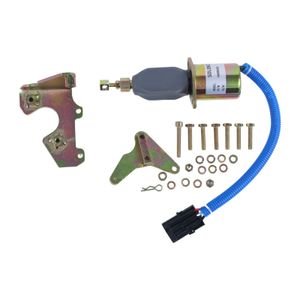
Engine Auxiliary Components
Fuel Shut-Off Solenoid SA-4026-12 for Cummins 5.9L/8.3L Engines – 12V Direct Replacement
View Details
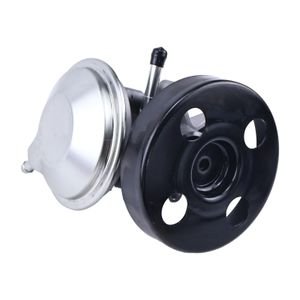
Engine Auxiliary Components
Vacuum Pump with Pulley 904-862 for Isuzu NPR/NPR-HD Gas & Diesel Models
View DetailsNeed a Custom Quote?
Our technical team responds within 24 hours. MOQ 1 piece. Ships to 120+ countries from our Guangzhou warehouse.