

Block & Internal Parts

Block & Internal Parts
ISO Certified
Ships 2-5 Days
MOQ 1 Piece
Block & Internal Parts
1G924-22014 Connecting Rod for Kubota V2003 V2203 – Service Part
<p><strong>1G924-22014 Connecting Rod, 40CrMo Alloy Steel</strong> — replacement for Kubota V2003, V2203, and V2403 engines across L5240, MX5400, M5140, and M5640 series machines.</p> <ul> <li>Monitor big-end bearing clearance at scheduled intervals — wear here typically precedes rod fatigue and signals replacement before secondary damage</li> <li>Replace as a matched cylinder set during planned overhauls to maintain balance and extend next rebuild window</li> <li>Pair rod procurement with bearings, gaskets, and seal kits to consolidate fleet maintenance into single shipments</li> </ul> <p>Scheduled maintenance support documentation ships with every order for your service records.</p>
Lead Time
2-5 Days
Warranty
3-12 Months
Min. Order
1 Piece
Ships To
120+ Countries
1G924-22014
40CrMo Alloy Steel
connecting rod
For Kubota
Kubota V2003
Service Part
Request a Quote
Response within 24 hours
Prefer instant chat?
WhatsApp
Product Details
Fleet Stocking Strategy — holding a matched set of 1G924-22014 connecting rods prevents weeks of unplanned downtime when Kubota V-series engines reach overhaul intervals.
Technical Specifications
| Parameter | Value |
|---|---|
| Part Number | 1G924-22014 |
| Product Type | Connecting Rod |
| Cross-Reference (reference only) | 1G924-22013, 1G924-22012, 1G924-22010, 1G92422014, 1G92422013, 1G92422012, 1G92422010 |
| Machine Fitment | Kubota R430, KX040-4, L5040GST, L5240HST, L5460HST, L5740HST, L6060HST, MX5100DT, MX5200, MX5400, MX5800H, MX6000H, M5140, M5640SU, M5660SUH, M59, M62 |
| Engine Compatibility | Kubota V2003, V2203, V2403 |
| Material | 40CrMo alloy steel |
| Surface Treatment | Anti-rust phosphate coating |
| Assembly State | New Aftermarket |
| Warranty | 3–12 months against manufacturing defects |
| MOQ | 1 piece |
| Quality Standard | ISO 9001 |
Application Suitability
| Service Interval | What to Check |
|---|---|
| Bottom-end overhaul (major service) | Big-end bearing clearance, crankshaft journal condition, piston pin bore wear |
| Mid-life inspection (oil analysis trigger) | Metallic particle count in oil, abnormal knock at operating RPM, bearing shell condition |
| Planned fleet rotation | Matched rod weight across cylinders, bore tolerance consistency, adjacent gasket and seal kit availability |
| Older machine continuation (MX5100/MX5200/M5640 series) | Superseded part number verification, engine serial variant confirmation, long-term stocking feasibility |
Why Fleet Operators Lose Budget to Connecting Rod Failures
Most fleet managers only notice the Kubota Connecting Rod 1G924-22014 service part when an engine develops a knock or a bearing shell spins — at that point, the crankshaft journal is already scored, the piston skirt is damaged, and the rebuild scope has expanded well beyond what was planned. Replacing connecting rods on a scheduled basis avoids cascading bottom-end damage that turns a controlled overhaul into an emergency crisis. In my time sourcing for mining fleets in Brazil, I watched contractors repeatedly replace single rods after bearing failures, only to have adjacent cylinders fail within months because the underlying imbalance was never addressed. The machines — tractors like the L5240HST and excavators like the KX040-4 — sat idle while expedited freight ate into margins. [NEED_CITE: planned versus reactive maintenance cost impact on heavy equipment fleets]
Where This Rod Sits in the Kubota V-Series Service Life
The connecting rod is the load bridge between combustion pressure and rotational output. In Kubota V2003, V2203, and V2403 engines powering machines from compact excavators to agricultural tractors, these rods endure continuous cyclic compression-tension loading with rapid RPM transitions. Within a machine’s ownership lifecycle, the rod itself rarely fails first — big-end bearing wear, oil starvation, or thermal fatigue in the bearing shells typically precedes rod distress. Monitoring oil analysis trends and scheduling rod inspection at defined overhaul windows means the Kubota Connecting Rod 1G924-22014 service part gets replaced before it becomes the cause of secondary damage.
Recognizing Wear Progression Before Catastrophic Failure
Connecting rod fatigue does not announce itself suddenly. The progression follows a pattern: bearing clearance increases, oil pressure at idle drops marginally, metallic content in oil samples rises, and eventually a distinct knock develops under load. [NEED_CITE: engine oil analysis indicators for bearing and connecting rod wear] By the time audible knock appears, the big-end bore may already be out of tolerance and the crankshaft journal surface compromised. For fleet operators running multiple Kubota units — say a mixed group of MX5200 and M5140 tractors — scheduling rod and bearing replacement during a planned service window keeps machines rotating through their rebuild cycle rather than falling out of service unpredictably. Replacing rods as a matched set rather than individually prevents cylinder-to-cylinder weight imbalance that shortens the next overhaul interval.
Reading the Material and Tolerance Specifications
The 40CrMo alloy steel used in this connecting rod provides a balance of tensile strength and fatigue resistance suited to the combustion pressures in Kubota V-series diesel engines. The anti-rust phosphate coating protects the rod surface during storage and initial break-in, particularly relevant for fleet operators who stock components months before a scheduled overhaul. The big-end and small-end bore tolerances determine how the rod interfaces with the crankshaft journal and piston pin respectively — any deviation beyond specification accelerates bearing wear and creates uneven load distribution across cylinders. Heat treatment achieving HRC 28–32 hardness in the rod body ensures the component resists deformation under peak combustion loads without becoming brittle enough to crack under shock loading conditions typical in excavation and demolition applications.
The Compounding Cost of Reactive Procurement
When a connecting rod fails unexpectedly, the damage is never limited to one component. A spun bearing scores the crankshaft journal, which then requires regrinding or replacement. Piston skirts score against the cylinder wall. The cylinder head may need resurfacing if the rod punctured the block. [NEED_CITE: secondary engine damage patterns following connecting rod bearing failure] For fleet operators managing Kubota-powered machines across construction sites or agricultural operations, the cumulative downtime from reactive parts procurement compounds quickly — one failed rod on an L5460HST tractor during harvest season, another on an MX5400 during a contracted demolition project, each time waiting for supply while the machine sits non-productive. Planning rod replacement as part of a scheduled bottom-end overhaul converts unpredictable emergency purchases into controlled, budgeted maintenance events.
Why Operators Source This Component Through Our Supply Chain
Our own production lines and qualified sourced partners operate under a single warranty and quality protocol, so whether a connecting rod ships from our facility or a certified partner, the QC standard and warranty terms remain identical. Eight product categories under one account mean the rod, bearings, gaskets, piston assemblies, and seal kits for a complete Kubota V-series overhaul consolidate into one shipment — no split deliveries arriving on different weeks. The one-piece minimum order allows targeted single-rod replacement when inspection reveals one cylinder with advanced wear, while fleet operators planning full overhauls across multiple machines can order matched sets. Our Guangzhou warehouse maintains stock on common Kubota V-series components for prompt dispatch. Technical verification covers engine serial variants and superseded reference numbers to confirm the rod matches the specific engine build in your machine before the order ships.
Documentation & Verification
- Commercial invoice listing 1G924-22014 with engine compatibility notation for customs and records
- Cross-reference sheet mapping superseded numbers 1G924-22013, 1G924-22012, and 1G924-22010 (reference only)
- Dimensional inspection record covering big-end and small-end bore measurements before dispatch
- Warranty terms document specifying coverage period against manufacturing defects
- Packing photographs showing phosphate-coated rods secured for transit
- HS code classification support for international customs clearance
Service Interval & Stocking Guidance
- Schedule connecting rod inspection during every bottom-end overhaul; replace if bore measurements exceed specification limits
- Monitor oil analysis for rising bearing-metal particle counts as an early indicator of rod-adjacent wear
- Stock one full matched set per engine family (V2003/V2203/V2403) to cover any unit in a mixed Kubota fleet
- Store rods in original phosphate coating packaging in dry conditions to prevent surface corrosion before installation
- Align rod procurement timing with planned bearing, gasket, and piston ring orders to consolidate overhaul shipments
Requesting a Lifecycle-Based Quotation
Provide the specific Kubota machine model, engine serial number, and current service hours so we can confirm the correct connecting rod variant and advise on matched-set quantities for your overhaul schedule. If you manage a fleet spanning multiple Kubota V-series engines, share the full equipment list and we will map each unit to the appropriate rod reference and associated overhaul components.
Frequently Asked Questions
Q: What signs indicate a connecting rod needs replacement before catastrophic failure?
A: Rising metallic particle counts in oil analysis, marginally dropping oil pressure at idle, and a developing knock under load all point to bearing and rod wear progression. By the time knock is clearly audible, the crankshaft journal is likely already scored. Scheduled inspection during overhauls catches rod bore deviation before secondary damage occurs.
Q: Should I replace one rod or the full set during an engine overhaul?
A: Replacing the full set as a matched group maintains cylinder-to-cylinder weight balance and uniform bore tolerances, extending the interval to the next rebuild. Single-rod replacement is acceptable for targeted repair when only one cylinder shows advanced wear, but the remaining rods should be measured and documented for future reference.
Q: How does this rod’s service interval compare across Kubota V2003, V2203, and V2403 engines?
A: All three engine families share the same 1G924-22014 reference, but duty cycles differ. V2403 engines in high-hour tractor and loader applications typically reach overhaul intervals sooner than V2003 engines in lighter-duty compact equipment. Base replacement timing on oil analysis trends and service hours rather than calendar intervals.
Q: What other components should be inspected or replaced when servicing the connecting rod?
A: Big-end and main bearings, piston assemblies, piston rings, crankshaft journal surfaces, and the complete gasket and seal kit should all be evaluated during a rod service. A rod failure often originates from lubrication or bearing issues, so addressing only the rod without inspecting adjacent components risks repeat failure within the next service cycle.
Q: Can I stock this part long-term for older Kubota machines still in my fleet?
A: Yes. The anti-rust phosphate coating protects rods during extended storage when kept in original packaging under dry conditions. For aging machines like the MX5100 or M5640 series that are past peak dealer support, holding a strategic set ensures overhaul capability without dependence on unpredictable supply chains.
Compatible Brands
CAT
KOMATSU
HITACHI
VOLVO
HYUNDAI
DOOSAN
KOBELCO
SANY
XCMG
Our parts are engineered to meet or exceed OEM specifications. Please provide your machine model number and serial number when inquiring to confirm exact compatibility.
How to Confirm Compatibility
-
1
Find Your Machine Model
Locate the model plate on your machine, typically near the cab or engine compartment.
-
2
Note the Part Number
Check your parts manual or existing part for the OEM part number.
-
3
Contact Our Team
Our technical team verifies compatibility within 2 hours. Send us the details via the inquiry form or WhatsApp.
Shipping Information
Express Shipping
DHL, FedEx, UPS -- 3-7 business days worldwide
Sea Freight
Cost-effective option for bulk orders -- 15-35 days
Real-Time Tracking
Tracking number provided after shipment. 24/7 support available.
Warranty Policy
3-12
Months Warranty
All parts come with manufacturer warranty. Duration varies by product category.
- Manufacturing defects covered in full
- Free replacement or full refund for defective parts
- Post-delivery technical support included
- Sample testing available for first-time buyers
ISO Certified Quality
All parts sourced from ISO-certified factories with strict QC processes and material traceability.
Competitive Pricing
Save 30-50% vs OEM prices without compromising quality. Transparent pricing with no hidden fees.
Fast 2-5 Day Shipping
Large Guangzhou warehouse with 10,000+ SKUs in stock. Most orders ship within 2-5 business days.
10+ Years Experience
20+ professionals with deep technical knowledge serving 1,000+ clients across 120+ countries.
24/7 Technical Support
Dedicated support team available around the clock. Part verification within 2 hours of inquiry.
Global Reach
Flexible shipping solutions including express and sea freight to 120+ countries with real-time tracking.
Related Products
More parts you might need

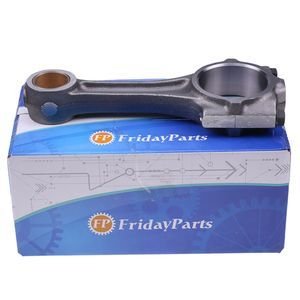
Block & Internal Parts
Engine Connecting Rod V1500 V1702DI | Scheduled Maintenance for Kubota
View Details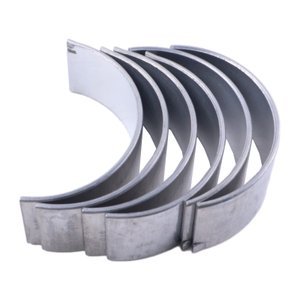
Block & Internal Parts
Connecting Rod Bearing Kit for Kubota D1803 Engine – OEM Replacement
View DetailsNeed a Custom Quote?
Our technical team responds within 24 hours. MOQ 1 piece. Ships to 120+ countries from our Guangzhou warehouse.