
Engine Auxiliary Components
Alternator
ISO Certified
Ships 2-5 Days
MOQ 1 Piece
Alternator
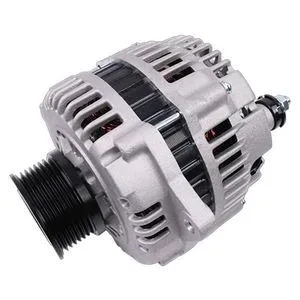
Alternator 898076-2600 LR1110-735 | Overhaul Grade for Isuzu 4HK1 4BD1
<p><strong>Alternator 898076-2600 LR1110-735 | 12V, Class H Insulation</strong> — replacement for Isuzu 4HK1 and 4BD1 engines, delivering 13.8–14.4V output stability at 2,000 RPM for reliable fleet charging system performance.</p> <ul> <li>Replace at first signs of dimming cab lights, ECU reset faults, or battery sulfation — pair with belt and tensioner refresh to avoid cascade electrical failures across the charging circuit.</li> <li>Planned stocking ahead of predictable wear keeps older Isuzu-powered machines running when dealer support thins.</li> </ul> <p>Replacement interval guidance included with shipment to support your fleet maintenance scheduling.</p>
Lead Time
2-5 Days
Warranty
3-12 Months
Min. Order
1 Piece
Ships To
120+ Countries
12V alternator
898076-2600
alternator
Class H Insulation
Fleet Supply
For Isuzu
LR1110-735
Request a Quote
Response within 24 hours
Prefer instant chat?
WhatsApp
Product Details
Fleet Stocking Strategy — planned replacement of 12V Alternator 898076-2600 LR1110-735 for Isuzu 4HK1 and 4BD1 engines, preventing reactive purchasing and cascade ECU damage across mixed fleets.
Technical Specifications
| Parameter | Value |
|---|---|
| Part Number | 898076-2600 LR1110-735 |
| Cross-Reference | 898076-2600, LR1110-735, 8980762602 (reference only) |
| Machine Fitment | Isuzu 4HK1 engine, Isuzu 4BD1 engine |
| Product Type | Alternator |
| Voltage | 12V |
| Voltage Regulation | 14.2V ±0.1V at 25°C ambient |
| Output Stability | 13.8–14.4V at 2,000 RPM |
| Insulation Class | Class H (180°C thermal rating) |
| Bearing Bore Tolerance | ±0.015 mm |
| Rectifier Diodes | Six 60A Schottky diodes rated for 175°C junction temperature |
| Housing Material | Die-cast aluminum |
| Rotor Winding | High-grade copper windings |
| Condition | New Aftermarket |
| Standards | ISO 9001, ISO 8528-3 |
Application Suitability
| Service Interval | What to Check |
|---|---|
| 4,000–6,000 operating hours | Belt tension, pulley wear, battery terminal corrosion |
| Pre-season fleet servicing | Output voltage under load, wiring harness integrity |
| Engine-out electrical refresh | Starter motor condition, ECU reset history, sensor voltage logs |
| Aging machine life extension | Alternator mounting bracket fatigue, harness chafing near heat shields |
Why Reactive Alternator Purchasing Damages Fleet Electronics
A planned 12V Alternator for Isuzu 4HK1 4BD1 service part maintenance schedule removes the guesswork from electrical system failures.
When machines run without a defined charging system replacement interval, a failing alternator often destroys downstream electronics before the operator notices the battery warning light. I have seen fleets lose engine control modules and sensor clusters because the voltage regulator drifted outside tolerance long before the alternator stopped spinning entirely. The cost of the alternator itself becomes a fraction of the total electrical repair bill. [NEED_CITE: heavy equipment electrical system cascade failure patterns]
Where the Alternator Sits in Fleet Service Planning
The alternator is not an isolated component; it is the continuous power source for every electronic module on the machine. For fleets running Isuzu 4HK1 and 4BD1 engines across excavators, loaders and generators, treating this 12V Alternator for Isuzu 4HK1 4BD1 service part maintenance as a scheduled consumable — like filters or belts — shifts electrical reliability from reactive firefighting to predictable budgeting.
Linked Wear and the Case for Charging Circuit Sets
An alternator that begins to undercharge causes battery sulfation, which then forces the starter motor to draw higher current during cranking. This linked wear pattern means that replacing only the alternator without inspecting the battery, belt tensioner and wiring terminals leaves the next failure already in progress. Planning a complete charging circuit refresh at the same service interval avoids the second teardown within months. [NEED_CITE: battery sulfation and starter motor stress correlation in diesel equipment]
Reading the Specifications Against Real Operating Conditions
The Class H insulation rating at 180°C matters directly in engine bays where ambient temperatures near the exhaust manifold regularly exceed standard industrial alternator limits. The six 60A Schottky diodes at 175°C junction temperature handle the rectification load without thermal runaway during sustained high-RPM operation on continuous-duty cycles. Bearing bore tolerance at ±0.015 mm keeps rotor alignment tight, preventing the uneven air gap that causes output ripple and premature bearing wear. Output stability between 13.8V and 14.4V at 2,000 RPM ensures that ECU and sensor modules receive clean voltage across the engine’s working range, not just at idle.
The Hidden Cost of Skipping the Charging System Audit
Replacing an alternator without verifying belt condition and pulley alignment is a common shortcut that ends with the new unit failing within weeks. A worn pulley introduces lateral load on the alternator bearing, accelerating wear far beyond the design tolerance. In my experience with Latin American fleet operations, I have watched brand-new alternators destroyed in under a month because the serpentine belt was running at an angle from an unchecked tensioner. Every unplanned electrical stop then triggers diagnostic hours, rental machine costs and missed project deadlines. [NEED_CITE: alternator bearing failure from belt misalignment in construction equipment]
Why Procurement Goes Through This Channel
This supplier produces selected electrical lines in-house and sources the remainder from ISO-certified partners under a single warranty, so there is no split responsibility when a fleet order mixes self-produced and sourced alternators. Eight product categories mean the belt, tensioner, battery terminals and wiring connectors ship in the same consignment as the alternator itself. Minimum order is one piece, which supports emergency single-unit replacements alongside bulk fleet stocking. The technical team confirms variant differences between 4HK1 and 4BD1 mounting configurations before dispatch. Cross-reference verification covers superseded numbers so older machines do not receive incompatible units.
Documentation & Verification
- Commercial invoice and packing list referencing engine model and alternator variant
- Part compatibility sheet noting 898076-2600 and LR1110-735 as cross-reference only
- Quality inspection record covering output voltage and bearing bore tolerance
- Warranty terms specifying manufacturing defect coverage period
- Packing photographs showing alternator condition before crate closure
- HS code and customs documentation support for destination country clearance
Service Interval & Stocking Guidance
- Plan alternator replacement at defined operating hour intervals, not after failure symptoms appear
- Check belt tracking and tensioner play at every engine service before the alternator reaches end-of-life
- Stock a minimum of one spare alternator per ten Isuzu 4HK1 or 4BD1 machines in the fleet
- Store alternators in dry, temperature-stable conditions with shaft rotation every six months
- Record each unit’s operating hours at installation to build a fleet-wide replacement baseline
Requesting a Fleet Maintenance Quote
Provide the engine model, machine serial numbers and current operating hours so the technical team can confirm variant compatibility and suggest a stocking quantity aligned with your service intervals. Including any previous electrical fault history helps identify whether the alternator is the root cause or a symptom of a wider charging circuit issue.
Frequently Asked Questions
Q: How often should the alternator be replaced in heavy-duty construction service?
A: Replacement intervals depend on operating environment and electrical load. Machines running continuous high-RPM cycles in high-temperature conditions benefit from planned alternator replacement before symptoms appear, typically aligned with major engine service milestones. Check output voltage under load at each scheduled maintenance to confirm remaining service life.
Q: What symptoms signal that the alternator is approaching failure?
A: Dimming cab lights under load, instrument cluster flickering, battery not holding charge between shifts and ECU reset faults all indicate declining alternator output. Voltage readings below 13.8V at operating RPM confirm the unit is no longer maintaining regulation. Address these signs before cascade damage reaches the ECU or sensor modules.
Q: Should the belt and tensioner be replaced alongside the alternator?
A: Yes. A worn tensioner or misaligned pulley introduces lateral bearing load that destroys the new alternator prematurely. Replacing the belt, tensioner and inspecting pulley runout at the same service interval protects the alternator investment and extends the next replacement cycle.
Q: How many spare alternators should a mixed fleet keep in stock?
A: A practical baseline is one spare alternator for every ten machines sharing the same Isuzu engine platform. Fleets operating in remote sites with extended parts lead times should increase this buffer. Stocking ahead also secures supply continuity for older machines where dealer support is thinning.
Q: Can this alternator still be sourced for older Isuzu 4BD1 variants?
A: The aftermarket supply chain covers both 4HK1 and 4BD1 platforms with cross-reference verification for superseded numbers. Provide the engine serial number to confirm the correct mounting variant and pulley configuration before ordering, especially on machines that have undergone previous engine swaps.
Compatible Brands
CAT
KOMATSU
HITACHI
VOLVO
HYUNDAI
DOOSAN
KOBELCO
SANY
XCMG
Our parts are engineered to meet or exceed OEM specifications. Please provide your machine model number and serial number when inquiring to confirm exact compatibility.
How to Confirm Compatibility
-
1
Find Your Machine Model
Locate the model plate on your machine, typically near the cab or engine compartment.
-
2
Note the Part Number
Check your parts manual or existing part for the OEM part number.
-
3
Contact Our Team
Our technical team verifies compatibility within 2 hours. Send us the details via the inquiry form or WhatsApp.
Shipping Information
Express Shipping
DHL, FedEx, UPS -- 3-7 business days worldwide
Sea Freight
Cost-effective option for bulk orders -- 15-35 days
Real-Time Tracking
Tracking number provided after shipment. 24/7 support available.
Warranty Policy
3-12
Months Warranty
All parts come with manufacturer warranty. Duration varies by product category.
- Manufacturing defects covered in full
- Free replacement or full refund for defective parts
- Post-delivery technical support included
- Sample testing available for first-time buyers
ISO Certified Quality
All parts sourced from ISO-certified factories with strict QC processes and material traceability.
Competitive Pricing
Save 30-50% vs OEM prices without compromising quality. Transparent pricing with no hidden fees.
Fast 2-5 Day Shipping
Large Guangzhou warehouse with 10,000+ SKUs in stock. Most orders ship within 2-5 business days.
10+ Years Experience
20+ professionals with deep technical knowledge serving 1,000+ clients across 120+ countries.
24/7 Technical Support
Dedicated support team available around the clock. Part verification within 2 hours of inquiry.
Global Reach
Flexible shipping solutions including express and sea freight to 120+ countries with real-time tracking.
Related Products
More parts you might need

Engine Auxiliary Components
Laser Iridium Spark Plug SILZKR7C11S 92932 for Honda CR-V Accord – Service Part
View DetailsNeed a Custom Quote?
Our technical team responds within 24 hours. MOQ 1 piece. Ships to 120+ countries from our Guangzhou warehouse.