
Belt Drive Systems
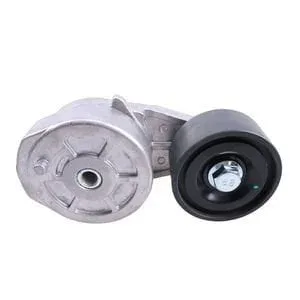
Belt Tensioner 504315786 504028028 87803067 | Service Part for New Holland T6080 T7.170
<p><strong>Belt Tensioner 504315786 504028028 87803067</strong> — replacement for New Holland T6080, T7.170 and compatible tractor, loader models, high-strength steel arm with dual-sealed pulley bearing.</p> <ul> <li>Fits engines including F4DFE6132, F4HFE613 series across TS, T6000, T7 and B-series machines</li> <li>Typical wear signs include cold-start belt chirp, arm oscillation under load and bearing noise at idle</li> <li>Replace tensioner during scheduled belt-drive service intervals to prevent secondary damage to belts and pulleys</li> </ul> <p>OEM reference numbers 504028028, 87803067 are cross-reference only. Service interval recommendations available with shipment for fleet maintenance planning.</p>
Lead Time
2-5 Days
Warranty
3-12 Months
Min. Order
1 Piece
Ships To
120+ Countries
Request a Quote
Response within 24 hours
Product Details
Fleet Stocking Plans — Replacement intervals mapped to engine hours for New Holland T7 and T6000 series belt drives, with stocking guidance based on your active fleet mix.
Technical Specifications
| Parameter | Value |
|---|---|
| Part Number | 504315786 504028028 87803067 |
| Product Type | Belt Tensioner |
| Cross-Reference | 504028028, 87803067, 2856945, 4892866, 504315781, 504315786, 534026610, 2855622, 2852161 (reference only) |
| Machine Fitment | TS115A, TS125A, TS135A, T1804B, T6080, T6090, T7.170, T7.185, T7.200, T7.210, TS6.110, TS6.120, TS6.125, TS6.140, TV6070, U80B, T6010, T6020, T6030, T6040, T6050, T6060, T6070, TS100A, B100B, B110, B115, B95, HW305, HW325 and additional models |
| Condition | New Aftermarket |
| Tensioner Arm Material | High-strength steel |
| Pulley Bearing | Dual-sealed construction |
| Engine Compatibility | F4DFE6132 B007, F4DFE613B A004, F4HFE413P A001, F4HFE613B B006, F4HFE613H B003, F4HFE613J B005, F4HFE613K B002 and additional F4DFE / F4GE variants |
| Warranty | 3–12 month warranty against manufacturing defects |
| Standards | ISO 9001 |
Application Suitability
| Service Interval | What to Check |
|---|---|
| Every 1,000 engine hours or annual service | Arm oscillation under load, belt chirp at cold start, bearing noise at idle |
| Belt replacement cycle | Pulley surface wear, bearing play, tensioner spring fatigue |
| Major engine service (overhaul or top-end refresh) | Full belt-drive system inspection including idler pulleys and belt routing |
| Pre-season fleet preparation (planting or harvest) | Belt condition, tensioner arm travel range, accessory drive alignment |
| Post-rebuild verification after previous tensioner failure | Pulley eccentricity, bracket bolt torque, accessory mounting alignment |
When a Belt Tensioner Failure Costs More Than the Part Itself
Most belt-drive breakdowns on New Holland tractors trace back to a tensioner that was already degrading long before the belt snapped.
Fleet operators typically react after a belt throws or the engine overheats in the field. By that point, the failing tensioner has often been chirping at startup and oscillating visibly under load for hundreds of hours. The secondary damage — glazed belts, worn idler pulleys, accelerated alternator bearing wear — accumulates quietly. I have walked through machine yards in Nigeria where three T7.210 units sat idle because a single belt-drive component had been swapped reactively rather than on a planned interval [NEED_CITE: planned maintenance versus reactive repair cost impact in agricultural fleets]. A Belt Tensioner service part maintenance replacement scheduled ahead of the planting season prevents these cascading failures.
Where This Tensioner Sits in the Machine Service Life
The accessory drive system on New Holland F4DFE and F4HFE engines places the belt tensioner at the front of the drive loop, maintaining correct belt tension across the alternator, water pump, and AC compressor. Over a tractor’s working life, this component cycles through thousands of tension-and-release events per hour of operation. As the internal spring weakens and the pulley bearing accumulates wear, the system loses its ability to absorb load spikes from sudden accessory engagement.
Replacing the belt tensioner as a standalone item makes sense when the belt and idler pulleys are within their own service windows. However, if the belt shows cracking or the idler pulleys have visible bearing play, a full belt-drive refresh during the same downtime window avoids a second teardown weeks later. For fleet managers running mixed T6080 and T7.170 units, aligning tensioner replacement with existing belt service intervals keeps parts consumption predictable [NEED_CITE: belt drive system service interval recommendations for heavy-duty diesel engines].
Wear Progression Signals That Precede a Belt Throw
The earliest indicator is usually a short chirp or squeal during cold starts, caused by the tensioner arm failing to apply sufficient initial clamping force on the belt. As wear advances, the arm begins to oscillate visibly when the AC compressor or hydraulic pump engages under load. In the later stages, a grinding or rumbling noise at idle points to pulley bearing degradation — the dual-sealed bearing has allowed dust or moisture ingress past its seals, common in field environments where tractors operate in fine soil dust and seasonal humidity.
I have seen machines in Kenya where operators ignored the cold-start chirp for an entire season, only to lose the belt during harvest when engine load peaked. The tensioner arm had lost most of its spring force, and the belt was slipping across the alternator pulley, reducing charging output without triggering a dashboard warning. Catching these symptoms during scheduled inspections and planning a Belt Tensioner service part maintenance replacement before field operations intensify avoids unplanned downtime during critical windows.
What the Specification Choices Mean in the Field
The high-strength steel tensioner arm is calibrated to maintain consistent belt tension across the temperature swings typical of agricultural and construction duty cycles. In tropical operating environments, ambient temperatures can shift dramatically between early morning field work and midday hauling, and the arm must compensate without over-tensioning at peak heat or going slack in cool conditions. The dual-sealed pulley bearing resists the fine particulate contamination that destroys open bearings within a single season of fieldwork [NEED_CITE: bearing seal effectiveness in high-dust agricultural environments]. These two features together determine how long the unit holds its specification before the next scheduled inspection.
The Real Cost of Reacting Instead of Planning
When a belt tensioner fails in the field, the immediate cost is the tow and the lost operating day. The hidden cost compounds across the fleet: other units running the same service interval likely have tensioners at similar wear stages, yet they continue operating until their own belts throw. I have watched contractors in West Africa burn through multiple reactive replacements per season on the same machine model because no stocking plan existed. Each emergency order carried its own freight, its own lead time, and its own secondary damage to adjacent belt-drive components. A planned Belt Tensioner service part maintenance replacement program, with stock on hand for the fleet’s most common engine variants, eliminates this cycle [NEED_CITE: total cost of unplanned downtime versus planned component replacement in fleet operations].
Why Source This Component Through Our Supply Chain
Our selected production lines and qualified sourced supply carry identical QC and warranty terms, so whether your fleet requires one unit for a single downed machine or a pallet for seasonal stocking, the quality standard is consistent. The eight product categories we cover mean that when you identify a belt-drive refresh need, associated belts, idler pulleys, and fasteners can ship in the same consignment rather than arriving from separate suppliers on mismatched timelines. Minimum order is one piece — no forced bulk purchases when you need a single emergency unit. Our Guangzhou warehouse maintains stock on high-turnover items for fast dispatch. Part identification is available from your machine model, a photograph of the worn nameplate, or the existing part number, with cross-reference verification covering superseded numbers across New Holland tractor and loader generations. A technical team is available for compatibility confirmation against your specific engine serial number.
Documentation & Verification
- Commercial invoice and packing list referencing your fleet model mix and engine serial ranges
- Belt-drive compatibility and cross-reference sheet marking all OEM numbers as reference only
- Dimensional and functional quality inspection record for each tensioner before dispatch
- Warranty terms covering manufacturing defects for 3 to 12 months
- Packing photographs confirming unit condition at point of shipment
- HS code and customs documentation support for international agricultural machinery parts clearance
Service Interval & Stocking Guidance
- Replace belt tensioners at belt-change intervals or when cold-start chirp and arm oscillation appear during routine inspection.
- Stock one tensioner per five units in active T6080, T7.170, or TS series fleet service rotation.
- Store tensioners in sealed packaging away from moisture and direct sunlight to preserve bearing grease integrity.
- Inspect pulley bearing play and arm spring tension during each scheduled service before deciding on replacement.
- Record engine hours at each tensioner installation to build a fleet-specific replacement baseline over time.
Requesting a Fleet Maintenance Quote
Provide your active machine models, engine serial numbers, and current engine hour readings so we can confirm compatibility across your fleet and recommend stocking quantities aligned with your service calendar. If nameplates are worn or painted over, a photograph of the existing tensioner or belt routing layout is sufficient for identification.
Frequently Asked Questions
Q: How often should the belt tensioner be replaced on New Holland tractors?
A: Replacement timing depends on operating hours and environment. In dusty field conditions, inspect the tensioner arm and pulley bearing at every belt-change interval. If the arm oscillates under load or the bearing shows play, replace immediately. For mixed fleets of T6080 and T7 series units, aligning tensioner service with existing belt replacement cycles keeps maintenance predictable.
Q: What symptoms indicate the tensioner is failing before the belt breaks?
A: Early signs include a chirp or squeal during cold starts, visible arm oscillation when accessories engage under load, and a grinding noise from the pulley bearing at idle. These symptoms progress over hundreds of hours, giving a window for planned replacement before a belt failure occurs in the field.
Q: Should I replace the drive belt at the same time as the tensioner?
A: If the belt shows cracking, glazing, or has exceeded its own service interval, replace both during the same downtime window. A new tensioner on a worn belt still leaves the drive system vulnerable. Coordinating both replacements avoids a second teardown and keeps fleet maintenance scheduling efficient.
Q: How many tensioners should I stock for a mixed fleet of T6080 and T7 series tractors?
A: A practical starting point is one tensioner per five active units sharing the same F4DFE or F4HFE engine family. Adjust based on your observed failure history and seasonal workload peaks. Stocking ahead of planting or harvest seasons prevents emergency orders during critical operating windows.
Q: Are replacement tensioners still available for older TS and TV series models?
A: Yes, this tensioner covers compatibility with TS115A, TS125A, TS135A, TS6.110 through TS6.140, TV6070, and several other legacy New Holland models. Cross-reference verification against your specific engine serial ensures correct fitment even where dealer support on accessory drive parts has thinned.
Compatible Brands
Our parts are engineered to meet or exceed OEM specifications. Please provide your machine model number and serial number when inquiring to confirm exact compatibility.
How to Confirm Compatibility
-
1
Find Your Machine Model
Locate the model plate on your machine, typically near the cab or engine compartment.
-
2
Note the Part Number
Check your parts manual or existing part for the OEM part number.
-
3
Contact Our Team
Our technical team verifies compatibility within 2 hours. Send us the details via the inquiry form or WhatsApp.
Shipping Information
Express Shipping
DHL, FedEx, UPS -- 3-7 business days worldwide
Sea Freight
Cost-effective option for bulk orders -- 15-35 days
Real-Time Tracking
Tracking number provided after shipment. 24/7 support available.
Warranty Policy
All parts come with manufacturer warranty. Duration varies by product category.
- Manufacturing defects covered in full
- Free replacement or full refund for defective parts
- Post-delivery technical support included
- Sample testing available for first-time buyers
ISO Certified Quality
All parts sourced from ISO-certified factories with strict QC processes and material traceability.
Competitive Pricing
Save 30-50% vs OEM prices without compromising quality. Transparent pricing with no hidden fees.
Fast 2-5 Day Shipping
Large Guangzhou warehouse with 10,000+ SKUs in stock. Most orders ship within 2-5 business days.
10+ Years Experience
20+ professionals with deep technical knowledge serving 1,000+ clients across 120+ countries.
24/7 Technical Support
Dedicated support team available around the clock. Part verification within 2 hours of inquiry.
Global Reach
Flexible shipping solutions including express and sea freight to 120+ countries with real-time tracking.
Related Products
More parts you might need


Need a Custom Quote?
Our technical team responds within 24 hours. MOQ 1 piece. Ships to 120+ countries from our Guangzhou warehouse.