
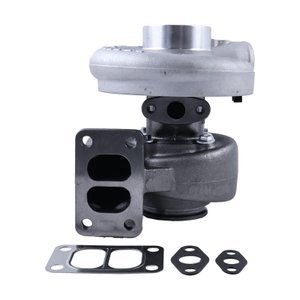
Emission & Exhaust System
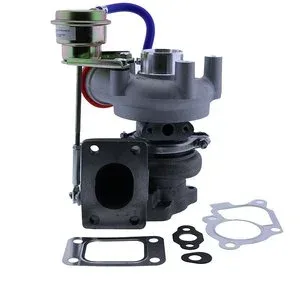
Emission & Exhaust System
ISO Certified
Ships 2-5 Days
MOQ 1 Piece
Emission & Exhaust System
Caterpillar CAT C3.3B-Compatible Turbocharger – Fleet Supply
<p><strong>436-1920 Turbocharger TD04L4 for CAT C3.3B</strong> — replacement for 259D, 289D, 308.5 and 20+ skid steer and compact equipment models.</p> <ul> <li>Boost loss, oil consumption rise, or whining noise typically signal approaching end-of-service</li> <li>Schedule inspection at planned maintenance windows to prevent unplanned downtime</li> <li>Nickel-chromium turbine wheel rated to 850°C exhaust inlet temperature</li> </ul> <p>Planned replacement intervals provided with shipment to support fleet maintenance scheduling.</p>
Lead Time
2-5 Days
Warranty
3-12 Months
Min. Order
1 Piece
Ships To
120+ Countries
436-1920
CAT C3.3B
CAT Compatible
Service Part
TD04L4 Turbo
turbocharger
Request a Quote
Response within 24 hours
Prefer instant chat?
WhatsApp
Product Details
Fleet Stocking Strategy — Planning the TD04L4 turbocharger into your C3.3B maintenance schedule prevents reactive purchasing and keeps continuous-duty machines running without waiting for emergency shipments.
Technical Specifications
| Parameter | Value |
|---|---|
| Part Number | 436-1920 |
| Product Type | Turbocharger |
| Cross-Reference | 436-1920, CA436-192, 436-192, 436192 (reference only) |
| Machine Fitment | 236D, 236D3, 242D, 242D3, 246D, 246D3, 257D, 257D3, 259D, 259D3, 262D, 262D3, 277D, 279D, 279D3, 287D, 289D, 289D3, 308, 308.5, 308E2 CR, 308E2 SR, 309, 310, AP300F, AP355F, 906M, 907M, 908M |
| Turbo Model | TD04L4, TD04L4-09TK3-5.0 |
| Engine Fitment | CAT C3.3B |
| Turbine Wheel Material | Nickel-chromium alloy |
| Max Exhaust Gas Inlet Temperature | 850°C |
| Shaft Surface Finish | Ra ≤ 0.2 μm |
| Oil Clearance | 0.035–0.042 mm |
| Compressor Housing Material | A380 aluminum |
| Compressor Housing Dimensional Tolerance | ±0.15 mm |
| Gasket Material | Fluorosilicone elastomer |
| Gasket Temperature Range | -40°C to +230°C |
| Condition | New Aftermarket |
| Warranty | 6 months against manufacturing defects |
| MOQ | 1 piece |
| Standards | ISO 9001 |
Application Suitability
| Service Interval | What to Check |
|---|---|
| 2,000–3,000 hours | Inspect shaft play, compressor wheel edge wear, and boost pressure trend on C3.3B engines in skid steers and compact excavators |
| 4,000–5,000 hours | Check oil feed line restriction, wastegate actuator function, and manifold gasket integrity before turbo replacement |
| Annual fleet audit | Review turbo consumption rates across 259D, 242D, 289D units operating in high-dust environments to forecast next-year stocking |
| Pre-deployment check | Verify turbo condition on rental 308.5 and 310 machines returning from site before re-deploying to avoid field callbacks |
| End-of-life extension | Source reliable aftermarket TD04L4 service parts for older 236D and 246D models past the dealer support window |
Why Turbo Failures Still Cause Unplanned Downtime in Fleet Operations
Most turbo failures develop over weeks, yet machines sit idle because the replacement part was never stocked.
In mining and construction sites across Southeast Asia, I have watched C3.3B-powered equipment lose boost pressure gradually — operators report whining noises, increased oil consumption, and reduced power long before the turbo seizes. Without a TD04L4 Turbocharger service part for CAT C3.3B maintenance on the shelf, the machine waits for emergency delivery while the crew stands by. [NEED_CITE: preventive maintenance scheduling for turbocharged diesel engines in continuous-duty applications]
The pattern repeats: fleet managers treat turbochargers as unpredictable failures rather than scheduled service events. Machines accumulating high hours in abrasive environments consume turbos at intervals that can be forecasted, yet reactive purchasing remains the default. This approach guarantees premium freight costs and extended downtime.
Positioning the Turbocharger in the C3.3B Service Lifecycle
The TD04L4 sits at a critical junction in the engine’s air management system. Journal bearing wear and compressor wheel erosion reduce boost pressure incrementally — monitoring intake manifold pressure trends flags the need for replacement before catastrophic failure damages downstream components. A TD04L4 Turbocharger service part for CAT C3.3B maintenance belongs in your planned service window, not in an emergency parts call.
Fleet operators running multiple 259D, 242D, or 289D units benefit from scheduling turbo inspection and replacement across the fleet during coordinated service intervals, rather than responding to individual failures as they occur.
Wear Progression and Adjacent Component Linkage
Turbocharger wear rarely happens in isolation. A failing TD04L4 often signals oil supply issues — restricted feed lines, clogged drain passages, or crankcase breather problems that accelerate bearing wear. When you replace the turbo, inspect the full intake and exhaust path: manifold gasket condition, wastegate function, air filter restriction, and oil line integrity all affect the new unit’s service life. [NEED_CITE: turbocharger failure root cause analysis for industrial diesel applications]
Machines operating in demolition, quarrying, or port environments with high particulate exposure show predictable compressor wheel erosion patterns. Advance stocking eliminates the reactive purchasing premium and keeps the machine working through its scheduled service window rather than waiting for parts arrival.
Engineering Parameters That Define Service Life
The nickel-chromium alloy turbine wheel withstands exhaust gas temperatures up to 850°C, maintaining structural integrity under continuous high-load operation typical in compact excavators and skid steer loaders. Shaft surface finish at Ra ≤ 0.2 μm ensures proper oil film formation in the journal bearings — rougher finishes accelerate wear and reduce the interval between rebuilds.
Oil clearance between 0.035 and 0.042 mm balances lubrication flow with sealing effectiveness. Tighter clearances restrict oil supply under high-temperature conditions; looser clearances increase oil consumption and carbon buildup. The A380 aluminum compressor housing maintains dimensional tolerance within ±0.15 mm across the operating temperature range, preserving compressor efficiency and boost pressure consistency. Fluorosilicone elastomer gaskets seal the oil and coolant interfaces across -40°C to +230°C, preventing leaks that would contaminate the intake tract or starve the bearings.
The Hidden Cost of Reactive Turbo Purchasing
When you buy turbochargers only after failure, you pay twice: once for emergency freight, and again for the cascading damage a seized turbo inflicts on the engine. Journal bearing failure sends metal particles through the oil system; compressor wheel disintegration damages the intercooler and intake valves. Machines that could have returned to service in a planned half-day swap instead require multi-day engine teardowns. [NEED_CITE: cost impact of unplanned downtime versus scheduled component replacement in fleet operations]
Fleet managers who stock TD04L4 units based on accumulated hour trends avoid these compounding losses and keep maintenance budgets predictable.
Why Source This Turbocharger Through XUNPO
XUNPO produces selected turbocharger lines in-house and sources the remainder from qualified ISO-certified partners, so both carry the same six-month warranty against manufacturing defects. Eight product categories mean your turbo order consolidates with gaskets, oil lines, filters, and adjacent service parts under one account and one shipment.
Minimum order starts at one piece for emergency replacements, but fleet operators stocking for predictable consumption benefit from consolidated dispatch that eliminates split freight charges. Part identification works from the existing part number, machine model, or a photograph of the nameplate when the original label is worn or painted over. Cross-reference verification covers superseded numbers and alternate references, ensuring the TD04L4 variant you receive matches your specific C3.3B engine serial range.
Documentation & Verification
- Commercial invoice lists TD04L4 turbocharger with full machine compatibility statement
- Cross-reference sheet shows 436-1920 and alternate numbers marked reference only
- Quality inspection record documents oil clearance, shaft finish, and housing dimensions
- Warranty terms cover manufacturing defects for six months from shipment date
- Packing photographs confirm protective packaging before dispatch
- HS code and customs documentation support included for international clearance
Service Interval & Stocking Guidance
- Inspect turbo shaft play and boost pressure every 2,000 hours on C3.3B engines in high-dust environments
- Monitor oil consumption trends — gradual increase over 500 hours signals bearing wear progression
- Stock one TD04L4 unit per ten machines operating in abrasive conditions for predictable replacement cycles
- Store turbochargers in original packaging, upright orientation, in dry conditions below 40°C ambient
- Replace turbo at 4,000–5,000 hours or when boost pressure drops noticeably below specification
- Check oil feed and drain lines, air filter, and crankcase breather at every turbo service event
Requesting a Quotation for Fleet Supply
Provide your machine models, engine serial numbers, and current operating hours to receive stocking recommendations aligned with your maintenance schedule. For fleet-level planning, share your annual turbo consumption history across C3.3B-powered units so we can forecast optimal order quantities and consolidation opportunities. Specify whether you need the turbocharger alone or a complete service kit including gaskets and oil lines.
Frequently Asked Questions
Q: What operating hours should trigger a turbo inspection on a C3.3B engine?
A: Begin monitoring boost pressure and shaft play at 2,000 hours, with more frequent checks in high-dust environments. Most TD04L4 units show measurable wear progression between 3,000 and 5,000 hours depending on operating conditions. Tracking intake manifold pressure trends across your fleet helps establish replacement intervals specific to your site conditions rather than relying on generic hour recommendations.
Q: What symptoms indicate the turbo is approaching end-of-service rather than just needing a clean?
A: Gradual boost pressure loss over several hundred hours, increased oil consumption without external leaks, and high-frequency whining that intensifies under load all point to bearing wear or compressor wheel erosion. A simple cleaning addresses carbon buildup but will not restore worn journal bearings or eroded compressor edges. These symptoms warrant replacement planning rather than temporary corrective action.
Q: Should I replace the turbo alone or inspect the full intake and oil supply system at the same time?
A: Always inspect the complete system. Restricted oil feed lines, clogged drain passages, worn manifold gaskets, and air filter restriction all contributed to the original turbo’s failure. Installing a new TD04L4 without addressing these root causes guarantees premature failure of the replacement unit. Budget time for full system inspection during your planned service window.
Q: How many units should a fleet of 10+ machines stock for predictable consumption?
A: Stocking one turbocharger per ten machines operating in abrasive environments provides reasonable coverage for predictable failures. Review your actual consumption history over the past year — machines in demolition or quarrying may consume turbos faster than those in general construction. Adjust stocking levels based on observed replacement intervals rather than generic fleet averages.
Q: Can I still source this part for older 236D or 308 machines that are no longer in the dealer catalog?
A: Yes. XUNPO supplies TD04L4 turbochargers as aftermarket service parts for C3.3B engines across the full machine compatibility range, including older models past the OEM dealer support window. Cross-reference verification confirms the correct variant for your specific engine serial number, and the six-month warranty applies regardless of machine age or model year.
Compatible Brands
CAT
KOMATSU
HITACHI
VOLVO
HYUNDAI
DOOSAN
KOBELCO
SANY
XCMG
Our parts are engineered to meet or exceed OEM specifications. Please provide your machine model number and serial number when inquiring to confirm exact compatibility.
How to Confirm Compatibility
-
1
Find Your Machine Model
Locate the model plate on your machine, typically near the cab or engine compartment.
-
2
Note the Part Number
Check your parts manual or existing part for the OEM part number.
-
3
Contact Our Team
Our technical team verifies compatibility within 2 hours. Send us the details via the inquiry form or WhatsApp.
Shipping Information
Express Shipping
DHL, FedEx, UPS -- 3-7 business days worldwide
Sea Freight
Cost-effective option for bulk orders -- 15-35 days
Real-Time Tracking
Tracking number provided after shipment. 24/7 support available.
Warranty Policy
3-12
Months Warranty
All parts come with manufacturer warranty. Duration varies by product category.
- Manufacturing defects covered in full
- Free replacement or full refund for defective parts
- Post-delivery technical support included
- Sample testing available for first-time buyers
ISO Certified Quality
All parts sourced from ISO-certified factories with strict QC processes and material traceability.
Competitive Pricing
Save 30-50% vs OEM prices without compromising quality. Transparent pricing with no hidden fees.
Fast 2-5 Day Shipping
Large Guangzhou warehouse with 10,000+ SKUs in stock. Most orders ship within 2-5 business days.
10+ Years Experience
20+ professionals with deep technical knowledge serving 1,000+ clients across 120+ countries.
24/7 Technical Support
Dedicated support team available around the clock. Part verification within 2 hours of inquiry.
Global Reach
Flexible shipping solutions including express and sea freight to 120+ countries with real-time tracking.
Related Products
More parts you might need
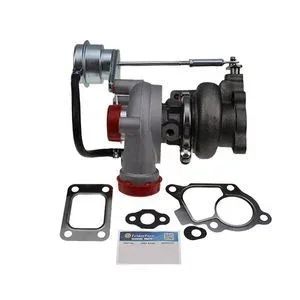
Emission & Exhaust System
TD04L4 Turbo 7008469 Replacement for Bobcat S630 Fleet Supply
View Details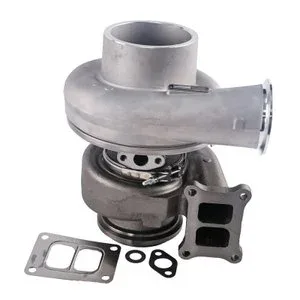
Emission & Exhaust System
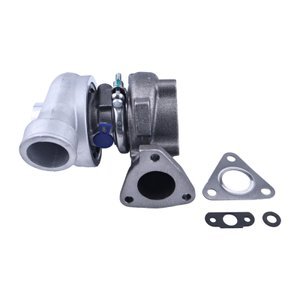
TD04L Turbocharger for Deutz BF4L2011/BF4M2011 – Direct Replacement for Gehl 5640/6640
View DetailsNeed a Custom Quote?
Our technical team responds within 24 hours. MOQ 1 piece. Ships to 120+ countries from our Guangzhou warehouse.