

Block & Internal Parts
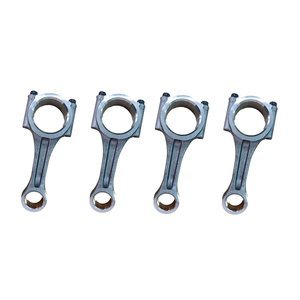
Connecting Rod 17311-22014 for Kubota D1703 – Overhaul Grade51
<p><strong>Connecting Rod 17311-22014, Forged 40Cr Steel, Bore Concentricity ±0.01 mm</strong> — replacement for Kubota D1703, V2203 and related engine platforms across KX, U, R series excavators and L/M series tractors.</p> <ul> <li>Replacing this rod typically coincides with predictable bottom-end service intervals; inspect for bearing clearance growth, bolt stretch, and cap alignment wear as hour thresholds approach</li> <li>Superseded references 17311-22012, 17311-22013, 17331-22010 covered under one cross-reference chain, supporting consolidated stocking across older and newer machine generations</li> <li>Plan matched piston assemblies, bearing shells, and gasket kits within the same overhaul cycle to avoid split procurement</li> </ul> <p>Older Kubota platforms remain continuously supported with verified compatibility documentation provided per shipment.</p>
Lead Time
2-5 Days
Warranty
3-12 Months
Min. Order
1 Piece
Ships To
120+ Countries
Request a Quote
Response within 24 hours
Product Details
Fleet Stocking Strategy — replacement connecting rods for Kubota D1703 and V2203 platforms kept in rotating inventory so scheduled overhauls never stall waiting on parts procurement.
Technical Specifications
| Parameter | Value |
|---|---|
| Part Number | 17311-22014 |
| Product Type | Connecting Rod |
| Cross-Reference (reference only) | 17311-22012, 17311-22013, 17331-22010, 1731122014, 1731122012, 1731122013, 1733122010 |
| Machine Fitment | KX121-2, KX121-3, KX161-3, KX91-3, U35, U45S, R420, R510, R520, L2650DT, L3450DT, L4240DT, L4740GST, M5400DT, MX5000SU and related Kubota series |
| Engine Compatibility | Kubota D1403, D1703, D1803, V1903, V2003, V2203 |
| Material | Forged 40Cr steel |
| Surface Treatment | Shot-peened with anti-corrosion phosphate coating |
| Bore Concentricity | ±0.01 mm |
| Cap-to-Rod Alignment Tolerance | ≤0.02 mm |
| Surface Hardness | HRC 38–42 |
| Tensile Strength | ≥980 MPa |
| Assembly State | New Aftermarket |
| Warranty | 3–12 months against manufacturing defects |
| MOQ | 1 piece |
| Standards | ISO 9001, ISO 6892-1 |
Application Suitability
| Service Interval | What to Check |
|---|---|
| Mid-life overhaul (KX, U, R series excavators) | Crankshaft journal wear, bearing clearance, piston pin bore condition before rod reuse decision |
| Scheduled bottom-end service (L, M series tractors) | Rod bolt stretch history, cap mating surface fretting, big-end bore out-of-round measurement |
| Continuous-duty generator fleet (SQ, KJ, GV series) | Cumulative operating hours, oil analysis trends indicating bearing degradation, rod weight grading |
| Aging platform lifecycle support | Superseded number cross-reference verification, variant confirmation across mixed-year fleets |
Connecting Rod Service Part Maintenance Across Mixed Kubota Fleets
A single base number spans multiple generations, but variant differences determine whether the rod actually fits your engine build.
Fleet operators managing both older KX-series excavators and newer L-series tractors frequently encounter a frustrating scenario mid-overhaul: the connecting rod on the shelf carries the correct base number yet belongs to a variant that does not match the specific engine serial range sitting on the bench. I have seen maintenance teams in Shandong lose an entire week because a single rod variant mismatch forced a second procurement cycle while the machine sat idle. The superseded numbers — 17311-22012, 17311-22013, 17331-22010 — all trace back to this platform, but confirming which applies to your exact build requires verification, not assumption [NEED_CITE: Kubota engine serial range variant identification practices for bottom-end components].
Where This Rod Sits in the Machine Service Life
Every connecting rod in a Kubota D1703 or V2203 engine endures millions of load cycles before its first scheduled inspection. The connecting rod service part maintenance decision does not arise from sudden failure — it surfaces during planned overhauls when measured clearances fall outside specification. For excavator fleets working high-cycle trenching duties and generator sets running continuous load, the rod replacement window typically aligns with crankshaft regrinding or piston assembly renewal.
Recognizing Wear Progression Before Catastrophic Failure
Rod bearing clearance growth, detectable through oil analysis and knock signature monitoring, signals that the connecting rod big-end bore may have drifted beyond tolerance. When crankshaft journals show measurable wear, replacing only the bearing shells without evaluating the rod bore concentrates load on a narrowed contact patch. In my experience with V1903 engines pulled from quarry loaders, the rod itself often carries reusable life — but only if the cap-to-rod alignment and bore concentricity still fall within the ±0.01 mm and ≤0.02 mm windows that maintain proper oil film geometry [NEED_CITE: connecting rod bore concentricity influence on hydrodynamic bearing film stability].
Why Material and Tolerance Matter for Planned Overhauls
Forged 40Cr steel provides the fatigue resistance necessary for the tension-compression reversal that occurs thousands of times per minute under full-load excavation or continuous generator operation. The shot-peened fillet transitions at the big-end and small-end junctions resist crack initiation precisely where cyclic stress concentrates. Surface hardness in the HRC 38–42 range balances tensile strength with enough ductility to absorb shock loads from cylinder misfires or sudden load dumps. The phosphate anti-corrosion coating matters less during operation and more during storage — fleet spare inventories sitting on shelves for months need protection against humidity-induced surface pitting that would compromise the bearing interface upon installation.
The Cost of Reactive Procurement and Partial Replacement
When a fleet buys connecting rods only after an engine has already failed, the procurement timeline adds directly to machine downtime. Worse, replacing a single rod in an engine where the other three have accumulated matching wear creates an imbalance in reciprocating mass and bearing load distribution. I have watched a Kubota D1703 in a Shandong repair shop go back together with one new rod and three originals — the engine lasted a few hundred hours before the adjacent rod bearing failed from redistributed loading. A planned approach that evaluates the entire piston-rod-bearing assembly as a matched set avoids the repeat teardown that costs far more than the parts themselves [NEED_CITE: reciprocating mass balance requirements in multi-cylinder diesel engine overhauls].
Why Source This Connecting Rod Here
Our own production lines and qualified sourced supply operate under one account and one warranty, so whether the rod ships from our facility or a partner plant, the QC and coverage remain identical. Eight product categories mean your piston assemblies, bearing shells, gasket kits, and rod bolts consolidate into a single consignment rather than arriving from separate suppliers on mismatched timelines. One-piece minimum order quantity accommodates the emergency single-rod replacement as readily as the full fleet overhaul. Guangzhou warehouse stock on common Kubota platform items supports fast dispatch when the maintenance window is narrow. Part identification from engine serial number, machine model, or even a worn nameplate photograph ensures the correct variant ships. Cross-reference verification covers all superseded and alternate numbers across older and newer machine generations, eliminating the variant mismatch that stalls mid-overhaul.
Documentation & Verification
- Commercial invoice and packing list referencing engine platform and rod variant
- Compatibility and cross-reference sheet marking 17311-22012, 17311-22013, 17331-22010 as reference only
- Dimensional inspection record covering bore concentricity and cap alignment tolerances
- Warranty terms specifying coverage period against manufacturing defects
- Packing photographs showing phosphate-coated rods protected for transit and storage
- HS code and customs documentation support for cross-border fleet supply
Service Interval & Stocking Guidance
- Inspect connecting rod big-end bore and cap mating surface at every scheduled bottom-end overhaul
- Stock matched sets aligned to fleet engine serial ranges rather than a single base number
- Monitor oil analysis for bearing material traces that signal rod bore drift before visible symptoms appear
- Store spare rods in original phosphate-coated condition, away from humidity, until installation day
- Rotate inventory so older stock enters service first, preserving coating integrity across the shelf life
- Record rod weight grading during overhaul to maintain reciprocating balance across cylinder positions
Planning Your Next Overhaul Procurement
Share your fleet composition — machine models, engine serial numbers, and current operating hours — so we can map the correct connecting rod variant to each platform and align bearing, piston, and gasket supply to the same overhaul window. For aging Kubota generators or tractors approaching end of brand dealer support, we can confirm long-term supply continuity across superseded part numbers.
Frequently Asked Questions
Q: What operating hours typically trigger connecting rod inspection on Kubota D1703 and V2203 engines?
A: Inspection usually aligns with the scheduled bottom-end overhaul window, which varies by duty cycle. Continuous-duty generator sets and high-cycle excavators reach this point sooner than lightly loaded tractors. Oil analysis trends showing bearing material and knock signature changes provide earlier indicators than hour count alone. Always measure bore concentricity and cap alignment before deciding on reuse or replacement.
Q: Should I replace the connecting rod alone or exchange the full piston-rod-bearing assembly?
A: Replacing only the rod ignores accumulated wear on the piston pin bore, bearing shells, and crankshaft journal that interact directly with rod geometry. When crankshaft regrinding is part of the overhaul, matched piston and bearing sets sized to the new journal dimensions ensure proper clearance distribution. Partial replacement often leads to repeat teardown within a few hundred hours.
Q: How do I stock connecting rods for a mixed fleet spanning older and newer Kubota models?
A: Verify which superseded numbers — 17311-22012, 17311-22013, 17331-22010 — apply to each engine serial range in your fleet before placing a consolidated order. A single base number may cover multiple variants that are not interchangeable across all builds. Maintaining a cross-reference sheet matched to your specific machines prevents procurement errors during urgent overhauls.
Q: What adjacent components must be replaced alongside the connecting rod during an overhaul?
A: Rod bearing shells, rod bolts, piston pin bushings, and the piston assembly itself typically enter service as a matched set. Reusing old bolts that have experienced stretch cycles risks clamp load loss. Gasket kits covering the block, head, and oil pan complete the job. Sourcing all items together avoids split shipments that delay the rebuild.
Q: Can this connecting rod continue to be supplied for aging Kubota platforms past brand dealer support?
A: Yes. The aftermarket supply chain for Kubota D1703, V2203, and related platforms remains active because these engines power equipment still in widespread service across construction, agriculture, and power generation. Cross-reference verification ensures correct variant supply even as original equipment channels thin out for older machine generations.
Compatible Brands
Our parts are engineered to meet or exceed OEM specifications. Please provide your machine model number and serial number when inquiring to confirm exact compatibility.
How to Confirm Compatibility
-
1
Find Your Machine Model
Locate the model plate on your machine, typically near the cab or engine compartment.
-
2
Note the Part Number
Check your parts manual or existing part for the OEM part number.
-
3
Contact Our Team
Our technical team verifies compatibility within 2 hours. Send us the details via the inquiry form or WhatsApp.
Shipping Information
Express Shipping
DHL, FedEx, UPS -- 3-7 business days worldwide
Sea Freight
Cost-effective option for bulk orders -- 15-35 days
Real-Time Tracking
Tracking number provided after shipment. 24/7 support available.
Warranty Policy
All parts come with manufacturer warranty. Duration varies by product category.
- Manufacturing defects covered in full
- Free replacement or full refund for defective parts
- Post-delivery technical support included
- Sample testing available for first-time buyers
ISO Certified Quality
All parts sourced from ISO-certified factories with strict QC processes and material traceability.
Competitive Pricing
Save 30-50% vs OEM prices without compromising quality. Transparent pricing with no hidden fees.
Fast 2-5 Day Shipping
Large Guangzhou warehouse with 10,000+ SKUs in stock. Most orders ship within 2-5 business days.
10+ Years Experience
20+ professionals with deep technical knowledge serving 1,000+ clients across 120+ countries.
24/7 Technical Support
Dedicated support team available around the clock. Part verification within 2 hours of inquiry.
Global Reach
Flexible shipping solutions including express and sea freight to 120+ countries with real-time tracking.
Related Products
More parts you might need


Block & Internal Parts
Connecting Rod 7031360 for Bobcat E42–E85 & Doosan D24 Engine Replacement
View Details
Block & Internal Parts
Rocker Lever 4059353 for Cummins X15 ISX – Scheduled Maintenance
View DetailsNeed a Custom Quote?
Our technical team responds within 24 hours. MOQ 1 piece. Ships to 120+ countries from our Guangzhou warehouse.