

Cylinder Components
Cylinder Liner 3904166 for Cummins 4B3.9 6B5.9 – Service Part
<p><strong>Cylinder Liner 3904166 for Cummins 4B3.9, 6B5.9, ISB & QSB Series</strong> — replacement for OEM cross-reference 3904166, DS-3904166, new aftermarket condition with 3-12 month warranty.</p> <ul> <li>Replace liners at scheduled overhaul intervals or when coolant contamination and compression loss signal advanced bore wear; inspect piston assemblies, ring packs, and rod bearings during the same teardown to decide between single-component service or full overhaul kit renewal.</li> <li>Aging Cummins B-series platforms remain supported with long-term aftermarket supply commitment.</li> </ul>
Lead Time
2-5 Days
Warranty
3-12 Months
Min. Order
1 Piece
Ships To
120+ Countries
Request a Quote
Response within 24 hours
Product Details
Fleet Stocking Strategy — Cummins B-series cylinder liner 3904166 supported across multiple model variants for predictable maintenance planning and consolidated procurement.
Technical Specifications
| Parameter | Value |
|---|---|
| Part Number | 3904166 |
| Product Type | Cylinder Liner |
| Cross-Reference | 3904166, DS-3904166, DS-3904166OS, DS3904166OS, DS3904166 (reference only) |
| Machine Fitment | Cummins 4B3.9, 6B5.9, B3.3, B3.9-V110, B5.9 G, B5.9 GAS PLUS CM556, B5.9 LPG PLUS CM556, B5.9-C, B5.9-M330, G5.9, G5.9 CM558, ISB, ISB CM2150, ISB CM550, ISB CM850, ISB5.9G CM2180, ISB6.7 CM2250, ISB6.7 CM2350 B101, ISBE CM800, ISBE4 CM850, QSB3.9 30 CM550, QSB4.5 30 CM550, QSB4.5 CM850(CM2850), QSB5.9 30 CM550, QSB5.9 44 CM550, QSB5.9 CM550, QSB5.9 CM850, QSB5.9480H0, QSB5.9G, QSB6.7 CM2250, QSB6.7 CM850(CM2850) |
| Condition | New Aftermarket |
| Warranty | 3-12 months against manufacturing defects |
| Manufacturing Standard | ISO-certified manufacturing |
| Application Environment | High-stress construction, mining, and industrial machinery in dusty or humid conditions |
Application Suitability
| Service Interval | What to Check |
|---|---|
| Mid-life overhaul (typically 8,000–12,000 operating hours) | Piston ring wear, connecting rod bearing clearance, and cylinder head gasket condition |
| Coolant contamination event | Block deck flatness, piston skirt scuffing, and oil cooler integrity |
| Compression loss diagnosis | Valve seat recession, injector sleeve seal condition, and ring land carbon buildup |
| Planned fleet rotation maintenance | Stocking levels for matched piston and ring sets alongside liners |
Why Cummins B-Series Fleets End Up with Repeated Liner Failures
A cylinder liner replacement done in isolation almost always leads to a second teardown within months.
In the Shandong equipment manufacturing belt, I have walked through too many workshops where a fleet manager authorized a single cylinder liner swap to save on the immediate repair budget. The machine returned to the site, and the adjacent worn components—piston skirts, ring packs, rod bearings—continued their degradation cycle against the fresh liner surface. The result is a repeat failure that costs the fleet far more in cumulative downtime than a coordinated overhaul would have. A Cylinder Liner maintenance service part only delivers its full service life when the surrounding wear pattern is addressed simultaneously. [NEED_CITE: cylinder bore wear progression and correlated piston assembly degradation in medium-duty diesel engines]
Where the Liner Sits in the Engine Service Life
Replacing a cylinder liner is not routine consumable maintenance; it marks a significant milestone in a Cummins 4B3.9 or 6B5.9 engine’s operational lifecycle. Liners typically reach their wear limit after multiple injection cycles have eroded the honed surface finish, allowing blow-by gases to contaminate the crankcase oil. Recognizing this milestone early—through oil analysis showing elevated iron content or compression tests revealing inter-cylinder variation—lets fleet planners schedule the overhaul during a planned equipment rotation rather than reacting to a field failure.
Wear Indicators That Signal Liner Replacement Timing
Fleet maintenance teams monitoring Cummins ISB and QSB series engines should track several correlated indicators before a liner reaches critical wear. Coolant consumption without visible external leaks often points to liner flange seal degradation or micro-cracking near the support shoulder. Increased oil consumption, especially when paired with blue exhaust smoke under load, suggests the honed crosshatch pattern has polished smooth, allowing oil to pass the rings into the combustion chamber. Compression testing across all cylinders revealing more than a marginal variation between adjacent bores is a reliable trigger for scheduled liner service. Addressing these signs during a planned maintenance window avoids the cascading damage that occurs when a liner is run to failure. [NEED_CITE: diesel engine cylinder liner wear measurement and replacement threshold guidelines]
Bore Dimensions, Material Properties, and Surface Finish
The 3904166 liner is manufactured to match the original bore dimensions and interference fit specifications required by the Cummins B-series block. The centrifugally cast iron composition provides the necessary thermal stability to withstand repeated combustion heat cycles without distortion. The interior surface receives a precision hone that establishes the crosshatch pattern essential for oil retention and initial ring seating. This surface finish directly influences how quickly piston rings conform to the bore and achieve proper sealing. A liner that meets dimensional tolerances but lacks the correct surface finish will exhibit delayed ring seating and elevated oil consumption during the critical break-in period.
The Real Cost of Reactive Liner Procurement
Fleets that treat cylinder liner replacement as an emergency purchase rather than a planned event absorb hidden costs that compound over time. Emergency procurement forces buyers to accept whatever variant is immediately available, which may not match the specific engine build configuration. The machine sits idle while cross-references are verified and freight is arranged. Then, because only the liner was ordered, the teardown reveals that the pistons and rings also need replacement—triggering a second procurement cycle and additional downtime. Over a fleet of ten or twenty machines running Cummins B-series power, this pattern produces a measurable drag on equipment availability that planned stocking eliminates entirely. [NEED_CITE: total cost of unplanned versus planned engine overhaul events in fleet operations]
Why Fleet Operators Source This Liner Through Our Account
Our production and sourcing arrangement covers selected cylinder component lines under unified quality control and warranty terms, so whether a liner comes from our own facility or a qualified partner, the specification and guarantee remain consistent. Eight product categories sit under one account, meaning a complete overhaul list—liners, pistons, rings, bearings, gaskets, seal kits—ships as a single consignment rather than fragmented deliveries. We hold inventory in Guangzhou for common B-series variants, and we can identify the correct liner from an engine serial number, a photograph of the nameplate, or even a description of the machine model when the plate is unreadable. Cross-reference verification covers superseded numbers and alternate designations, reducing the risk of receiving a dimensionally similar but incorrect variant. Sample supply is available for fitment confirmation before a fleet commits to bulk quantities.
Documentation & Verification
- Commercial invoice and packing list itemizing each liner by engine model and serial range
- Part compatibility and cross-reference sheet for 3904166 and superseded designations (reference only)
- Dimensional inspection record confirming bore diameter, flange thickness, and overall length
- Warranty terms document specifying coverage period against manufacturing defects
- Packing photographs showing protective packaging and crate configuration before dispatch
- HS code and customs documentation support for international shipment clearance
Service Interval & Stocking Guidance
- Inspect liner bore condition during any cylinder head removal on Cummins B-series engines to assess wear progression
- Stock matched liner-piston-ring sets for the most common engine variants in your fleet rather than individual liners
- Maintain a minimum of one complete overhaul kit per five machines running the same Cummins powerplant
- Store liners vertically in original protective packaging to prevent flange distortion and bore contamination
- Review oil analysis iron content trends quarterly to anticipate liner replacement timing across the fleet
Request a Fleet Maintenance Assessment
Provide your fleet’s engine model list and approximate operating hours for each machine, and we will map the appropriate liner variants to your specific builds along with stocking recommendations. If engine nameplates are worn or painted over, photographs of the machine model badge and any visible casting numbers are sufficient for initial identification. Our technical team can then confirm cross-references and propose a consolidated supply plan aligned with your maintenance rotation schedule.
Frequently Asked Questions
Q: How do I know when cylinder liners need replacement?
A: Oil analysis showing elevated iron and chromium levels, combined with increasing oil consumption and compression variation between cylinders, are reliable indicators. Coolant loss without external leaks also warrants investigation. For Cummins B-series engines in continuous heavy-duty service, scheduling a bore inspection during any major service event provides direct measurement of liner condition and remaining life.
Q: Should I replace just the liner or the full piston assembly?
A: Replacing only the liner while reusing worn pistons and rings typically results in premature failure of the new liner surface. The worn piston skirts and ring lands have already adapted to the old bore geometry, creating mismatched contact patterns against the fresh honed surface. A coordinated replacement of liner, piston, rings, and connecting rod bearings ensures matched wear progression and extended service intervals.
Q: How many spare liners should my fleet keep on hand?
A: The optimal stocking quantity depends on fleet size, machine duty cycle, and the number of distinct Cummins B-series variants in operation. As a general approach, maintaining one complete set of matched components for your highest-hour engine platform prevents most emergency procurement situations. We can review your fleet composition and recommend specific quantities based on your maintenance rotation patterns.
Q: Are older Cummins B-series engines still supported with new liners?
A: Yes. The 4B3.9, 6B5.9, and early ISB variants remain in widespread service across construction and industrial applications, and cylinder liner 3904166 continues in production to support these platforms. Cross-reference verification ensures the correct variant is supplied even when superseded or alternate part numbers are involved, covering engines that have been in service for extended periods.
Q: What other components should I inspect during a liner replacement?
A: Beyond the piston assembly and ring pack, inspect connecting rod bearings for wear patterns indicating oil starvation, check the cylinder head for warpage and valve seat condition, and verify the injector sleeve seals are intact. The block deck surface should be measured for flatness. Addressing all these items during the same teardown prevents secondary failures that would otherwise trigger another unplanned service event shortly after the machine returns to work.
Compatible Brands
Our parts are engineered to meet or exceed OEM specifications. Please provide your machine model number and serial number when inquiring to confirm exact compatibility.
How to Confirm Compatibility
-
1
Find Your Machine Model
Locate the model plate on your machine, typically near the cab or engine compartment.
-
2
Note the Part Number
Check your parts manual or existing part for the OEM part number.
-
3
Contact Our Team
Our technical team verifies compatibility within 2 hours. Send us the details via the inquiry form or WhatsApp.
Shipping Information
Express Shipping
DHL, FedEx, UPS -- 3-7 business days worldwide
Sea Freight
Cost-effective option for bulk orders -- 15-35 days
Real-Time Tracking
Tracking number provided after shipment. 24/7 support available.
Warranty Policy
All parts come with manufacturer warranty. Duration varies by product category.
- Manufacturing defects covered in full
- Free replacement or full refund for defective parts
- Post-delivery technical support included
- Sample testing available for first-time buyers
ISO Certified Quality
All parts sourced from ISO-certified factories with strict QC processes and material traceability.
Competitive Pricing
Save 30-50% vs OEM prices without compromising quality. Transparent pricing with no hidden fees.
Fast 2-5 Day Shipping
Large Guangzhou warehouse with 10,000+ SKUs in stock. Most orders ship within 2-5 business days.
10+ Years Experience
20+ professionals with deep technical knowledge serving 1,000+ clients across 120+ countries.
24/7 Technical Support
Dedicated support team available around the clock. Part verification within 2 hours of inquiry.
Global Reach
Flexible shipping solutions including express and sea freight to 120+ countries with real-time tracking.
Related Products
More parts you might need

Cylinder Components
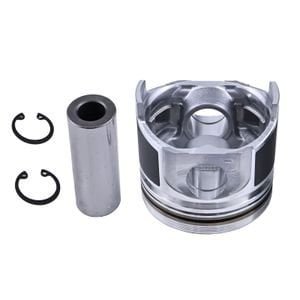
Piston Set 16060-21114 for Kubota V1505/D1105 – Direct OEM Replacement
View Details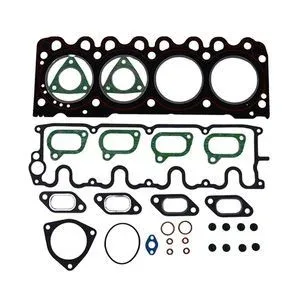
Cylinder Components
Upper Gasket Set 02931141 02931741 – Overhaul Grade for Deutz F4M1011
View Details
Cylinder Components
V2203 Cylinder Head Gasket 6655159 | Service Part for Kubota Bobcat
View DetailsNeed a Custom Quote?
Our technical team responds within 24 hours. MOQ 1 piece. Ships to 120+ countries from our Guangzhou warehouse.