
Belt Drive Systems
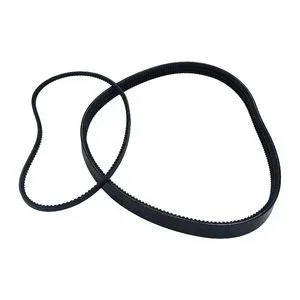
Drive & Alternator Belt Set 6726898 6675837 | Scheduled Maintenance for Bobcat Loaders
<p><strong>Drive & Alternator Belt Set 6726898 6675837, replacement for Bobcat 753–T190 loaders</strong> — paired belt supply for scheduled service intervals across skid steer and compact track fleets.</p> <ul> <li>Drive and alternator belts wear together; replacing as a matched set avoids staggered failures within the same service window</li> <li>Cracking, glazing and tension loss signal replacement is due — inspect pulley alignment and tensioner health at each change</li> <li>Stocking ahead of predictable consumption keeps fleet availability high and eliminates reactive downtime</li> </ul> <p>Replacement cycle guidance ships with every order to support planned maintenance scheduling.</p>
Lead Time
2-5 Days
Warranty
3-12 Months
Min. Order
1 Piece
Ships To
120+ Countries
Request a Quote
Response within 24 hours
Product Details
Fleet Stocking Strategy — Belt sets kept in inventory reduce reactive downtime across mixed Bobcat loader fleets.
Technical Specifications
| Parameter | Value |
|---|---|
| Part Number | 6726898 6675837 |
| Product Type | Belt |
| Cross-Reference | 6726898 (reference only), 6675837 (reference only) |
| Machine Fitment | 753, 763, 773, S150, S160, S175, S185, T180, T190 |
| Brand Fitment | Compatible with Bobcat |
| Condition | New Aftermarket |
| Warranty | 3–12 months against manufacturing defects |
| MOQ | 1 piece |
| Standards | ISO |
Application Suitability
| Service Interval | What to Check |
|---|---|
| Every 500–1000 hours | Inspect belt surfaces for cracking, glazing, or fraying on 753–773 loaders |
| Scheduled preventive maintenance | Verify tensioner and pulley alignment on S150–S185 skid steers before belt installation |
| Pre-season fleet servicing | Replace belts as matched sets on T180–T190 track loaders to avoid staggered failures |
| Older machine support | Confirm alternator output and charging behavior after belt replacement on high-hour units |
Why Scheduled Belt Replacement Beats Reactive Ordering
A snapped belt stops the machine immediately, and the next failure was predictable from the last inspection.
Fleet operators running Bobcat loaders across multiple job sites often face the same sequence: a machine goes down mid-shift, the belt is identified as the cause, and then the team discovers the replacement is not in stock. Reactive procurement turns a simple wear-item swap into days of idle equipment [NEED_CITE: planned maintenance scheduling for compact loader fleets]. The Drive & Alternator Belt service part maintenance Bobcat loader cycle should be treated as a calendar event, not a surprise. When the same belt references span machines from the 753 through the T190, stocking decisions become straightforward — one part number covers a wide range of fleet assets.
Where Belts Sit in the Loader Service Life
Belts are among the most predictable wear items in any Bobcat loader power system. Unlike hydraulic hoses that can fail suddenly from pressure spikes, or seals that degrade based on fluid contamination, belts announce their decline through visible surface changes. Cracks along the ribs, a glazed or shiny running surface, and loss of lateral tracking all signal that the Drive & Alternator Belt service part maintenance Bobcat loader interval is approaching. For fleet managers, these visual cues mean replacement can be planned into the next scheduled service window rather than interrupting production.
The Case for Replacing as a Matched Set
When a single belt fails on a loader that uses both a drive belt and an alternator belt, the temptation is to replace only the broken one. This approach ignores the fact that both belts share the same operating environment — identical heat cycles, the same exposure to dust and debris, and matching cumulative running hours. The surviving belt is already partway through its wear life [NEED_CITE: matched component replacement intervals for mobile equipment]. Installing a new belt alongside a half-worn companion creates a staggered failure pattern, meaning the second belt will likely fail before the next planned service window. Replacing both simultaneously, as this Drive & Alternator Belt service part maintenance Bobcat loader set is designed for, keeps the entire belt drive system on one predictable cycle.
Reading Belt Condition as a Diagnostic Signal
Belt wear does not happen in isolation. Uneven wear across the belt width often points to pulley misalignment. A belt that shows glazing on one side and minimal wear on the other suggests the tensioner is pulling at an angle. Frayed edges may indicate a worn pulley groove that is pinching the belt laterally. Treating belt replacement as only a parts swap misses the opportunity to address these root causes. The maintenance team should inspect pulley faces, check tensioner spring pressure, and verify alignment before installing new belts — otherwise the new Drive & Alternator Belt service part maintenance Bobcat loader set will inherit the same accelerated wear pattern.
What Specs Mean for Field Performance
The belt set covers part references 6726898 and 6675837, which correspond to the drive and alternator positions on compatible Bobcat loaders. The ISO-standard manufacturing ensures dimensional consistency — correct rib profile, proper length, and specified tensile cord construction — so the belts seat correctly in pulley grooves and maintain tension under load. The compatibility range from the 753 through the T190 means these belts are specified for engines that operate under sustained high-load conditions in construction, quarry, and demolition environments [NEED_CITE: belt drive specifications for compact track loader engines]. The 3–12 month warranty covers manufacturing defects, giving fleet operators confidence when stocking multiples for preventive programs. New aftermarket condition means the belts ship without the storage degradation that can affect old shelf stock.
The Hidden Cost of Reactive Belt Procurement
When a fleet runs on reactive maintenance for belt replacement, the costs compound beyond the part itself. A loader sitting idle while waiting for a single belt delivery represents lost production hours, delayed project milestones, and potentially idle operators. If the team replaces only the failed belt and the companion fails weeks later, the machine goes down a second time — requiring another round of diagnosis, teardown, and wait. Over the life of a fleet, these repeated unplanned stoppages accumulate into meaningful lost availability [NEED_CITE: total cost of unplanned downtime in construction equipment fleets]. Stocking the Drive & Alternator Belt service part maintenance Bobcat loader set ahead of need eliminates this cycle entirely.
Why Source This Belt Set Here
Own production on selected lines and qualified sourced supply operate under one account with the same warranty terms, so belt sets ship with consistent quality documentation. Eight product categories mean a fleet service order can include belts, filters, seal kits, and undercarriage components in a single consignment, reducing freight frequency. Minimum order from one piece allows small operators to stock a single set while larger fleets order in planned quantities. Guangzhou warehouse stock enables fast dispatch on common belt references. Part identification from machine model alone helps when nameplates on older 753 or 763 loaders are worn beyond reading. The technical team confirms compatibility across the full 753–T190 range before the order ships.
Documentation & Verification
- Commercial invoice listing belt set quantities per machine model
- Cross-reference sheet mapping 6726898 and 6675837 (reference only) to compatible loaders
- Dimensional inspection record verifying belt length and rib profile before dispatch
- Warranty terms covering manufacturing defects across the full batch
- Packing photographs showing belt sets protected from moisture during transit
- HS code and customs documentation support for international fleet supply orders
Service Interval & Stocking Guidance
- Inspect belt surfaces every 500 hours on loaders operating in dusty quarry or demolition conditions
- Replace both drive and alternator belts together at the first sign of cracking or glazing
- Stock one complete set per machine for fleets running 753 through T190 models
- Store belts in a cool, dry environment away from direct sunlight and ozone sources
- Rotate stock periodically to prevent rubber aging on shelf inventory
- Record replacement dates and hours to refine future stocking intervals per machine
Inquiry Guidance
Provide your Bobcat loader model list and current operating hours so we can confirm compatibility and recommend stocking quantities. If your machines have had previous belt drive work or tensioner replacements, share those details so we can verify the correct belt references for your specific engine builds. Fleet operators managing mixed-model groups should send the full machine roster for a consolidated maintenance supply plan.
Frequently Asked Questions
Q: How often should drive and alternator belts be replaced on Bobcat loaders?
A: Replacement intervals depend on operating conditions rather than a fixed schedule. Loaders working in dusty environments like quarries or demolition sites typically need belt inspections every 500 hours, with replacement when surface cracking or glazing appears. Clean-environment machines may extend to 1000 hours between inspections. Tracking actual belt condition at each service point builds a reliable replacement pattern for your specific fleet.
Q: What signs indicate the belts need replacement before complete failure?
A: Look for fine cracks along the belt ribs, a glazed or shiny running surface, frayed edges, or loss of tracking where the belt rides off-center on the pulley. Any of these signs means the belt is past its reliable service point. Catching these indicators during scheduled inspections prevents the sudden snap that shuts down a machine mid-shift and forces reactive ordering.
Q: Should I replace both belts at the same time or can I stagger them?
A: Replacing both the drive belt and alternator belt simultaneously keeps the entire belt drive system on one predictable maintenance cycle. Since both belts share identical heat exposure, dust contamination, and cumulative running hours, the surviving belt after a single failure is already partway through its wear life. Matched replacement prevents staggered failures that cause repeat downtime within the same service window.
Q: How many sets should I stock for a mixed-model Bobcat fleet?
A: One complete set per machine is a practical starting point for fleets running compatible models from 753 through T190. Larger fleets with high utilization may stock additional sets based on historical replacement frequency. Since these belt references cover multiple machine models, a single inventory line supports the entire fleet rather than requiring separate stock for each loader type.
Q: Are these belts still available for older Bobcat loader models?
A: Yes, the belt references 6726898 and 6675837 remain available as aftermarket supply for older models including the 753, 763, and 773 loaders. As brand-dealer support for these machines becomes less consistent, aftermarket availability ensures that fleet operators can maintain older assets without relying on discontinued dealer channels or extended lead times.
Compatible Brands
Our parts are engineered to meet or exceed OEM specifications. Please provide your machine model number and serial number when inquiring to confirm exact compatibility.
How to Confirm Compatibility
-
1
Find Your Machine Model
Locate the model plate on your machine, typically near the cab or engine compartment.
-
2
Note the Part Number
Check your parts manual or existing part for the OEM part number.
-
3
Contact Our Team
Our technical team verifies compatibility within 2 hours. Send us the details via the inquiry form or WhatsApp.
Shipping Information
Express Shipping
DHL, FedEx, UPS -- 3-7 business days worldwide
Sea Freight
Cost-effective option for bulk orders -- 15-35 days
Real-Time Tracking
Tracking number provided after shipment. 24/7 support available.
Warranty Policy
All parts come with manufacturer warranty. Duration varies by product category.
- Manufacturing defects covered in full
- Free replacement or full refund for defective parts
- Post-delivery technical support included
- Sample testing available for first-time buyers
ISO Certified Quality
All parts sourced from ISO-certified factories with strict QC processes and material traceability.
Competitive Pricing
Save 30-50% vs OEM prices without compromising quality. Transparent pricing with no hidden fees.
Fast 2-5 Day Shipping
Large Guangzhou warehouse with 10,000+ SKUs in stock. Most orders ship within 2-5 business days.
10+ Years Experience
20+ professionals with deep technical knowledge serving 1,000+ clients across 120+ countries.
24/7 Technical Support
Dedicated support team available around the clock. Part verification within 2 hours of inquiry.
Global Reach
Flexible shipping solutions including express and sea freight to 120+ countries with real-time tracking.
Related Products
More parts you might need

Belt Drive Systems
V-Belt 3288497 for Cummins ISB QSB – Scheduled Maintenance Wear Item
View DetailsNeed a Custom Quote?
Our technical team responds within 24 hours. MOQ 1 piece. Ships to 120+ countries from our Guangzhou warehouse.