
Belt Drive Systems
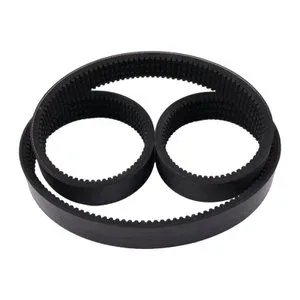
Drive Belt 7177671 Replacement for Bobcat Loaders Service Part
<p><strong>7177671 Drive Belt</strong>, 3VX banded cogged V-belt, 4×10×1670La — replacement for Bobcat S630, S650, T630, T650, and T870 loaders.</p> <ul> <li>EPDM rubber with aramid tensile cords resists heat and abrasion across extended service intervals</li> <li>Plan replacement during routine maintenance windows to avoid secondary damage to tensioners and pulleys</li> <li>Recommended stocking quantities align with fleet maintenance cycles and operating conditions</li> </ul> <p>Replacement interval guidance ships with every order for predictable fleet upkeep.</p>
Lead Time
2-5 Days
Warranty
3-12 Months
Min. Order
1 Piece
Ships To
120+ Countries
Request a Quote
Response within 24 hours
Product Details
Fleet Stocking Guidance — This Bobcat loader drive belt qualifies for scheduled replacement planning across your machine fleet.
Technical Specifications
| Parameter | Value |
|---|---|
| Part Number | 7177671 |
| Product Type | Belt |
| Cross-Reference | 7177671 (reference only) |
| Machine Fitment | Bobcat S630, S650, T630, T650, T870 |
| Dimensions | 4×10×1670La |
| Belt Type | 3VX Banded Cogged V-Belt |
| Material | EPDM rubber compound with aramid fiber fabric and aramid tensile cords |
| Condition | New Aftermarket |
| Warranty | 3–12 months against manufacturing defects |
| Quality Standard | ISO 9001 |
Application Suitability
| Service Interval | What to Check |
|---|---|
| Every 500–750 operating hours | Inspect belt surface for cracking, glazing, or fraying along the cord line |
| Seasonal turnaround on rental fleet | Measure deflection under thumb pressure; replace if tension cannot hold specification |
| Pre-deployment inspection for contracted sites | Verify adjacent pulleys and tensioners show no groove wear that would shorten new belt life |
| Major service interval on aging loaders | Remove belt and examine cogged underside for heat discoloration indicating slippage history |
When Reactive Belt Procurement Becomes a Fleet Problem
Plan the replacement window before the belt decides the schedule for you.
Fleet managers who treat drive belts as emergency purchases consistently pay more in secondary damage and rushed logistics than those who budget the same components into routine service cycles [NEED_CITE: mobile equipment preventive maintenance scheduling practices]. A snapped belt on a Bobcat S650 at a remote mining or earthmoving site does not just halt that machine — it idles the operators, delays material movement, and often damages the tensioner or adjacent pulleys during the failure event. I watched an entire grading crew in West Africa sit idle because a single drive belt failure was not anticipated in the consumables plan, and the replacement took days to arrive through informal channels.
Where This Drive Belt Sits in the Machine Service Life
A drive belt service part sits at the front line of power transmission wear. It is the component designed to sacrifice itself rather than allow shock loads to reach the engine crankshaft or hydraulic pump drives. Because of this, its degradation is both predictable and acceptable — provided you replace it on a planned schedule rather than after catastrophic separation. For Bobcat loaders operating in high-dust or high-temperature environments, the replacement interval compresses, making forward stocking essential.
Recognizing Wear Progression Before Failure Occurs
The EPDM compound in this belt resists heat and oil exposure far better than older natural rubber formulations, yet it still exhibits visible wear markers over time [NEED_CITE: elastomer degradation indicators in power transmission belting]. Surface micro-cracking perpendicular to the belt length signals ozone and UV aging. Glazing on the sidewalls points to chronic under-tensioning and slippage. Fraying at the cord line suggests the aramid tensile members are separating — a condition that precedes sudden rupture. Catching these signs during a routine walk-around allows you to schedule the swap during the next planned service window rather than reacting to a field failure.
Reading the Specifications That Matter in the Field
The 3VX banded cogged construction means multiple individual V-belt ribs are joined laterally, preventing turnover on the pulley under shock loading common in loader breakout and travel cycles. The cogged underside increases flexibility around smaller-diameter pulleys, reducing internal heat buildup that otherwise accelerates rubber hardening. Aramid fiber fabric and tensile cords provide dimensional stability — the belt does not stretch appreciably under load, which preserves tension settings over the service interval. The 4×10×1670La dimension set must match exactly; a belt even one size off will either overload the tensioner or ride too low in the pulley groove, generating heat and premature failure.
The Cost of Skipping the Belt in a Planned Service Cycle
Replacing a worn belt during a scheduled service costs only the component and a few minutes of labor. Letting that same belt fail in operation introduces secondary expenses: the sudden loss of drive can allow the tensioner arm to snap back and damage its pivot, pulley grooves can score when a broken belt whips across them, and the machine sits non-productive while the replacement ships [NEED_CITE: cost impact of unplanned versus planned component replacement in construction fleets]. Across a fleet, these reactive events compound into measurable availability loss that a modest stocking commitment would eliminate.
Why Procurement Through XUNPO Fits a Lifecycle Approach
Own production on selected lines and qualified sourced supply sit under one account and one warranty, so you order belts alongside filters and seal kits without managing multiple vendor relationships. A minimum order of one piece lets you validate fitment on a single machine before committing to fleet-level quantities. Guangzhou warehouse stock enables prompt dispatch on commonly consumed items. Cross-reference verification catches superseded numbers that otherwise lead to incorrect shipments. Technical support confirms compatibility when your machine plate is worn and only the model is legible. Sample supply lets your workshop verify tension and tracking before the bulk order ships.
Documentation & Verification
- Commercial invoice listing part number 7177671 with machine fitment notation for customs clearance
- Cross-reference sheet confirming interchange numbers marked as reference only
- Dimensional inspection record verifying 4×10×1670La before dispatch
- Warranty certificate stating coverage period for manufacturing defects
- Packing photographs showing belt condition and protective wrapping prior to crate closure
- HS code and export documentation support for international shipment
Service Interval & Stocking Guidance
- Schedule replacement at every major service interval or when surface cracking exceeds one crack per inch
- Inspect tensioner and idler pulleys simultaneously; grooved wear on pulleys will destroy a new belt prematurely
- Stock one belt per machine as minimum field inventory; high-utilization units should carry two
- Store belts flat or loosely coiled away from direct sunlight, heat sources, and ozone-generating equipment
- Rotate stock on a first-in-first-out basis; EPDM compounds age on the shelf even without use
- Mark each stored belt with receipt date to track shelf life against manufacturer recommendations
Request a Lifecycle Maintenance Quote
Provide your Bobcat loader model designations, current operating hour totals, and fleet size so we can recommend stocking quantities aligned with your service intervals. If your machine nameplates are faded, a photograph of the engine compartment and existing belt routing helps us confirm compatibility before shipment.
Frequently Asked Questions
Q: How often should drive belts be replaced on Bobcat loaders in severe service?
A: Replacement intervals depend on operating environment and daily duty cycle. In high-dust or high-temperature conditions typical of mining and heavy earthmoving, inspection every 500 hours is prudent, with replacement triggered by visible cracking, glazing, or loss of tension. Planned replacement during scheduled service windows avoids the secondary damage and downtime costs associated with unexpected field failures.
Q: What warning signs indicate this drive belt needs replacement?
A: Visible micro-cracks across the belt surface, shiny glazing on the sidewalls, fraying along the aramid cord line, and inability to maintain proper deflection under tension all signal end of service life. Heat discoloration on the cogged underside suggests chronic slippage. Any of these conditions warrants scheduling a swap before the belt fails catastrophically during operation.
Q: Should tensioners and pulleys be inspected when replacing the belt?
A: Yes. Worn pulley grooves will accelerate wear on the new belt and may cause tracking issues. A weak or binding tensioner cannot maintain the correct belt tension, leading to slippage and heat buildup. Inspecting and replacing these adjacent components during the same service window protects your investment in the new drive belt.
Q: How many belts should a fleet operator keep in stock?
A: A practical baseline is one spare per machine, with high-utilization units carrying two. This covers one planned replacement and one contingency for unexpected failure between service intervals. Align stocking levels with your service schedule and the lead time required to replenish from your supplier to maintain continuous coverage.
Q: Are replacement belts still available for older Bobcat loader models?
A: Yes. XUNPO supports aging machine fleets with aftermarket supply for models where original equipment channels have thinned. Cross-reference verification confirms fitment even when the original part number has been superseded across machine generations, ensuring older loaders in your fleet remain serviceable.
Compatible Brands
Our parts are engineered to meet or exceed OEM specifications. Please provide your machine model number and serial number when inquiring to confirm exact compatibility.
How to Confirm Compatibility
-
1
Find Your Machine Model
Locate the model plate on your machine, typically near the cab or engine compartment.
-
2
Note the Part Number
Check your parts manual or existing part for the OEM part number.
-
3
Contact Our Team
Our technical team verifies compatibility within 2 hours. Send us the details via the inquiry form or WhatsApp.
Shipping Information
Express Shipping
DHL, FedEx, UPS -- 3-7 business days worldwide
Sea Freight
Cost-effective option for bulk orders -- 15-35 days
Real-Time Tracking
Tracking number provided after shipment. 24/7 support available.
Warranty Policy
All parts come with manufacturer warranty. Duration varies by product category.
- Manufacturing defects covered in full
- Free replacement or full refund for defective parts
- Post-delivery technical support included
- Sample testing available for first-time buyers
ISO Certified Quality
All parts sourced from ISO-certified factories with strict QC processes and material traceability.
Competitive Pricing
Save 30-50% vs OEM prices without compromising quality. Transparent pricing with no hidden fees.
Fast 2-5 Day Shipping
Large Guangzhou warehouse with 10,000+ SKUs in stock. Most orders ship within 2-5 business days.
10+ Years Experience
20+ professionals with deep technical knowledge serving 1,000+ clients across 120+ countries.
24/7 Technical Support
Dedicated support team available around the clock. Part verification within 2 hours of inquiry.
Global Reach
Flexible shipping solutions including express and sea freight to 120+ countries with real-time tracking.
Related Products
More parts you might need

Need a Custom Quote?
Our technical team responds within 24 hours. MOQ 1 piece. Ships to 120+ countries from our Guangzhou warehouse.