

Emission & Exhaust System
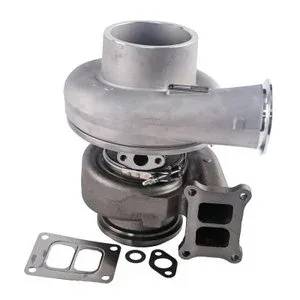
Emission & Exhaust System
ISO Certified
Ships 2-5 Days
MOQ 1 Piece
Emission & Exhaust System
HT60 Turbocharger 3804566 for Cummins N14 – Scheduled Maintenance
<p><strong>HT60 Turbocharger 3804566 for Cummins N14</strong>, replacement for Komatsu PC600-6 and PC650-6 series excavators.</p> <ul> <li>Planned maintenance component for sustained high-load excavation cycles, addressing progressive thermal fatigue and bearing wear before catastrophic seal or turbine wheel failure</li> <li>Typical replacement aligns with observable signs: rising exhaust temperature, reduced boost pressure, or oil residue on compressor side</li> <li>Inspect intake and exhaust system together — manifold gaskets, oil feed lines, and air filters often warrant concurrent renewal</li> </ul> <p>Scheduled replacement intervals and fleet reorder guidance included with each shipment to support lifecycle planning on aging 6-series machines.</p>
Lead Time
2-5 Days
Warranty
3-12 Months
Min. Order
1 Piece
Ships To
120+ Countries
3804566
Cummins N14
For Komatsu
HT60 Turbo
PC600-6 Parts
Service Part
turbocharger
Request a Quote
Response within 24 hours
Prefer instant chat?
WhatsApp
Product Details
Planned Replacement Cycles — HT60 turbochargers stocked ahead of predictable wear intervals keep aging Komatsu 6-series fleets running without emergency downtime.
Technical Specifications
| Parameter | Value |
|---|---|
| Part Number | 3804566 |
| Product Type | Turbocharger |
| Cross-Reference | 3804566, 380456600, 3804566NX, 3804566RX, CU3804566, 3536804, 4033556, 4033556H, 3536012 (reference only) |
| Machine Fitment | PC600-6, PC600LC-6, PC650-6, PC650LC-6, PC600LC-6KJ, PC600-6KJ |
| Turbo Model | HT60-N0881A/H32K1, HT60 |
| Engine Fitment | Cummins N14 |
| Condition | New Aftermarket |
| Warranty | 3–12 months against manufacturing defects |
| Turbine Housing Material | Ni-resist D5S alloy |
| Compressor Wheel Material | Forged 2618 aluminum |
| Compressor Wheel Balance Grade | ISO 1940 Grade G2.5 |
| Bearing Type | Dual ceramic ball bearings |
| Sealing Surface Flatness | ±0.02 mm |
| Journal Surface Hardness | HRC 58–62 |
| Standards | ISO 9001, ISO 8573-1 Class 2, SAE J1927, ISO 1940 Grade G2.5 |
Application Suitability
| Service Interval | What to Check |
|---|---|
| 3,000–4,000 operating hours | Boost pressure drop, shaft play, oil weeping at turbine seal |
| 5,000–6,000 operating hours | Compressor wheel edge wear, exhaust smoke under load, whine at spool-up |
| Annual fleet review | Cross-fleet turbo replacement history, reorder point adjustment for HT60 turbocharger service part maintenance |
| Machine repower or mid-life overhaul | Full intake and exhaust system inspection alongside turbo swap |
Why Reactively Replacing Turbos Costs More Than the Part Itself
Fleet operators who wait for failure pay in downtime what they saved in planning.
In quarry and mining duty, Cummins N14 engines run sustained high-load cycles that push exhaust gas temperatures well beyond highway duty ratings. I have watched PC600-6 excavators sit idle for days in the Riyadh region because a single turbo failure triggered a cascade — cracked manifold studs, carbon-fouled oil return lines, and contaminated air filters that nobody inspected until the machine stopped. The turbo itself was the cheapest item on that repair list [NEED_CITE: thermal fatigue progression in heavy-duty turbocharger bearings under sustained high EGT].
When an HT60 turbocharger reaches end of service life, treating it as an isolated component swap ignores the thermal and pressure environment it operates within. A fleet maintenance plan that schedules replacement based on operating hours and observed wear progression avoids the compounding costs of emergency logistics, collateral damage, and missed production targets.
Where This Turbo Fits in the Machine’s Service Life
The HT60 turbocharger occupies a predictable position in the Cummins N14 maintenance cycle. Unlike injectors or cylinder liners that may extend through multiple overhaul intervals, turbochargers degrade progressively under the thermal load of excavation duty. For a PC600-6 or PC650-6 fleet, this component typically enters its replacement window before the engine requires a full in-frame overhaul, making it a natural candidate for scheduled service events rather than breakdown response.
Operators managing mixed fleets of Komatsu 6-series machines benefit from aligning turbo replacement with other intake-system service — air filter housing inspection, charge air cooler cleaning, and exhaust manifold gasket renewal. This synchronization keeps HT60 turbocharger service part maintenance inside planned workshop windows instead of forcing reactive field repairs.
Progressive Wear Signals and the Case for Early Swap
Turbo bearing wear and thermal fatigue do not announce themselves suddenly. Shaft play increases gradually, compressor efficiency drops, and the engine begins consuming more fuel to maintain the same hydraulic output. By the time black smoke appears under load or a distinct whine accompanies spool-up, the turbine housing and seal surfaces have already accumulated meaningful damage [NEED_CITE: turbocharger degradation indicators in off-highway diesel applications].
Replacing the HT60 unit before catastrophic seal or wheel failure protects adjacent systems. Oil leaking past worn turbo seals contaminates the intake tract and accelerates cylinder wear. A scheduled swap at the first measurable increase in shaft play preserves the engine’s internal condition and extends the interval to the next major service event.
Understanding the Specifications That Matter in the Field
The Ni-resist D5S alloy turbine housing resists thermal cracking under the sustained exhaust temperatures typical of quarry loading and heavy excavation cycles. This material choice addresses the failure mode most common in high-EGT environments — heat-check cracking that begins at the turbine inlet and propagates through the volute.
Forged 2618 aluminum compressor wheels maintain dimensional stability at elevated rotational speeds, and the ISO 1940 Grade G2.5 balance specification limits vibration transfer to the bearing system. Dual ceramic ball bearings reduce friction heat generation at the journal, extending the interval before oil coking begins degrading bearing clearance. The ±0.02 mm sealing surface flatness ensures gasket contact integrity under thermal cycling — a detail that matters when the turbo undergoes hundreds of heat-up and cool-down cycles between service intervals.
The Hidden Cost of Waiting Until It Fails
A turbo that fails in service rarely fails alone. Oil bypassing worn seals coats the charge air cooler fins, reducing heat exchange efficiency and raising intake temperatures. Carbon buildup on exhaust manifold studs makes disassembly destructive, turning a two-hour turbo swap into a full-day manifold replacement. I have seen N14 engines require secondary teardown because the replacement team addressed only the turbo, leaving contaminated oil feed lines and collapsed air filter elements in place [NEED_CITE: secondary damage patterns following turbocharger seal failure in heavy diesel engines].
For a fleet operating multiple PC600-6 class machines, reactive turbo procurement also means carrying zero inventory until the first failure, then paying premium freight for emergency supply while the excavator sits non-productive. Planned stocking converts that unpredictable cost into a managed line item.
Sourcing Decisions That Support Fleet Continuity
XUNPO manufactures selected turbocharger lines in-house and sources the remainder from qualified ISO-certified partners, with both channels carrying identical warranty terms. This means your HT60 turbocharger supply does not depend on a single production line.
Eight equipment categories under one account let you consolidate turbo orders with intake gaskets, oil feed lines, and air filtration components in a single consignment. Minimum order from one piece supports both single-machine replacements and fleet-wide scheduled programs. Guangzhou warehouse stock enables fast dispatch on common configurations. Part identification from engine serial prefix, machine model, or nameplate photograph resolves the variant differences between PC600LC-6 and PC600-6KJ applications. Cross-reference verification covers superseded and alternate numbers, and sample supply allows fitment confirmation before committing to bulk fleet orders.
Documentation & Verification
- Commercial invoice and packing list with HT60 turbocharger line items clearly identified
- Part compatibility and cross-reference sheet marking all OEM numbers as reference only
- Quality inspection record including balance test and dimensional verification
- Warranty terms covering manufacturing defects for 3–12 months
- Packing photographs showing protective packaging for turbine and compressor housings
- HS code and customs documentation support for international fleet supply
Service Interval & Stocking Guidance
- Schedule HT60 turbocharger inspection at every 2,000-hour service on Cummins N14 engines
- Check shaft play and oil seal condition before each scheduled replacement window
- Stock one turbo per two PC600-6 class machines as a minimum fleet reserve
- Store turbos in sealed packaging with desiccant to prevent bearing corrosion
- Rotate stock every 18 months to ensure seal and gasket material integrity
Requesting a Fleet Maintenance Proposal
Provide your machine model variants and accumulated operating hours across the fleet. Include any Cummins N14 engine serial prefixes to confirm variant-specific fitment. This allows a replacement interval recommendation and stocking quantity matched to your actual duty cycle, along with a consolidated supply plan covering the turbocharger and associated intake-system components.
Frequently Asked Questions
Q: How often should the turbocharger be replaced on a Cummins N14 in heavy excavation duty?
A: In sustained high-load quarry and mining cycles, the HT60 turbocharger typically enters its replacement window between 3,000 and 6,000 operating hours depending on exhaust gas temperature exposure and maintenance history. Monitoring shaft play and boost pressure at each major service interval provides a reliable indicator for scheduling replacement before failure forces an unplanned stop.
Q: What warning signs indicate the HT60 turbo is approaching end of service life?
A: Increasing shaft play measured at the compressor nut, audible whine during spool-up, gradual boost pressure loss under load, and oil weeping at the turbine seal all signal progressive wear. Black smoke under acceleration and elevated fuel consumption at constant hydraulic output indicate compressor efficiency decline. Any of these symptoms justify scheduling a planned swap.
Q: Should I replace the turbo alone or inspect the full intake and exhaust system at the same time?
A: Replacing the turbo without inspecting intake and exhaust components risks early failure of the new unit. Oil feed and return lines, air filter elements, charge air cooler condition, and exhaust manifold gaskets should all be evaluated. Contaminated oil lines or restricted air filters will shorten the replacement turbo’s service life regardless of its build quality.
Q: How many turbochargers should I stock for a fleet of PC600-6 class excavators?
A: A practical starting point is one HT60 unit per two machines, adjusted based on your observed replacement intervals and local supply lead times. Fleets operating in remote sites with limited logistics access should increase this ratio. Tracking turbo replacement history across the fleet refines the reorder point over successive service cycles.
Q: Can I still get reliable replacement turbos for older Komatsu 6-series machines?
A: Yes. Aftermarket supply for the HT60 turbocharger remains available through established manufacturing channels, with cross-reference verification covering superseded part numbers. For aging PC600-6 and PC650-6 fleets, planned procurement from a supplier committed to long-term support ensures continuity even as original equipment manufacturer availability narrows.
Compatible Brands
CAT
KOMATSU
HITACHI
VOLVO
HYUNDAI
DOOSAN
KOBELCO
SANY
XCMG
Our parts are engineered to meet or exceed OEM specifications. Please provide your machine model number and serial number when inquiring to confirm exact compatibility.
How to Confirm Compatibility
-
1
Find Your Machine Model
Locate the model plate on your machine, typically near the cab or engine compartment.
-
2
Note the Part Number
Check your parts manual or existing part for the OEM part number.
-
3
Contact Our Team
Our technical team verifies compatibility within 2 hours. Send us the details via the inquiry form or WhatsApp.
Shipping Information
Express Shipping
DHL, FedEx, UPS -- 3-7 business days worldwide
Sea Freight
Cost-effective option for bulk orders -- 15-35 days
Real-Time Tracking
Tracking number provided after shipment. 24/7 support available.
Warranty Policy
3-12
Months Warranty
All parts come with manufacturer warranty. Duration varies by product category.
- Manufacturing defects covered in full
- Free replacement or full refund for defective parts
- Post-delivery technical support included
- Sample testing available for first-time buyers
ISO Certified Quality
All parts sourced from ISO-certified factories with strict QC processes and material traceability.
Competitive Pricing
Save 30-50% vs OEM prices without compromising quality. Transparent pricing with no hidden fees.
Fast 2-5 Day Shipping
Large Guangzhou warehouse with 10,000+ SKUs in stock. Most orders ship within 2-5 business days.
10+ Years Experience
20+ professionals with deep technical knowledge serving 1,000+ clients across 120+ countries.
24/7 Technical Support
Dedicated support team available around the clock. Part verification within 2 hours of inquiry.
Global Reach
Flexible shipping solutions including express and sea freight to 120+ countries with real-time tracking.
Related Products
More parts you might need
Emission & Exhaust System
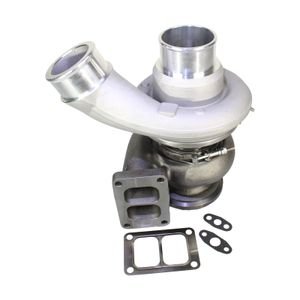
Turbocharger S300A113 for Mack CV713 Truck – Direct Replacement 631GC5172M5
View Details
Emission & Exhaust System
Aftermarket TD04L4 Turbocharger – Service Part for Kubota SVL75-2
View Details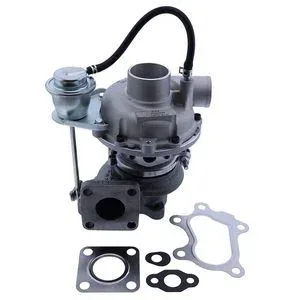
Emission & Exhaust System
Turbocharger RHF4 SBA135756170 for Perkins 404C-22T – Service Part
View DetailsNeed a Custom Quote?
Our technical team responds within 24 hours. MOQ 1 piece. Ships to 120+ countries from our Guangzhou warehouse.