

Engine Auxiliary Components

Engine Auxiliary Components
ISO Certified
Ships 2-5 Days
MOQ 1 Piece
Engine Auxiliary Components
Kubota ZD-Compatible 12V Fuel Stop Solenoid 16851-60014 – Fleet Supply
<p><strong>16851-60014 Fuel Stop Solenoid, 12V DC, Brass Housing</strong> — compatible with Kubota ZD18, ZD21, ZD321, ZD323 zero-turn mowers. This solenoid typically requires replacement after sustained high-temperature idling degrades coil insulation or repeated actuation cycles wear the plunger. Fleet operators benefit from stocking ahead of peak mowing season to avoid unplanned downtime when commercial schedules cannot absorb delays. Single-component replacement avoids the cost of exchanging the full fuel shutoff assembly.</p> <ul> <li>Replacement interval guidance included with shipment for fleet maintenance planning</li> </ul>
Lead Time
2-5 Days
Warranty
3-12 Months
Min. Order
1 Piece
Ships To
120+ Countries
16851-60014
For Kubota
Fuel System
Kubota ZD Series
Service Part
stop solenoid
Request a Quote
Response within 24 hours
Prefer instant chat?
WhatsApp
Product Details
Fleet Stocking Guidance — Replacement intervals mapped to ZD mower service schedules so this fuel cutoff valve arrives before peak season demand spikes.
Technical Specifications
| Parameter | Value |
|---|---|
| Part Number | 16851-60014 |
| Product Type | Stop Solenoid |
| Cross-Reference | 052600-4530, 052600-4531, 052600-453, 16851-60010, 16851-60012, 16851-60013, 16851-60015 (reference only) |
| Machine Fitment | Kubota ZD18, ZD18F, ZD21, ZD21F, ZD221, ZD321, ZD321N, ZD323 |
| Voltage | 12V DC |
| Type | Fuel Shutdown Solenoid / Fuel Cutoff Solenoid |
| Insulation Class | Class H (rated to 180°C) |
| Plunger Rod Hardness | 52–56 HRC |
| Housing Material | Brass |
| Housing Dimensional Tolerance | ±0.05 mm |
| Seal Material | NBR Rubber |
| Seal Temperature Range | -40°C to +120°C |
| Surface Finish | Ra 0.8 μm per ISO 4287 |
| Condition | New Aftermarket |
| Warranty | 6 months against manufacturing defects |
| MOQ | 1 piece |
Application Suitability
| Service Interval | What to Check |
|---|---|
| Pre-season inspection (before peak mowing months) | Coil resistance reading, plunger travel, audible click on key cycle |
| 500–800 operating hours | NBR seal condition, housing corrosion, connector pin integrity |
| End-of-season fleet audit | Full electrical continuity test across all solenoids before storage |
| Units approaching 2,000+ hours | Consider preventive replacement regardless of current function |
| High-humidity coastal deployment | Quarterly moisture ingress check on housing and seal interface |
Planning Ahead: Why Fuel Stop Solenoid Maintenance Deserves a Calendar Slot
Waiting for failure means the mower has already stopped cutting. A fuel stop solenoid maintenance service part sits at the intersection of engine start-up logic and emergency shutdown control. When it fails, the engine either cranks without firing or refuses to shut down when the key is turned off — neither outcome is acceptable on a commercial property mid-contract.
In my years coordinating fleet maintenance across landscaping operations in the Pearl River Delta, I have watched entire weekly mowing schedules collapse because a single solenoid failed on a Monday morning and the replacement had to be sourced reactively. Commercial landscaping crews running Kubota ZD series zero-turn mowers typically accumulate tens of thousands of actuation cycles per season on this component alone [NEED_CITE: fuel solenoid actuation cycles per season in commercial mowing fleets]. The failure progression is gradual but predictable: coil insulation degrades under sustained high-temperature idling, the plunger rod wears from repeated impact cycles, and the NBR seal hardens in extreme coastal humidity. None of these wear mechanisms announce themselves clearly before the solenoid stops responding.
Where This Component Sits in the Machine’s Service Life
The fuel stop solenoid is a predictable wear item, not a catastrophic failure point. It belongs in the same maintenance planning category as fuel filters, glow plugs, and drive belts — components that wear through normal operation and should be replaced on a schedule rather than in response to a breakdown. For fleet operators managing multiple Kubota ZD18, ZD21, ZD321, or ZD323 units, stocking this fuel stop solenoid maintenance service part ahead of the mowing season eliminates the reactive purchasing cycle that drains both budget and schedule [NEED_CITE: preventive versus reactive maintenance cost models for grounds care fleets].
A single ZD unit in heavy commercial use may cycle its stop solenoid dozens of times per day. Over a full season, the cumulative mechanical and thermal stress on the plunger and coil assembly is substantial. Fleet managers who track operating hours per unit can align solenoid replacement with other scheduled service events — oil changes, hydraulic fluid flushes, blade sharpening rotations — so that the machine is already in the workshop when the replacement happens.
Reading the Wear Progression Before Failure Strikes
The early indicators of solenoid degradation are electrical and mechanical rather than visible. A slight delay in engine shutdown after the key is turned off suggests the plunger is no longer seating cleanly. An inconsistent click sound during start-up indicates coil resistance drifting outside normal range. In humid coastal environments where many landscaping fleets operate, corrosion at the brass housing interface accelerates seal degradation [NEED_CITE: corrosion acceleration factors for solenoid housings in subtropical climates]. Technicians who catch these signals during pre-season audits can schedule replacement during planned workshop days rather than emergency calls on job sites.
Single-component solenoid replacement is typically the right call when the housing and fuel passage remain in good condition. If the brass housing shows significant corrosion pitting or the fuel shutoff linkage shows wear beyond the solenoid plunger itself, a full assembly exchange may be the more sensible long-term decision. Fleet records should track whether each unit is on its first solenoid or has already been through one replacement cycle — this history determines whether you are replacing a wear item or addressing a systemic fuel shutoff problem.
What the Specifications Mean in Actual Operation
The Class H insulation rating (180°C) matters because zero-turn mower engine bays routinely exceed normal ambient temperature during sustained cutting operations, and the solenoid coil sits close to the fuel injection pump where radiant heat accumulates. A solenoid with lower insulation class would experience accelerated dielectric breakdown under these conditions, leading to intermittent operation long before complete failure. The brass housing material was selected for corrosion resistance in outdoor equipment applications — unlike steel housings, brass tolerates the moisture exposure that landscaping machines face daily without developing surface oxidation that interferes with plunger travel.
The 52–56 HRC plunger rod hardness ensures the rod withstands repeated impact cycles against the fuel shutoff seat without mushrooming or galling. A softer rod would deform over a few hundred hours and eventually fail to seal, allowing fuel to bleed past even when the solenoid is energized. The NBR rubber seal specification with a -40°C to +120°C range covers the full operational envelope from cold morning starts through peak afternoon engine bay temperatures [NEED_CITE: NBR versus FKM seal material selection criteria for diesel fuel systems]. The ±0.05 mm housing dimensional tolerance ensures the plunger bore maintains proper clearance — tight enough to prevent fuel leakage but loose enough to avoid binding when thermal expansion occurs.
The Cost of Treating This as a Breakdown Part
Fleets that purchase fuel stop solenoids only after failure accumulate hidden costs that never appear on a single repair invoice. A mower down during a contracted mowing window means either paying a crew to stand idle, subcontracting the work at reduced margin, or negotiating a schedule concession with the property manager. Over a full season, three or four reactive solenoid failures across a fleet of ten mowers represent a meaningful loss of billable hours [NEED_CITE: equipment downtime cost impact on commercial landscaping contract fulfillment]. The machines that fail most often tend to be the older ZD18 and ZD21 units already operating past the period of strong dealer parts support — precisely the units that benefit most from proactive stocking of aftermarket-compatible components.
Beyond the immediate schedule disruption, reactive purchasing often forces buyers to accept whatever variant is available rather than the correct one for their specific machine serial prefix. This leads to trial-fit situations, return shipping, and second orders — all of which extend the original downtime window rather than closing it.
Why Fleet Operators Source This Component Here
Guangzhou warehouse stock on common Kubota ZD series components means this fuel stop solenoid maintenance service part can ship on short notice when a pre-season audit reveals more units needing replacement than expected. The single-piece minimum order quantity allows a fleet manager to order exactly the quantity needed for a planned service day without meeting a bulk threshold. Both self-produced and qualified sourced supply lines carry the same quality control and six-month warranty terms, so there is no difference in accountability regardless of production origin.
Part identification works from the number itself, the machine model, a photograph of the old unit, or a nameplate image — whichever starting point the workshop has available. Cross-reference verification covers the full range of superseded and alternate numbers (052600-4530, 052600-4531, 16851-60010 through 16851-60015) to confirm correct variant selection across ZD series generations. The technical team is available to confirm compatibility and discuss whether single-component replacement or full assembly exchange makes more sense for a given unit’s service history.
Documentation & Verification
- Commercial invoice and packing list referencing part number 16851-60014 and machine fitment
- Cross-reference sheet listing all alternate numbers as reference only for verification
- Dimensional inspection record confirming housing tolerance and plunger travel
- Six-month warranty terms covering manufacturing defects from date of dispatch
- Packing photographs showing individual unit condition before crate closure
- HS code and customs documentation support for international fleet procurement
Service Interval & Stocking Guidance
- Inspect solenoid click response and coil resistance at each pre-season service event
- Maintain stock of one solenoid per three ZD units for peak season readiness
- Store in sealed packaging away from moisture to protect NBR seals before installation
- Replace preventively at 800–1,200 hours for units in high-humidity coastal deployments
- Log replacement history per machine serial to track whether failures are individual or systemic
- Keep at least one unit in the field service van for same-day replacement on contracted sites
Request a Fleet Stocking Recommendation
Provide your Kubota ZD series machine models and current fleet operating hours, and we will map out a stocking quantity that covers your peak season service windows. Include any units with known fuel shutoff irregularities so we can advise whether single-component replacement or full assembly exchange is the appropriate approach for each machine.
Frequently Asked Questions
Q: How often should fuel stop solenoids be replaced as preventive maintenance?
A: For Kubota ZD series mowers in commercial landscaping use, preventive replacement between 800 and 1,200 operating hours is typical. Units in high-humidity or high-dust environments may need earlier replacement due to accelerated seal hardening and corrosion. Align the replacement with other scheduled service events to minimize workshop disruption.
Q: What are the early warning signs that a solenoid is approaching end of service life?
A: Delayed engine shutdown after key-off, inconsistent click sound during start-up, and intermittent failure to start are all indicators. Electrical testing showing coil resistance drifting outside specification is the most reliable early signal. Technicians should check these during pre-season fleet audits rather than waiting for complete failure.
Q: Should I replace just the solenoid or the complete fuel shutoff assembly?
A: Single-component replacement is appropriate when the brass housing and fuel passage are in good condition with no corrosion pitting. If the housing shows significant degradation or the linkage beyond the plunger is worn, a full assembly exchange avoids repeat failures. Check the service history of each unit before deciding.
Q: How many units should a fleet keep in stock for peak season readiness?
A: A common guideline is one spare solenoid per three ZD series units, adjusted upward for fleets operating in coastal humidity or running older machines. Review last season’s failure count and any units flagged during pre-season inspection. This ensures coverage without overcommitting inventory on a component with a defined replacement cycle.
Q: Will this part continue to be available for older Kubota ZD models?
A: Aftermarket support for Kubota ZD18, ZD21, and earlier ZD series models remains available through qualified suppliers even as original dealer inventory thins. Cross-reference verification ensures correct variant selection across all serial prefixes in the ZD lineup, including superseded part numbers from earlier production runs.
Compatible Brands
CAT
KOMATSU
HITACHI
VOLVO
HYUNDAI
DOOSAN
KOBELCO
SANY
XCMG
Our parts are engineered to meet or exceed OEM specifications. Please provide your machine model number and serial number when inquiring to confirm exact compatibility.
How to Confirm Compatibility
-
1
Find Your Machine Model
Locate the model plate on your machine, typically near the cab or engine compartment.
-
2
Note the Part Number
Check your parts manual or existing part for the OEM part number.
-
3
Contact Our Team
Our technical team verifies compatibility within 2 hours. Send us the details via the inquiry form or WhatsApp.
Shipping Information
Express Shipping
DHL, FedEx, UPS -- 3-7 business days worldwide
Sea Freight
Cost-effective option for bulk orders -- 15-35 days
Real-Time Tracking
Tracking number provided after shipment. 24/7 support available.
Warranty Policy
3-12
Months Warranty
All parts come with manufacturer warranty. Duration varies by product category.
- Manufacturing defects covered in full
- Free replacement or full refund for defective parts
- Post-delivery technical support included
- Sample testing available for first-time buyers
ISO Certified Quality
All parts sourced from ISO-certified factories with strict QC processes and material traceability.
Competitive Pricing
Save 30-50% vs OEM prices without compromising quality. Transparent pricing with no hidden fees.
Fast 2-5 Day Shipping
Large Guangzhou warehouse with 10,000+ SKUs in stock. Most orders ship within 2-5 business days.
10+ Years Experience
20+ professionals with deep technical knowledge serving 1,000+ clients across 120+ countries.
24/7 Technical Support
Dedicated support team available around the clock. Part verification within 2 hours of inquiry.
Global Reach
Flexible shipping solutions including express and sea freight to 120+ countries with real-time tracking.
Related Products
More parts you might need

Engine Auxiliary Components
Aftermarket Glow Plug 19077-65510 – Scheduled Maintenance for Kubota D1403 D1503 D1703 D1803
View Details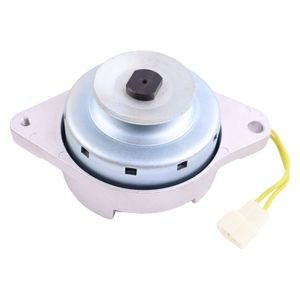

Need a Custom Quote?
Our technical team responds within 24 hours. MOQ 1 piece. Ships to 120+ countries from our Guangzhou warehouse.